
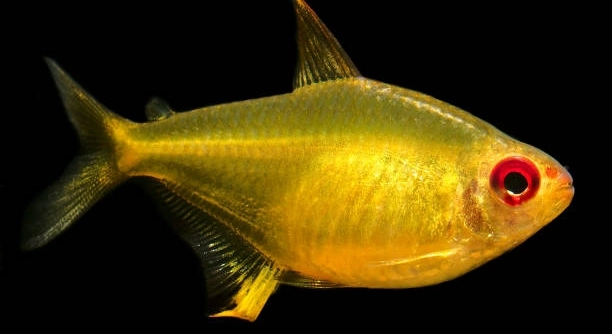
Is your arowana spending more time circling the same object than exploring its tank? Many fish owners notice this repetitive behavior and wonder if it indicates stress, curiosity, or an environmental issue affecting their aquatic companion.
Arowanas often circle the same object due to territorial instincts, stress, or environmental stimuli. This behavior can also result from limited tank space, reflections, or unfamiliar objects disrupting their natural swimming patterns. Monitoring their environment is essential.
Understanding why your arowana focuses on one spot can help improve its well-being and prevent potential health or behavioral issues in the future.
Common Reasons Your Arowana Circles Objects
Arowanas are naturally curious but territorial fish, so circling objects in their tank can have several explanations. Often, it is linked to their instinct to patrol territory or to react to perceived threats. Reflections from glass or shiny decorations may confuse them, causing repeated swimming patterns. Stress is another significant factor. Changes in water quality, sudden noises, or overcrowding can make an arowana feel unsafe, leading it to fixate on a single spot. Hunger can also play a role; if food is consistently placed near one area, the fish may linger there. Finally, limited tank size restricts natural exploration, and repetitive swimming becomes a substitute for exercise. Observing other behaviors, such as fin clamping or loss of appetite, can help determine if the circling is harmless or a sign of distress, guiding adjustments to tank setup and care routines to promote natural behavior.
Adjusting tank layout and monitoring water conditions often reduces repetitive circling, encouraging healthier swimming patterns.
Providing environmental enrichment, such as varied hiding spots or natural decorations, can make a noticeable difference. By rotating ornaments and introducing safe stimulation, you support both mental and physical health. Arowanas benefit from a diverse environment that encourages exploration and minimizes stress. Consistent care routines and gradual changes in tank decor reduce anxiety, allowing the fish to swim naturally without fixating on one object. Additionally, maintaining proper water parameters, including temperature, pH, and cleanliness, ensures a stable environment. Feeding routines also play a role; spreading food around the tank rather than in one place can prevent repetitive behaviors. Over time, attentive observation and small adjustments in the tank’s setup promote calm, confident swimming patterns, making your arowana more active and engaged. With these steps, you can create a tank environment that supports both physical activity and behavioral enrichment, reducing circling and improving overall well-being.
When to Be Concerned
Persistent circling paired with other symptoms often signals stress or illness.
If your arowana displays lethargy, loss of appetite, or unusual spots along with repeated circling, these may indicate infection or parasites. Water quality issues such as high ammonia or nitrate levels can also drive obsessive behavior. Immediate testing and adjustments to water parameters are critical. Consulting a veterinarian familiar with aquatic species ensures any underlying health concerns are addressed promptly. Observing your fish’s daily behavior and noting changes helps detect problems early, preventing serious illness. Behavioral changes should never be ignored, especially in larger, sensitive species like arowanas. A proactive approach to monitoring, combined with clean, stable water conditions, helps your fish maintain a balanced, healthy life. Careful attention to both environment and behavior protects your investment and promotes long-term health for your arowana, ensuring it thrives in its habitat.
Tank Setup and Environment
Proper tank setup greatly influences arowana behavior. Crowded tanks or sharp decorations can trigger repetitive circling, while appropriate spacing and hiding spots encourage natural movement. Maintaining clean, stable water conditions is essential to reduce stress and repetitive patterns.
Arranging the tank with adequate space allows your arowana to swim freely, reducing fixation on objects. Decorations should be positioned to create natural boundaries without restricting movement. Soft lighting and natural substrates help minimize reflections, which often confuse the fish. Ensuring the tank is appropriately sized for your arowana’s growth prevents stress caused by overcrowding. Consistent water changes and filtration maintain a stable environment, reducing irritation from poor water quality. Gradually introducing new elements keeps the fish engaged without overwhelming it.
Feeding methods also impact behavior. Spreading food around the tank prevents obsession with one spot. Live or frozen food stimulates natural hunting instincts, encouraging movement. Observing the fish during feeding helps identify any unusual patterns. Rotating decorations periodically adds novelty, preventing boredom. Monitoring water parameters ensures a balanced environment, keeping stress levels low. When combined, proper feeding, tank arrangement, and enrichment lead to healthier, more active swimming habits, reducing repetitive circling and improving overall well-being.
Stress and Behavioral Signs
Stress is a common cause of repetitive circling in arowanas. Water fluctuations, sudden changes, or loud disturbances trigger anxiety, causing fixated swimming patterns.
Indicators of stress include clamped fins, rapid gill movement, or decreased appetite. Arowanas may also exhibit color fading or unusual hiding behaviors. Addressing stress involves stabilizing water parameters, reducing disturbances, and ensuring adequate space. Consistent routines and gentle handling minimize anxiety, allowing the fish to regain normal behavior. Regular observation helps detect subtle changes early, preventing long-term issues.
Environmental enrichment reduces stress by providing stimulation. Live plants, floating objects, and varied decorations mimic natural habitats, promoting exploration. Gradually adjusting water temperature or lighting prevents shock, keeping behavior stable. Social interactions, if appropriate, can also reduce stress in larger tanks. Overfeeding or irregular feeding can contribute to anxiety, so maintaining a steady schedule is important. Monitoring behavioral cues allows timely interventions, ensuring the arowana feels secure and active. By combining environmental adjustments with attentive care, stress-related circling can be minimized, improving overall health and vitality.
Reflections and Tank Surfaces
Reflections from glass or shiny decorations can confuse arowanas, prompting them to circle the same spot repeatedly. Adjusting lighting and adding background elements reduces visual disturbances, helping the fish feel more secure in its environment.
Using frosted or dark backgrounds minimizes reflections, allowing your arowana to focus on its surroundings rather than imagined rivals. Removing overly reflective objects helps break repetitive swimming patterns, creating a calmer tank environment.
Limited Swimming Space
Arowanas require ample space for natural movement. Tanks that are too small can cause repetitive circling as the fish adjusts to restricted territory. Providing a longer and wider tank allows healthier exercise and reduces stress, promoting balanced behavior and well-being.
Monitoring Health Closely
Changes in swimming patterns may signal health issues. Observing appetite, coloration, and energy levels helps detect potential problems early. Prompt attention prevents minor concerns from developing into serious conditions, supporting your arowana’s long-term health.
FAQ
Why does my arowana keep circling one spot?
Repeated circling is often linked to stress, territorial behavior, or reflections in the tank. Environmental factors like limited swimming space, sharp or shiny decorations, and sudden disturbances can trigger this behavior. Monitoring water conditions, providing hiding spots, and adjusting tank layout usually reduce repetitive swimming.
Can circling indicate illness?
Yes. Persistent circling paired with lethargy, loss of appetite, faded colors, or unusual spots may signal infections, parasites, or other health problems. Regular observation and prompt veterinary care help detect and address issues before they worsen, ensuring your fish remains healthy and active.
How can I reduce reflections in my tank?
Reflections often confuse arowanas, making them perceive imaginary rivals. Using frosted glass, dark backgrounds, or carefully positioning decorations can minimize reflections. Adjusting lighting to prevent glare also helps the fish focus on its environment rather than reacting to its own reflection.
Is my tank too small for my arowana?
Arowanas need long, wide tanks to swim naturally. Small tanks restrict movement, causing repetitive circling and stress. Ensuring a tank size appropriate for your fish’s current and adult size improves exercise, reduces boredom, and supports overall well-being.
Does diet affect circling behavior?
Yes. Feeding in one spot can encourage fixation, especially if the fish associates a specific location with food. Distributing meals throughout the tank and offering live or frozen food stimulates natural hunting instincts, encouraging movement and reducing repetitive swimming patterns.
Can environmental enrichment help?
Introducing varied decorations, natural hiding spots, and safe floating objects provides mental stimulation and encourages exploration. Rotating items periodically prevents boredom. Environmental enrichment mimics natural habitats, promoting physical activity and reducing anxiety-related behaviors, including obsessive circling.
How do I know if my arowana is stressed?
Signs of stress include clamped fins, rapid gill movement, loss of appetite, color fading, and repetitive swimming patterns. Behavioral changes often indicate underlying environmental issues, such as poor water quality, overcrowding, or sudden disturbances, and should be addressed immediately.
Are certain decorations better than others?
Smooth, non-reflective, and rounded decorations are preferable. Sharp or overly shiny objects can confuse or injure arowanas. Plants, driftwood, and soft substrates create a secure environment, encourage exploration, and reduce repetitive behaviors without compromising safety.
How often should I check water parameters?
Daily observation of temperature, pH, ammonia, nitrite, and nitrate levels is recommended. Consistent monitoring prevents fluctuations that can stress arowanas, reduce circling, and maintain their overall health. Regular water changes complement parameter checks, ensuring a stable environment.
When should I consult a vet?
If circling persists despite environmental adjustments, or if it accompanies signs like lethargy, appetite loss, abnormal spots, or unusual swimming patterns, veterinary consultation is necessary. Prompt intervention ensures health issues are diagnosed and treated before serious complications occur.
Can multiple arowanas in one tank cause circling?
Yes. Territorial disputes or overcrowding can lead to obsessive swimming around perceived rivals or dominant fish. Providing sufficient space and hiding areas for each arowana reduces stress, promotes natural interactions, and limits repetitive behaviors.
Does lighting affect behavior?
Harsh or inconsistent lighting can stress arowana and enhance reflections, causing obsessive circling. Using soft, consistent lighting and avoiding sudden changes in light exposure creates a calmer environment, supporting natural swimming patterns.
Is it normal for young arowanas to circle more than adults?
Juvenile arowanas are often more active and exploratory, sometimes leading to repetitive circling, especially in smaller tanks or reflective setups. Providing adequate space, enrichment, and consistent care helps young fish develop healthy swimming habits as they mature.
Can temperature changes cause circling?
Rapid fluctuations in water temperature create stress, making arowanas more prone to repetitive behavior. Maintaining stable, species-appropriate temperatures supports natural activity, reduces stress, and prevents abnormal swimming patterns.
How long does it take for circling behavior to improve?
Improvement depends on the cause. Adjustments in tank layout, enrichment, and water quality often show results within days to weeks. Persistent health-related causes may take longer, requiring veterinary intervention and careful observation to restore normal swimming behavior.
Final Thoughts
Observing an arowana circling the same object can be worrying, but understanding the reasons behind this behavior helps address it effectively. Often, the behavior is linked to environmental factors, such as reflections, limited swimming space, or sudden disturbances. These triggers can cause the fish to feel insecure or stressed, prompting repetitive swimming. Adjusting the tank layout, adding hiding spots, and minimizing reflective surfaces can reduce fixation and create a more natural, comfortable environment. Stable water conditions, including proper temperature, pH, and cleanliness, are essential in maintaining arowana health and preventing stress-related behaviors. Monitoring daily behavior allows for early detection of issues, ensuring your fish remains active and confident in its tank.
Behavioral observation is a crucial part of responsible fish care. Arowanas are intelligent and sensitive, and their swimming patterns often reflect their overall well-being. Repetitive circling is not always harmful, but it can indicate that adjustments are needed to improve the fish’s habitat. Enrichment, such as varied decorations, natural substrates, and safe floating objects, encourages exploration and mental stimulation. Feeding strategies also play a role; distributing food throughout the tank prevents obsession with one spot and encourages natural hunting instincts. Combined, these adjustments create a healthier environment that supports both physical and behavioral needs, allowing your arowana to thrive. Consistent attention to these factors ensures that minor problems do not develop into significant stress or health issues.
It is also important to consider health factors when addressing circling behavior. Persistent or unusual swimming patterns, especially when paired with changes in appetite, coloration, or energy levels, may indicate illness or parasites. Consulting a veterinarian experienced with aquatic species can help identify and treat potential health concerns. Preventive care, such as regular water testing, proper tank sizing, and careful handling, is key to maintaining long-term health. Understanding your arowana’s habits and providing a stable, stimulating environment allows for natural behavior, reduces stress, and supports overall well-being. By taking these steps, you ensure that your fish enjoys a safe, engaging, and healthy life in its habitat.

Hello,
If you enjoy the content that we create, please consider saying a "Thank You!" by leaving a tip.
Every little bit helps us continue crafting quality advice that supports the health, happiness, and well-being of pets around the world, for pets of all shapes, sizes, and species.
We really appreciate the kindness and support that you show us!