
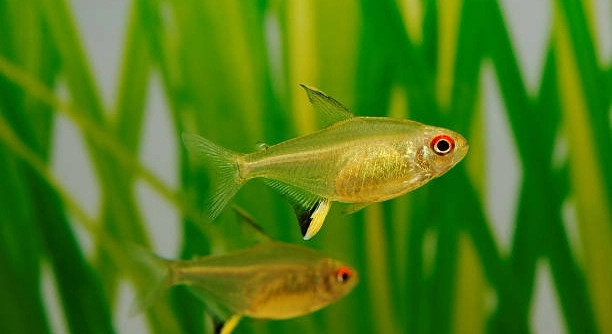
Lemon tetras are small, lively fish that bring color and movement to home aquariums. Many fishkeepers enjoy their presence but often wonder about the best setup to keep them healthy and comfortable. Maintaining the right environment is key.
Lemon tetras do not strictly require an airstone. They can thrive with adequate water movement and proper oxygenation through filtration. An airstone may provide additional circulation, but it is not essential for their health or survival.
Proper care and tank setup will help your lemon tetras thrive, and understanding these details ensures a happier, healthier aquarium for your tiny companions.
Understanding Lemon Tetra Breathing Needs
Lemon tetras are small fish that live comfortably in moderately stocked aquariums. Their breathing relies on oxygen dissolved in water, which is influenced by water temperature, movement, and filtration. Warmer water holds less oxygen, so proper care is essential. These fish swim in mid to top areas, making gentle water flow more suitable than strong currents. In nature, lemon tetras are found in slow-moving streams and rivers with plenty of plants and calm waters. Providing hiding spaces and plants in your tank can reduce stress, which also helps them breathe easily. Filtration systems create enough surface agitation to maintain oxygen levels without needing extra devices. Airstones add bubbles, which can improve circulation slightly, but they are not critical. Many aquarists successfully maintain healthy lemon tetras without an airstone by ensuring regular water changes and stable conditions. Monitoring your fish’s behavior is the best way to know if they are comfortable.
Even without an airstone, proper filtration usually keeps oxygen levels sufficient for healthy lemon tetras.
Observing lemon tetras can help identify issues before they become serious. They may gasp at the surface if oxygen is low, or become lethargic when stressed. Regular maintenance, including partial water changes, keeps the tank balanced and supports overall health. Plants, gentle filtration, and stable temperatures create a comfortable environment. Small adjustments, like slight water movement or minor changes in decoration, can make a noticeable difference. Understanding these factors ensures that your fish remain active, colorful, and healthy over time, even without extra equipment.
Airstones and Their Impact
Airstones create bubbles that help water circulate and slightly increase oxygen at the surface.
While airstones are not necessary for lemon tetras, they can have benefits. The bubbles create mild water movement, which may reduce dead zones in the tank where water is stagnant. Some aquarists prefer using an airstone to improve aesthetics, as the bubbles add a dynamic effect. Additionally, airstones can help distribute heat and nutrients evenly, which indirectly supports the fish’s well-being. If your tank is heavily stocked or warmer than usual, an airstone may provide peace of mind, ensuring oxygen levels remain stable. However, in a well-filtered and appropriately sized tank, lemon tetras thrive without this extra device. Monitoring fish behavior remains the most reliable method for assessing comfort. Choosing to use an airstone depends on personal preference and tank conditions rather than necessity. Proper care, attention to water quality, and a balanced environment are the keys to keeping lemon tetras healthy and stress-free.
Tank Setup for Lemon Tetras
Proper tank setup ensures lemon tetras remain healthy and active. They prefer calm water, live plants, and hiding spots. Filtration should provide gentle flow, and lighting should mimic natural conditions without stressing the fish. Water changes are important for maintaining oxygen and cleanliness.
A 20-gallon tank is often sufficient for a small school of lemon tetras. These fish do best in groups of six or more, which helps them feel secure and display natural behavior. Adding live plants like java moss or hornwort provides shelter and encourages swimming activity. Smooth decorations prevent injury, while substrate choice can affect plant growth and water quality. Filtration should balance water movement without creating strong currents that tire the fish. Keeping temperature between 72–79°F ensures comfort, while pH around 6.5–7.0 matches natural conditions. Monitoring water parameters regularly helps prevent stress and maintains overall health, reducing the need for extra equipment like airstones.
Regular maintenance of the tank supports stable oxygen levels. Partial water changes every week or two prevent waste buildup and ensure fish remain active. Even without an airstone, clean water and gentle circulation are sufficient. Observing fish behavior can signal if adjustments are needed, like repositioning plants or checking filter performance. A well-maintained tank allows lemon tetras to swim freely, interact naturally, and thrive in a stable environment.
Feeding and Oxygen Considerations
Feeding affects oxygen in the tank because uneaten food can decompose, lowering oxygen levels if not removed promptly.
Lemon tetras eat small flakes, micro pellets, and occasional live or frozen food. Overfeeding can lead to excess waste, which reduces water quality and oxygen availability. Feeding small amounts two to three times daily allows fish to consume food fully without leftovers. Rotating food types ensures proper nutrition and prevents boredom. A balanced diet contributes to overall health, supporting normal activity and breathing. Monitoring how quickly fish eat helps gauge appetite and tank conditions.
Ensuring oxygen stays stable involves both feeding habits and tank care. Removing uneaten food promptly prevents decomposition that can decrease oxygen levels. Live plants contribute oxygen during the day, while gentle filtration keeps water moving and distributes nutrients. Avoiding overcrowding ensures each fish has enough space to swim and breathe comfortably. Observing the fish after feeding provides insight into their health and comfort, showing whether adjustments in feeding or tank setup are needed. Maintaining consistent temperature and pH further supports proper oxygen levels. With proper care, lemon tetras thrive without an airstone while staying active and healthy.
Water Temperature and Flow
Lemon tetras prefer water temperatures between 72–79°F. Stable temperature helps their metabolism and breathing. Sudden changes can stress them and reduce oxygen efficiency.
Gentle water flow is ideal. Strong currents tire them out and force excessive energy use. Filtration should provide movement without overwhelming the fish.
Benefits of Live Plants
Live plants contribute to oxygen during daylight hours and provide shelter. They reduce stress and create natural hiding spots. Plants also help absorb some waste, which supports water quality and stable oxygen levels. Including a mix of floating and rooted plants benefits overall tank balance.
When to Use an Airstone
An airstone can help if oxygen levels drop in a warm or heavily stocked tank. It increases surface agitation and improves circulation. In most standard setups, lemon tetras do fine without it, but it provides extra assurance during stressful conditions.
FAQ
Do lemon tetras need an airstone all the time?
No, lemon tetras do not require an airstone constantly. They get enough oxygen from regular filtration and water movement in a properly maintained tank. Airstones can help in warmer water or heavily stocked tanks, but for standard setups, they are optional. Observing the fish’s behavior is the best guide.
Can airstones stress lemon tetras?
Yes, if the bubbles create strong currents, they can stress the fish. Lemon tetras prefer calm waters, so a high-output airstone near their swimming area may cause them to avoid certain parts of the tank. Placement and intensity matter if you decide to use one.
Will lemon tetras survive without live plants?
Yes, they can survive without plants, but plants improve water quality and oxygen levels. They also provide hiding spaces, reducing stress and encouraging natural behaviors. Using artificial decorations doesn’t replace the benefits of live plants completely.
How do I know if my tank has enough oxygen?
Watch your fish. Gasping at the surface, lethargy, or clustering near filters can indicate low oxygen. Regular water changes and proper filtration usually maintain adequate oxygen. Plants and gentle water movement also help keep oxygen levels stable.
Does tank size affect oxygen needs?
Absolutely. Smaller tanks can deplete oxygen faster, especially when crowded or overfed. A 20-gallon tank or larger for a small school of lemon tetras provides better stability. Larger tanks allow oxygen to distribute evenly and reduce stress.
Can overfeeding affect oxygen levels?
Yes. Uneaten food decomposes, consuming oxygen and reducing water quality. Feeding small amounts two to three times a day ensures all food is eaten, minimizing waste. Rotating food types keeps fish healthy without overloading the tank.
Is it safe to use multiple airstones?
Multiple airstones are safe if the bubbles do not create strong currents. In large or heavily stocked tanks, they can improve circulation and oxygenation. Placement should allow fish to swim freely without fighting the bubbles.
Do lemon tetras prefer surface or mid-level water?
They mostly swim in mid to upper levels. They occasionally come to the surface to feed or investigate, but constant gasping at the top indicates an issue with oxygen or water quality. Adjusting filtration or tank care can solve this.
How often should I monitor oxygen levels?
Daily observation of fish behavior is usually enough. Water tests for oxygen are optional unless the tank is very small, crowded, or warm. Regular maintenance like partial water changes ensures stable oxygen without constant testing.
Can I rely solely on an airstone for oxygen?
No, an airstone cannot replace filtration, proper tank care, or water changes. It helps circulation but does not remove waste or maintain water quality. Combining filtration, plants, and proper feeding is more effective for healthy lemon tetras.
Do lemon tetras need extra aeration in winter?
In heated indoor tanks, winter usually doesn’t affect oxygen if temperature remains stable. Low temperatures in unheated spaces can reduce activity, but standard care is sufficient. If a tank is warm and crowded, extra aeration may help.
Can over-circulation cause health issues?
Yes, strong currents can tire lemon tetras, increase stress, and suppress feeding. Positioning filters or airstones to provide gentle movement avoids these problems. Observing their swimming patterns ensures a comfortable environment.
Are there signs of oxygen stress other than gasping?
Lethargy, clamped fins, reduced feeding, and unusual clustering in one part of the tank indicate oxygen stress. Identifying these early allows adjustment in care, tank setup, or equipment before health deteriorates.
Does water temperature impact oxygen?
Yes. Warm water holds less oxygen, so higher temperatures increase the risk of low oxygen. Maintaining stable temperatures between 72–79°F helps lemon tetras breathe comfortably and reduces the need for extra aeration.
Can lemon tetras live in a tank with no surface agitation?
They can survive if the tank is well-maintained with regular water changes, gentle filtration, and moderate stocking. Some surface movement is naturally beneficial for oxygen exchange, but constant bubbling is not required.
Should I remove an airstone at night?
Not necessary. If bubbles are not disturbing the fish, leaving it on overnight is fine. In some setups, leaving it off during the night helps reduce noise and energy usage without affecting fish health.
How does plant choice affect oxygen?
Fast-growing plants like hornwort or anacharis produce more oxygen during the day. Floating plants provide cover and can shade the tank, which may indirectly reduce oxygen consumption by reducing stress. A mix of rooted and floating plants works best.
Is oxygen supplementation more important for new tanks?
Yes, new tanks often have low bacterial balance, and fish produce waste. Extra aeration, either with an airstone or surface agitation, can help maintain oxygen while the tank matures. Once stable, it may not be needed.
Do lemon tetras benefit from occasional water surface agitation?
Yes, gentle movement at the surface increases oxygen exchange without stressing the fish. Natural water movement created by filters or mild airstones is sufficient for most setups, supporting healthy swimming and activity.
How does tank crowding affect oxygen needs?
More fish consume more oxygen. Overcrowded tanks can quickly reduce oxygen and increase waste buildup. Maintaining appropriate stocking levels ensures that lemon tetras remain active, healthy, and comfortable without extra equipment.
What is the safest way to introduce an airstone?
Place it in an area with gentle water flow and away from hiding spots. Start with low output and monitor the fish’s reaction. Adjust positioning and bubble strength gradually to avoid stress while improving circulation.
Can lemon tetras adapt to tanks without airstones?
Yes, with proper filtration, stable water parameters, moderate stocking, and regular maintenance, lemon tetras thrive without airstones. Observing behavior and maintaining care routines ensures they remain healthy and comfortable.
Is it better to rely on natural oxygen or artificial methods?
Natural oxygen from plants, filtration, and water movement is usually sufficient. Artificial methods like airstones are supplementary and help in specific situations, such as high temperatures, overcrowding, or new tank setups. Proper care remains the priority.
Do lemon tetras need extra oxygen during feeding?
Not typically. As long as the tank is well-maintained, normal feeding does not reduce oxygen levels dangerously. Overfeeding, however, can indirectly lower oxygen due to decomposing food, so moderation is important.
Can high-intensity lighting affect oxygen?
Indirectly, yes. Intense lighting can increase water temperature, lowering oxygen levels. Plants may benefit from light, but monitoring temperature and adjusting lighting duration helps maintain a stable environment for the fish.
Are there alternatives to airstones for oxygen?
Yes. Stronger filtration, regular water changes, live plants, and proper tank maintenance can maintain oxygen levels effectively. An airstone is optional and primarily provides visual appeal or slight circulation improvement in specific cases.
How long should airstones last?
Airstones can last several months to a year depending on quality and maintenance. Cleaning or replacing them ensures continued performance and prevents blockage, maintaining gentle water movement without stressing lemon tetras.
Can lemon tetras survive in tanks with no plants or airstones?
Yes, they can survive if the tank is properly filtered, maintained, and not overcrowded. Plants and airstones enhance oxygen and comfort but are not strict requirements for survival when basic care is consistent.
What is the best overall strategy for oxygen management?
Maintain proper filtration, moderate stocking, stable temperature, and regular water changes. Include live plants if possible. Use an airstone only when additional circulation or oxygenation is needed. Observation of fish behavior ensures adjustments are timely and effective.
How often should airstones be cleaned?
Every few weeks, depending on mineral buildup or debris. Regular cleaning maintains bubble flow and prevents uneven circulation. Proper maintenance avoids stressing fish and ensures equipment continues to support tank oxygen levels efficiently.
Can stress affect oxygen consumption in lemon tetras?
Yes. Stressed fish breathe faster, consuming more oxygen. Providing calm water, hiding spots, and gentle flow helps reduce stress and maintains stable oxygen levels in the tank.
Are there signs that airstone placement is wrong?
Yes. Fish avoiding the bubbled area, clustering elsewhere, or showing erratic swimming indicates strong currents or stress. Adjusting position or reducing output solves the issue without harming the fish.
Do lemon tetras need oxygen testing kits?
Not usually. Observation of behavior and regular water maintenance is sufficient. Testing kits may be helpful in small, crowded, or unusually warm tanks to confirm oxygen levels remain safe.
How do partial water changes affect oxygen?
They remove waste and replenish oxygen naturally, helping maintain stable levels. Even without an airstone, consistent water changes are one of the most effective ways to support healthy lemon tetras.
Can lemon tetras adapt to different oxygen levels?
They tolerate slight variations but prefer stable, well-maintained conditions. Extreme changes, low oxygen, or sudden temperature shifts can stress them. Gradual adjustments and consistent care promote adaptation without health risks.
Is an airstone helpful in breeding tanks?
Yes, gentle aeration can help distribute oxygen evenly without disturbing fry. Strong currents should be avoided to protect delicate eggs and young fish while maintaining a healthy environment.
How does tank decoration affect oxygen flow?
Dense decorations or clutter can create stagnant areas with lower oxygen. Placing plants, rocks, and ornaments strategically ensures water circulates freely, supporting healthy swimming areas and minimizing dead zones.
Do lemon tetras need more oxygen at night?
Not significantly. Oxygen demand is slightly lower at night due to reduced activity, but regular tank maintenance and plants provide sufficient oxygen for overnight conditions.
Can over-filtering harm oxygen balance?
Too strong a filter can create excessive current, stressing fish. It may also surface water in a way that disturbs plants. Properly balanced filtration maintains circulation and oxygen without creating turbulence or stress.
Should I adjust oxygen levels for seasonal changes?
Only if temperature or tank conditions fluctuate significantly. In controlled indoor tanks, seasonal changes rarely affect oxygen. Monitoring fish behavior is a more reliable indicator than seasonal assumptions.
Are small airstones better for lemon tetras?
Yes, smaller airstones produce gentle bubbles that minimally disturb the fish while providing circulation and slight oxygenation. Placement and output should be carefully adjusted for comfort.
Can oxygen levels affect fish color?
Yes. Low oxygen and stress can dull coloration. Maintaining proper oxygen through care, filtration, and plants helps lemon tetras display vibrant colors and healthy activity.
Do lemon tetras need airstones in heavily planted tanks?
Not usually. Plants produce oxygen during daylight, and gentle filtration ensures circulation. Airstones may add extra bubbles for aesthetics but are rarely necessary in well-planted tanks.
How long does it take for oxygen levels to stabilize after a change?
Typically a few hours to a day, depending on tank size, filtration, and plant activity. Observing fish behavior ensures conditions are back to normal before making further adjustments.
Can high stocking density require multiple airstones?
Potentially. More fish consume more oxygen, and multiple airstones can increase circulation. However, careful placement and gentle flow are essential to prevent stress or excessive currents in the tank.
Do lemon tetras benefit from occasional water agitation?
Yes. Light surface movement improves oxygen exchange without disturbing swimming. Filtration or gentle bubbles from an airstone can accomplish this, maintaining comfort in most setups.
Can oxygen deficiency cause disease?
Yes. Low oxygen weakens the immune system, making fish more prone to infections. Consistent care, water changes, and proper oxygen management reduce the risk of disease.
Is bubble size important in airstones?
Yes. Smaller bubbles circulate water gently and increase surface area for oxygen exchange. Large bubbles may create strong currents that stress lemon tetras. Selecting the right size ensures both efficiency and comfort.
Do lemon tetras prefer calm or aerated areas?
They prefer calm water with gentle flow. Strong aeration may be avoided by the fish. Observing swimming patterns helps determine the best placement of any airstones or filters.
Can frequent water testing improve oxygen management?
It helps in special circumstances like crowded tanks or new setups. Daily observation is usually enough, but testing provides objective data to confirm oxygen remains safe for lemon tetras.
Should I combine plants and an airstone?
Yes, combining them can create a balanced environment. Plants contribute oxygen naturally, while an airstone adds mild circulation and prevents stagnant zones without harming the fish.
Does tank temperature affect airstone efficiency?
Yes. Higher temperatures reduce dissolved oxygen, making an airstone slightly more helpful. In cooler tanks, the difference is minimal, and plants plus filtration usually maintain oxygen sufficiently.
Can lemon tetras adjust to airstone use gradually?
Yes. Introduce gentle bubbles slowly to allow them to acclimate. Sudden strong aeration can cause stress, so gradual adjustment ensures comfort and natural swimming behavior.
Are airstones necessary for small tanks?
Not always. Small tanks with proper filtration and careful maintenance can maintain sufficient oxygen. Airstones are optional and mainly helpful when water is warm, crowded, or stagnant.
How do I balance airstones and filtration?
Ensure filters provide adequate water movement without creating strong currents, while airstones add gentle circulation. Observing fish behavior ensures both devices support comfort rather than stress.
Can lemon tetras survive in low-oxygen conditions temporarily?
Yes, briefly, but prolonged low oxygen causes stress and health problems. Immediate adjustments in care, water changes, or circulation are necessary to prevent long-term damage.
Does fish activity influence oxygen needs?
Yes. More active fish consume more oxygen. Lemon tetras are lively swimmers, so maintaining stable water conditions ensures they have enough oxygen to stay healthy.
Can airstones prevent oxygen depletion in new tanks?
They can help by increasing surface agitation, but regular water changes and careful stocking are more important. Airstones supplement oxygen but do not replace basic tank care.
Are there risks to using too many airstones?
Yes. Excess bubbles can create strong currents and stress the fish. Proper placement and moderate output are essential for maintaining comfort and natural behavior in lemon tetras.
Do lemon tetras need different oxygen levels than other small fish?
They require similar levels to other small tropical fish. Stable care, proper filtration, and occasional plant supplementation usually meet their oxygen needs without special equipment.
Can lemon tetras thrive in tanks without any artificial aeration?
Yes, with proper care, filtration, moderate stocking, and regular water changes. Observing behavior and maintaining water quality ensures they remain healthy and active without airstones or other devices.
What is the easiest way to maintain stable oxygen levels?
Focus on consistent tank maintenance, balanced feeding, proper filtration, moderate stocking, and plants. Airstones are optional, used mainly for additional circulation or in special conditions, rather than as a requirement.
Do stress and overcrowding have the same effect on oxygen?
Indirectly, yes. Stress increases oxygen consumption, while overcrowding reduces available oxygen. Both can harm health, so monitoring behavior and tank conditions ensures lemon tetras thrive safely.
How do I know if an airstone is helping?
Observe fish behavior and swimming patterns. If fish appear more active and avoid clustering at the surface, circulation is sufficient. Adjust placement and output if bubbles create stress or strong currents.
Is it possible to over-oxygenate a tank?
Over-oxygenation is rare in small tanks. Excessive bubbles may disturb fish or plants, but oxygen levels themselves typically remain within safe ranges. Gentle aeration is best.
Can lemon tetras recover from temporary low oxygen?
Yes, if corrected quickly. Partial water changes, improved filtration, or mild airstones restore oxygen. Prolonged low oxygen can cause lasting stress or health issues, so timely action is important.
Are there long-term benefits of using an airstone?
Long-term, airstones provide mild circulation and can prevent stagnant areas. They are not essential for survival but can complement filtration and plant oxygenation in certain tank conditions.
Do lemon tetras need monitoring more in winter or summer?
Summer may require closer monitoring if water warms and oxygen decreases. Winter usually poses less risk in heated indoor tanks. Daily observation remains the best method regardless of season.
Can airstones improve overall tank health?
They support circulation and surface oxygen exchange, but tank health depends more on filtration, plants, water changes, and proper care. Airstones are supplementary, not a replacement.
What is the best placement for an airstone?
Near the middle or side of the tank, away from hiding spots and main swimming areas, ensures gentle circulation without stressing the fish. Adjust output gradually to match tank conditions.
Are there alternatives to airstones for new tanks?
Yes. Strong filtration, regular water changes, and live plants provide oxygen efficiently. Airstones are optional and mainly help in specific conditions like crowded, warm, or immature tanks.
How do I know when to remove or add an airstone?
Observe fish behavior. Avoiding bubbles or erratic swimming indicates stress and may require removal. If fish gasp or cluster at the surface, gentle aeration can help. Adjust based on tank needs rather than set schedules.
Do lemon tetras ever need oxygen supplements in planted tanks?
Rarely. Plants provide enough oxygen during daylight, and gentle filtration maintains circulation. Supplements like airstones are optional, mainly for added safety in crowded or warm conditions.
Can an airstone replace proper care?
No. Regular maintenance, water changes, balanced feeding, and filtration remain essential. Airstones only provide supplementary circulation and slight oxygen improvement, not a substitute for good care.
Do juvenile lemon tetras have different oxygen needs?
Juveniles are more sensitive to low oxygen due to smaller body size and higher metabolism. Maintaining stable water, proper filtration, and gentle circulation ensures young fish develop healthily without extra stress.
Can oxygen levels affect breeding success?
Yes. Adequate oxygen supports healthy behavior and metabolism, which improves breeding conditions. Insufficient oxygen can stress adults, reduce activity, and lower the chance of successful spawning.
Are there signs that plants alone are enough for oxygen?
Fish swimming normally, not clustering at the surface, and active feeding indicate sufficient oxygen from plants and filtration. Additional aeration may not be needed in stable, well-maintained tanks.
Is monitoring fish behavior more effective than measuring oxygen chemically?
Yes. Observing activity, swimming patterns, and surface behavior provides immediate insight. Chemical tests are helpful for precision, but daily observation is usually sufficient to maintain proper oxygen.
Do lemon tetras need more oxygen than other tetras?
No. Their needs
Lemon tetras are small, lively fish that are fairly easy to care for when their tank environment is stable and well-maintained. They do not strictly require an airstone, as regular filtration, gentle water movement, and clean water usually provide sufficient oxygen for their needs. Observing the fish’s behavior is the most reliable way to know if they are comfortable. Active swimming, normal feeding, and evenly distributed swimming patterns indicate that oxygen levels and overall tank conditions are suitable. Even without an airstone, lemon tetras can thrive in a properly maintained aquarium with moderate stocking, regular water changes, and stable temperature and pH.
Live plants can play a significant role in supporting a healthy environment for lemon tetras. They provide oxygen naturally during the day, create hiding spaces that reduce stress, and help absorb waste products that could otherwise impact water quality. Including a mix of rooted and floating plants allows for better water circulation and gives the fish areas to explore and hide. While airstones can be used to add gentle circulation or for aesthetic purposes, they are not essential if the tank is well-planted and the filter maintains moderate water movement. Lemon tetras generally prefer calm waters, and excessive bubbles or strong currents may cause unnecessary stress. Balancing tank decorations, plants, and water flow ensures a comfortable space for these small fish without relying on extra aeration.
Proper feeding and consistent tank maintenance remain key factors in keeping lemon tetras healthy. Overfeeding or leaving uneaten food in the tank can reduce oxygen levels and water quality, so feeding small portions that the fish can consume within a few minutes is ideal. Partial water changes on a regular schedule help remove waste and replenish oxygen naturally. Monitoring temperature, pH, and fish behavior is also important, as changes in any of these areas can affect oxygen availability. When extra aeration is needed, airstones or surface agitation can be introduced carefully, ensuring bubbles do not create strong currents. By focusing on stable care, balanced feeding, and maintaining a clean and calm environment, lemon tetras can live happily and healthily, with or without an airstone, making them a rewarding addition to a home aquarium.

Hello,
If you enjoy the content that we create, please consider saying a "Thank You!" by leaving a tip.
Every little bit helps us continue crafting quality advice that supports the health, happiness, and well-being of pets around the world, for pets of all shapes, sizes, and species.
We really appreciate the kindness and support that you show us!