
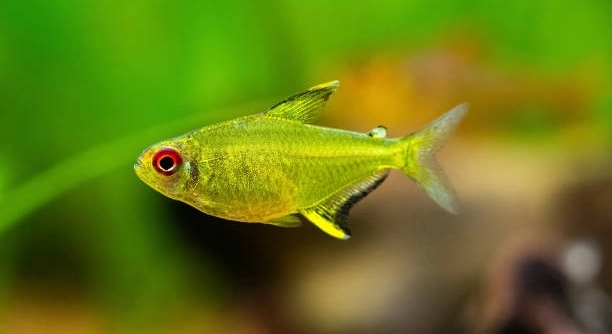
Do you ever notice your Lemon Tetra swimming alone, separated from its group, and wonder if it feels the absence of companionship? These small, colorful fish are social creatures that thrive in a lively school, moving together in harmony.
Lemon Tetras can experience stress and behavioral changes when kept in isolation. Maintaining a group of at least six ensures social interaction, reduces anxiety, and supports natural swimming and feeding behaviors essential for their well-being.
Knowing how these fish interact can help you create a happier, healthier aquarium environment for them to flourish and display their natural behaviors.
How Lemon Tetras Behave in Groups
Lemon Tetras naturally swim in schools, moving in synchronized patterns that help them feel secure. Observing them in a proper group, you notice how they flash their yellow stripes and glide calmly among plants and decorations. Without companions, these fish may become withdrawn, hiding behind rocks or plants, or may even stop eating regularly. Their social structure allows them to establish a sense of safety and hierarchy without aggression. Adding more Tetras gradually encourages natural swimming patterns, with some leading and others following, creating a lively but balanced dynamic. You may see certain individuals become bolder, exploring the aquarium while others stay close to the middle of the group. Over time, their colors brighten, and activity levels increase when they feel part of a school. Proper lighting, gentle filtration, and plants enhance this sense of community, supporting healthy behavior and reducing stress in each fish.
Group swimming encourages calm, natural behavior and helps prevent isolation stress.
When Lemon Tetras are in a school, their movements become coordinated, reducing stress and creating a visually appealing display in your tank. A balanced group supports feeding habits, lowers aggression, and helps them respond better to environmental changes. Properly sized groups also allow weaker or smaller fish to integrate safely, while more confident individuals lead without dominating the entire tank. Over time, this harmony improves overall health and longevity.
Signs of Loneliness in Lemon Tetras
A lonely Lemon Tetra may hide often or swim erratically.
Behavioral changes are the clearest indicators of loneliness. Fish may lose their bright coloration, eat less, or appear restless, swimming back and forth along the glass. They may also become more timid around other tank mates, avoiding open spaces and remaining near decorations. Stress from isolation can increase susceptibility to illness, making them more vulnerable to common aquarium diseases. Monitoring your fish closely helps you spot these signs early. Introducing more Tetras gradually can reverse these behaviors.
Observing tank behavior is key to maintaining a healthy school. When you notice signs of withdrawal, it is often a signal that the fish needs more social interaction. Grouping Tetras in even numbers allows them to develop a natural hierarchy and display normal swimming patterns. Proper tank design with plants, hiding spots, and open swimming areas encourages interaction while giving shy fish a place to retreat. Feeding routines can also support social dynamics, as Tetras tend to feed together and follow each other to food sources. By adjusting the number of fish and the environment thoughtfully, you can restore balance, reduce stress, and ensure that each Lemon Tetra thrives in a comfortable, stimulating aquarium.
Creating a Comfortable Environment
Providing enough space in the tank helps Lemon Tetras feel safe and reduces stress. Dense plantings, open swimming areas, and gentle water flow create a balanced environment where they can interact naturally and maintain healthy social behavior.
Lemon Tetras respond well to plants, driftwood, and hiding spots that mimic their natural habitat. These features allow shy fish to retreat when needed, while more confident fish explore freely. A tank of at least 20 gallons for a small group ensures that each fish has enough space to swim without feeling crowded. Maintaining stable water conditions with regular testing and gentle filtration supports their overall health. Temperature, pH, and cleanliness all play a role in reducing stress. By combining appropriate tank size with thoughtful decor, the fish feel secure and display natural, lively movements.
Lighting and tank arrangement impact Tetras’ daily activity. Soft, consistent lighting encourages normal feeding and swimming patterns, while uneven lighting or sparse decorations can make fish hide excessively. Group behavior improves when they feel a sense of security, allowing individuals to interact without fear. Proper placement of plants and rocks helps create territories and reduces conflict. This environment supports schooling behavior, reduces stress-induced illnesses, and enhances coloration. Observing how the fish use the space allows you to adjust features gradually, improving comfort. A well-arranged tank contributes to both their physical health and their social interactions, helping them thrive in captivity.
Feeding and Social Interaction
Feeding together strengthens social bonds and encourages healthy schooling.
Lemon Tetras eat small flakes, micro pellets, and occasional live food. Feeding at the same time each day allows the group to gather and interact, reinforcing social behavior. Observing their interactions during feeding can reveal shy or stressed individuals who may need additional care. Providing variety in diet supports health and prevents boredom. Uneaten food should be removed to maintain water quality, and spacing out feeding areas helps reduce competition. Feeding routines also let you monitor the group’s hierarchy and ensure all fish get enough nutrition.
Social dynamics become clearer during feeding times. In a proper group, dominant Tetras may take the lead, while timid individuals follow or stay slightly back. Gradually, fish adjust to each other’s presence, establishing routines without excessive aggression. Rotating food types and placement encourages movement and exploration, keeping the group active. Watching their behavior can indicate whether the tank size and group number are adequate. When Tetras are comfortable, feeding becomes a social activity that reduces stress, improves color vibrancy, and supports growth. Maintaining consistent water conditions alongside this routine ensures that nutritional and environmental needs are met, creating a thriving community.
Ideal Group Size
Keeping at least six Lemon Tetras together helps maintain natural schooling behavior. Smaller groups can lead to stress, hiding, and reduced activity.
A larger group of eight to twelve allows the fish to spread out, follow each other, and interact comfortably. This prevents loneliness and encourages healthy swimming patterns.
Monitoring Behavior
Observe the fish daily for signs of stress or isolation. Shy fish may hide or avoid the group, while healthy Tetras swim actively together. Adjust tank conditions, group size, or decorations if unusual behavior appears to maintain harmony and well-being.
Tank Conditions
Stable water temperature, pH, and low ammonia levels are essential. Lemon Tetras thrive in slightly acidic to neutral water, ideally 24–27°C, with regular partial water changes. Maintaining clean, consistent conditions reduces stress and supports their natural behavior in the school.
FAQ
Can Lemon Tetras be kept alone?
Lemon Tetras should not be kept alone. These fish are social and rely on a group to feel secure. A single tetra can become stressed, hide frequently, and stop eating, which may lead to health problems. A small school of six or more is ideal for their well-being.
How many Lemon Tetras make a proper group?
A minimum of six Lemon Tetras creates a stable group. Eight to twelve is preferable, as this allows natural schooling behavior to form, ensures social interaction, and reduces stress. Larger groups improve activity levels, color vibrancy, and feeding behavior, making them healthier overall.
What are the signs a Lemon Tetra is lonely?
Signs of loneliness include hiding behind plants or decorations, swimming erratically, losing color, or refusing food. Lonely tetras may also appear more timid or avoid other fish. Regular observation helps catch these behaviors early, so adjustments in group size or tank setup can be made.
Does tank size affect social behavior?
Yes, tank size directly impacts social behavior. Small tanks restrict swimming space, which can lead to stress and aggression. A tank of at least 20 gallons for six or more tetras provides room for schooling, exploring, and maintaining natural swimming patterns without overcrowding.
What tank decorations help reduce loneliness?
Dense plants, driftwood, and hiding spots help Lemon Tetras feel secure. These features provide refuge for shy individuals while giving others space to swim freely. Proper placement encourages natural interaction and reduces stress, supporting healthy social behavior and more vibrant activity in the group.
How often should Lemon Tetras be fed?
Feed Lemon Tetras small amounts two to three times a day. A varied diet of flakes, micro pellets, and occasional live or frozen foods keeps them healthy and active. Feeding together encourages schooling and reduces stress, while uneaten food should be removed to maintain water quality.
Do water conditions influence social interaction?
Stable water parameters are crucial. Lemon Tetras thrive in slightly acidic to neutral water with a temperature between 24–27°C. Fluctuating conditions can stress fish, reducing activity and schooling behavior. Regular testing and partial water changes maintain a healthy environment, ensuring proper social dynamics.
Can Lemon Tetras recover from isolation?
Yes, they can. Gradually adding them to a group and maintaining proper tank conditions allows previously isolated tetras to reintegrate. Monitor interactions to prevent bullying and ensure all individuals eat properly. Over time, their color, behavior, and activity levels usually return to normal.
Are Lemon Tetras compatible with other fish?
They are peaceful and can coexist with other non-aggressive species. Compatibility is easier in a well-planted tank with enough space to allow each fish to establish territory and avoid stress. Aggressive or much larger fish may intimidate tetras and disrupt schooling behavior.
Does lighting affect group behavior?
Yes, consistent, soft lighting encourages normal activity and feeding patterns. Sudden bright lights or dark conditions can stress the group, causing hiding or erratic swimming. Arranging the tank with shaded areas and open swimming space helps tetras interact naturally while feeling secure.
How can I tell if the group size is correct?
If tetras swim actively together, maintain vibrant colors, and eat normally, the group size is likely appropriate. Signs of overcrowding include constant chasing, stress behaviors, or uneven coloration. Observing daily behavior allows adjustments to group size or tank setup for better harmony.
What role does water flow play in schooling?
Gentle water flow mimics natural conditions and encourages healthy swimming patterns. Strong currents can stress tetras, causing them to cling to hiding spots, while still water may reduce activity. Balanced flow promotes interaction and coordination among school members, improving overall well-being.
Is it necessary to introduce new tetras gradually?
Yes, gradual introduction helps prevent stress and aggression. Quarantine new fish briefly and add them slowly to the established group. This allows the school to adjust, reduces fighting, and supports natural social hierarchy development while keeping all fish healthy.
How can I reduce stress during feeding?
Distribute food across different areas of the tank to minimize competition. Observe shy fish to ensure they eat. Regular feeding times and a consistent routine help tetras feel secure and reinforce group behavior, keeping the school active and harmonious.
What is the best temperature for social behavior?
Maintaining a stable temperature between 24–27°C supports normal activity and schooling. Sudden drops or increases in water temperature can stress fish, reduce interaction, and cause hiding. Consistency in heating helps all tetras feel comfortable and maintain natural behavior.
How important is water quality for group harmony?
Very important. High ammonia, nitrite, or nitrate levels can stress fish, causing hiding, loss of color, or aggression. Regular partial water changes and filtration maintain a clean environment, allowing tetras to focus on swimming and social interaction instead of coping with poor water conditions.
Can stressed Lemon Tetras harm each other?
Stress may increase minor aggression, such as chasing or nipping fins. This is more common in small or overcrowded tanks. Maintaining proper group size, hiding spots, and stable water conditions reduces stress and helps the school interact peacefully.
Do tetras need plants for mental stimulation?
Yes, plants provide hiding spots and encourage exploration. They reduce stress and give shy fish a place to retreat, promoting confidence. Well-planted tanks support social interaction, proper schooling, and natural behavior patterns that are crucial for a happy group.
How quickly do tetras adapt to a new group?
Adaptation varies but generally takes several days to a few weeks. Gradual introduction, stable tank conditions, and observing behavior ensure that all fish integrate successfully, reducing stress and allowing the school to establish normal social patterns naturally.
What are common mistakes to avoid for schooling behavior?
Common mistakes include keeping too few tetras, overcrowding the tank, sudden water changes, inconsistent feeding, and aggressive tank mates. These issues disrupt schooling, increase stress, and can lead to illness. Careful monitoring and maintenance help prevent these problems and support a healthy, active group.
This FAQ addresses the most common concerns about Lemon Tetra social behavior, ensuring their health and happiness in an aquarium.
Lemon Tetras are small, lively fish that thrive in groups. Keeping them alone or in very small numbers can lead to stress, hiding, and a loss of natural behavior. A proper group allows them to swim together, follow each other, and interact in ways that are normal for their species. Their bright colors become more visible, and their activity levels increase when they feel secure with others. Observing a school of Lemon Tetras is satisfying because they move in sync, respond to changes in the tank, and establish subtle social patterns. Even simple actions, like feeding or exploring a new decoration, are more natural and balanced in a group.
The tank environment plays a major role in their well-being. Plants, driftwood, and hiding spots give shy tetras places to retreat while allowing others to swim freely. Proper lighting and gentle water flow also help them feel comfortable and reduce stress. Regular water maintenance, including monitoring pH, temperature, and ammonia levels, supports both health and social behavior. Feeding routines can encourage interaction within the school, as they gather together at feeding time. By arranging the tank thoughtfully and keeping a stable environment, each Lemon Tetra can display natural movement, healthy coloration, and confident social behavior.
Maintaining a proper group size is just as important as the tank setup. At least six tetras are recommended, though eight to twelve is ideal for observing full schooling behavior. Gradual introductions of new fish help prevent aggression, while consistent care supports the group’s overall harmony. Watching the fish daily allows you to notice signs of stress, loneliness, or illness early. Adjustments in decorations, group size, or feeding methods can make a noticeable difference in behavior. With the right combination of social group, tank design, and stable water conditions, Lemon Tetras can live active, healthy lives and display the lively, coordinated swimming patterns that make them enjoyable to keep in an aquarium.

Hello,
If you enjoy the content that we create, please consider saying a "Thank You!" by leaving a tip.
Every little bit helps us continue crafting quality advice that supports the health, happiness, and well-being of pets around the world, for pets of all shapes, sizes, and species.
We really appreciate the kindness and support that you show us!