
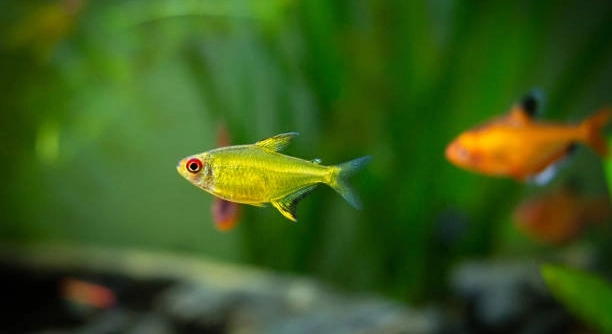
Are your arowana swimming around the tank but avoiding the heater zone? Observing your fish’s behavior can be worrying, especially when they seem to ignore the warmest part of their environment. Small changes may indicate underlying issues.
Arowanas often avoid the heater zone due to improper water temperature, stress, or poor water quality. Ensuring the heater is functioning correctly, maintaining stable temperature, and monitoring water parameters can help promote a more balanced and comfortable habitat.
Understanding why your arowana avoids the heater zone can improve its overall well-being and help maintain a healthy, stress-free aquarium environment for years to come.
Common Reasons Arowanas Avoid the Heater Zone
Arowanas are sensitive fish that respond strongly to their environment. One common reason they avoid the heater zone is uneven water temperature. If the water near the heater is too warm, they may swim to cooler areas to maintain comfort. Stress also plays a significant role. Sudden changes in lighting, tank decorations, or frequent disturbances can make them seek safer, calmer spots away from the heater. Poor water quality can contribute as well. High levels of ammonia, nitrites, or nitrates create an uncomfortable environment, causing arowanas to avoid certain areas. Additionally, the heater itself may be malfunctioning, producing inconsistent heat. Observing your fish’s daily patterns can help identify if temperature, stress, or water quality is affecting behavior. Regular monitoring ensures the arowana remains healthy and active. Adjustments to the heater placement and water conditions often resolve avoidance issues, restoring balance in the tank.
Consistent observation is key to understanding your arowana’s preferences and maintaining a comfortable habitat.
Regular tank maintenance and monitoring of water temperature, pH, and cleanliness will encourage your arowana to explore all areas of the tank freely.
How to Correct the Issue
Start by checking the heater for proper functionality and even heat distribution throughout the tank. A reliable thermometer helps confirm accurate temperatures, avoiding excessively warm zones that can stress the fish. Adjusting the heater’s position or using a water circulation pump can promote uniform temperature. Maintaining optimal water quality is equally important. Perform regular water changes and test for ammonia, nitrites, nitrates, and pH levels. Stress reduction is another factor. Minimize sudden changes, provide hiding spots, and avoid tapping or startling the tank. Ensuring your arowana has sufficient space and proper tank mates can also reduce anxiety. Feeding schedules influence behavior as well; overfeeding or inconsistent feeding can create discomfort that causes avoidance. By addressing temperature, water quality, and stress factors, your arowana will feel more comfortable near the heater zone, restoring natural swimming patterns and overall well-being.
With careful adjustments, your arowana can regain confidence in its environment. Observing small changes can prevent further behavioral issues and support long-term health.
Adjusting Water Temperature
Arowanas prefer stable temperatures between 75 and 82°F. Sudden changes can make them avoid the heater zone. Using a reliable thermometer and adjusting the heater gradually helps maintain consistent warmth throughout the tank. Small steps prevent stress and keep the fish active.
Gradual adjustments are essential when correcting temperature issues. Sudden increases or decreases in water temperature can shock your arowana, causing it to hide or stay in cooler areas. If the heater is too close to the surface or tank decorations, it can create hot spots. Relocating the heater slightly or adding a circulation pump helps distribute warmth evenly. Consistency in temperature encourages normal swimming patterns and reduces stress-related avoidance behaviors.
Monitoring daily behavior provides clues about temperature comfort. If your arowana spends most of its time near the cooler end, it signals overheating near the heater. Regular checks and small corrections make the environment more predictable and secure. Proper placement, stable settings, and gentle circulation prevent temperature-related avoidance.
Reducing Stress Factors
Stress is a major reason arowanas avoid the heater zone. Bright lights, loud noises, or frequent tank movement can make them uncomfortable. Providing hiding spots and stable surroundings reduces anxiety and encourages exploration.
Minimizing stress begins with observing your tank environment closely. Avoid tapping the glass or sudden changes in lighting. Ensure the aquarium has enough space for your arowana to swim freely and consider tank decorations that offer shelter. The presence of aggressive tank mates can also increase stress, so monitor interactions and separate if needed. Stress can lead to health problems if not addressed promptly, making it essential to maintain calm and stable conditions.
Feeding routines influence stress levels as well. Overfeeding or inconsistent meal times can make your arowana anxious and avoid certain areas. Providing a predictable schedule and balanced diet helps create a calmer, more comfortable environment. Consistent care, environmental stability, and proper tank setup reduce stress and promote natural behavior near the heater zone.
Ensuring Proper Water Quality
Maintaining clean water is essential for your arowana’s comfort. High levels of ammonia, nitrites, or nitrates can make the heater zone unappealing. Regular water testing and partial water changes help keep the tank safe and healthy for swimming throughout.
Filtration plays a key role in water quality. A reliable filter removes debris, excess food, and harmful chemicals, reducing stress. Checking and cleaning the filter regularly ensures it functions efficiently. Combining proper filtration with routine water changes creates a stable environment where your arowana feels secure near all areas, including the heater zone.
Observing Behavior Patterns
Tracking your arowana’s daily movements can reveal stress or discomfort. Note where it spends most time and how it reacts to tank changes.
Heater Placement Tips
Position the heater away from high-traffic areas or decorations. Even heat distribution encourages your arowana to use the zone safely.
FAQ
Why does my arowana avoid the heater zone even though it seems warm enough?
Even if the water near the heater feels warm, uneven heat distribution can create hot spots that make your arowana uncomfortable. The fish may swim to cooler areas to regulate body temperature. Using a thermometer to check multiple locations in the tank ensures consistent warmth. Proper heater placement and gentle water circulation can resolve this issue and encourage balanced swimming.
Can water quality affect my arowana’s choice of location?
Yes. Poor water quality with high ammonia, nitrites, or nitrates can make any part of the tank unappealing. Arowanas avoid areas that feel unsafe, including the heater zone if toxins accumulate there. Regular testing, filtration, and partial water changes help maintain a clean, safe environment.
Does stress make my arowana avoid the heater?
Stress is a major factor. Sudden changes in lighting, tank decorations, or frequent disturbances can make your fish seek calmer zones. Providing hiding spots, minimizing sudden movements, and keeping tank conditions stable help your arowana feel more comfortable near the heater.
Could the heater itself be a problem?
Yes. A malfunctioning heater may overheat or underheat small areas, causing discomfort. Check the heater’s accuracy with an independent thermometer. Replace or reposition it if needed to ensure even, safe temperature distribution. Avoid heaters that create sharp temperature gradients.
How do tank mates affect heater zone behavior?
Aggressive or overly active tank mates can stress your arowana. This may lead it to avoid certain areas, including the heater zone. Observe interactions carefully and separate fish if necessary. A peaceful environment encourages your arowana to explore all parts of the tank.
Does feeding influence heater zone avoidance?
Inconsistent feeding schedules or overfeeding can make your arowana restless or uncomfortable. A balanced diet and predictable meal times reduce stress and encourage exploration of the entire tank, including the heater zone.
Can water circulation help?
Yes. Poor circulation can create hot or cold spots near the heater. Adding a gentle water pump or adjusting the filter flow helps even out temperature, making the heater zone more inviting.
Is it normal for arowanas to occasionally avoid the heater?
Occasional avoidance is normal. Fish may explore cooler areas for variety or rest. Persistent avoidance, however, signals environmental issues such as temperature fluctuations, poor water quality, or stress that need attention.
How quickly can I correct this behavior?
Correction depends on the underlying cause. Fixing temperature issues or improving water quality can show results in a few days. Reducing stress factors and adjusting tank conditions may take longer, but consistent care ensures your arowana returns to normal patterns.
Are there signs of illness linked to heater avoidance?
Sometimes. If your arowana shows lethargy, loss of appetite, or unusual swimming patterns along with avoiding the heater, illness may be present. Monitor closely and consult an aquatic veterinarian if symptoms persist, while also addressing environmental conditions.
What maintenance schedule helps prevent avoidance behavior?
Regular water testing, weekly partial water changes, and filter cleaning help maintain stable, healthy conditions. Check heater performance monthly and observe daily behavior to catch issues early. Consistent care reduces stress and encourages natural use of all areas, including the heater zone.
Can seasonal changes affect behavior?
Yes. Room temperature fluctuations can alter tank water temperature, even with a heater. Adjust heater settings as needed to maintain consistent warmth. Monitoring seasonal variations prevents your arowana from avoiding the heater zone due to discomfort.
Do decorations near the heater impact fish behavior?
They can. Decorations or plants placed too close may block heat or create shadows that feel unsafe. Rearranging items for open space and better circulation can make the heater zone more comfortable and encourage your arowana to spend time there.
Is it necessary to have multiple thermometers in the tank?
It is helpful. One thermometer may not reveal temperature gradients. Placing multiple thermometers in different areas shows where heat is uneven. This allows you to adjust the heater and circulation for a consistent environment that your arowana will use confidently.
How important is water hardness and pH for heater zone comfort?
Water parameters matter. Arowanas prefer slightly acidic to neutral water with stable hardness. Extreme or fluctuating levels can make areas near the heater less comfortable. Regular testing and gradual adjustments ensure a stable habitat that supports natural swimming behavior.
Final Thoughts
Ensuring your arowana feels comfortable in all parts of its tank is essential for its health and well-being. Avoidance of the heater zone often signals that something in the environment is not ideal. Temperature fluctuations, poor water quality, and stress are the main factors that influence this behavior. Arowanas are sensitive fish that rely on a stable, predictable environment to thrive. Monitoring their daily habits and observing which areas they prefer can reveal underlying issues that may not be immediately obvious. Small adjustments, such as checking the heater, improving water circulation, or rearranging tank decorations, can have a significant impact on encouraging natural swimming patterns. Consistency is key, and gradual changes are far more effective than sudden adjustments, which can further stress the fish. By paying close attention to these factors, you create a safe and comfortable habitat where your arowana can explore freely and maintain optimal health.
Water quality plays a critical role in your arowana’s comfort. High levels of ammonia, nitrites, or nitrates can make even warm areas of the tank uninviting. Regular water testing and partial water changes are essential for maintaining a safe environment. A reliable filter helps remove debris and harmful chemicals while keeping the water clear and stable. Beyond cleaning, maintaining proper pH levels and water hardness supports your fish’s natural preferences and overall well-being. Stress from aggressive tank mates, inconsistent feeding schedules, or sudden environmental changes can also cause avoidance behaviors. Providing hiding spots and minimizing disturbances encourages your arowana to use all areas of the tank, including the heater zone. Simple steps, such as adjusting lighting or ensuring calm surroundings, can make a noticeable difference in behavior. These small but consistent efforts allow your arowana to feel secure and reduce anxiety that may interfere with normal swimming and feeding patterns.
Temperature management is another key aspect. Even minor fluctuations can affect an arowana’s choice of location. Using multiple thermometers to check different areas of the tank ensures even heat distribution and prevents the formation of hot or cold spots. A water circulation pump can help maintain uniform warmth while preventing stagnant areas near the heater. Avoid positioning the heater where it creates extreme temperature gradients, and make adjustments gradually to avoid shocking the fish. Observing your arowana’s response to these changes provides insight into its comfort level and highlights areas that may still need improvement. By addressing temperature, water quality, and stress factors together, you create an environment that promotes healthy behavior and reduces avoidance of the heater zone. Taking these steps not only improves immediate comfort but also supports long-term health and a balanced, active lifestyle for your arowana in its home aquarium.

Hello,
If you enjoy the content that we create, please consider saying a "Thank You!" by leaving a tip.
Every little bit helps us continue crafting quality advice that supports the health, happiness, and well-being of pets around the world, for pets of all shapes, sizes, and species.
We really appreciate the kindness and support that you show us!