
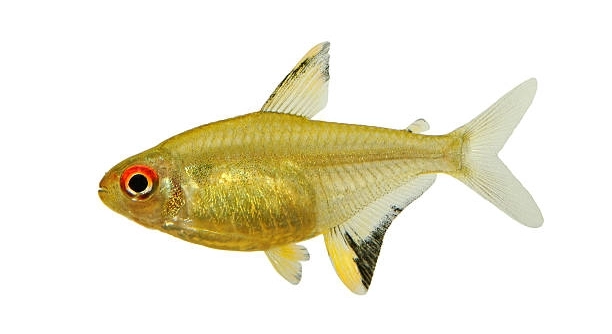
Have you ever noticed your lemon tetra behaving differently and wondered if something unusual is affecting its health and comfort in the aquarium environment around it each day of its peaceful daily swimming and feeding.
Parasite infections in lemon tetra often reveal themselves through subtle behavioral shifts, visible body changes, and declining vigor, indicating underlying health disturbances. Recognizing these warning signs promptly supports effective treatment, improves long term outcomes, and protects aquarium stability and balance.
These indicators help you understand issues affecting your lemon tetra, offering simple guidance to support calmer conditions within its aquarium.
Unusual Swimming Patterns
Changes in the way your lemon tetra swims can be one of the earliest signs that parasites are affecting its overall health and comfort. When a normally calm fish begins moving in erratic bursts, hovering in place for long periods, or tilting its body in an unusual angle, it often signals irritation or internal discomfort that should not be ignored. These shifts may appear slowly or come on quickly depending on the type of parasite involved and how long it has been present inside the fish. Observing your lemon tetra during feeding times and while it interacts with other tank mates can help you notice subtle details that point to a developing problem. Smooth, steady swimming usually reflects a stable condition, so any new patterns that stray from this rhythm should prompt closer attention. Staying aware of these early signs can support timely action inside your aquarium at all times.
Watching these swimming shifts gives you useful insight into your lemon tetra’s condition, allowing you to respond before discomfort grows worse. Simple daily observation helps you understand what feels normal, making any new irregular movement easier to spot and address with appropriate care when needed in your aquarium each day.
Noticing these changes early helps maintain a calmer environment for your lemon tetra and supports healthier interactions in the tank. When movement patterns shift suddenly, it often reflects stress building inside the fish, and giving attention to these details prevents larger concerns later. Regular checks during feeding and resting periods make signs easier to see without adding pressure to your routine. A steady daily look at your aquarium encourages a smoother rhythm, letting you catch developing issues before they influence other fish. With gentle awareness, you create a space where your lemon tetra can stay balanced in its calm habitat.
Loss of Appetite
Reduced interest in food often signals your lemon tetra is experiencing discomfort caused by parasitic activity, especially when eating habits were previously steady. When a fish begins ignoring meals, the body struggles to maintain strength, making this shift an important indicator that closer attention is needed in your aquarium space.
Loss of appetite in a lemon tetra often reflects internal distress linked to parasitic presence, affecting the fish’s ability to maintain energy and stable behavior. When your tetra stops approaching food, grazes lightly, or spits out flakes it normally enjoys, these actions show that something inside its system is interrupting normal feeding responses. Parasites can disrupt digestion, irritate internal tissues, and weaken the immune system, which gradually reduces interest in meals. Over time, this decline contributes to weight loss, reduced activity, and increased vulnerability to additional stress inside the aquarium. Observing how your tetra behaves during feeding helps you notice early changes that point toward a deeper issue before the effects become widespread. Consistent eating patterns usually reflect dependable health, so any deviation that lasts more than a short period should be considered meaningful. While sudden refusal can occasionally come from environmental discomfort like temperature shifts or poor water quality, persistent lack of appetite aligns closely with parasitic impact. Providing stable conditions and maintaining good tank hygiene supports recovery, especially when combined with appropriate treatment recommended by aquatic care guidelines. Paying attention to these gradual shifts helps strengthen your aquarium’s balance, allowing your lemon tetra to regain comfort and return.
Visible Weight Loss
Visible weight loss in a lemon tetra often signals ongoing parasitic irritation that weakens its ability to maintain muscle and energy. When the body begins to appear slimmer along the belly and sides, this change usually reflects nutritional disruption linked to internal distress that requires close attention from developing problems.
When parasites interfere with nutrient absorption, the lemon tetra gradually loses body mass even when food remains available. This change does not happen instantly, but steady thinning along the midsection becomes more noticeable as internal irritation continues. Reduced energy follows, making the fish less active during regular swimming periods. Observing the body from multiple angles helps you see subtle shifts that might otherwise be overlooked. A healthy lemon tetra maintains a smooth and full outline, so ongoing weight loss should be treated as a meaningful indicator of deeper issues affecting overall balance inside the aquarium during its daily routine period.
Sustained weight loss also weakens your lemon tetra’s resilience, making it more vulnerable to secondary stress that develops when parasites persist without intervention. As the body continues losing mass, the immune system struggles to maintain stability, creating a cycle that gradually reduces activity and comfort. Noticing this progression early supports more effective care by allowing treatments to work before the fish experiences severe decline. Watching the body shape each day gives you a clear sense of what feels normal, making changes easier to identify. Consistent monitoring helps protect your aquarium’s balance and keeps your lemon tetra supported in its habitat.
Clamped Fins
Clamped fins in a lemon tetra signal internal irritation linked to parasitic activity that disrupts comfort and normal movement. When the fins stay tightly folded instead of spreading naturally, the body is reacting to ongoing stress that interrupts stable behavior. This posture also limits water flow across the fish’s surface, adding to discomfort. Recognizing this early helps you respond appropriately inside your aquarium while maintaining better control of developing issues around your fish daily carefully.
Clamped fins often persist when parasites irritate the skin, gills, or internal tissues, preventing your lemon tetra from relaxing into its natural posture. This tightened position reflects physical strain, and over time it reduces the fish’s ability to move smoothly, interact calmly, and maintain steady energy throughout the day. As the fins remain folded, the fish becomes more cautious, displaying less social engagement and slower responses during feeding. Observing these changes gives you insight into rising stress that may be affecting other fish as well. Supporting stable water conditions and maintaining proper tank hygiene helps reduce irritation, but persistent clamped fins usually require targeted treatment to address the underlying cause. Careful attention allows your lemon tetra to regain comfort and return to a balanced state.
Erratic Breathing
Erratic breathing in a lemon tetra often reflects irritation caused by parasites affecting the gills. When breathing becomes rapid or uneven, the fish is struggling to pull in enough oxygen comfortably, signaling internal stress that needs attention to maintain stable health inside the aquarium.
This shift in breathing patterns can appear during calm periods or feeding, making it noticeable once you understand your tetra’s usual rhythm. When parasites irritate the gill tissues, oxygen exchange becomes difficult, causing the fish to work harder for each breath. Early observation helps you address this discomfort before it worsens.
Color Fading
Color fading often develops when parasites weaken your lemon tetra’s system, reducing its ability to maintain bright pigmentation. A healthy fish displays steady coloration, but parasitic irritation drains energy, causing tones to dull gradually. Watching these changes closely helps you recognize when your fish is struggling internally and needs supportive care to restore comfort.
Flashing Behavior
Flashing behavior appears when a lemon tetra rubs its body against tank surfaces in response to irritation caused by parasites. This action reflects discomfort on the skin that should be addressed quickly to prevent continued stress and protect overall balance inside the aquarium.
How can I tell if my lemon tetra has parasites?
You can often notice parasites in lemon tetras by observing changes in behavior, appetite, and appearance. Erratic swimming, clamped fins, and rubbing against tank surfaces are common behavioral signs. Physical changes such as weight loss, fading coloration, or visible spots on the body indicate internal or external parasitic activity. Tracking daily habits, like feeding response and movement patterns, helps you spot deviations early. These subtle signs, when combined, give a clear picture that your lemon tetra may be experiencing parasitic stress, allowing you to take steps to manage and treat the condition effectively before it worsens.
What are the most common parasites in lemon tetras?
Lemon tetras are susceptible to various parasites, including protozoans, flukes, and worms. Protozoans like Ichthyophthirius multifiliis cause white spots and irritation on the skin. Gill flukes attach to gill tissue, leading to rapid or labored breathing. Internal worms, including nematodes, interfere with nutrient absorption, causing weight loss and reduced activity. Each type of parasite affects the fish differently, so observing the combination of behavioral and physical symptoms is important for accurate identification. Understanding the common parasites helps you provide timely treatment and prevents secondary infections or stress in the aquarium, maintaining stability for all tank inhabitants.
Can water quality affect parasite infestations?
Yes, poor water quality can increase susceptibility to parasites. High ammonia, nitrite, or nitrate levels stress fish, weakening their immune systems. Stagnant water and infrequent cleaning create conditions that allow parasites to thrive. Maintaining stable temperature, proper filtration, and regular water changes reduces stress and makes the environment less favorable for parasites. Stress from poor water quality also amplifies existing infestations, making symptoms more severe and harder to treat. Observing your lemon tetra in a clean, balanced tank ensures that any behavioral or physical changes are more likely due to health issues rather than environmental stressors.
How can I treat parasites in lemon tetras?
Treatment depends on the type of parasite. External parasites like Ich can be managed with medicated baths or aquarium treatments that target protozoans. Gill flukes may require specific antiparasitic medications added to the water. Internal parasites often need oral or medicated food treatments. Always follow dosage instructions carefully to prevent harm to your fish and maintain tank balance. Isolating affected fish in a quarantine tank during treatment prevents spreading parasites to other inhabitants. Alongside medication, improving water quality, maintaining regular cleaning, and ensuring proper nutrition supports recovery and strengthens the immune system, helping your lemon tetra regain health.
How long does it take for lemon tetras to recover?
Recovery time varies depending on parasite type, severity of infection, and treatment effectiveness. Mild external infestations may resolve within one to two weeks with proper medication and tank care. Severe internal infections can take several weeks to months, especially if the fish has lost weight or energy. Continuous observation during recovery is important to ensure symptoms decrease gradually. Supporting recovery with clean water, a balanced diet, and stable tank conditions promotes faster healing. Avoid sudden changes in temperature or environment during recovery, as stress can prolong healing or trigger a relapse of parasitic activity.
Can parasites be prevented in lemon tetras?
Prevention focuses on maintaining clean water, reducing stress, and quarantining new fish before introducing them to the main tank. Regular water changes, proper filtration, and careful monitoring of water parameters minimize the risk of parasitic outbreaks. Avoid overfeeding, which can lead to waste accumulation and attract parasites. Observing fish daily for early signs of distress allows prompt intervention. Using high-quality food that supports immune health strengthens resistance. By creating a stable and balanced environment, lemon tetras are less likely to develop parasitic infections, keeping them healthier and reducing the need for frequent treatments or interventions.
Is it necessary to quarantine new fish?
Yes, quarantining new fish is one of the most effective ways to prevent introducing parasites. A separate tank allows observation for early signs of disease, such as erratic swimming, clamped fins, or appetite loss, without risking established tank inhabitants. Quarantine periods of two to four weeks are common, giving enough time to notice issues and apply treatment if necessary. This practice protects the health of your lemon tetras, reduces stress in the main tank, and ensures any parasites or infections are addressed before spreading. Regular monitoring and careful handling during quarantine support overall aquarium stability.
What signs mean treatment is working?
Effective treatment is indicated by a gradual return to normal swimming, appetite, and fin posture. Visible signs of improvement include regained coloration, weight stabilization, and reduced rubbing or flashing behavior. Monitoring daily ensures that small changes are noted and adjustments to care can be made promptly. Recovery may be gradual, so consistency in water quality, feeding, and observation is essential. If symptoms persist or worsen, reassessment of the treatment method is necessary. Positive changes confirm that parasites are diminishing, allowing your lemon tetra to regain strength, comfort, and normal behavior patterns within a stable aquarium environment.
Observing your lemon tetra closely is the most reliable way to ensure its long-term health. Parasites can affect fish quietly at first, showing only subtle changes in behavior or appearance. Over time, these small signs—such as clamped fins, fading colors, or unusual swimming patterns—can become more serious if left untreated. Maintaining a clean tank, monitoring water quality, and noting any deviations in feeding or movement helps you respond quickly. Early detection allows you to manage parasite issues before they escalate, supporting the overall balance of your aquarium and the well-being of all its inhabitants. Consistency in care is essential because even minor lapses in water maintenance or feeding schedules can make fish more vulnerable to stress and parasitic activity.
Treatment strategies vary depending on the type of parasite and the severity of the infection. External parasites often respond well to medicated baths or water treatments designed to target specific protozoans. Internal parasites may require food-based medication or treatments added directly to the water. During treatment, isolating affected fish in a quarantine tank can prevent the spread of infection and reduce stress on the rest of the aquarium. While medication addresses the immediate problem, maintaining stable water conditions, proper filtration, and balanced nutrition supports recovery and helps strengthen the fish’s natural defenses. Observation throughout the process is critical. Noting changes in appetite, energy, and behavior indicates whether the treatment is effective and whether additional care is needed.
Preventing parasite issues is as important as treating them. Regular water changes, proper filtration, and careful monitoring of tank conditions create an environment that is less conducive to parasitic growth. Quarantining new fish before introducing them to the main tank reduces the risk of introducing parasites to healthy fish. Feeding high-quality food supports strong immune systems, helping fish resist infection. By understanding common warning signs, maintaining a stable environment, and responding promptly when problems arise, you create conditions in which your lemon tetra can thrive. Consistent attention and thoughtful care make a significant difference, ensuring that your fish remain active, healthy, and comfortable in their aquatic habitat over time.

Hello,
If you enjoy the content that we create, please consider saying a "Thank You!" by leaving a tip.
Every little bit helps us continue crafting quality advice that supports the health, happiness, and well-being of pets around the world, for pets of all shapes, sizes, and species.
We really appreciate the kindness and support that you show us!