
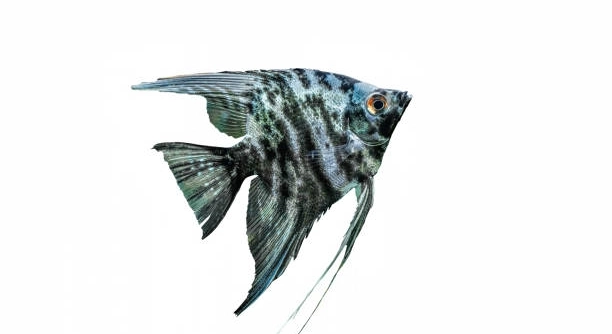
Sometimes, you may notice that your angelfish, once active and social, starts to become more distant and less interactive. This behavior shift can be puzzling, especially if you’ve enjoyed their lively company.
The most common reasons for your angelfish becoming less social are changes in their environment, stress, health issues, or even hormonal shifts. These factors can cause them to retreat and reduce their usual social behavior.
Understanding why your angelfish is acting differently can help you create a better environment for them. We’ll explore several possible causes behind this behavior shift.
Environmental Stress
Changes in your angelfish’s environment can lead to them becoming less social. Factors like water quality, temperature fluctuations, or overcrowding might make them feel threatened or uncomfortable. Fish are sensitive creatures, and even small changes in their tank can cause them stress. Poor water conditions, such as high ammonia or nitrite levels, can directly affect their health and behavior. If the temperature fluctuates too much, it may also lead to a lack of energy and social engagement. These conditions make it difficult for your angelfish to feel safe, causing them to avoid interactions.
Often, you can solve environmental stress by ensuring your aquarium is properly maintained. Regular water changes, monitoring tank parameters, and maintaining an appropriate temperature can make a significant difference. Keeping the tank clean and stable will help your angelfish feel more secure and less likely to retreat.
Monitoring the tank regularly for any changes in the water quality or temperature is key to preventing issues. By maintaining a stable environment, your angelfish will likely return to their social behavior in no time.
Illness or Injury
If your angelfish is sick or injured, it can naturally lead to them becoming less active or social. When fish are unwell, they tend to avoid socializing to conserve energy and recover. Illnesses like parasites or internal infections can lead to a lack of appetite, lethargy, or abnormal swimming patterns. Injury, even minor ones, can also make them shy away from interactions. Fish in pain or discomfort often seek solitude to avoid further stress. If you notice your angelfish displaying unusual behavior, it may be a sign that something is wrong.
If you suspect illness or injury, it’s important to carefully observe your fish for symptoms. Changes in eating habits, swimming style, or visible sores can all indicate that your angelfish needs attention. Quick identification of health problems and prompt treatment can help prevent further decline and support their recovery. Regular health checks and a clean tank environment reduce the risk of disease and injury.
Caring for an ill or injured angelfish requires patience and observation. When your fish is healing, it may take time for them to return to their usual social behavior. Providing a stress-free environment is crucial during this period to help them recover fully.
Overcrowding
Overcrowding in the tank can lead to stress and a decline in social behavior. When too many fish share the same space, they may compete for food and territory, which can make your angelfish feel unsafe. This environment forces them to retreat and hide more often.
Fish need space to swim and establish their own territories. If your tank is too crowded, your angelfish may feel constantly threatened. This reduces their desire to interact and makes them more likely to avoid the other fish. Reducing the number of fish or upgrading to a larger tank can help improve their social behavior.
Angelfish also become more stressed in tanks with too many hiding spots. While they do need places to retreat, too many hiding spots can make them feel like they are always on edge. Maintaining a balance between open swimming areas and secure hiding spots will help reduce stress and encourage socializing.
Hormonal Changes
Hormonal changes are common in angelfish and can lead to sudden shifts in behavior. These changes typically occur during mating periods but can also happen when the fish are reaching maturity or experiencing stress.
Angelfish, like many species, become less social when they are going through hormonal changes. During breeding periods, they may become territorial or aggressive, causing them to avoid other fish. Male angelfish, especially, may act more dominantly, which could affect the overall atmosphere of the tank.
To deal with hormonal changes, make sure your tank has enough space for the fish to establish territories. If breeding is not the cause, observe their behavior closely. Reducing the stress levels in the tank and ensuring there are no threats will help keep their behavior under control. Hormonal shifts are temporary, and the angelfish will likely return to their usual social nature once things settle down.
Water Quality
Poor water quality can quickly affect your angelfish’s behavior. If the water becomes too dirty or imbalanced, your fish may become stressed, leading to them becoming less social. Regular water testing and changes are key to maintaining a healthy tank.
Angelfish thrive in clean, well-maintained water. If levels of ammonia, nitrites, or nitrates rise, it can cause discomfort and even illness. Low oxygen levels can also make them lethargic, avoiding interaction. Ensuring the filter is working properly and doing regular water changes will keep your angelfish healthy and more social.
Tank Mates
Tank mates play a huge role in your angelfish’s social behavior. Aggressive or overly dominant fish can make your angelfish retreat and avoid other tank members.
If a tank mate is constantly bullying or stressing out your angelfish, they may become more isolated. The right balance of peaceful fish can encourage your angelfish to feel safe and interact. It’s important to choose tank mates that won’t stress or harass them.
Feeding Time
Your angelfish might become less social during feeding time, especially if they feel anxious about food competition. This can lead to more isolated behavior.
Fish that are overly competitive or hungry might push other fish away, making your angelfish shy away from eating in front of others. Feeding them in a way that reduces competition can encourage better social behavior.
FAQ
Why is my angelfish staying in one corner of the tank?
If your angelfish is staying in one corner of the tank, it could be due to stress, poor water quality, or even feeling threatened by other fish. Fish often seek a secluded spot when they are uncomfortable or not feeling well. Check the water parameters, ensure the tank is not overcrowded, and make sure there are no aggressive tank mates causing stress. If the issue persists, it may be a sign of illness, so it’s important to monitor their behavior closely.
Can angelfish be alone?
Yes, angelfish can survive alone, but they may become less active or social over time. Angelfish are naturally social creatures, and while they don’t require constant companionship, having other peaceful tank mates can encourage better behavior. If you only have one angelfish, try to ensure they are in a stimulating environment with enough room to swim freely.
Do angelfish get lonely?
While angelfish can live on their own, they can become lonely if isolated for long periods. These fish thrive in groups or with other peaceful species. In a tank with other fish, they will interact and display more social behavior. If you only have one angelfish, consider adding a few more tank mates to help encourage more social behavior.
Why is my angelfish hiding all the time?
Hiding can be a sign of stress, illness, or discomfort. If your angelfish is constantly hiding, check the water quality and make sure the temperature is consistent. Stress can also come from aggressive tank mates or overcrowding. In some cases, it may be a sign of an injury or disease. It’s important to observe the fish carefully and address any potential issues promptly.
What can I do if my angelfish is not eating?
If your angelfish is refusing food, first check the water quality to ensure the environment isn’t causing stress. Sometimes, angelfish stop eating if they are sick or stressed. They may also refuse food if the tank mates are bullying them during feeding. Try offering different types of food, such as live or frozen foods, to entice them. If they still refuse to eat, it may be time to consult a vet or fish specialist.
Can temperature changes affect angelfish behavior?
Yes, temperature changes can greatly impact angelfish behavior. Angelfish prefer stable temperatures between 76-84°F (24-29°C). If the water temperature fluctuates too much, it can stress your fish, causing them to become lethargic or less social. Sudden temperature changes can also weaken their immune system, leading to health issues.
Why is my angelfish acting aggressive?
Aggression in angelfish often occurs during breeding periods or when they feel their territory is being threatened. Male angelfish can be particularly territorial, especially if there are other males in the tank. If aggression persists, try separating the aggressive fish or providing more hiding spots. Overcrowding can also increase aggression, so ensure your tank isn’t too full.
How do I improve my angelfish’s social behavior?
Improving social behavior starts with ensuring your angelfish feels comfortable in its environment. Maintain clean water, keep the tank at a stable temperature, and avoid overcrowding. Providing peaceful tank mates will also help them feel more secure and less territorial. If there are any aggressive fish, consider separating them to reduce stress.
Is it normal for angelfish to stop schooling?
Angelfish are not schooling fish by nature, but they do enjoy the company of other angelfish. It’s normal for them to occasionally show a decrease in social behavior, especially if they are stressed, sick, or going through hormonal changes. However, they generally prefer to be in the company of other fish. If your angelfish has stopped socializing, it’s worth checking for potential environmental or health issues.
How can I tell if my angelfish is sick?
Sick angelfish may display various signs like loss of appetite, abnormal swimming behavior, or visible spots and lesions. They might also become lethargic or hide more frequently. If your angelfish shows any of these symptoms, take immediate action. Check the water quality, and if the symptoms persist, consider treating them with medication or consulting a specialist.
Can angelfish get stressed easily?
Yes, angelfish are quite sensitive and can get stressed easily if there are sudden changes in their environment. Poor water quality, aggressive tank mates, overcrowding, or inconsistent temperature can all contribute to stress. Stress can cause them to become more withdrawn and less social. Keeping a stable environment will reduce stress and encourage your angelfish to behave normally.
What is the ideal tank size for angelfish?
Angelfish require a minimum tank size of 20 gallons, but larger tanks are ideal. A larger tank provides more swimming space and helps reduce stress, especially if you have multiple angelfish or other fish. Ensure your tank is well-filtered and maintained to keep your angelfish healthy and social.
Final Thoughts
Understanding why your angelfish might become less social involves looking at several factors. Water quality, tank mates, and environmental conditions all play a key role in your fish’s behavior. When something isn’t quite right, your angelfish might retreat or act differently than usual. It’s essential to keep an eye on these factors, especially when they start showing signs of stress or avoidance. A clean, stable environment with enough space and peaceful companions will likely encourage your angelfish to feel more secure and social again.
Another important factor is your angelfish’s health. Just like any other pet, when an angelfish is not feeling well, it might withdraw from social interactions. Illnesses, injuries, or even hormonal changes can cause them to become less active. It’s crucial to observe their behavior and take action when necessary. Regular health checks and quick identification of issues can help keep your fish healthy and engaged. Ensuring they are in good condition will naturally bring back their social behavior over time.
Lastly, patience is key. Fish can take time to adjust to changes in their environment, whether it’s a new tank, new tank mates, or an unexpected change in their routine. Sometimes, a little time and care are all it takes for your angelfish to return to its social, lively self. By maintaining good water quality, choosing compatible tank mates, and paying attention to their health, you can help your angelfish feel more comfortable. Keep in mind that changes in behavior are often temporary, and with the right environment, your angelfish should thrive and become more interactive again.

Hello,
If you enjoy the content that we create, please consider saying a "Thank You!" by leaving a tip.
Every little bit helps us continue crafting quality advice that supports the health, happiness, and well-being of pets around the world, for pets of all shapes, sizes, and species.
We really appreciate the kindness and support that you show us!