
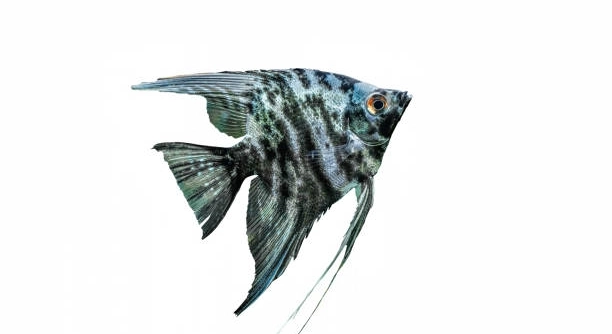
Are your angelfish showing signs of aging or slowing down in the tank, leaving you concerned about how long they typically live?
Angelfish generally live for 10 to 12 years in well-maintained aquariums. Their lifespan is influenced by water quality, diet, tank size, and overall care. With proper attention, angelfish can live long and healthy lives in captivity.
From growth stages to common risks and care essentials, this article will help you understand what affects your angelfish’s lifespan.
Angelfish Lifespan Depends on Their Environment
A clean and stable environment is one of the biggest factors in how long your angelfish will live. Water temperature, pH levels, and tank cleanliness must be consistent. Angelfish thrive in water between 75°F and 82°F, with a pH around 6.8 to 7.8. Sudden changes in these conditions can stress your fish, making them more prone to illness and shortening their lifespan. Filtration is also important—ammonia and nitrites should always be at zero. In addition, give them enough space to swim freely. Crowded tanks increase the risk of disease and aggression. A tank size of at least 20 gallons is ideal for a pair of angelfish. Adding live plants can help reduce stress by mimicking their natural environment.
Stable conditions reduce stress and promote healthy behavior, which directly contributes to a longer lifespan for your angelfish.
If you keep the water clean and parameters consistent, your angelfish will be much healthier and live longer.
Diet Affects Lifespan
Angelfish need a varied and balanced diet to grow strong and stay healthy.
Feeding your angelfish the right mix of protein and vegetables helps them build a strong immune system and stay active. Include quality flakes, pellets, and occasional frozen or live food like brine shrimp or bloodworms. Avoid overfeeding—it can lead to poor water quality and digestive problems. Feed them once or twice a day in small portions they can finish in a couple of minutes. Leftover food should be removed to keep the tank clean. Also, watch for signs of picky eating or loss of appetite, as this could indicate health issues. You can also add supplements like vitamins to boost their immunity, especially if they’re recovering from stress or illness. Healthy eating habits, combined with clean water, support long-term vitality. A balanced diet isn’t just about growth—it plays a key role in how long your angelfish will live in your care.
Genetics Influence Their Longevity
Genetics play a role in how long your angelfish will live. Fish bred from strong, healthy lines are more likely to have fewer health problems and a longer lifespan compared to those from poorly maintained breeding stock.
Some angelfish are selectively bred for specific traits like color or fin shape, which can sometimes weaken their overall health. Breeders who focus too much on appearance may overlook genetic strength. If you’re buying angelfish from a breeder or pet store, ask about the parent fish and how they were raised. Healthy parents usually produce healthy offspring. If your angelfish shows signs of weakness early, like slow growth or frequent illness, it might be due to poor genetics. You can’t change their genetics, but you can give them the best environment possible to thrive. Choosing fish from reputable sources helps reduce the risk of genetic issues.
Genetics aren’t everything, but they do set a baseline. With proper care, even angelfish from average stock can live long, healthy lives. Giving them good food, clean water, and space to swim helps counterbalance weaker genetic traits. Breeding history may not always be visible, but signs often show in their first year. Fast growth, strong appetite, and alert behavior are usually signs of strong genes. If they look healthy and stay active, they’re on the right track.
Stress Shortens Their Lifespan
Angelfish are sensitive to stress, and prolonged stress can shorten their lives. Common causes include sudden changes in water temperature, aggressive tank mates, loud noises, and poor lighting. Reducing these triggers helps your fish stay calm and healthy.
Stress weakens their immune system and makes them more likely to get sick. Overcrowded tanks or incompatible tank mates are frequent problems—avoid fast or fin-nipping fish that bother angelfish. Sudden loud sounds or lights can also scare them, so try to keep their environment quiet and calm. Monitor their behavior: if they’re hiding more than usual or losing color, stress might be the cause. Adding plants or decorations can give them safe spots to retreat. Stable water conditions and routine care will lower their stress levels. Over time, less stress leads to longer, healthier lives. Paying attention to their habits helps catch signs early before they turn into major issues.
Illness Can Reduce Their Lifespan
Diseases like ich, fin rot, and parasitic infections can shorten an angelfish’s life if not treated quickly. Quarantining new fish before adding them to the tank helps prevent the spread of illness and protects your angelfish from unexpected outbreaks.
Early signs of illness include clamped fins, white spots, unusual swimming, or loss of appetite. Medications are available, but maintaining clean water and feeding a nutritious diet remain the best preventive measures. Regular tank checks can catch problems before they become serious.
Tank Mates Matter
Angelfish are semi-aggressive and do best with peaceful tank mates that won’t nip at their fins or compete for space. Avoid housing them with aggressive species like tiger barbs or overly active swimmers. Choose companions like corydoras, tetras, or peaceful gouramis that match their calm pace.
Growth Rate Can Be a Sign
A healthy angelfish grows steadily over time. If growth is slow or irregular, it may point to poor diet, stress, or underlying health issues. Watching their size and shape over the months helps you track their overall condition.
FAQ
How long do angelfish live in a tank?
Angelfish typically live for 10 to 12 years in a well-maintained aquarium. With proper care, a stable environment, and the right diet, they can reach their full lifespan. Without these factors, their life expectancy could be shorter.
Can angelfish live with other fish?
Yes, but it’s important to choose the right tank mates. Angelfish do best with peaceful fish that won’t stress them out or nip at their fins. Avoid aggressive species or overly active fish that might disturb them.
What size tank do angelfish need?
Angelfish need a tank that’s at least 20 gallons for a pair, with 10 gallons added for each additional fish. They need space to swim, so a larger tank will help reduce stress and promote healthier growth.
Do angelfish need a filter?
Yes, angelfish thrive in well-filtered water. A good filtration system helps remove waste and keeps water quality high, which is essential for their health and lifespan. Make sure the filter doesn’t create strong currents, as angelfish prefer calm waters.
What temperature is best for angelfish?
Angelfish prefer water temperatures between 75°F and 82°F. Consistent temperature helps them stay healthy and reduces stress. Avoid temperature fluctuations, as this can lead to illness or shorten their lifespan.
How often should I feed my angelfish?
Feed your angelfish once or twice a day, offering small portions they can eat in a few minutes. Overfeeding can lead to poor water quality and digestive issues. Remove any uneaten food to keep the tank clean.
Can angelfish live with bettas?
It’s not ideal to keep angelfish with bettas. Bettas are territorial and may become aggressive, especially towards the long fins of an angelfish. This could lead to stress and injury. It’s best to keep them in separate tanks or with other peaceful species.
What should I feed my angelfish?
Angelfish require a varied diet that includes high-quality flakes or pellets, along with occasional treats like frozen or live brine shrimp, bloodworms, or daphnia. A mix of protein and vegetables will keep them healthy and boost their immune system.
Why is my angelfish hiding all the time?
Hiding could be a sign of stress, illness, or injury. If your angelfish is hiding more than usual, check the water parameters, ensure they’re not being bullied by other fish, and look for signs of illness like clamped fins or discoloration.
What causes angelfish to lose color?
Angelfish can lose color due to stress, poor water quality, or illness. Stress factors like aggressive tank mates or inadequate food can cause fading. Make sure to provide a stable environment with the right water parameters and diet.
Can angelfish survive without a heater?
Angelfish require a heater in most cases. They thrive in tropical conditions, and without a heater, water temperature may drop too low, causing stress and making them vulnerable to illness. Keep the water temperature between 75°F and 82°F.
What are the signs that an angelfish is dying?
Signs of a dying angelfish include loss of appetite, difficulty swimming, clamped fins, fading color, and lethargy. If you notice these symptoms, check the water quality, provide proper care, and consult a vet if necessary.
How can I tell if my angelfish is pregnant?
Female angelfish can develop a rounded abdomen when they are carrying eggs. They may also show signs of nest-building behavior. Males usually fertilize the eggs after the female lays them. Watch for these signs to know if your angelfish is preparing to spawn.
Why is my angelfish’s fin rotting?
Fin rot can occur due to poor water quality, injury, or bacterial infections. It’s important to improve water conditions and treat the fish with antibiotics if necessary. Keep the tank clean and avoid overcrowding to prevent further issues.
Can I keep angelfish with shrimp?
It’s possible to keep angelfish with shrimp, but it depends on the species. Angelfish are known to eat small invertebrates, so avoid housing them with small shrimp. Larger shrimp species, like Amano shrimp, are better suited for tanks with angelfish.
How can I help my angelfish recover from illness?
If your angelfish is sick, isolate it in a separate quarantine tank and provide the correct treatment, whether it’s antibiotics or antiparasitic medication. Ensure that the main tank is clean, and monitor the water parameters to prevent the illness from spreading.
What’s the best way to clean my angelfish tank?
Regular water changes are essential for maintaining a healthy tank. Remove 25% to 30% of the water every 1-2 weeks, and use a gravel vacuum to remove debris. Clean the filter regularly and monitor water parameters to ensure they’re within the proper range.
How can I tell if my angelfish is male or female?
It can be tricky to tell the difference between male and female angelfish. Generally, males are more slender, while females have a rounder body, especially when they’re carrying eggs. The anal fin of the male is also pointed, while the female’s fin is more rounded.
Final Thoughts
Angelfish can make a beautiful and fascinating addition to any aquarium, but their lifespan depends largely on the care and environment provided. By maintaining clean water, offering a balanced diet, and choosing compatible tank mates, you can significantly extend their life. Regular monitoring of water quality and temperature is crucial, as fluctuations can cause stress and illness. It’s also important to observe their behavior closely and intervene early if you notice signs of illness or injury. These small efforts can help you enjoy a healthy, thriving angelfish for years.
As with all pets, prevention is key. By staying on top of maintenance and avoiding overfeeding or overcrowding, you reduce the risk of common issues such as disease or stunted growth. Keeping a steady routine of water changes and monitoring their health will pay off in the long run. If you’re ever unsure about something, don’t hesitate to consult an expert or experienced aquarium keeper. Their guidance can provide the knowledge you need to keep your angelfish happy and healthy.
Ultimately, the joy of keeping angelfish comes from the commitment to their care. With the right approach, you’ll be able to provide them with a healthy environment that supports a long lifespan. Whether you’re a beginner or a seasoned fish keeper, these insights will help you give your angelfish the best chance at a full and vibrant life. By following these simple guidelines, you’ll not only improve your tank’s health but also develop a rewarding relationship with these elegant fish.

Hello,
If you enjoy the content that we create, please consider saying a "Thank You!" by leaving a tip.
Every little bit helps us continue crafting quality advice that supports the health, happiness, and well-being of pets around the world, for pets of all shapes, sizes, and species.
We really appreciate the kindness and support that you show us!