
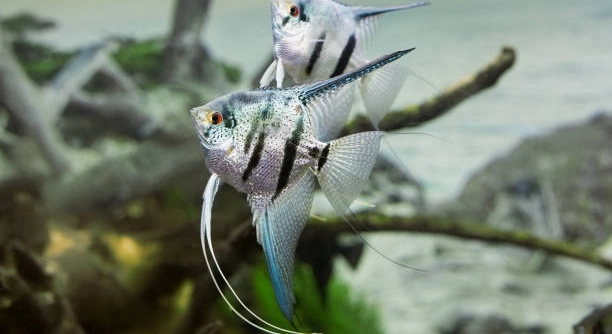
Is your angelfish suddenly showing darker stripes, leaving you unsure if something might be wrong or if it’s completely normal? These changes in appearance can feel confusing, especially if you’re new to keeping freshwater fish.
Angelfish often display darker stripes due to changes in mood, stress levels, water conditions, or social interactions. These markings can shift in intensity depending on their environment, health, or how they’re feeling at any given moment.
Learning what each reason means can help you provide the right care and keep your angelfish happy and healthy in the long run.
Stress From Sudden Environmental Changes
Angelfish are sensitive to changes in their tank environment. A shift in water temperature, pH, lighting, or even loud noises around the tank can cause stress. When stressed, they may show darker stripes as a natural reaction. This change in appearance is linked to their instinct to blend into their surroundings or warn others. If you’ve recently cleaned the tank, moved it, or adjusted water parameters, this might be the cause. Keep in mind that angelfish need a stable and quiet space to feel comfortable. Using a reliable water test kit and maintaining a regular routine will help prevent unnecessary changes. Darkened stripes might also appear if your angelfish is newly introduced to the tank or placed with aggressive tank mates. These stripes often fade once the fish adapts or the stressful factor is removed. Monitoring their behavior and ensuring proper tank conditions can make a noticeable difference in their appearance.
Darker stripes caused by stress usually go away once the environment becomes stable again. Watch for signs like hiding, loss of appetite, or erratic swimming, which may signal ongoing discomfort.
Regularly check your tank’s temperature, ammonia, nitrite, and nitrate levels. Even small shifts in these can affect angelfish behavior and appearance, including the darkness of their stripes.
Social Interactions and Territory
Angelfish are naturally territorial. When kept in a shared tank, they sometimes compete for space or assert dominance. This behavior can trigger a temporary change in their stripes, especially if they’re facing off with another fish or protecting their space.
In a tank with more than one angelfish, it’s common for them to display their stripes more boldly during social disputes. This may include chasing, flaring fins, or guarding certain areas. These darker stripes are often a sign of alertness or mild aggression. If one fish is being bullied, it might also show darker patterns as a stress response. To avoid ongoing stress, make sure the tank is large enough for all fish and has plenty of plants or decorations to provide hiding spots. Separation can be necessary in some cases, especially if one fish is constantly being harassed. Observing interactions during feeding or when lights turn on or off can reveal which fish are more dominant.
Proper tank setup can reduce these issues. Angelfish appreciate vertical space, so tall plants or ornaments help establish territory. Keeping them in odd-numbered groups can sometimes prevent pairing off and reduce territorial behavior. Monitoring these dynamics can help keep their stripes—and stress levels—balanced.
Poor Water Quality
Dark stripes can appear when the water quality drops. Dirty water, high ammonia, or imbalanced pH levels can all stress your angelfish. If these levels aren’t corrected, the stress continues and the stripes may stay darker for longer periods. Clean, stable water keeps your fish healthier and calmer.
Check your tank’s parameters at least once a week. Ammonia and nitrite should always be at zero, while nitrate should be kept low. A sudden rise in waste or leftover food can shift these levels fast. Overcrowding and infrequent water changes are common reasons water quality drops. If you notice dark stripes along with gasping at the surface or staying near the bottom, test the water immediately. Regular 25–30% water changes, gravel vacuuming, and proper filtration can prevent these problems. Avoid overfeeding, as excess food will decay and increase toxins in the water. Good maintenance means less stress for your angelfish.
Sometimes, poor water quality isn’t obvious just by looking at the tank. Even clear water can hold invisible toxins. That’s why using a reliable test kit is important. If your angelfish’s stripes darken without any visible cause, start by checking ammonia, nitrite, and nitrate levels. Improving water conditions can quickly lead to visible improvement.
Mating Behavior and Breeding Mood
When angelfish are ready to breed, their stripes often become darker. This is completely normal and not a sign of stress. It’s part of their natural behavior and communication with potential mates or rivals during the breeding process.
You might notice the darker stripes appear when two angelfish start pairing off. They may clean a surface together or chase away others. These behaviors signal courtship or preparation for laying eggs. This stage can also bring mild aggression, so having enough space and plants in the tank helps reduce tension. The dark stripes usually stay during this active period and fade again once things settle. If your angelfish pair begins to guard one area of the tank, they may be preparing to breed. Keep the water stable and avoid large changes during this time. The darker stripes are just part of their natural cycle, not a cause for concern.
Natural Color Fluctuations
Angelfish can naturally change the intensity of their stripes throughout the day. Lighting, rest, and activity levels all play a role. In lower light or when resting, the stripes may appear bolder. This change isn’t harmful and usually fades as the fish becomes active again.
These fluctuations are part of how angelfish express themselves. Just like humans have facial expressions, fish show mood and comfort levels through body patterns. As long as your angelfish is eating, swimming well, and behaving normally, there’s no need to worry about short-term changes in stripe darkness.
Illness or Health Issues
Sometimes, darker stripes appear when your angelfish is feeling unwell. Illness can bring stress, and stress often changes their coloring. Look for other signs like clamped fins, slow movement, or white spots on the body. These clues can help you decide if a health issue is behind the color change.
Low Oxygen Levels
If oxygen in the tank drops, your angelfish might show darker stripes along with labored breathing. This can happen in overstocked tanks or those without proper surface movement. Adding an air stone or adjusting your filter flow can help improve oxygen and reduce stress on the fish.
FAQ
Can angelfish stripes change throughout the day?
Yes, angelfish stripes can shift in darkness depending on their mood, light levels, and activity. You might see darker stripes when the lights first come on or when the fish are resting. As the day goes on and they become more active, the stripes may fade slightly. This is completely normal.
Are dark stripes always a sign of stress?
Not always. While stress is a common reason, angelfish can show darker stripes during breeding, sleep, or even social interactions. It’s only a concern if other signs appear—like hiding all the time, refusing to eat, or clamped fins. Watch their behavior to understand the cause better.
What should I check first if my angelfish has darker stripes?
Start by checking your water parameters. Poor water quality is a leading cause of stress. Test for ammonia, nitrite, nitrate, and pH. Make sure the temperature is stable. If the water is fine, look for social issues, illness symptoms, or recent changes to the tank setup.
How do I know if it’s a health problem and not just behavior?
Look for signs like lethargy, clamped fins, discoloration on the body, white spots, or gasping at the surface. If you see these along with darker stripes, it’s best to separate the fish and treat the issue. Healthy angelfish should still swim actively and show interest in food.
Can lighting changes affect angelfish stripe color?
Yes, sudden changes in lighting can make stripes appear more intense. When lights turn on or off, angelfish sometimes react by changing color slightly. Try to use a timer or dim the lights gradually to avoid startling them. This can help keep them calm and stable.
Why do angelfish stripes darken during breeding?
It’s a natural behavior. Darker stripes show alertness and may help signal to a mate or warn off other fish. If you notice your angelfish pairing up and guarding a surface, they’re likely preparing to breed. This is normal and not a cause for concern.
Can diet affect stripe color?
Indirectly, yes. A poor diet can weaken the immune system and overall health, making your angelfish more sensitive to stress. Make sure they get a balanced diet that includes high-quality flakes, pellets, and occasional frozen or live food. Healthy fish show more stable colors.
What if only one angelfish has darker stripes?
It might be reacting to a dominant fish or feeling unwell. If it’s being chased or bullied, provide more hiding spaces or rearrange the tank to reduce tension. If it’s also acting sluggish, it could be sick. Observing the tank dynamics can give helpful clues.
How often should I test my tank water?
At least once a week is ideal, especially if your fish are showing signs of stress. Also test after any major change, like adding new fish or doing a deep clean. Consistent monitoring helps prevent problems before they affect your angelfish’s behavior or appearance.
Can darker stripes be permanent?
Usually, no. Most of the time, angelfish stripes fade once the stressor is removed or they adjust to their surroundings. However, genetics can play a role—some angelfish naturally have darker or more prominent stripes. As long as the fish is healthy, it’s not a problem.
Final Thoughts
Angelfish showing darker stripes can be completely normal or a sign that something in the tank needs attention. These color changes are part of how they react to their surroundings. Sometimes it means they’re stressed, other times it’s just part of their daily behavior or breeding mood. If your angelfish is active, eating well, and not showing other signs of illness, the darker stripes likely aren’t a serious issue. Still, it’s always a good idea to check your tank conditions and observe how your fish are behaving overall.
Keeping your angelfish healthy starts with giving them a clean and stable environment. This includes regular water changes, checking water parameters, and avoiding sudden changes to the tank. Angelfish also need enough space and hiding spots to feel secure, especially when sharing the tank with other fish. Watching how they interact with one another can also help you notice early signs of stress. A good diet, calm surroundings, and proper care all work together to support their health and keep their coloring stable.
Darker stripes may seem like a small detail, but they can tell you a lot about how your angelfish is feeling. By paying attention to the patterns and understanding the possible causes, you can respond more confidently and make sure your fish stays in good condition. Whether it’s stress, mating behavior, or just normal shifts in color, knowing the difference can help you avoid unnecessary worry. With time, you’ll learn what’s normal for your angelfish and how to spot when something might be wrong.

Hello,
If you enjoy the content that we create, please consider saying a "Thank You!" by leaving a tip.
Every little bit helps us continue crafting quality advice that supports the health, happiness, and well-being of pets around the world, for pets of all shapes, sizes, and species.
We really appreciate the kindness and support that you show us!