
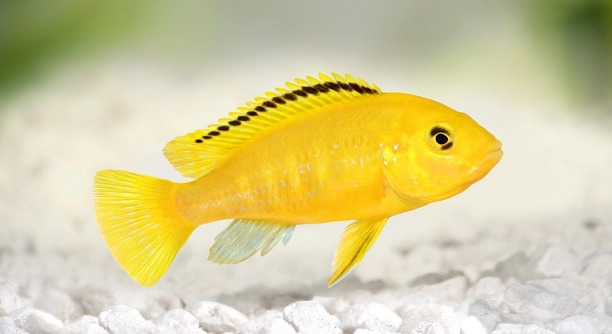
African cichlids are known for their lively behavior and unique personalities. Many owners notice their fish spending a lot of time near the aquarium filter. This behavior can seem unusual but is quite common among these colorful freshwater fish.
African cichlids are often drawn to the filter because it provides oxygen-rich water and creates a current that stimulates their natural instincts. The filter area also offers a sense of security and a place to explore, which keeps the fish engaged and comfortable.
Understanding why your cichlid favors the filter can improve how you care for them. This insight helps create a healthier and more stimulating environment for your fish to thrive in.
Why African Cichlids Like the Filter Area
African cichlids naturally come from rivers and lakes with flowing water, so they are accustomed to currents. The aquarium filter creates a similar flow, which keeps them active and stimulates their natural behavior. Many cichlids also enjoy the increased oxygen levels near the filter, making it a comfortable spot. Filters often provide hiding spaces or areas where they can feel secure, especially if the filter has tubing or decorations around it. This behavior is also linked to their territorial nature; they may claim the area near the filter as their own space. Watching them interact with the filter can be quite engaging because it shows how these fish adapt to their environment. Understanding these habits helps you provide better care and design a tank that meets their needs more effectively.
Being near the filter is a sign that your cichlid feels secure and comfortable in its tank.
Proper placement of the filter and adding some decorations nearby can encourage natural behavior. Make sure the filter flow is not too strong, as this could stress your fish. A moderate current mimics their natural habitat and keeps them healthy. It’s important to observe if the fish seem overly obsessed or stressed around the filter. If so, adjusting the tank setup or flow rate might be necessary. A well-balanced environment supports their overall well-being.
Managing Filter Interaction in Your Tank
African cichlids tend to spend time near the filter for oxygen and security reasons.
Too much time near the filter might indicate tank setup issues or stress. These fish are active and need space to swim freely, so a crowded or poorly arranged tank can cause them to cling to one spot. Check water quality regularly to ensure it is clean and well-oxygenated throughout the tank, not just near the filter. Adding plants or rocks can create more hiding spots and reduce their fixation on the filter area. Sometimes, adjusting the filter’s position or flow strength helps balance their behavior. Keeping a variety of hiding places and swimming areas encourages natural exploration. This approach reduces the chance of your cichlid becoming overly fixated on the filter, leading to a happier and healthier fish.
Common Misconceptions About Filter Behavior
Some people think their cichlids are stressed or sick because they stay near the filter too much. However, this is not always true. It often reflects natural habits related to water flow and oxygen levels.
Fish are drawn to the filter area because it simulates the currents of their native environments. This constant flow helps them exercise and stay healthy. The filter also distributes oxygen, making that spot more attractive. If your fish seems healthy and active outside the filter area, there is usually no cause for concern. Observing your fish’s overall behavior is more important than focusing on one spot.
It is essential to differentiate between normal filter interaction and signs of illness. If your cichlid is lethargic, not eating, or showing discoloration, it may require a water quality check or veterinary advice. Regular maintenance of the tank ensures the environment remains suitable for all fish.
Adjusting Tank Setup to Reduce Filter Obsession
Changing the tank layout can help balance your cichlid’s behavior. Adding more hiding spots and decorations diverts their attention from the filter.
Plants, rocks, and caves break up the space and provide resting places away from the filter’s strong current. Proper tank size also matters; overcrowding forces fish into fewer areas, increasing filter fixation. Ensure your tank has enough open swimming space combined with sheltered zones.
If the filter’s flow is too strong, adjusting the output or using a flow diffuser can soften the current. This makes the environment more comfortable without losing filtration efficiency. These changes can improve your fish’s well-being and encourage more natural movement around the tank.
Recognizing Signs of Stress
Spending too much time near the filter can sometimes mean stress. Look for signs like rapid breathing, hiding, or loss of appetite.
Changes in color or erratic swimming also indicate discomfort. Monitoring these signs helps catch problems early.
How Water Quality Affects Behavior
Poor water quality can cause fish to seek refuge near the filter, where oxygen levels are higher. Regular testing and maintenance are crucial. Clean water supports healthy behavior and reduces stress. Proper filtration and timely water changes keep the tank environment stable.
Choosing the Right Filter for Your Tank
Selecting a filter with adjustable flow helps tailor conditions to your cichlid’s needs. Too strong a current can cause stress, while too weak may not provide enough oxygen. A balanced filter supports both water quality and fish comfort.
FAQ
Why does my African cichlid stay near the filter all the time?
African cichlids often stay near the filter because it provides a steady flow of oxygenated water. The moving current mimics their natural habitat, encouraging natural swimming behavior. The filter area also feels safer, offering a place to hide or rest near decorations or tubes.
Is it harmful for my cichlid to be obsessed with the filter?
Usually, no. Spending time near the filter is normal if the fish is active, eating well, and shows no signs of illness. However, if the fish appears stressed, lethargic, or shows physical changes, it could indicate poor water quality or inappropriate tank conditions.
How can I tell if my cichlid is stressed?
Signs of stress include rapid gill movement, loss of appetite, hiding more than usual, and changes in coloration. Erratic swimming or rubbing against tank surfaces are also red flags. Regular observation helps catch these signs early to prevent illness.
Can a strong filter current harm my African cichlid?
Yes. A very strong current can tire out your cichlid and cause stress. These fish prefer moderate water flow similar to their natural habitats. Using a flow diffuser or adjusting the filter output can reduce current strength, creating a more comfortable environment.
What type of filter is best for African cichlids?
Canister filters and hang-on-back filters with adjustable flow rates are often best. They provide good filtration without creating overly strong currents. The filter should also maintain excellent water quality to keep your cichlid healthy.
How often should I clean the filter?
Cleaning depends on tank size and stocking levels but generally every 3 to 4 weeks. Avoid cleaning all filter media at once to preserve beneficial bacteria. Regular cleaning maintains water quality, preventing issues that might stress your fish.
Can tank decorations affect my cichlid’s behavior?
Absolutely. Rocks, caves, and plants provide hiding spots and break up open space. These reduce stress and discourage your cichlid from staying near the filter constantly. A well-decorated tank encourages natural exploration and activity.
Is it normal for African cichlids to be territorial around the filter?
Yes. Many African cichlids are territorial and may claim the filter area as their space. This behavior is natural and helps them feel secure. Providing multiple hiding places can reduce territorial aggression and balance tank dynamics.
Should I be concerned if my cichlid hides near the filter?
If your fish hides near the filter occasionally, it is normal. But constant hiding combined with inactivity or refusal to eat might indicate stress or illness. In this case, check water parameters and tank conditions to improve your fish’s comfort.
How can I improve oxygen levels without causing stress?
Maintain a balanced filter flow and avoid overcrowding the tank. Aeration devices like air stones help, but strong bubbles may cause stress. Regular water changes and keeping the tank clean support healthy oxygen levels naturally.
What role does water temperature play in filter behavior?
Water temperature affects oxygen solubility and fish metabolism. Higher temperatures reduce oxygen levels, possibly causing your cichlid to stay near the filter. Maintaining the recommended temperature range for African cichlids helps reduce this behavior.
Can filter obsession be a sign of illness?
Sometimes. If combined with lethargy, discoloration, or lack of appetite, it could signal illness. Check water quality and observe for other symptoms. Consulting an aquatic vet is advisable if the behavior persists with health concerns.
How do I balance filter strength and fish comfort?
Choose a filter with adjustable flow and test different settings. Observe your cichlid’s reaction—if it avoids the filter or struggles against the current, reduce flow. Aim for gentle water movement that replicates natural conditions.
What maintenance practices support healthy fish behavior?
Regular water testing, timely water changes, and balanced feeding are key. Cleaning the tank and filter without disrupting beneficial bacteria keeps the environment stable. A well-maintained tank promotes natural behavior and reduces filter obsession.
Can lighting affect my cichlid’s activity near the filter?
Bright lighting may encourage hiding, including near the filter area. Using softer or adjustable lighting can make your fish feel more secure. Mimicking natural light cycles also supports healthy daily activity.
Are all African cichlids equally attracted to the filter?
Different species have varying preferences. Some are more active swimmers and prefer stronger currents, while others seek calmer spots. Knowing your species’ natural habitat helps tailor tank conditions to reduce excessive filter interaction.
African cichlids are fascinating fish with unique behaviors, including their tendency to spend time near the aquarium filter. This behavior is often linked to their natural environment, where flowing water and oxygen-rich areas help them stay healthy and active. Understanding why your cichlid is drawn to the filter can help you create a better living space for them. It shows that they are adapting to the tank setup and responding to water flow, oxygen levels, and the sense of security the filter area provides. Paying attention to these behaviors can guide how you arrange your tank and care for your fish.
While it is normal for African cichlids to spend time near the filter, it is important to watch for signs of stress or discomfort. If your fish seems healthy, eats well, and is active outside the filter area, there is usually no cause for concern. However, if you notice changes in behavior, such as hiding too much, loss of appetite, or unusual swimming patterns, it could indicate a problem with water quality or tank conditions. Regular maintenance, including water testing and cleaning the filter properly, ensures the environment remains suitable. This helps reduce stress and keeps your cichlid comfortable throughout the tank.
Adjusting the tank setup can also help balance your cichlid’s behavior around the filter. Adding decorations, plants, and rocks creates hiding spots and breaks up open spaces, encouraging exploration away from the filter. Adjusting the filter flow to a moderate level also prevents your fish from becoming stressed by a strong current. Creating a well-rounded environment supports natural behavior and overall health. Understanding these factors and responding to your cichlid’s needs will lead to a happier fish and a more enjoyable aquarium experience.

Hello,
If you enjoy the content that we create, please consider saying a "Thank You!" by leaving a tip.
Every little bit helps us continue crafting quality advice that supports the health, happiness, and well-being of pets around the world, for pets of all shapes, sizes, and species.
We really appreciate the kindness and support that you show us!