
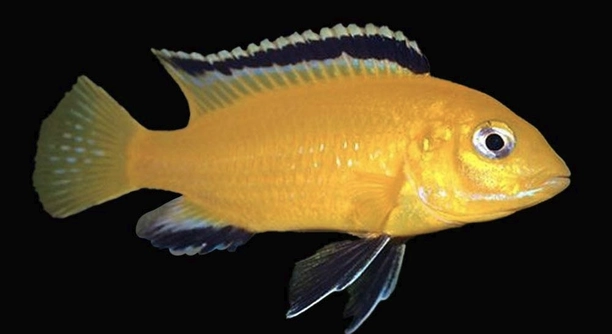
African cichlids are popular freshwater fish known for their bright colors and active behavior. Many aquarium enthusiasts enjoy keeping them, but tank size plays an important role in their well-being. Understanding if a 10-gallon tank suits these fish is essential for their care.
African cichlids generally require more space than a 10-gallon tank provides due to their territorial nature and active swimming habits. A 10-gallon tank is typically too small to support their social and environmental needs, which can lead to stress and health issues.
Choosing the right tank size ensures healthier fish and a more enjoyable aquarium experience. This article will help clarify what to consider when housing African cichlids.
Tank Size Requirements for African Cichlids
African cichlids are active fish that need plenty of space to swim and establish territories. A 10-gallon tank is often too small to provide a comfortable environment. These fish grow quickly, and their territorial behavior means they need room to avoid constant stress and conflict. Overcrowding can lead to aggression, which harms both the fish and the tank’s ecosystem. A larger tank, such as 30 gallons or more, is usually recommended to accommodate their size and social structure. Proper filtration and regular maintenance also become more manageable with an adequately sized tank. It’s important to remember that tank size directly affects water quality, which impacts the health of the fish. When selecting a tank, consider the species of cichlid, their adult size, and how many fish will be housed together to ensure they thrive.
A 10-gallon tank limits space for swimming and proper territory establishment, increasing stress and aggression among African cichlids.
Choosing a larger tank improves water quality, reduces conflicts, and supports healthier fish. It allows you to maintain a balanced environment with sufficient filtration and room for decorations that mimic their natural habitat. Larger tanks also make it easier to monitor and manage water parameters, which is vital for cichlid health. While space is important, maintaining stable water conditions and providing hiding spots also contribute to a thriving aquarium. Overall, a tank larger than 10 gallons better suits the needs of African cichlids for both their physical health and social behavior.
Managing Aggression in Smaller Tanks
Aggression is common among African cichlids, especially in confined spaces like 10-gallon tanks.
Smaller tanks force cichlids into close quarters, which intensifies territorial disputes. Without enough space, dominant fish may bully others, leading to injury or stress. To reduce aggression, it’s essential to limit the number of fish and provide plenty of hiding spots. Using rocks and plants to create natural barriers can help fish establish their own territories. Careful selection of compatible species also plays a role in minimizing conflict. Regular observation allows you to intervene early if aggressive behavior becomes harmful. Though a larger tank is preferable, these strategies can help manage aggression when space is limited, ensuring a healthier environment for all the fish.
Water Quality and Filtration
Maintaining good water quality in a 10-gallon tank can be challenging with African cichlids. These fish produce a significant amount of waste, which affects water parameters quickly.
Efficient filtration is crucial to keep the water clean and healthy. A filter that provides both mechanical and biological filtration helps remove debris and harmful toxins like ammonia and nitrites. Regular water changes are necessary to prevent the buildup of waste and maintain stable water conditions. Testing the water frequently for pH, ammonia, nitrite, and nitrate levels is important, as African cichlids are sensitive to sudden changes.
Choosing a filter rated for a larger tank than your actual tank size can improve water circulation and filtration efficiency. Proper aeration also supports oxygen levels in the water, which benefits both the fish and beneficial bacteria. Even with a small tank, keeping water parameters stable requires careful attention and consistent maintenance.
Feeding and Nutrition
African cichlids need a balanced diet that matches their natural feeding habits. Feeding them high-quality pellets designed for cichlids is a good start.
Supplements like frozen or live foods, including brine shrimp or bloodworms, can add variety and nutrients. Avoid overfeeding, as leftover food pollutes the tank and worsens water quality. Feeding small amounts twice daily is ideal to meet their dietary needs without excess waste.
Proper nutrition supports healthy growth and vibrant colors. It also boosts their immune system, making them less susceptible to diseases common in confined environments. In a 10-gallon tank, feeding must be managed carefully to maintain water quality while ensuring the fish receive enough nutrients.
Suitable African Cichlid Species for Small Tanks
Some smaller African cichlid species can adapt better to 10-gallon tanks. Shell dwellers and dwarf cichlids are good examples.
These species tend to be less aggressive and stay smaller, making them more suitable for limited space. They still require careful tank management and appropriate hiding places.
Tank Setup Essentials
Creating a natural environment with rocks, caves, and hiding spots helps reduce stress and aggression. These elements allow fish to claim territories and feel secure.
A sandy substrate is preferred for many African cichlids, as they often dig and sift through the sand. Decorations should be arranged to maximize swimming space while providing shelter.
Common Health Issues
Poor water quality and overcrowding in small tanks often lead to diseases like fin rot and ich. Stress weakens their immune system, making illness more likely.
Proper maintenance and monitoring are key to preventing these problems and keeping fish healthy.
Monitoring Behavior
Regularly watching your cichlids helps identify aggression or illness early. Prompt action can prevent serious issues and maintain tank harmony.
FAQ
Can African cichlids live comfortably in a 10-gallon tank?
Generally, a 10-gallon tank is too small for most African cichlids due to their size and territorial behavior. Some smaller species may survive, but space restrictions often cause stress and aggression. A larger tank is usually recommended to meet their physical and social needs.
What are the best African cichlid species for a 10-gallon tank?
Smaller species like shell dwellers (Neolamprologus multifasciatus) or dwarf cichlids can adapt better to a 10-gallon setup. These fish are less aggressive and stay smaller, making them more suitable for confined spaces when provided with hiding spots and proper care.
How often should I change the water in a 10-gallon tank with African cichlids?
Frequent water changes are critical because waste accumulates quickly in smaller tanks. Changing 20-30% of the water every week helps maintain water quality and prevents toxin buildup. More frequent changes might be necessary if the tank is heavily stocked or if water parameters fluctuate.
Can I keep multiple African cichlids together in a 10-gallon tank?
Keeping multiple African cichlids in a 10-gallon tank is not advisable due to their territorial nature. Overcrowding leads to increased aggression and stress. If housing more than one fish, ensure they are compatible species and provide plenty of hiding places to reduce conflicts.
What filtration system is best for a 10-gallon African cichlid tank?
A filter rated for a larger tank than 10 gallons is often better, as it provides stronger water circulation and improved filtration. Look for a filter that offers both mechanical and biological filtration to efficiently remove waste and support beneficial bacteria growth.
How do I reduce aggression in a small African cichlid tank?
Creating plenty of hiding spots with rocks and decorations helps fish establish territories and reduces fights. Limiting the number of fish and choosing less aggressive species also helps. Regular monitoring allows early intervention if aggression becomes severe.
What diet is recommended for African cichlids in a small tank?
Feed high-quality cichlid pellets as the main diet, supplemented with occasional frozen or live foods like brine shrimp. Avoid overfeeding to prevent water pollution. Small, frequent feedings twice a day work best to meet nutritional needs without excess waste.
How do I maintain water quality in a 10-gallon tank with African cichlids?
Regular water testing and frequent water changes are key to maintaining stable parameters. Use a quality filter, avoid overcrowding, and remove uneaten food promptly. Consistent care keeps ammonia, nitrite, and nitrate levels low, which is critical for cichlid health.
Are African cichlids hardy fish for beginners with a 10-gallon tank?
While African cichlids are generally hardy, a 10-gallon tank can complicate their care. Small tanks require careful attention to water quality and aggression control, which might be challenging for beginners. A larger tank is easier to manage for those new to cichlids.
What are signs of stress or illness in African cichlids in small tanks?
Signs include faded colors, lethargy, loss of appetite, clamped fins, and abnormal swimming behavior. Stress often comes from poor water quality or aggression. Early detection and prompt care, including water changes and sometimes medication, help improve their condition.
Can decorations and substrate affect African cichlids’ health in small tanks?
Yes. Natural decorations like rocks and caves help reduce stress by providing hiding spaces and territorial boundaries. Sandy substrates are preferred for many species that dig or sift through the sand. Proper setup supports their natural behavior and well-being.
Is it possible to breed African cichlids in a 10-gallon tank?
Breeding African cichlids in a 10-gallon tank is difficult due to limited space and potential aggression. Successful breeding usually requires larger tanks with well-separated territories. However, some dwarf species may breed in small tanks if conditions are ideal.
What temperature and pH are ideal for African cichlids in small tanks?
Maintain temperatures between 75-82°F (24-28°C). The pH should be slightly alkaline, around 7.8 to 8.6, depending on the species. Stable water parameters are critical and require regular monitoring, especially in smaller tanks where fluctuations occur faster.
How important is lighting for African cichlids in a 10-gallon tank?
Moderate lighting helps replicate their natural environment and enhances their colors. Avoid overly bright lights, which can stress fish. Providing a day-night cycle of about 10-12 hours supports natural behavior and overall health.
What common mistakes should I avoid when keeping African cichlids in a 10-gallon tank?
Avoid overcrowding, inconsistent water maintenance, overfeeding, and insufficient hiding spots. Neglecting water testing and ignoring early signs of aggression or illness can lead to poor outcomes. Careful planning and routine upkeep are essential for success in small tanks.
African cichlids are beautiful and interesting fish that can brighten up any aquarium. However, their care requires attention to space, water quality, and social needs. A 10-gallon tank is often too small for most African cichlids because they grow quickly and need room to swim and establish territories. Keeping them in a small tank can lead to stress, aggression, and health problems. While some smaller species, like dwarf or shell-dwelling cichlids, may manage in a 10-gallon setup, careful planning and maintenance are still necessary to support their well-being.
When using a 10-gallon tank for African cichlids, maintaining good water quality becomes especially important. These fish produce waste that can quickly pollute the water, so a strong filtration system and frequent water changes are needed. Proper tank setup, including hiding spots and appropriate substrate, helps reduce stress and aggression by giving fish places to claim as their own. Feeding should be balanced and controlled to avoid overfeeding, which further affects water quality. Regular observation of the fish’s behavior and health can help detect any problems early before they become serious.
Ultimately, a 10-gallon tank is not ideal for most African cichlids but can work with the right species and care. Larger tanks provide a more stable environment and space for the fish to thrive, but small tanks require extra attention to detail. Understanding the needs of these fish and how to create a suitable habitat will lead to a healthier and happier aquarium. Thoughtful care and consistent maintenance are key to keeping African cichlids in smaller tanks, making sure they live comfortably and display their natural beauty.

Hello,
If you enjoy the content that we create, please consider saying a "Thank You!" by leaving a tip.
Every little bit helps us continue crafting quality advice that supports the health, happiness, and well-being of pets around the world, for pets of all shapes, sizes, and species.
We really appreciate the kindness and support that you show us!