
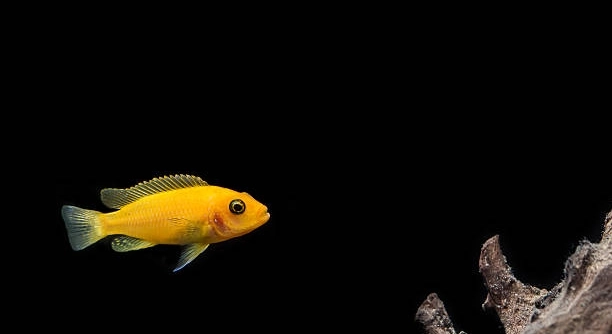
African cichlids are popular freshwater fish known for their vibrant colors and lively behavior. Many aquarium enthusiasts enjoy watching their interactions and wonder about their social nature. These fish often display interesting behaviors that can seem affectionate.
African cichlids do show behaviors that suggest affection, such as close swimming, cleaning each other, and guarding mates or offspring. These actions indicate social bonding and communication within their groups, reflecting complex emotional responses.
Learning more about these behaviors helps improve care and creates a better environment for cichlids to thrive happily in home aquariums.
How African Cichlids Show Affection
African cichlids often swim closely together, which can be a sign of bonding. They also engage in cleaning behaviors, where one fish gently nibbles at another to remove debris or parasites. This grooming helps build trust between them. Another clear sign of affection is when a cichlid guards its mate or young ones, staying close and defending them from threats. These actions go beyond simple survival instincts; they show that cichlids form social connections. Watching these moments can feel rewarding, especially when the fish display calm, gentle interactions. While not like mammals, these behaviors suggest cichlids experience a form of emotional connection. Understanding these signs allows better care and appreciation for their natural habits in an aquarium setting.
These behaviors indicate that affection in cichlids is based on mutual care and protection, rather than just instinctual responses.
Knowing how cichlids express affection helps create a more harmonious tank environment. It encourages owners to provide enough space and compatible companions so the fish can build bonds naturally.
Why Affection Matters in African Cichlids
Affection in African cichlids plays a role in their survival and social structure.
Affectionate behaviors promote strong pair bonds, which improve breeding success and protect offspring. When cichlids clean or swim together, it reduces stress and increases their overall well-being. This social interaction also helps establish dominance and hierarchy within groups without constant fighting. Stress from isolation or poor social conditions can lead to health issues or aggressive behavior. Creating an environment that supports these natural interactions benefits the fish’s mental and physical health. Observing affectionate behaviors gives insight into their needs and helps owners respond appropriately. Keeping cichlids in groups that allow for social bonding encourages more natural behavior, making the aquarium more lively and balanced. Proper tank setup, such as hiding places and adequate space, supports these social bonds and reduces conflict.
Signs of Affection to Watch For
African cichlids show affection through behaviors like following each other closely and sharing territory peacefully. These signs indicate comfort and social bonding.
Swimming side by side is a common sign of trust. Cichlids may also gently nudge or hover near each other, showing a sense of companionship. Cleaning behaviors, where one fish picks at another’s scales, are another clear sign. This grooming is not just about hygiene; it strengthens bonds. Protecting a mate or young is a strong indicator of affection, where one fish stays alert and close to guard against threats.
These behaviors can be subtle but meaningful. Watching your cichlids interact this way reveals their social nature. It shows they are more than just colorful decorations—they have complex relationships that make them interesting to observe. Providing space and stable conditions encourages these affectionate acts.
Creating a Supportive Environment
A proper environment helps cichlids express affection naturally. Avoid overcrowding and provide plenty of hiding spots to reduce stress and encourage social behaviors.
Good water quality and a well-balanced diet keep the fish healthy and more likely to engage in social bonding. Hiding places made from rocks or plants allow them to feel safe, promoting trust and closeness. Maintaining stable water conditions avoids aggression and supports peaceful interactions. Using compatible species together helps reduce conflicts, making it easier for affection to show.
A tank designed with the cichlids’ social needs in mind supports stronger bonds. When the environment feels secure, fish display more natural and affectionate behavior. This improves their well-being and makes the aquarium more enjoyable to watch.
Do African Cichlids Recognize Their Owners?
African cichlids can learn to recognize their owners through regular feeding and interaction. They often respond to familiar movements or sounds near the tank, showing interest or approaching the glass.
This recognition is based on conditioning rather than affection. The fish associate the owner with food or safety but do not form emotional bonds like pets such as dogs or cats.
Common Misunderstandings About Fish Affection
Many people mistake certain fish behaviors for affection when they are actually signs of stress or territory defense. Aggression can be confused with protective behavior.
Understanding the difference helps avoid misinterpreting the fish’s needs and improves care.
How to Encourage Bonding in Cichlids
Consistent feeding times and a calm environment help cichlids feel secure and more social. Avoid sudden changes that stress them out.
When Affection Turns to Aggression
Sometimes close behavior signals tension rather than affection, especially in small tanks. Watch for chasing or biting, which need to be managed quickly.
Do African cichlids show affection to each other?
Yes, African cichlids display signs of affection toward each other mainly through social behaviors like swimming closely together, mutual cleaning, and guarding. These actions help strengthen bonds and reduce stress within their group. While not as obvious as mammals, these behaviors indicate cichlids form meaningful social connections.
Can African cichlids recognize their owners?
African cichlids can learn to recognize the presence of their owners, usually through consistent feeding routines. They may swim to the front of the tank or show excitement when someone approaches. This recognition is linked to food anticipation rather than emotional attachment, but it still shows a level of awareness.
Why do African cichlids chase each other if they show affection?
Chasing is a natural part of establishing territory and hierarchy. Even in bonded groups, cichlids may chase to assert dominance or protect their space. This behavior does not always mean aggression but is necessary for social balance.
How can I tell if my cichlid is stressed or just showing affection?
Stress often involves erratic swimming, hiding, or color fading. Affectionate behavior looks calmer, like close swimming or gentle cleaning. If chasing turns into constant attacks or fin nipping, it signals stress or aggression, not affection.
Is it normal for cichlids to clean each other?
Yes, cleaning is a common social behavior in cichlids. It helps remove parasites and dead skin while building trust. This behavior is one of the clearest signs of positive social interaction between fish.
Do cichlids form lifelong bonds?
Cichlids often form strong pair bonds, especially during breeding. These bonds can last a long time, with partners sharing duties like guarding eggs or fry. Outside breeding, social bonds may shift depending on tank conditions.
What tank conditions help cichlids show affection?
Stable water quality, enough space, and hiding spots are crucial. Overcrowding or poor conditions increase aggression and stress, making affectionate behavior less likely. A well-maintained tank encourages natural social interactions.
Can affection between cichlids improve their health?
Positive social behavior reduces stress and supports immune function. Fish that feel secure in their group tend to be healthier and more active. Encouraging affectionate behavior benefits both mental and physical well-being.
How often do cichlids clean each other?
Cleaning frequency varies but usually happens several times daily in a peaceful group. If cleaning stops, it might signal stress, illness, or conflict within the tank.
Are some African cichlid species more affectionate than others?
Yes, some species show more social behaviors, like cleaning and guarding, while others are more territorial or solitary. Knowing your species helps set realistic expectations for their social interactions.
Can affection in cichlids be encouraged by the owner?
Owners can support affectionate behavior by maintaining good tank conditions and consistent routines. Avoiding sudden changes and providing enough space for socializing helps fish feel safe to bond.
What should I do if aggression disrupts affectionate behavior?
Separate overly aggressive individuals or increase tank size and hiding places. Ensuring the right balance of fish helps reduce conflicts, allowing affectionate behavior to return.
Does affection affect breeding success in cichlids?
Strong bonds between pairs improve breeding outcomes. Affectionate behaviors like cleaning and guarding protect eggs and fry, increasing survival rates.
Can cichlids show affection to fish of other species?
Sometimes, especially in community tanks where species tolerate each other. However, affection is usually strongest among their own species or closely related types.
How long does it take for cichlids to develop social bonds?
Bonds can form within days to weeks, depending on species and tank setup. Giving them time and space encourages these connections.
Is it normal for cichlids to ignore each other sometimes?
Yes, fish may spend time apart or focus on feeding and territory. Ignoring doesn’t mean lack of affection but reflects natural variation in social interaction.
Can young cichlids show affection?
Juveniles display social behaviors early, such as schooling and gentle cleaning. These actions help establish group cohesion as they grow.
Are affectionate behaviors more common in wild or captive cichlids?
Affectionate behaviors are natural in both but may be limited in captivity by tank size or population. Mimicking natural conditions supports these behaviors.
Does tank lighting affect affectionate behavior?
Proper lighting helps fish feel secure and display natural colors, which can promote social interaction. Too bright or too dim lighting might cause stress.
Can cichlids form attachments to other pets in the home?
No, cichlids do not form attachments to pets outside their aquarium environment. Their social bonds are limited to other fish.
African cichlids are fascinating fish with many social behaviors that can seem like affection. Their actions such as swimming close together, cleaning each other, and guarding mates or young ones show that they form social bonds. These behaviors are important for their well-being and help them live healthier, less stressful lives. While their way of showing affection is different from mammals, it still reveals a complex side of their behavior that makes them interesting to watch in an aquarium.
Understanding how African cichlids express affection can improve how they are cared for. Providing a good environment with stable water conditions, enough space, and hiding places helps them feel safe and secure. When cichlids are comfortable, they are more likely to display social behaviors that indicate bonding. It also helps reduce aggressive behavior that can happen if fish feel crowded or stressed. Being aware of these needs can make a big difference in how happy and healthy the fish stay.
Watching these fish interact over time can be rewarding. Their social behaviors offer a glimpse into how they live and communicate with each other. Knowing that their actions mean more than just survival helps owners appreciate them more deeply. Taking the time to support their natural habits shows respect for their nature and helps create a peaceful tank environment. This care benefits both the fish and the owner, making the experience of keeping African cichlids more enjoyable and fulfilling.

Hello,
If you enjoy the content that we create, please consider saying a "Thank You!" by leaving a tip.
Every little bit helps us continue crafting quality advice that supports the health, happiness, and well-being of pets around the world, for pets of all shapes, sizes, and species.
We really appreciate the kindness and support that you show us!