
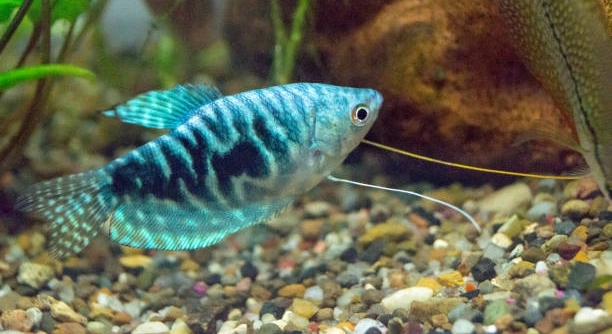
Is your gourami acting differently and no longer showing interest in its surroundings or other tank mates like it used to?
Gouramis may suddenly stop interacting due to stress, poor water quality, illness, or changes in their environment. Identifying the exact cause requires close observation, proper tank maintenance, and sometimes consultation with an aquatic veterinarian.
Learning how to spot the signs early can help you restore your gourami’s comfort and improve its overall tank behavior.
Common Reasons Gourami Stop Interacting
Gouramis are sensitive fish that often react quickly to their environment. When they suddenly stop interacting, stress is usually the first thing to consider. This stress can come from poor water quality, a sudden change in temperature, or overcrowding. Loud noises, aggressive tank mates, and lack of hiding spaces also contribute. These fish thrive in stable, well-maintained tanks with plenty of places to rest and explore. Even small fluctuations in water parameters like ammonia or pH can throw them off. Disease or injury may also be a reason, especially if the gourami is hiding or has visible signs like torn fins or spots. It’s important to notice behavior changes early and act before things worsen. In some cases, a shy gourami might just need time to adjust, but sudden, ongoing withdrawal often means something is off. Keeping the environment calm and clean can prevent many of these issues.
Start by testing the water and checking for other visible changes in the tank.
Once water quality is ruled out, think about other shifts in the tank. Did you add new fish? Was there a loud disturbance nearby? Sometimes, rearranging plants or decorations can confuse them. Anything new or different could be a factor. Always make changes slowly and observe reactions. Introducing changes gradually helps prevent unnecessary stress. Also, remember that not all gouramis are outgoing—some are naturally more reserved than others. That said, if your fish suddenly stops swimming around or seems less curious, it usually points to something specific. Observe for a few days. Look for additional signs like labored breathing or poor appetite. These clues can lead you to the real issue. If the behavior continues or worsens, isolation and a health check might be needed. A consistent cleaning schedule, gentle tank mates, and keeping a calm atmosphere go a long way toward keeping gouramis active and responsive.
What You Can Do to Help
Start with a full water test and check all your equipment. Filters, heaters, and air pumps need to work properly.
If your gourami is hiding or not eating, move quickly. Fix any water issues first—clean the tank, adjust the pH if needed, and replace old water. Keep lighting soft and stable. Loud sounds and constant movement near the tank can also bother your fish, so place the aquarium in a quiet location. If tank mates are picking on your gourami, consider separating them. Some species, even if usually peaceful, can show dominance. Watch closely for fin-nipping or chasing. Add more plants and hiding spaces to help reduce stress. Sometimes, feeding a varied, high-quality diet can also make a difference in their energy levels. If nothing changes after making environmental adjustments, it may be time to isolate your fish for observation or reach out to an aquatic vet. Acting early gives your gourami the best chance to bounce back.
Signs Your Gourami Is Stressed or Unwell
Gouramis may become less active, hide more often, or stay near the surface for long periods. They might also lose interest in food or show duller colors. These are often early signs of discomfort or stress.
Keep an eye on their breathing—rapid gill movement can signal poor water quality or illness. If they are gasping at the surface, it may mean there’s not enough oxygen in the water. Watch for changes in swimming, such as sudden jerks, floating sideways, or sinking behavior. Aggressive tank mates can also cause constant hiding and stress. If you see fin damage or white spots, that could point to infections or parasites. Behavioral shifts are often the first sign that something isn’t right, and they give you a chance to act before it gets worse.
Color fading is another strong sign of stress, especially if it happens quickly. Gouramis often display brighter colors when they’re feeling good, and dull tones can mean trouble. If your gourami is normally active and suddenly becomes reclusive, that’s a clear signal to investigate. Make a note of when the change started and what events may have caused it. Were there water changes? New fish added? Any loud activity near the tank? Stress may not always show immediately, so try to connect patterns over a few days. Look at their feeding response too—healthy gouramis usually eat eagerly. A refusal to eat can signal both emotional stress and physical illness. Taking notes helps you catch trends and track progress once changes are made.
When to Separate or Isolate Your Gourami
If your gourami continues acting withdrawn or looks physically unwell, isolation might be the best step. This gives you a chance to observe more closely without interference from tank mates.
Use a clean, separate tank or a well-ventilated isolation container inside the main tank. Match the temperature and water conditions as closely as possible to avoid more stress. Keep lighting soft and avoid loud noises or sudden movements. Observe your fish for a few days. Look for changes in behavior, breathing, appetite, or appearance. This controlled space helps rule out aggression as a cause and can make treatment easier if needed. Isolation is especially helpful when you’re unsure if the issue is health-related or social. If the gourami perks up when alone, that may mean it was being harassed or outcompeted for food. Keeping the environment calm and checking water daily is key to helping them recover and regain trust.
Environmental Changes That May Affect Behavior
Sudden changes in lighting, temperature, or loud noises can cause your gourami to stop interacting. Even minor adjustments to their routine or tank setup may lead to stress. Always make changes gradually and monitor closely.
Moving decorations or adding new tank mates can shift territory and throw them off. Stability helps them feel safe.
Illnesses That Can Lead to Withdrawal
Internal parasites, fin rot, and bacterial infections are common reasons for gouramis to become inactive. These illnesses may not always show physical symptoms at first, but behavioral changes often appear early. If your gourami becomes reclusive, refuses food, or shows any unusual swimming behavior, it may be the beginning of an illness. Treating the tank with aquarium-safe medication may help, but isolating the fish is sometimes needed to prevent spread. Look for pale coloring, clamped fins, or signs of bloating. Catching illness early improves the chances of recovery and helps protect the other fish in your tank from getting sick.
When to Talk to a Fish Vet
If behavior doesn’t improve after water changes, separation, or treatment, it’s time to contact a fish vet. They can help with advanced issues.
FAQ
Why did my gourami suddenly stop swimming around like before?
This often points to stress. Sudden behavior changes usually come from issues like poor water quality, temperature swings, or bullying from other fish. Even small adjustments to the tank—like rearranging plants or adding a new filter—can throw your gourami off. Start by checking the basics: temperature, ammonia, nitrite, and nitrate levels. If something’s off, do a water change and make corrections slowly. Give your fish a few days to readjust. If there’s no improvement, observe for other symptoms like clamped fins or faded color. These signs can help you figure out if illness is involved.
Can tank mates cause my gourami to hide or avoid interaction?
Yes, aggressive tank mates are a common reason gouramis stop interacting. Even if there’s no visible fighting, constant chasing or subtle bullying can cause them to stay hidden or become inactive. Some fish may compete for food or dominate territory. Watch your tank closely, especially during feeding time. If you notice your gourami avoiding others or missing meals, consider moving the aggressive fish or setting up a divider. You can also rearrange the tank to break up sightlines and reduce tension. Tank dynamics matter a lot, especially with more sensitive species like gouramis.
How long should I wait before worrying about a change in behavior?
If the behavior shift lasts more than a day or two, it’s worth checking your tank conditions. Sometimes fish have off days, especially after tank maintenance, but consistent withdrawal can signal something more serious. Keep a log of changes, including anything you’ve done recently—new plants, different foods, temperature changes, or water treatments. If you can’t identify the cause within a few days, isolate the gourami in a separate tank or breeder box to observe it more closely. Early action often makes recovery easier.
Is it normal for gouramis to be shy when first introduced to a tank?
Yes, it’s very common. New gouramis often hide for several days or even a week while adjusting. During this time, try to keep the environment calm. Avoid tapping on the glass or moving decorations. Offer food but don’t overfeed if they’re not eating yet. Once they feel safe, they’ll usually come out on their own. If they don’t settle in after a week, it could mean the tank isn’t set up in a way that makes them feel secure. Add more plants or hiding spots to reduce their anxiety.
What should I do if my gourami isn’t eating?
First, test the water and make sure it’s within the right range. Ammonia or nitrites can cause appetite loss. If the water is fine, consider whether the food is the issue—sometimes switching to frozen or live food can spark interest. If your gourami still isn’t eating after two or three days, isolate them and observe. Appetite loss can be an early sign of illness, especially when paired with hiding or sluggish movement. You might need to treat for internal parasites or bacterial infection, depending on other symptoms.
Can lighting affect my gourami’s mood or activity?
Yes, lighting plays a bigger role than many people realize. Strong, harsh light can stress out gouramis and make them less active. A more natural, dim setup helps them feel comfortable. If your lights are too bright, consider using floating plants to soften the effect or reduce the time the lights are on. Also, keep your lighting consistent—sudden changes can confuse or stress your fish. A gradual schedule that mimics day and night works best and helps your gourami stay relaxed and active.
Should I change the tank setup if my gourami is acting withdrawn?
Not immediately. Start by checking water parameters, tank mates, and signs of illness first. If those look fine, try small changes like adding more hiding spots or breaking up open areas with plants. Don’t move everything at once, as that can make things worse. Give each change a few days to settle in before doing more. If your gourami becomes more active again, you’re on the right track. Creating a tank layout that offers both open swimming space and places to retreat helps reduce stress in the long run.
How can I tell if my gourami is sick or just scared?
Scared gouramis usually hide but still breathe normally and will come out when it’s quiet. Sick gouramis often have other signs: clamped fins, odd swimming, loss of color, or labored breathing. Watch closely over a few days. If your fish perks up when other tank mates are removed or the environment is adjusted, fear was likely the cause. If symptoms get worse or spread to other fish, illness is more likely. Use isolation to observe more clearly and treat only when you’re sure it’s needed. Over-medicating can stress them more.
What’s the best way to help a gourami feel safe again?
Give them a calm, stable space. Avoid loud noises near the tank, and keep lights soft. Make sure the water is clean and the temperature is steady. Add hiding spots like plants or caves, and avoid frequent rearranging. Feed a varied diet to support their health. Most importantly, be patient—gouramis need time to settle. If they’ve been bullied, removing aggressive tank mates can make a huge difference. Watch for little signs of improvement like more movement or interest in food. These are good indicators that they’re starting to feel safe again.
Final Thoughts
Gouramis are peaceful and sensitive fish, and even small changes in their environment can affect their behavior. When they stop swimming actively or begin hiding more than usual, it’s often their way of reacting to stress. This can come from poor water quality, sudden shifts in temperature, or tension with tank mates. It doesn’t always mean something is seriously wrong, but it’s important to check for the basics right away. Testing the water, observing their tank companions, and reviewing recent changes can help you figure out what’s bothering them. Catching these signs early can often prevent more serious problems.
Sometimes, the solution is as simple as adding more plants or decorations to give your gourami a sense of security. Other times, it may involve removing aggressive fish or treating for illness if symptoms appear. Not all issues are immediately visible, and that’s why patience is important. Watching your gourami closely over a few days and keeping notes can give you a better picture of their patterns. The more you learn about your specific tank and fish, the easier it becomes to notice small problems before they grow. Stable conditions and a calm space usually bring shy or stressed gouramis back to normal.
Keeping gouramis healthy is mostly about balance. Clean water, a consistent temperature, a quiet setup, and the right mix of tank mates make a big difference. While it’s natural to worry when their behavior changes, reacting slowly and carefully is the best approach. Avoid rushing to treat them unless there’s a clear sign of illness. Most of the time, a bit of observation and a few small adjustments are enough. Creating a tank where your gourami feels safe not only helps them thrive but also makes your aquarium more enjoyable to watch. With care and time, their behavior will often return to normal.

Hello,
If you enjoy the content that we create, please consider saying a "Thank You!" by leaving a tip.
Every little bit helps us continue crafting quality advice that supports the health, happiness, and well-being of pets around the world, for pets of all shapes, sizes, and species.
We really appreciate the kindness and support that you show us!