
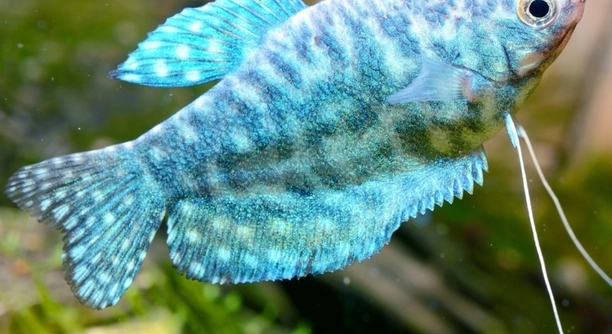
Gouramis are popular freshwater fish, admired for their calm nature and vibrant colors. However, like all pets, they can face health challenges that might not always be easy to spot. Recognizing early signs is important to keep them healthy.
Internal issues in gouramis often manifest through subtle behavioral and physical changes. Common signs include loss of appetite, unusual swimming patterns, swollen abdomen, lethargy, discoloration, rapid breathing, and abnormal feces. Identifying these symptoms early allows for timely treatment and better outcomes.
Knowing these signs can help you take action before problems worsen. Keeping an eye on your gourami’s behavior is key to their well-being.
Loss of Appetite
Loss of appetite is often one of the first signs that a gourami is experiencing internal issues. When a fish stops eating or shows less interest in food, it can indicate discomfort or illness inside its body. This change might be gradual or sudden, and it’s important to pay attention early on. Sometimes the gourami may nibble but not fully eat, which is also a warning sign. Ignoring this can lead to weakened health and further complications. Regularly observing feeding habits helps catch problems before they become severe. A healthy gourami usually eats eagerly and consistently, so any deviation should prompt closer monitoring or consultation with a vet.
Reduced appetite means the fish may not get enough nutrients to stay strong and heal. This can weaken the immune system and make recovery harder if illness is present.
If your gourami is eating less, it might be due to internal parasites, infections, or stress. Checking water quality and tank conditions is also essential, as poor environment can cause appetite loss. Treating the underlying cause quickly improves the chances of a full recovery.
Unusual Swimming Patterns
Gouramis that swim erratically or seem uncoordinated might be showing signs of internal trouble. Swimming near the surface, floating oddly, or sinking to the bottom can all indicate health problems. These behaviors often result from internal infections, swim bladder issues, or organ distress. Observing how your fish moves daily can help catch these signs early. Consistent unusual swimming is a clear signal to investigate further.
Erratic swimming is a visible symptom of many internal health challenges. It should not be ignored.
Unusual swimming patterns can stem from several internal conditions. Swim bladder disease, common in gouramis, affects buoyancy and causes difficulty maintaining balance. Internal bacterial or parasitic infections may also disrupt normal movement. Tank water quality plays a role; poor oxygen levels or toxins can worsen symptoms. Providing a clean, well-maintained environment supports recovery. If swimming problems persist, it’s important to consult a specialist who can recommend appropriate treatments or tests to identify the root cause. Acting quickly helps prevent worsening conditions and supports the fish’s health.
Swollen Abdomen
A swollen abdomen is a clear sign of internal problems in gouramis. It often signals bloating, internal parasites, or organ issues. This symptom should never be ignored as it can worsen quickly.
Swelling in the belly area may be caused by internal parasites feeding on the fish’s organs or fluids. Constipation can also lead to a swollen abdomen, especially if the fish is not getting enough fiber in its diet. Sometimes bacterial infections cause fluid buildup, making the belly look enlarged or distended. It’s important to check the fish’s diet and water quality, as poor conditions can contribute to these problems. Treatment depends on the cause but often involves medication and improving tank conditions.
In some cases, swim bladder disorder may cause a swollen look around the abdomen. This disorder affects buoyancy and may require special care and adjustments in feeding. Observing the fish closely and isolating it if necessary can help manage the situation and prevent further health decline.
Lethargy
Lethargy in gouramis means they are less active than usual, often resting at the bottom or hiding. This is a common sign of internal distress or illness.
When gouramis become lethargic, it usually indicates they are fighting an infection or suffering from internal damage. Low energy can result from poor nutrition, stress, or parasites inside the body. If the fish appears weak, with slow movements or little interest in swimming, it needs immediate attention. Maintaining clean water, stable temperature, and a balanced diet is crucial for recovery. Sometimes medications are necessary to treat infections or parasites causing lethargy.
Ignoring lethargy can lead to rapid health decline. Early diagnosis and treatment improve the chances of recovery. Regular observation and care help prevent this symptom from worsening and ensure your gourami stays healthy longer.
Discoloration
Discoloration in gouramis often points to internal health issues. Faded or patchy colors can indicate stress, infection, or poor nutrition.
Changes in color are usually a warning sign that something is wrong inside the fish. It’s important to monitor water quality and diet closely to help restore their natural vibrancy.
Rapid Breathing
Rapid breathing is a sign that your gourami may be struggling internally. It can indicate oxygen deficiency, infections, or gill damage. Watch for fast gill movement or gasping at the surface.
This symptom requires quick attention because it often signals poor water conditions or serious health problems needing treatment.
Abnormal Feces
Abnormal feces, such as stringy or discolored waste, can indicate internal parasites or digestive issues. Watching your gourami’s waste helps identify problems early and improve treatment success.
Regularly checking water cleanliness and feeding proper diets can prevent many causes of abnormal feces.
What causes internal issues in gouramis?
Internal problems in gouramis are usually caused by infections, parasites, poor water quality, or an unbalanced diet. Stress from overcrowding or sudden changes in the tank environment can also weaken their immune system, making them more vulnerable. Bacterial and fungal infections often develop when water conditions are not properly maintained. Parasites can enter through contaminated plants, other fish, or even new tank decorations. Feeding poor-quality food or overfeeding may lead to digestive problems that affect their internal health. Monitoring all these factors helps reduce the risk of internal issues.
How can I improve my gourami’s appetite?
Improving a gourami’s appetite starts with creating a calm and stable environment. Make sure the water is clean, the temperature is steady, and the tank is not overcrowded. Feeding small amounts of high-quality food several times a day is better than large portions all at once. You can also try offering a variety of foods such as flakes, pellets, frozen, or live foods to stimulate their interest. If loss of appetite continues, it may be necessary to check for parasites or infections and consider medication under guidance from a vet or fish specialist.
What should I do if my gourami has a swollen abdomen?
If your gourami’s abdomen is swollen, start by testing the water for ammonia, nitrites, and nitrates, and perform a partial water change if needed. Observe if the fish shows signs of constipation or parasites. Feeding shelled peas can help relieve constipation. If the swelling persists or worsens, consult a fish health expert for diagnosis and treatment, which may include anti-parasitic or antibacterial medication. Isolating the fish in a quarantine tank is a good idea to prevent spreading potential infections to other tank mates.
Can poor water quality cause internal issues?
Yes, poor water quality is one of the main causes of internal health problems in gouramis. High ammonia, nitrites, or nitrates damage fish organs and lower their resistance to infections. Dirty water also encourages harmful bacteria and parasites to grow, increasing the risk of disease. Regular water testing, frequent partial water changes, and maintaining good filtration are essential to prevent these problems. Keeping the tank clean supports your gourami’s immune system and overall well-being.
How do I know if my gourami has parasites?
Signs of parasites include loss of appetite, lethargy, swollen abdomen, rapid breathing, and abnormal feces. Sometimes you might notice the fish scratching against objects or rubbing its body on tank surfaces. Parasites may also cause discoloration or visible spots on the skin or fins. A proper diagnosis often requires observation and sometimes microscopic examination by a fish health professional. Early treatment improves recovery chances, so act quickly when these signs appear.
Is it normal for gouramis to change color?
Slight color changes can be normal due to lighting, stress, or mood. However, sudden or persistent discoloration usually indicates health problems like infections, parasites, or poor water conditions. Stress from overcrowding or aggressive tank mates can also cause color fading. Maintaining stable tank conditions and addressing any health issues will help your gourami keep its natural vibrant colors.
What treatments are safe for internal infections in gouramis?
Treatments depend on the diagnosis but often include antibiotics for bacterial infections or antiparasitic medications for parasites. Always follow the instructions carefully to avoid overdosing. Quarantine the sick fish to prevent spreading illness. Improving water quality and diet during treatment supports recovery. Avoid using medications unnecessarily, as this can harm the fish or beneficial tank bacteria. Consulting with a fish health expert before starting treatment is best.
How can I prevent internal issues in my gourami?
Prevention starts with good tank maintenance: clean water, proper filtration, stable temperature, and avoiding overcrowding. Feeding a balanced diet and avoiding overfeeding helps keep the digestive system healthy. Quarantine new fish and plants before adding them to the main tank to reduce the risk of introducing parasites or diseases. Regular observation allows early detection of problems. Keeping stress low by providing hiding places and peaceful tank mates supports your gourami’s health.
Internal issues in gouramis can be tricky to spot at first, but paying close attention to their behavior and appearance helps catch problems early. Signs like loss of appetite, unusual swimming, swelling, or changes in color are important signals that something might be wrong inside the fish. When these symptoms appear, it is best to act quickly by checking water conditions and the fish’s environment. Good care and timely treatment can make a big difference in helping gouramis recover from health problems. Regular observation and care are key to keeping them healthy and happy.
Maintaining a clean and stable tank environment is the best way to prevent internal problems in gouramis. Poor water quality, sudden changes, and overcrowding can all cause stress and weaken the fish’s immune system, making them more prone to illness. Feeding a balanced diet and avoiding overfeeding also support their overall health. Quarantining new fish and plants before introducing them to the tank helps protect your gouramis from infections or parasites. Prevention is always easier than treatment, so focusing on good tank habits will help your fish live a longer and healthier life.
If your gourami shows signs of internal trouble, don’t wait too long to take action. Some health issues can worsen quickly if ignored. Observing your fish daily and learning the common signs of illness will allow you to catch problems early. If needed, seek advice from a fish health professional for proper diagnosis and treatment. With proper care and attention, most internal issues can be managed or cured. Keeping your gouramis in a stable, clean environment and watching for changes will help ensure they stay strong and vibrant for years.

Hello,
If you enjoy the content that we create, please consider saying a "Thank You!" by leaving a tip.
Every little bit helps us continue crafting quality advice that supports the health, happiness, and well-being of pets around the world, for pets of all shapes, sizes, and species.
We really appreciate the kindness and support that you show us!