
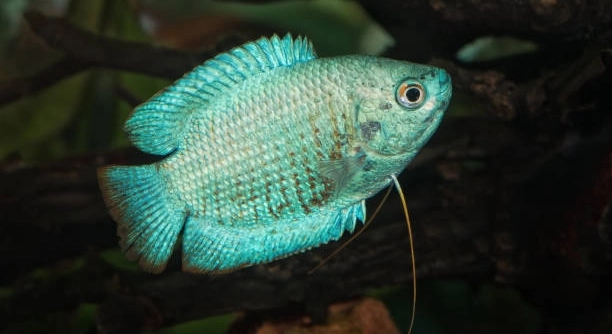
Are your gourami acting strange after a water change or when the filter makes too much noise? Tank disturbances can cause stress and trigger unusual behavior in these delicate freshwater fish, making it important to understand their impact.
Gourami respond to seven common tank disturbances with signs of stress, aggression, or illness. These include water quality shifts, strong currents, sudden noises, overcrowding, temperature changes, bright lights, and inconsistent feeding. Each factor disrupts their sense of stability.
By understanding how each disturbance affects your gourami, you’ll be better prepared to keep them calm, healthy, and thriving in their aquatic home.
Water Quality Shifts Affect Behavior
Poor water quality is one of the most common reasons gourami become stressed. Even slight changes in ammonia, nitrite, or nitrate levels can trigger erratic swimming, gasping at the surface, or hiding. Frequent testing helps you catch changes early. Gourami prefer soft, slightly acidic water, so sudden pH swings can upset their behavior. Regular water changes are helpful, but they must be done gently to avoid shocking the fish. Use a gravel vacuum to remove waste, and always match the temperature of the new water. Stable conditions keep your gourami calm and comfortable in their tank.
Dirty tanks don’t just look bad—they disrupt the balance gourami rely on to stay relaxed and active. Poor conditions can even make them more prone to illness or aggressive behavior with other fish.
When water parameters swing too far out of range, your gourami will let you know. You might see them becoming reclusive or sluggish. Sometimes, they’ll hover near the top or gulp at the surface. These are signs that the water is lacking oxygen or overloaded with waste. Keep an eye on your filter, too. A clogged or poorly functioning filter may not clean the tank well enough, especially in heavily stocked aquariums. Always maintain a consistent cleaning schedule.
Strong Currents and Filter Noise
Fast-moving water can make gourami feel unsafe, especially in smaller tanks. They prefer calm areas and get stressed when forced to swim against strong currents.
Gourami come from slow-moving waters, so powerful filters or loud bubbling can upset them quickly. If your filter output is too strong, adjust it or use a sponge to reduce the flow. Keep their environment calm by adding live plants or decorations that break up the current. Constant noise or vibrations from equipment can also make them skittish. Gourami often rely on surface breathing, so if the water moves too much, they may struggle to breathe comfortably. Watching how your fish react can help you spot what needs adjusting. Look for signs like clamped fins, hiding in corners, or avoiding certain areas of the tank. Maintaining a quiet, still space is a simple way to support your gourami’s well-being.
Sudden Noises and Vibrations
Gourami are sensitive to sound and feel vibrations through the water. Loud noises like banging on the tank, dropping objects nearby, or heavy foot traffic can easily startle them and cause them to hide, dart around, or show signs of distress.
Unpredictable noises disrupt the peaceful environment gourami need. When startled, they may bump into tank walls or decorations, risking injury. These sudden movements increase stress, lower immunity, and may even trigger aggressive behavior. If you live in a noisy household, try placing the tank in a quieter room or adding a tank background to block some sound. Also, check if your air pump or filter makes too much noise. Some models vibrate against surfaces, causing discomfort. Soft foam pads under equipment can help reduce this. A steady, calm setting helps your gourami feel more secure and improves their overall behavior in the tank.
Gourami can associate noise with danger, leading to long-term stress responses. Constant disruptions may prevent them from eating, interacting, or resting properly. Over time, this reduces their quality of life and increases the risk of illness. If they hide frequently or freeze in place, it may be time to check for repeated noise sources. Creating a quiet, predictable environment helps them stay relaxed and active throughout the day.
Overcrowding and Territory Stress
Too many fish in one tank can overwhelm gourami. They like having their own space, and overcrowding makes it harder for them to move freely or rest. Limited space increases competition, especially among males or other semi-aggressive species.
In small tanks, overcrowding leads to constant stress and tension. Gourami may begin chasing, flaring their fins, or nipping at tank mates. Territorial disputes become more frequent when there aren’t enough hiding spots or areas to retreat. Adding plants, caves, or driftwood helps create visual barriers that reduce aggression. Also, make sure the tank size matches the number of fish. For dwarf gourami, 10 gallons per pair is a good start. For larger species, aim for 20 gallons or more. Keeping your gourami in a well-planned space allows them to establish territories without conflict. It also promotes natural behavior and keeps your tank peaceful and balanced.
Temperature Fluctuations
Gourami need stable temperatures between 74°F and 82°F. Sudden drops or rises can weaken their immune system and cause them to become sluggish or hide. Avoid placing the tank near windows or vents where drafts or sunlight can affect the temperature.
Use a reliable heater and thermometer to keep the water consistent. If your home gets cold at night, consider using a heater with a thermostat. Temperature swings during water changes are also stressful. Always match the new water to the tank temperature before adding it. Keeping things steady helps your gourami stay healthy and active.
Bright Lights and Lack of Shelter
Bright lights can make gourami feel exposed and uncomfortable. They often prefer low to moderate lighting, especially when paired with floating plants or shaded areas. If your lighting is too strong, they may hide more often or appear stressed. Adding cover helps reduce this.
Inconsistent Feeding Routine
Gourami feel more secure when their feeding schedule stays the same. Random feeding times or skipped meals can lead to anxiety and even competition in the tank. Feed them once or twice daily at the same times to support calm behavior. Floating pellets work well since they feed near the surface.
FAQ
Can gourami get sick from stress?
Yes, stress can weaken a gourami’s immune system, making them more likely to get sick. Common signs include clamped fins, lack of appetite, fading color, or white spots on the body. Prolonged stress may lead to infections like ich, fin rot, or bacterial issues. Keeping water clean, avoiding sudden changes, and reducing aggression in the tank helps prevent stress-related illness. Always watch for changes in behavior. If a gourami suddenly hides more or stops eating, check the tank conditions and remove possible stress sources.
Do gourami need a filter with a strong current?
No, gourami prefer gentle water movement. They are native to slow-moving waters, so strong currents can tire them out or push them around the tank. A filter with an adjustable flow is best. You can also place plants or decorations in front of the output to reduce current strength. If your gourami are struggling to swim or sticking to one corner, the current may be too strong. Gentle filtration keeps the water clean without disturbing their natural behavior.
Why is my gourami hiding all the time?
Constant hiding can be a sign of stress. This could come from tank mates, water issues, too much light, or loud noises near the tank. If the behavior is new, test the water and check for changes. Also, make sure there are enough hiding spots like plants or decorations. Some gourami may hide during adjustment periods, but if it continues, look for possible triggers in the tank setup or household environment.
Are gourami aggressive toward each other?
Some species can be semi-aggressive, especially males. Dwarf gourami are usually peaceful, but three-spot or pearl gourami may become territorial. Overcrowding or lack of hiding places makes it worse. Aggression shows as chasing, nipping, or flaring fins. Keeping only one male per tank and adding visual barriers like plants can reduce conflict. Also, choosing tank mates with calm temperaments helps avoid tension.
Can tank mates cause stress in gourami?
Yes, choosing the wrong tank mates is a common stress source. Fin-nippers like tiger barbs or overly active fish can make gourami anxious. Stick to peaceful species like corydoras, small rasboras, or snails. Also avoid large or aggressive fish that may dominate feeding time or territory. Watching your gourami’s behavior around other fish can help you spot issues early. If they are chased often or avoid certain parts of the tank, it might be time to rearrange or separate tank mates.
What are signs of a happy gourami?
Healthy gourami explore the tank, eat regularly, and show interest in their surroundings. They may flare their fins briefly but settle quickly. Bright colors, smooth swimming, and bubble nest building (in males) are also positive signs. If your gourami is active, eats well, and interacts calmly, it’s likely feeling safe and comfortable. Watching their daily behavior helps you catch changes early and keep the tank in balance.
How often should I clean the tank to keep my gourami healthy?
Do partial water changes weekly, about 25–30%. Use a gravel vacuum to remove waste and uneaten food. Test water regularly for ammonia, nitrite, nitrate, and pH levels. Cleaning the filter monthly (without tap water) also helps maintain water quality. A clean tank supports stable conditions, which reduces stress for gourami. Avoid overfeeding, as leftover food can cause spikes in toxins. Small, consistent maintenance works better than large, infrequent cleanings.
Is it okay to use tank lights all day?
Too much light can stress gourami. Aim for 8 to 10 hours of light daily, mimicking a natural day cycle. Use a timer for consistency. Bright, harsh lighting should be softened with floating plants or adjustable fixtures. If your gourami hides more when the lights are on, consider lowering the intensity or adding shade. Balanced lighting helps your gourami feel safe and keeps the tank visually pleasing.
Final Thoughts
Gourami are sensitive to their environment, and small changes in the tank can affect their health and behavior. Watching how they react to disturbances like water changes, loud noises, or new tank mates is important. Each fish may respond differently, but common signs of stress include hiding, not eating, or acting aggressively. These signs shouldn’t be ignored, as they can lead to long-term problems if not addressed. A peaceful and steady environment helps gourami stay calm and healthy.
Maintaining water quality is one of the best ways to prevent stress. This means testing the water regularly, cleaning the tank, and avoiding sudden changes in temperature or pH. Feeding them properly and not overstocking the tank also make a difference. Gourami like a stable routine, so keeping their lighting, feeding, and cleaning schedules consistent can help reduce anxiety. Even small changes, like adjusting the flow of the filter or moving decorations, can affect them. It’s helpful to make changes slowly and watch their reactions closely.
Paying attention to your gourami every day will help you understand what’s normal for them. If something seems off, checking for stress signs early can prevent more serious issues. They often show subtle changes before becoming sick. If a fish suddenly hides more or stops eating, checking the water and reviewing any recent tank changes can help. With time, you’ll learn their habits and know when something is wrong. Creating a safe and steady environment will allow your gourami to live a comfortable, balanced life.

Hello,
If you enjoy the content that we create, please consider saying a "Thank You!" by leaving a tip.
Every little bit helps us continue crafting quality advice that supports the health, happiness, and well-being of pets around the world, for pets of all shapes, sizes, and species.
We really appreciate the kindness and support that you show us!