
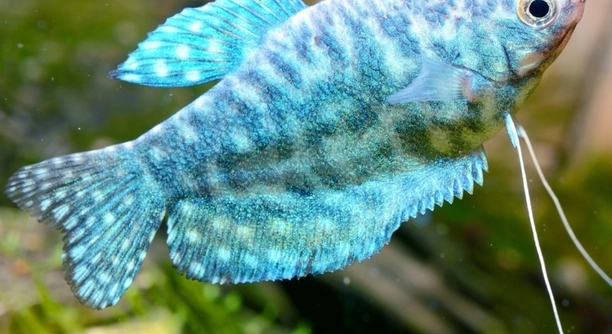
Gouramis are popular aquarium fish known for their beautiful colors and interesting behavior. Many owners enjoy watching them flare their fins as a sign of communication or display. However, some gouramis never seem to flare in certain tanks.
Gouramis may not flare due to several factors including tank size, water conditions, lack of stimuli, or presence of other fish. These elements can reduce their natural territorial or display behaviors, leading to minimal or no flaring in some environments.
Understanding why your gourami behaves this way can help improve its wellbeing and interaction in your aquarium. The following information will explore these causes more clearly.
Tank Size and Environment
The size of the tank plays a big role in whether gouramis flare or not. In smaller tanks, they often feel cramped and may avoid showing aggressive or territorial displays like flaring. Larger tanks give them enough space to establish territories and feel more confident. Besides size, the tank’s layout matters too. If there aren’t enough hiding spots or plants, gouramis may feel exposed and stressed, making them less likely to flare. A well-decorated tank with places to retreat helps them feel secure and more willing to show natural behaviors. Also, water quality can impact their mood. Poor water conditions can cause stress, reducing their desire to flare. Regular maintenance keeps the environment healthy, encouraging their natural instincts to appear.
Tank size directly affects gourami behavior, with smaller spaces often limiting flaring due to stress and lack of territory.
Creating a comfortable and spacious habitat with plants and hiding places supports your gourami’s well-being and natural displays. Make sure the water stays clean and stable to keep them feeling safe and active.
Social Dynamics and Tankmates
The other fish in the tank affect how gouramis behave. When housed with aggressive or overly active fish, gouramis may stay quiet and avoid flaring to prevent conflict. On the other hand, peaceful tankmates encourage calmer interactions and sometimes even prompt flaring if gouramis feel secure enough to show dominance. Gouramis are territorial, especially males, so having too many in a small space can stop flaring because they want to avoid fights. Proper grouping and careful selection of companions help maintain a peaceful balance, allowing gouramis to express their natural behaviors without stress or fear.
Social dynamics greatly influence whether gouramis flare, with peaceful companions encouraging normal behavior and aggressive fish causing restraint.
To create a harmonious tank, consider the temperament of all fish and provide enough room for territories. Keeping fewer males or separating aggressive species helps gouramis feel more confident, leading to more natural displays like flaring. This balance promotes a healthier, more engaging aquarium environment for everyone involved.
Stress and Health Issues
Stress can make gouramis avoid flaring altogether. When they feel threatened or uncomfortable, they conserve energy and stay calm. Stress can come from poor water quality, sudden changes, or overcrowding.
Stress lowers a gourami’s natural instincts, including flaring. If water parameters are off or the tank environment is unstable, gouramis won’t show much behavior. Illness or injury also reduces their willingness to flare since they focus on recovery. Keeping the tank clean and stable, with gentle handling, helps reduce stress. Regular observation of your fish’s health can catch problems early, allowing treatment before behavior changes become permanent.
When gouramis are healthy and stress-free, they are more likely to flare and display their full range of behaviors. A peaceful environment and proper care encourage confidence and activity. Understanding the signs of stress and addressing them quickly will help your gourami thrive and behave naturally.
Lack of Stimuli and Interaction
Gouramis need interaction and stimulation to show their natural behaviors, including flaring. A dull environment with no change or activity can make them less likely to flare.
Without other fish or visible reflections, gouramis may feel no need to display. In a quiet, uneventful tank, their motivation to flare decreases. Providing occasional changes like rearranging decorations or adding compatible tankmates encourages interaction. Even their own reflection can trigger flaring if they mistake it for another gourami. Introducing gentle stimuli creates a dynamic environment that helps gouramis express their natural behaviors and keeps them active and engaged in the tank.
Water Temperature and Quality
Water temperature affects gouramis’ activity levels and willingness to flare. Cooler water can make them sluggish and less likely to show display behaviors.
Maintaining stable, appropriate temperatures between 75-82°F helps gouramis stay active and healthy. Sudden temperature changes can cause stress, reducing flaring.
Age and Temperament
Younger gouramis or shy individuals may flare less often. Some fish simply have calmer personalities that don’t include frequent displays.
While age can affect behavior, personality plays a big role. Some gouramis are naturally less aggressive or territorial, so they might never flare much even in ideal conditions.
Lighting Conditions
Bright or harsh lighting can stress gouramis, causing them to hide or stay still. Soft, natural lighting encourages more natural behavior, including flaring.
Adjust lighting to mimic their natural habitat, using dimmers or floating plants to provide shade. This balance helps gouramis feel secure and comfortable in the tank.
FAQ
Why does my gourami never flare even though it looks healthy?
Even a healthy gourami might not flare if the environment doesn’t trigger this behavior. Factors like lack of other gouramis, no perceived threats, or a calm tank can make them feel no need to flare. Sometimes, the fish’s personality is simply less aggressive or territorial, so flaring is rare.
Can tank size really stop gouramis from flaring?
Yes. Smaller tanks limit space and make gouramis feel crowded. When they don’t have room to claim territory, they tend to avoid displays like flaring to reduce stress and conflict. Bigger tanks encourage natural behaviors by giving them space to establish zones.
Does water quality affect gourami flaring?
Absolutely. Poor water quality stresses fish, which lowers their activity and display behaviors. Maintaining clean water with regular changes and balanced parameters keeps gouramis comfortable and more likely to show their natural flaring.
Will gouramis flare more if they have tankmates?
It depends. Gouramis flare to establish territory or communicate, often triggered by other gouramis or similar fish. Peaceful companions may encourage flaring by creating gentle competition or social interaction. Aggressive or overly active tankmates might cause gouramis to stay quiet to avoid conflict.
Is it normal for some gouramis to never flare?
Yes, it’s normal. Individual personality and temperament vary. Some gouramis are naturally shy or calm and may rarely flare even in perfect conditions. Not all gouramis show this behavior frequently, and it doesn’t always indicate a problem.
How can I encourage my gourami to flare?
Creating the right environment helps. Ensure the tank is large enough with plenty of hiding spots and plants. Keep water quality high and stable. Adding another gourami or placing a gentle reflection near the tank can stimulate flaring by triggering territorial instincts. Avoid overcrowding to reduce stress.
Does lighting affect gourami flaring?
Yes. Bright, harsh lights can make gouramis feel exposed and stressed, reducing flaring. Soft, natural lighting with shaded areas helps them feel safe and confident, encouraging natural behaviors like flaring.
Can stress stop my gourami from flaring?
Stress strongly affects behavior. Stressors like poor water conditions, sudden changes, overcrowding, or aggressive tankmates can cause gouramis to hide or stay still instead of flaring. Reducing stress with a calm environment and good care helps bring back natural displays.
Do gouramis flare for reasons other than aggression?
Yes, flaring can serve different purposes. Besides showing dominance or defending territory, gouramis may flare during mating rituals or as a response to reflections. It’s a natural way to communicate, not always a sign of hostility.
Should I be worried if my gourami never flares?
Not necessarily. Some gouramis are just less prone to flaring. Focus on their overall health, eating habits, and activity. If your gourami looks healthy and behaves normally otherwise, the lack of flaring isn’t usually a cause for concern.
Can changing the tank setup help with flaring?
Changing the layout can stimulate your gourami. Adding plants, caves, or rearranging decorations creates new territory and interest, which might encourage flaring. Small changes keep the environment dynamic and help trigger natural behaviors.
Does temperature influence how often gouramis flare?
Yes. Cooler water slows down their metabolism and reduces activity, making flaring less frequent. Keeping the temperature steady within the recommended range keeps gouramis active and more likely to display.
Is it safe to use a mirror or reflection to make gouramis flare?
Using a mirror briefly can trigger flaring because the fish thinks another gourami is nearby. However, this should be done sparingly to avoid stressing your fish. Prolonged exposure can cause anxiety and harm their well-being.
How do I know if my gourami is stressed besides not flaring?
Look for signs like hiding constantly, loss of appetite, rapid breathing, or faded colors. These are common stress symptoms. If your gourami stops flaring and shows these signs, check water quality and tank conditions immediately.
Can diet affect gourami behavior?
A poor diet can reduce energy and activity levels, including flaring. Feeding a balanced diet with variety keeps gouramis healthy and more likely to behave naturally. Nutritional deficiencies can make them lethargic and less responsive.
Are all gourami species equally likely to flare?
No, flaring varies by species. Some gouramis, like the dwarf gourami or pearl gourami, are known for flaring more often. Others may show less obvious displays depending on their natural behavior and temperament. Knowing your species helps set expectations.
Gouramis are unique fish with different personalities and behaviors, and it is important to remember that not all of them will flare often. Many factors influence whether a gourami shows this display, such as tank size, water conditions, tankmates, and even the fish’s own temperament. Understanding these elements helps explain why your gourami may never flare in some tanks. It’s normal for some gouramis to be less aggressive or less interested in flaring, so not seeing this behavior doesn’t always mean something is wrong.
Taking good care of your gourami’s environment is key to encouraging natural behavior. Providing enough space and hiding places, keeping water clean and stable, and choosing peaceful tankmates all help your fish feel secure. Stress is a major reason why gouramis may avoid flaring, so reducing stress through proper care is essential. Small adjustments in lighting and adding gentle stimuli like reflections or rearranged decorations can also make a difference. When the tank conditions are right, you are more likely to see your gourami feel confident and active.
At the end of the day, every gourami is different. Some may never flare much, while others show it frequently. The best approach is to focus on the overall health and happiness of your fish rather than just one behavior. If your gourami is eating well, swimming normally, and looks healthy, it is likely doing fine even without much flaring. Observing and learning about your fish’s habits over time will help you provide the best care possible, allowing your gourami to live comfortably in its home.

Hello,
If you enjoy the content that we create, please consider saying a "Thank You!" by leaving a tip.
Every little bit helps us continue crafting quality advice that supports the health, happiness, and well-being of pets around the world, for pets of all shapes, sizes, and species.
We really appreciate the kindness and support that you show us!