
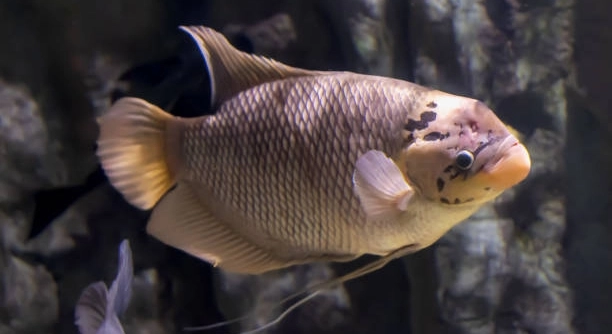
Gouramis are popular aquarium fish known for their peaceful nature and unique feeding habits. Understanding what textures they prefer can help improve their diet and overall health. This article explores the textures gouramis tend to favor over others.
Gouramis show clear preferences for certain food textures, favoring softer and more easily digestible options such as flakes, pellets, and live foods like bloodworms and brine shrimp. These textures promote better feeding efficiency and nutrient absorption.
Knowing which food textures your gourami prefers can enhance its well-being and make feeding time more enjoyable for both of you. This guide will help you make better choices when selecting their diet.
Soft Flakes and Pellets
Soft flakes and pellets are among the easiest textures for gouramis to eat. These foods break down quickly in water, making them accessible and gentle on the fish’s delicate mouths. Many commercial flakes and pellets are designed specifically for tropical fish, ensuring they contain balanced nutrients that support health and growth. Gouramis tend to favor softer flakes because they mimic the natural detritus and tiny organisms they feed on in the wild. Pellets that swell slightly in water also appeal to them, offering a satisfying texture without being too hard. Using these textures regularly helps maintain their diet variety while keeping them interested during feeding times.
Flakes and pellets are reliable staples for gouramis, providing essential nutrition with a texture that suits their feeding style well.
Offering soft flakes and pellets regularly supports a balanced diet and reduces the risk of choking or injury during feeding, contributing to your gourami’s long-term well-being.
Live and Frozen Foods
Live and frozen foods offer a natural texture that appeals to gouramis and encourages natural hunting behavior. These foods, such as bloodworms, brine shrimp, and daphnia, have a soft but firm feel that is easy to chew and digest. Gouramis are instinctively drawn to the movement and texture of live prey, making feeding more engaging and stimulating. Frozen alternatives provide a convenient way to offer similar textures without needing to keep live cultures. Both live and frozen foods help diversify their diet, providing proteins and nutrients that may not be as abundant in flakes or pellets.
Live and frozen foods bring variety and richness to your gourami’s meals, helping maintain their vitality.
Incorporating these foods occasionally encourages natural behaviors and boosts overall health. They also provide a break from processed diets, which can improve digestion and coloration. Ensuring these foods are clean and parasite-free is essential for preventing illness. Balancing live or frozen feeds with staples like flakes and pellets offers the best nutritional support, keeping your gouramis happy and thriving over time.
Gel and Paste Foods
Gel and paste foods offer a soft, moist texture that gouramis find easy to consume. These foods can be made at home or bought commercially and often include vitamins and minerals.
Gel foods maintain their shape but break down slowly, providing a steady food source. They are especially useful for fish recovering from illness or stress, as the soft texture reduces the risk of injury while feeding. Pastes can be spread on surfaces or molded into shapes, encouraging natural foraging behaviors. These textures also hold nutrients well, making them a nutritious choice.
Feeding gel or paste foods regularly supports digestive health because of their moisture content. The slow breakdown helps gouramis eat at their own pace, reducing waste and keeping the tank cleaner. They are a good supplement to flakes and live foods, adding variety without overwhelming the fish’s system.
Crunchy and Hard Foods
Crunchy or hard foods, like certain freeze-dried options, are less preferred but can provide dental benefits and texture variety. Gouramis tend to avoid very hard textures due to their softer mouths.
Some hard foods can help maintain beak-like teeth by gently wearing them down. However, offering these foods should be done sparingly to avoid stress or injury. Freeze-dried shrimp or krill can add crunch without being too tough. These foods often contain essential proteins but can dry out quickly and should be soaked before feeding.
Balancing crunchy foods with softer textures ensures your gourami’s diet remains comfortable and nutritious. Providing occasional hard food keeps their feeding experience interesting and may improve jaw strength. Always observe how your fish reacts and adjust the diet accordingly to prevent feeding difficulties or discomfort.
Leafy and Plant-Based Foods
Leafy vegetables like spinach and lettuce offer a soft, fibrous texture gouramis can nibble on easily. These foods add variety and some essential nutrients to their diet.
Gouramis usually enjoy blanched leaves because the softened texture is easier to eat. Fresh plant matter supports digestion and can help with natural grazing behavior, keeping them active and healthy.
Small Insects and Larvae
Small insects and larvae provide a soft but slightly textured food option. They closely resemble natural prey and encourage natural feeding instincts.
Including insects like mosquito larvae or fruit flies enriches the diet with proteins and nutrients. They can be offered live or frozen, making them convenient and beneficial for your gourami’s health and activity levels.
Algae-Based Foods
Algae-based foods come in various forms like wafers or tablets, offering a firm yet palatable texture for gouramis. These foods provide essential vitamins and fiber to aid digestion.
What textures do gouramis prefer the most?
Gouramis mostly prefer soft and easily digestible textures. Foods like flakes, pellets, and live or frozen items such as bloodworms and brine shrimp are favorites. These textures are gentle on their mouths and mimic their natural diet, allowing them to feed comfortably and efficiently. Hard or crunchy foods are generally less favored because gouramis have delicate mouths that can be hurt by tough textures.
Can gouramis eat crunchy or hard foods?
While gouramis can nibble on some crunchy foods like freeze-dried shrimp or krill, these should be offered sparingly. Crunchy textures may help with jaw strength but can be too tough or stressful for them if given too often. It’s important to soak freeze-dried foods before feeding to soften them. Overfeeding hard foods might lead to feeding difficulties or discomfort.
Are live foods necessary for gouramis?
Live foods are not absolutely necessary but are highly beneficial. They offer natural movement and texture, which can stimulate your gourami’s feeding instincts. Foods like live bloodworms, daphnia, or mosquito larvae provide excellent protein and help diversify the diet. If live foods are not available, frozen alternatives are a good substitute, offering similar textures and nutrients.
How often should I feed my gourami live or frozen foods?
Feeding live or frozen foods about two to three times a week is sufficient for most gouramis. This frequency supports a balanced diet without overfeeding protein-rich items. On other days, softer flakes or pellets can be the main diet. This rotation keeps your gourami interested and ensures they receive a range of nutrients from different textures.
Can gouramis eat plant-based foods?
Yes, gouramis can benefit from plant-based foods like blanched spinach, lettuce, or even algae wafers. These foods add fiber to their diet, aid digestion, and encourage natural grazing behavior. Leafy vegetables should be softened by blanching to make them easier to eat. Algae-based foods also supply vitamins and minerals important for their health.
Are gel or paste foods good for gouramis?
Gel and paste foods are excellent options, especially for fish recovering from illness or stress. Their soft, moist texture makes feeding easier and reduces the risk of choking. These foods break down slowly, providing steady nutrition. They can be homemade or bought commercially, often enriched with vitamins and minerals to boost your gourami’s health.
How do I know if my gourami likes a specific food texture?
Observe your gourami during feeding. If it eagerly eats the food without hesitation, that texture is likely preferred. Hesitation, spitting out food, or ignoring it might mean the texture isn’t appealing or comfortable. Changing the texture or type of food gradually can help identify what works best. Also, note any signs of stress or feeding difficulty linked to certain textures.
Should I avoid any textures entirely for gouramis?
Very hard, sharp, or overly dry foods should be avoided because they can injure gouramis’ soft mouths. Large pieces that require heavy chewing are not recommended. Always choose foods designed for small tropical fish and consider soaking dry foods before feeding. Soft textures that break down easily tend to be the safest and most suitable.
Can food texture affect my gourami’s health?
Yes, food texture impacts digestion and feeding efficiency. Softer foods reduce the risk of choking or mouth injuries, while harder foods might cause stress or damage if overused. A balanced diet with varied textures supports digestion, natural behaviors, and overall vitality. Avoiding unsuitable textures helps prevent feeding problems and digestive issues.
What if my gourami refuses to eat certain textures?
If your gourami refuses a food texture, try offering softer or more familiar options. Mixing different textures can encourage acceptance. Sometimes, the fish needs time to adjust to new foods. Make sure the food is fresh and appropriate for their size. Consistency in feeding times and environment can also improve their willingness to try different textures.
Gouramis have clear preferences when it comes to food textures. They tend to favor softer, easy-to-eat foods like flakes, pellets, and live or frozen options such as bloodworms and brine shrimp. These textures make feeding comfortable for them and support good digestion. Offering a variety of food textures helps keep their diet balanced and interesting. Soft foods reduce the risk of injury to their delicate mouths, while occasional firmer textures can encourage natural feeding behaviors. Understanding these preferences helps in choosing the right foods and maintaining your gourami’s health over time.
It is important to provide a mix of textures for your gouramis to enjoy. Soft flakes and pellets are convenient staples that offer essential nutrients in a gentle form. Adding live or frozen foods occasionally provides protein and mimics natural prey, stimulating their feeding instincts. Gel and paste foods can be useful, especially if your fish are recovering from illness or need extra nutrition. While crunchy and hard foods should be given sparingly, they can contribute to jaw strength and add variety. Leafy vegetables and algae-based foods offer fiber and vitamins, supporting digestion and overall well-being.
Feeding gouramis with attention to texture ensures they get the nutrition they need without discomfort. Observing their eating habits helps identify which foods they prefer and tolerate best. Avoiding overly hard or dry foods prevents feeding difficulties and possible injury. By offering a well-rounded diet with suitable textures, you help your gouramis stay healthy, active, and happy. Consistency and variety are key to making feeding time both nourishing and enjoyable for these peaceful fish.

Hello,
If you enjoy the content that we create, please consider saying a "Thank You!" by leaving a tip.
Every little bit helps us continue crafting quality advice that supports the health, happiness, and well-being of pets around the world, for pets of all shapes, sizes, and species.
We really appreciate the kindness and support that you show us!