
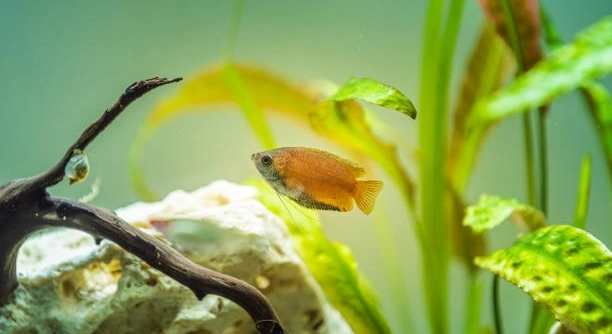
Gouramis are popular freshwater fish often seen in home aquariums. Sometimes, they spend a lot of time hovering near the water surface. This behavior can be noticeable and may indicate changes in their environment or health.
Gouramis hover at the surface primarily to access oxygen when water oxygen levels are low. They use their labyrinth organ to breathe air, making surface hovering a survival adaptation to low oxygen or poor water quality.
Understanding why gouramis stay at the surface helps maintain a healthy aquarium environment and ensures the well-being of these unique fish. This article explains the reasons behind this behavior and offers practical advice.
Causes of Gourami Hovering at the Surface
Gouramis often hover at the surface because of oxygen needs. When the oxygen levels in the water drop, gouramis rely on their labyrinth organ to breathe air directly. This organ allows them to extract oxygen from the surface, which is why they spend more time near the top. Poor water quality can also contribute to this behavior. High levels of toxins, such as ammonia or nitrites, reduce oxygen availability and stress the fish. Additionally, water temperature affects oxygen levels; warmer water holds less oxygen, pushing gouramis to seek air at the surface. Overcrowding and insufficient filtration can worsen these conditions. Noticing gouramis at the surface is a sign to check water parameters and aquarium setup. Regular testing and maintenance help keep the environment balanced, preventing stress and health issues related to low oxygen or poor water conditions.
Poor water quality and oxygen depletion are common reasons for surface hovering.
Addressing the causes involves checking oxygen levels and water parameters regularly. Improving filtration and ensuring adequate surface agitation help increase oxygen in the water. Avoid overstocking the tank to reduce competition for oxygen. Keeping the temperature stable also supports oxygen availability. If necessary, adding an air stone or increasing water movement can improve oxygenation. Monitoring these factors will reduce gouramis’ need to stay at the surface and promote healthier behavior overall.
Signs of Stress Related to Surface Hovering
Surface hovering can indicate stress in gouramis. Stress may show through lethargy, loss of appetite, or unusual swimming patterns. If gouramis spend extended periods at the surface, it signals discomfort or poor tank conditions. Addressing stress early prevents further health problems and potential disease outbreaks.
Stress signs often coincide with water quality issues and should not be ignored.
Stress from poor water conditions weakens the immune system, making gouramis vulnerable to infections and parasites. Long-term exposure to low oxygen and toxins damages gill tissues, impairing breathing efficiency. Behavioral changes like hiding or increased aggression may also appear. Maintaining stable water parameters and providing a well-balanced diet supports recovery and resilience. Routine cleaning, water changes, and monitoring ensure a healthy environment. Creating hiding spots and reducing sudden disturbances helps lower stress. Recognizing and responding to these signs quickly improves gouramis’ well-being and longevity in the aquarium.
Improving Oxygen Levels in the Aquarium
Increasing oxygen in the tank reduces gouramis’ need to hover at the surface. Good water circulation helps oxygen dissolve better. Using air stones or filters that agitate the surface promotes oxygen exchange.
Adding an air stone creates tiny bubbles that raise oxygen levels efficiently. Proper placement of the filter outlet to disturb the water surface supports gas exchange. Avoid stagnant areas in the tank by adjusting decorations and plants. Regular water changes also replenish oxygen and remove waste. Monitoring temperature is important since warm water holds less oxygen, so keeping it stable within the recommended range benefits the fish. Together, these steps help maintain healthy oxygen levels and reduce surface-hanging behavior.
Besides oxygenation, avoiding overcrowding is key. Too many fish compete for limited oxygen and produce more waste. Keeping stocking levels appropriate for tank size prevents oxygen depletion and stress. Removing uneaten food and debris helps maintain water quality, further supporting oxygen availability. Each small adjustment can improve your gouramis’ comfort and reduce the frequency of surface hovering.
Monitoring Water Quality for Healthy Gouramis
Water quality directly affects gouramis’ health and behavior. Testing ammonia, nitrite, nitrate, and pH levels regularly ensures the tank remains safe. These parameters impact oxygen availability and fish stress.
Maintaining stable water chemistry reduces stress and supports immune function. High ammonia or nitrite is toxic and must be addressed quickly with water changes or filtration upgrades. Nitrate levels should be kept low through regular partial water changes and avoiding overfeeding. pH should stay within the recommended range for gouramis, usually slightly acidic to neutral. Keeping these factors balanced minimizes the chances of surface hovering caused by poor water conditions. Routine monitoring and maintenance are essential for a thriving aquarium environment.
Proper Tank Temperature
Maintaining the right temperature is essential for gouramis. Temperatures that are too high reduce oxygen levels, causing them to hover near the surface. Keeping the water between 74°F and 82°F supports their health.
Using a reliable aquarium heater and thermometer helps keep the temperature steady. Sudden changes can stress gouramis and impact their breathing.
Feeding and Nutrition
A balanced diet supports gouramis’ overall health. Overfeeding can pollute the water, reducing oxygen and increasing surface hovering. Feed small portions once or twice daily, removing leftovers promptly to maintain water quality.
Tank Size and Space
Gouramis need enough space to swim freely. Overcrowded tanks limit oxygen and increase stress. A minimum of 20 gallons per gourami is recommended to ensure comfort and reduce surface hovering behavior.
Signs of Illness
Persistent surface hovering might signal illness. Look for other symptoms like clamped fins, discoloration, or rapid breathing. Early detection and treatment are crucial to prevent worsening health conditions.
FAQ
Why do gouramis hover at the surface only sometimes?
Gouramis use their labyrinth organ to breathe air when oxygen in the water is low. They may hover at the surface more often during warmer days or if water quality declines. If oxygen levels improve, they usually swim throughout the tank again.
Can surface hovering mean my gourami is sick?
Yes, frequent surface hovering combined with other symptoms like clamped fins, lethargy, or loss of appetite can indicate illness. Poor water conditions can cause stress and lead to disease. Regular water testing and observation are important to catch problems early.
How can I test oxygen levels in my aquarium?
Special dissolved oxygen test kits are available for aquarium use. These kits help monitor oxygen concentration in the water. Observing fish behavior is also useful; frequent surface hovering often signals low oxygen, but testing confirms it.
Will increasing aeration stop gouramis from hovering at the surface?
Improving aeration usually helps by raising oxygen levels in the tank. Using air stones, filters with strong water circulation, or increasing surface agitation can reduce the need for gouramis to breathe air at the surface.
Is surface hovering normal behavior for gouramis?
Occasional surface hovering is normal since gouramis naturally breathe air. Problems arise when it becomes persistent, indicating poor water quality, low oxygen, or stress.
How often should I do water changes to prevent surface hovering?
Regular partial water changes every 1 to 2 weeks help maintain water quality and oxygen levels. This schedule removes waste and toxins that reduce oxygen availability, promoting healthier fish behavior.
Can tank size affect surface hovering?
Yes, small or overcrowded tanks limit oxygen supply and increase waste buildup, causing gouramis to hover at the surface. Providing at least 20 gallons per fish reduces this risk.
Does temperature influence surface hovering?
Higher temperatures reduce oxygen solubility in water, causing gouramis to seek air at the surface more often. Keeping the tank temperature stable between 74°F and 82°F helps maintain proper oxygen levels.
What foods are best to keep gouramis healthy?
A balanced diet including high-quality flakes, pellets, and occasional live or frozen foods like brine shrimp or bloodworms supports gouramis’ immune systems. Avoid overfeeding to prevent water pollution.
Can plants help reduce surface hovering?
Live plants improve water quality by producing oxygen during photosynthesis. They also absorb harmful substances and provide hiding spots, which reduce stress and support healthier fish behavior.
How can I tell if my gourami is stressed?
Signs of stress include surface hovering, rapid breathing, loss of appetite, hiding, or erratic swimming. These signs often result from poor water conditions or incompatible tank mates.
What should I do if my gourami keeps hovering at the surface despite good water quality?
Check tank temperature and oxygenation. Some individual gouramis may breathe air more often as a normal behavior. Ensure proper tank size, minimal stress, and a balanced diet. If behavior persists, consult an aquarium specialist.
Are certain gourami species more prone to surface hovering?
All gouramis have labyrinth organs, but some species, like dwarf gouramis, may surface more often. Differences depend on their natural habitats and sensitivity to water conditions.
Can surface hovering damage gouramis?
Surface hovering itself is not harmful but signals potential issues. Prolonged oxygen deprivation or poor water quality can cause long-term health problems. Maintaining a good environment prevents these risks.
Is adding an air stone necessary for all gourami tanks?
Not always. Well-maintained tanks with good filtration and proper stocking levels may not need extra aeration. However, air stones can improve oxygen levels in crowded or warm tanks.
How does overcrowding affect gourami behavior?
Too many fish in one tank increase waste and reduce oxygen, causing gouramis to hover at the surface. Overcrowding also raises stress and aggression, impacting overall health.
What is the labyrinth organ, and why is it important?
The labyrinth organ allows gouramis to breathe atmospheric air, helping them survive in low-oxygen waters. This organ is why surface hovering is a natural behavior when oxygen in water drops.
How can I improve water circulation without stressing the gouramis?
Use gentle filters or adjust flow rates to create surface movement without strong currents. Avoid placing decorations where they block circulation. Balance water movement to keep oxygen high and fish comfortable.
Is surface hovering a sign of breeding behavior?
Male gouramis build bubble nests near the surface, which can involve surface activity. However, constant hovering due to breathing needs is different from breeding behavior and usually linked to environmental factors.
What routine care helps prevent surface hovering?
Regular water changes, temperature monitoring, balanced feeding, appropriate stocking, and checking water parameters prevent low oxygen and stress. Consistent care keeps gouramis healthy and reduces surface hovering frequency.
Final Thoughts
Gouramis hovering at the surface is a behavior closely linked to their need for oxygen. While some surface breathing is natural due to their labyrinth organ, frequent or constant hovering signals that conditions in the aquarium need attention. Proper oxygen levels, clean water, and a stable environment are essential to their well-being. Addressing these factors helps ensure your gouramis remain comfortable and healthy in their tank.
Maintaining good water quality plays a key role in preventing excessive surface hovering. Regular water changes remove waste and toxins that lower oxygen availability. Monitoring parameters such as ammonia, nitrites, nitrates, and pH keeps the environment safe for gouramis. Keeping the tank well-aerated and ensuring proper circulation further supports oxygen exchange. Together, these steps reduce stress and minimize the need for gouramis to rely heavily on air from the surface.
Tank size, temperature, and feeding habits also affect gourami behavior. Overcrowded tanks limit oxygen and increase competition among fish. Stable temperatures between 74°F and 82°F prevent oxygen depletion caused by warmer water. Feeding small amounts and avoiding overfeeding helps maintain water quality and oxygen levels. Paying attention to these details creates a balanced habitat where gouramis thrive without needing to hover at the surface constantly. Regular observation and care ensure any issues are caught early, supporting long-term fish health.

Hello,
If you enjoy the content that we create, please consider saying a "Thank You!" by leaving a tip.
Every little bit helps us continue crafting quality advice that supports the health, happiness, and well-being of pets around the world, for pets of all shapes, sizes, and species.
We really appreciate the kindness and support that you show us!