
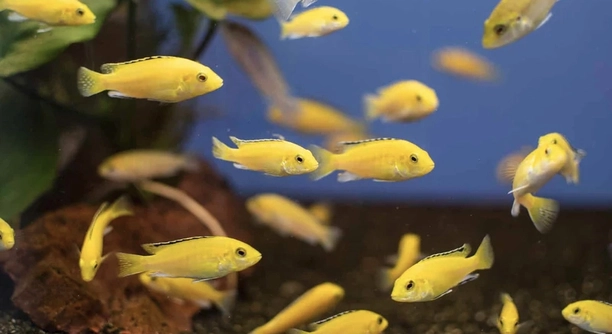
Electric Yellow Cichlids are known for their bright color and active personalities, but sometimes they seem to vanish behind rocks or hide in corners. Their sudden shyness can worry fish owners who are used to their lively behavior.
The sudden shyness in Electric Yellow Cichlids is often caused by changes in their environment, such as water quality fluctuations, aggressive tank mates, or sudden disturbances. These factors can trigger stress, leading the fish to seek shelter and reduce activity.
Understanding these triggers can help you create a calmer aquarium and maintain your cichlids’ natural, vibrant behavior over time.
Changes in Water Quality
Electric Yellow Cichlids are sensitive to shifts in water conditions. Even small changes in temperature, pH, or hardness can make them anxious and withdrawn. When I first noticed my cichlids hiding more than usual, I checked the water parameters and found a slight rise in ammonia levels. This explained their sudden behavior shift. Sudden changes in their environment make them feel unsafe, triggering hiding and reduced activity. Regular testing and keeping the water stable is essential. Consistent water changes and monitoring help them feel secure and comfortable. It is easy to overlook minor fluctuations, but they have a strong effect on these fish. Maintaining proper filtration and avoiding overfeeding can prevent spikes in nitrates and ammonia. Observing your fish daily gives clues about their comfort level, allowing you to respond before stress becomes severe. A steady and clean environment encourages their natural curiosity and bright coloration to return over time.
Keeping water conditions stable ensures your cichlids remain active, healthy, and visually vibrant, reducing stress-related hiding behaviors.
Small tweaks in water temperature or pH often restore their confidence, letting them explore the tank freely again.
Aggressive Tank Mates
Aggression from other fish can make Electric Yellow Cichlids retreat frequently. Territorial behavior, chasing, or nipping by larger or more dominant species creates constant stress. I noticed one of my cichlids rarely came out of hiding when paired with a more aggressive tank mate. Stress from bullying can weaken their immune system and dull their coloration. Arranging the tank to include hiding spots like rocks and caves helps reduce confrontations, giving them safe spaces. Selecting compatible species and limiting overcrowding is crucial. Observing interactions allows quick separation if aggression escalates. Even subtle harassment can trigger extended periods of shyness. Introducing new fish slowly and monitoring their behavior prevents unnecessary tension. A well-planned community tank encourages each fish to feel secure, minimizing stress-induced hiding. Over time, when cichlids feel safe, they gradually resume normal swimming patterns and social behaviors. By managing aggression carefully, their natural energy and color can return without constant worry.
Aggressive interactions are a key reason for stress, but creating a calm, structured environment helps restore their comfort and confidence.
Sudden Environmental Disturbances
Loud noises, frequent movement near the tank, or sudden changes in lighting can startle Electric Yellow Cichlids. Even brief disturbances can make them hide for hours, showing how sensitive they are to their surroundings.
When I rearranged decorations in my tank, my cichlids immediately became cautious and stayed in hiding. They were fine after a few days, but it was clear that any sudden activity in or around the tank affects their behavior. Keeping a calm, stable environment with minimal abrupt changes helps them stay confident and active. Even routine maintenance should be done slowly and gently to avoid causing unnecessary stress. Small adjustments in light intensity and gradual changes in decor reduce anxiety and encourage normal swimming patterns. Observing their reactions during these times helps me understand what makes them nervous and what keeps them comfortable.
Providing stable surroundings and minimizing sudden changes ensures your cichlids feel secure, helping their natural activity levels return quickly.
Feeding and Nutrition
Uneven feeding schedules or poor-quality food can make cichlids hesitant and shy. I noticed my fish were more withdrawn when I accidentally skipped feedings or used food that didn’t appeal to them. Proper nutrition keeps them energetic and confident.
Electric Yellow Cichlids respond strongly to consistent, high-quality food. When their diet lacks essential vitamins or protein, their energy decreases, and they hide more often. I found that providing a mix of pellets, frozen, and occasional live food kept them active and visibly healthier. Feeding at the same time every day establishes a routine, reducing stress and encouraging them to come out of hiding. Overfeeding, however, can pollute the water and indirectly cause anxiety, so balance is key. Ensuring they receive the right nutrients and feeding them mindfully improves their overall behavior and coloration. Gradually introducing new foods helps prevent sudden rejection and promotes a more confident, exploratory temperament in the tank.
A steady, nutritious diet is critical to their comfort, activity, and long-term well-being, making them more sociable and less prone to hiding.
Overcrowding in the Tank
Too many fish in a tank creates stress and limits space for Electric Yellow Cichlids. I noticed mine became withdrawn when I added a few extra tank mates. Space is essential for their confidence and natural behavior.
Overcrowding increases competition for food and hiding spots. It also amplifies aggressive interactions, leaving some cichlids constantly on edge. Providing enough room and monitoring the number of fish keeps them active and reduces prolonged hiding.
Lack of Hiding Spots
Cichlids feel safer with places to retreat. Rocks, caves, or plants allow them to control their exposure. Without these, they may stay hidden more often, appearing shy even when the environment is otherwise calm.
Inconsistent Lighting
Sudden changes in lighting make Electric Yellow Cichlids cautious. Bright or flickering lights can startle them, leading to prolonged hiding. Keeping light consistent encourages normal swimming and exploration throughout the day.
FAQ
Why does my Electric Yellow Cichlid hide immediately after I add new fish?
Adding new fish introduces unfamiliar scents and movements, which can stress your cichlid. I remember when I added two new tank mates, my cichlid stayed behind rocks for hours. Allowing a slow introduction and monitoring interactions helps them adjust gradually. Providing extra hiding spots during this period reduces stress and helps them feel more secure while they assess their environment.
Can water temperature make my cichlids shy?
Yes, even small fluctuations can affect behavior. I noticed mine hiding more when the heater malfunctioned slightly. Maintaining a stable temperature within their preferred range keeps them active and confident. Sudden drops or spikes in temperature trigger stress responses, making them retreat to sheltered areas. Using a reliable heater and thermometer ensures consistent conditions and reduces anxiety.
Do aggressive tank mates always cause hiding behavior?
Aggression is a common reason for shyness. If your cichlids are constantly chased or nipped, they will spend most of their time hiding. I once paired mine with a territorial species, and the hiding lasted days. Separating aggressive fish or providing plenty of shelters can restore comfort and normal activity patterns. Choosing compatible species is essential for a calm tank environment.
How often should I feed my cichlids to prevent shyness?
Consistency is important. Feeding at the same time every day helps cichlids feel secure. I noticed my fish became withdrawn when feeding times were irregular. Overfeeding can cause water problems and stress, while underfeeding decreases energy levels. A balanced diet of pellets, frozen food, and occasional live food keeps them healthy, active, and more willing to explore.
Does lighting affect their behavior?
Yes, bright or fluctuating lighting can make cichlids hide. When I first installed new LED lights that flickered slightly, my cichlids immediately became cautious. Keeping lighting steady and mimicking natural day-night cycles encourages exploration and reduces anxiety. Gradual changes in intensity work better than sudden shifts.
Can overcrowding lead to permanent shyness?
Overcrowding increases stress and reduces space for personal territory. I observed my cichlids retreating constantly when too many fish were added. While temporary, prolonged overcrowding can weaken immune systems and impact behavior long-term. Reducing numbers, arranging adequate hiding spots, and monitoring interactions restores comfort and allows fish to regain confidence.
Are hiding spots really necessary if the tank is calm?
Yes, even calm tanks benefit from hiding spots. I noticed my cichlids occasionally sought shelter during rest periods, even without threats. Caves, plants, and rocks let them feel safe and regulate social interactions. Lack of hiding places can make them appear shy even in otherwise stable conditions.
What signs indicate stress besides hiding?
Stress can appear as loss of color, reduced appetite, or erratic swimming. My cichlids sometimes stayed in corners or hovered near the bottom when stressed. Monitoring their overall activity, color, and eating habits helps identify underlying issues before they worsen. Early detection allows adjustments in water quality, tank mates, or diet to restore comfort.
How long does it take for them to stop being shy?
It depends on the cause. Small changes like adjusting lighting or feeding routine may produce results within days. Environmental changes or aggressive tank mates can take weeks to resolve. I’ve seen my cichlids slowly regain confidence once stressors were removed, especially when hiding spots were available and conditions remained stable.
Can diet changes reduce shyness?
Yes, proper nutrition strengthens energy and immune response. I noticed mine became more active when I introduced a mix of high-quality pellets and occasional live food. Lack of essential nutrients reduces activity and encourages hiding. Feeding varied and balanced meals helps maintain health and confidence.
Is water testing really necessary for shy behavior?
Absolutely. Even minor spikes in ammonia or nitrate can trigger hiding. I started testing water weekly, and my cichlids’ behavior improved once levels stabilized. Regular water checks and maintenance prevent stress from going unnoticed and keep the environment healthy for long-term activity and color retention.
Can they become shy due to illness?
Yes, hiding can indicate illness. I noticed one cichlid staying behind a rock and eating less, which led me to discover early signs of infection. Observing changes in behavior along with appetite and appearance allows for early intervention, ensuring quicker recovery. Prompt treatment restores both health and normal behavior.
Does tank size influence their confidence?
Smaller tanks limit movement and territory, making cichlids more prone to hiding. When I upgraded to a larger tank, they explored more and displayed normal social behavior. Adequate space, combined with environmental enrichment, supports comfort, reduces stress, and encourages active, visible behavior throughout the day.
Electric Yellow Cichlids are beautiful, lively fish, but their sudden shyness can be worrying. Understanding why they hide helps maintain a healthier, calmer tank environment. Many factors can influence their behavior, from water quality to tank mates, feeding routines, and environmental disturbances. I have noticed that even small changes, like moving a decoration or adding new fish, can make them retreat for hours. Observing their reactions carefully gives insight into their comfort levels and stress points. By identifying the triggers, you can take steps to reduce anxiety and encourage them to feel secure and explore freely. Over time, attention to these details can make a noticeable difference in their activity and overall well-being.
Creating a stable environment is key for reducing hiding behavior. Consistent water parameters, proper filtration, and regular maintenance all help keep the tank predictable and safe. I have learned that Electric Yellow Cichlids respond well to routine, whether it is feeding schedules or lighting patterns. Providing hiding spots, like rocks, caves, and plants, gives them control over their space, allowing them to feel safe while still engaging with their surroundings. Limiting overcrowding and pairing them with compatible species also prevents constant stress from aggressive interactions. These small adjustments may seem minor, but they collectively improve their confidence and energy levels. Monitoring daily behavior, including color, appetite, and movement, allows for quick responses to any changes that might indicate stress or discomfort.
Feeding and nutrition play a large role in maintaining their natural behavior. A balanced diet with high-quality pellets, frozen, or live food helps maintain their energy, coloration, and activity levels. Irregular feeding or low-quality food can cause them to hide more often. When I adjusted feeding routines and offered a variety of food, my cichlids became noticeably more active and bold. Beyond diet, managing lighting, minimizing sudden disturbances, and providing enough space all contribute to their comfort. Shyness is often a temporary response to environmental stress, and with attention, patience, and proper care, Electric Yellow Cichlids can regain confidence, display their bright colors, and resume normal social behavior. Consistency and observation are the most effective ways to keep them healthy, happy, and active.

Hello,
If you enjoy the content that we create, please consider saying a "Thank You!" by leaving a tip.
Every little bit helps us continue crafting quality advice that supports the health, happiness, and well-being of pets around the world, for pets of all shapes, sizes, and species.
We really appreciate the kindness and support that you show us!