
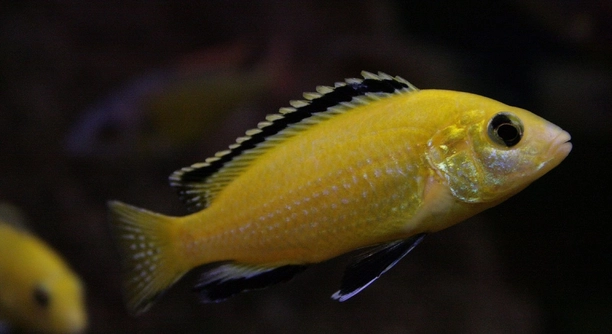
Adding new plants to my cichlid tank has always been a small experiment. I enjoy seeing how each addition changes the water, the light, and how my fish interact with their environment in subtle ways.
Introducing seven new plant species transformed my cichlid tank by improving water quality, offering natural hiding spots, and encouraging more natural behavior. The plants also enhanced visual appeal, creating a healthier and more balanced aquatic environment.
The changes were noticeable almost immediately, from the way the fish swam to how the tank looked overall. Each plant brought its own effect, making the tank feel more alive and complete.
Choosing the Right Plants
Selecting the right plants for my cichlid tank required some thought. I wanted plants that could survive the water conditions and not be destroyed by my fish. I chose a mix of hardy stem plants, floating plants, and low-light species. Each plant added a different texture and color, making the tank more interesting. Some plants, like Java fern, were easy to attach to rocks and driftwood, creating natural hiding spots for the fish. Others, such as Amazon sword, needed careful planting in the substrate to thrive. I also added a few floating plants to soften the light entering the tank, which helped reduce stress in the fish. Plant density was important; I avoided overcrowding while ensuring there were enough plants for shelter and natural behavior. Over the first few weeks, I observed how each species adapted, noticing growth patterns and interactions with the fish, which helped me understand which plants worked best in this specific tank environment.
The mix of plant types created a visually balanced tank while providing multiple layers of cover and stimulation for the cichlids.
Watching the fish explore different plant areas was fascinating. Some used dense clusters as territories, while others hovered near the floating plants. The tank felt more dynamic, and interactions seemed calmer. It became clear that the right selection of plants could encourage natural behavior and improve overall tank health, offering both aesthetic and functional benefits.
Effects on Fish Behavior
Adding the new plants changed the way my cichlids behaved in noticeable ways.
The fish became more active and confident. Before, they often swam in open spaces, which sometimes caused stress. With plants, they could retreat, hide, or stake out small territories. Aggressive interactions decreased as the tank now had more visual barriers, reducing conflicts over space. Some fish even explored areas they had avoided, moving closer to plants for short periods before returning to open water. The plants also encouraged natural foraging behavior, as small debris or algae would accumulate on leaves and substrate. I noticed certain fish rubbing gently against broad leaves, which may indicate comfort or play behavior. Over time, the overall energy in the tank felt more balanced, with fewer rapid chases and more leisurely swimming. The plants created microhabitats that allowed shy fish to thrive alongside bolder ones. Observing these shifts highlighted how environmental enrichment directly affects fish welfare. Integrating plants was not just about looks; it reshaped daily activity and social dynamics, making the aquarium more engaging and healthier for its inhabitants.
Plant Maintenance
Keeping the plants healthy required regular attention. I had to trim overgrown leaves, remove dying sections, and occasionally adjust their placement in the tank.
Some plants grew faster than others, creating shading issues for slower-growing species. I learned to rotate plants or thin out dense areas to ensure light reached all corners. Fertilization was minimal but important, especially for rooted plants, and I added liquid nutrients carefully to avoid harming the fish. Monitoring water parameters became easier, as healthy plants helped stabilize pH and reduce nitrate spikes. Daily observation revealed small changes, like new leaves or algae growth, which guided timely maintenance. Overall, consistent care ensured plants thrived while supporting a balanced aquarium ecosystem.
Regular trimming and monitoring improved plant health and kept the tank visually appealing. Removing old leaves prevented decay, which reduced extra waste in the water.
Healthy plants also reduced stress in the cichlids. They provided shelter during feeding and softened aggressive interactions. Over time, the tank became more stable, with clearer water and more natural fish behavior. I noticed more confident swimming patterns and less hiding, which indicated the environment felt safe. The plants functioned as both decoration and a practical element, enhancing water quality, encouraging activity, and maintaining balance within the tank ecosystem.
Lighting and Growth
Lighting adjustments were crucial for plant growth. I had to balance brightness and duration carefully to prevent algae issues while supporting healthy development.
The new plants responded differently to light intensity. Floating plants shaded parts of the tank, reducing light for lower species, which required me to tweak placement. Stem plants grew quickly under brighter areas, while low-light species thrived in shaded corners. I experimented with timers, gradually increasing light duration to match plant needs without stressing the fish. Observing leaf color, stem length, and new growth helped me track which spots were ideal. Adjustments were gradual, testing small changes until the overall balance of growth, fish comfort, and algae control was achieved.
Light management had a direct impact on growth patterns. Uneven lighting led to stretching in some plants, while shaded areas stayed compact. I repositioned lights and plants to create an even spread, ensuring all species received adequate exposure. This also influenced fish behavior, as they used bright areas for activity and shaded zones for resting. Over time, proper lighting encouraged denser foliage, healthier leaves, and fewer algae outbreaks, showing that careful observation and adjustment were key to long-term tank stability.
Plant Placement Strategies
I arranged plants to create zones within the tank. Taller species went in the back, while shorter plants filled the front and middle areas.
Floating plants softened the light and added vertical cover. I placed dense clusters in corners, giving shy fish spaces to retreat.
Balancing Fish and Plants
Some cichlids are known for digging or nibbling, so I had to choose plants that could withstand this behavior. Rooted plants were anchored with heavier substrate or attached to rocks. Observing the fish helped me adjust placement, separating fragile species from more aggressive areas. Over time, I noticed which plants survived best in different zones, allowing me to optimize growth and reduce damage. The combination of resilient and decorative plants created a natural-looking environment, while still encouraging healthy fish behavior. Plant growth and fish activity reached a balance that made the tank feel complete.
Water Quality Improvements
The new plants contributed to cleaner water, absorbing excess nutrients and reducing algae growth.
Which plants are easiest to keep in a cichlid tank?
Java fern, Anubias, and Amazon sword are among the easiest plants to maintain with cichlids. They tolerate a wide range of water conditions and are sturdy enough to handle some nibbling or digging. Floating plants like water lettuce or frogbit are also low-maintenance, providing shade and reducing stress for the fish.
How do plants affect fish behavior?
Plants provide hiding spots and territory boundaries, which reduce aggression in cichlids. They encourage natural exploration and foraging. Shy fish feel safer and are more likely to show normal behavior, while dominant fish can establish territories without constant confrontations. The tank becomes more dynamic and visually interesting as a result.
Do I need special substrate for planted cichlid tanks?
A nutrient-rich substrate benefits rooted plants, helping them grow faster and stay healthy. Gravel can work if supplemented with root tabs, while sand is fine for certain low-light species. The substrate should be heavy enough to prevent plants from being uprooted by digging fish.
How often should I trim the plants?
Regular trimming depends on the species. Fast-growing plants like stem species may need weekly trimming, while slower-growing plants can be trimmed monthly. Removing dead or decaying leaves prevents water quality issues. Trimming also maintains aesthetic balance and encourages new growth.
Can cichlids damage plants?
Yes, some cichlids dig in the substrate or nibble on leaves. Choosing hardy plants and anchoring them to rocks or driftwood reduces damage. Observing which plants are most affected helps in rearranging or replacing species to maintain a healthy tank environment.
Do plants help with water quality?
Plants absorb excess nutrients like nitrates and phosphates, which reduces algae growth and improves water clarity. Healthy plants act as a natural filtration system, contributing to a more stable and balanced tank environment. They also produce oxygen during the day, benefiting both fish and beneficial bacteria.
How much light do planted cichlid tanks need?
Lighting needs depend on the plant species. Low-light plants like Java fern and Anubias can survive under moderate lighting, while faster-growing stem plants require brighter light. Using a timer for 8–10 hours a day creates consistency, preventing stress for both plants and fish.
Is fertilization necessary?
Fertilization depends on plant density and species. Rooted plants may need nutrient tablets or liquid fertilizers, while floating plants often get enough from the water column. Care should be taken not to overdose, as excessive nutrients can harm fish and encourage algae growth.
How do I prevent algae with new plants?
Healthy plant growth helps outcompete algae for nutrients. Avoid excessive light, maintain proper fertilization, and consider algae-eating species if compatible. Regular maintenance, like removing dead leaves and trimming overgrowth, also keeps algae under control.
What are signs that plants are thriving?
New leaves, firm stems, and vibrant color indicate healthy plants. Slow growth, yellowing, or melting leaves suggest nutrient deficiencies, poor lighting, or unsuitable water conditions. Observing these signs helps in making adjustments before issues worsen.
Can plants survive in aggressive cichlid species tanks?
Yes, with careful selection. Hardy plants like Java fern, Anubias, and Vallisneria are more resilient. Anchoring them securely and placing them in less disturbed areas of the tank increases survival rates. Over time, observing fish interactions helps in optimizing plant placement.
How do I balance fish density with plant coverage?
Avoid overcrowding to prevent stress and nutrient imbalances. Ensure there is enough swimming space while providing hiding areas. Dense plant clusters can help manage aggression and offer territories, but open areas are also important for active swimming and feeding behavior.
Are floating plants useful in a cichlid tank?
Yes, floating plants provide shade, reduce light intensity, and create a more natural environment. They can help shy fish feel secure and reduce algae growth by limiting excess light. Their placement can be adjusted as needed without disturbing the substrate or rooted plants.
How long does it take for plants to establish in a cichlid tank?
Establishment varies by species and conditions. Fast-growing plants may root and show new leaves within weeks, while slower species can take months. Regular observation and minor adjustments in light, placement, or nutrients help accelerate healthy establishment.
What should I do if plants start dying?
Identify the cause, whether it’s insufficient light, poor water quality, or fish damage. Remove dead leaves, adjust lighting or nutrients, and reposition plants if needed. Replacing plants with more resilient species can help maintain tank health without disrupting fish behavior.
Can plants survive without CO2 supplementation?
Yes, many hardy species like Anubias, Java fern, and Vallisneria thrive without added CO2. Fast-growing or high-demand plants benefit from supplementation but aren’t necessary in a tank focused on balance between fish and low-maintenance plants.
Do plants help with breeding cichlids?
Plants create hiding spots for fry and reduce aggression among adults. Dense foliage or floating plants can serve as protection for young fish, increasing survival rates. Adults may also use plants to establish territories, making the tank feel more secure during breeding periods.
How do I prevent plants from being uprooted?
Use heavy substrate, anchor plants to rocks or driftwood, and place delicate species away from digging fish. Observing how fish interact with the substrate allows for better placement, ensuring plants remain intact and healthy over time.
Are there seasonal changes in plant growth?
Growth may slow in winter if lighting or temperature decreases. Observing patterns helps in adjusting care, such as supplementing light or trimming to encourage continued growth. Seasonal changes are natural, and most hardy plants recover quickly once conditions improve.
How do I introduce new plants without shocking fish?
Rinse plants thoroughly to remove debris or pests. Place them gradually, avoiding sudden rearrangement of the tank. Monitor fish for stress and ensure plants are anchored securely. Gradual integration allows both plants and fish to adjust to the new environment.
What is the best way to clean plant leaves?
Gently wipe leaves with a soft cloth or use water flow from a hose to remove algae. Avoid harsh chemicals, which can harm both plants and fish. Regular leaf cleaning keeps plants healthy and prevents algae from spreading, maintaining a tidy tank appearance.
Can plants survive in tap water?
Many hardy species tolerate treated tap water. Testing for pH, hardness, and chlorine levels is important. Dechlorinating water before introduction helps prevent plant damage and creates a safer environment for fish. Adaptation may take a few weeks as plants acclimate to the new water chemistry.
How do I prevent plant overgrowth?
Regular trimming, selective planting, and monitoring growth rates help control plant size. Fast-growing species may need weekly maintenance, while slower plants require occasional adjustments. Keeping balance ensures plants don’t crowd swimming areas or block light for other species, maintaining both aesthetics and functionality.
Are there plants that repel cichlids from digging?
Some robust species with tough leaves, like Anubias and Java fern, are less likely to be uprooted. Dense clumps can discourage digging, and anchoring plants to hard surfaces provides additional protection against destructive behavior, making them more resilient in active tanks.
Do plants need fertilization if fish produce waste?
Fish waste provides some nutrients, but it may not be enough for all species. Rooted plants or fast growers may need additional fertilizers, while low-demand plants can thrive on fish-produced nutrients alone. Observing growth helps determine if supplementation is necessary.
How do I deal with algae outbreaks on plants?
Reduce light intensity and duration, remove affected leaves, and maintain water quality. Introducing algae-eating fish or snails compatible with cichlids can help. Healthy plant growth naturally competes with algae, minimizing outbreaks over time. Consistent maintenance prevents recurrence.
Can I mix different plant types in a cichlid tank?
Yes, mixing stem plants, low-light species, and floating plants creates a natural environment. Each type serves a function, from shelter to visual appeal. Observation ensures compatible growth rates, preventing overshadowing and maintaining balance. Diverse plant types improve aesthetics and support fish behavior.
How do I know if a plant is stressed?
Signs include yellowing leaves, torn or melting foliage, slow growth, or algae accumulation. Stress may result from poor lighting, nutrient deficiencies, or fish damage. Identifying these issues quickly allows corrective action before the plant declines further.
How long do plants last in a cichlid tank?
Hardy plants can live for years with proper care. Lifespan depends on species, water conditions, and fish behavior. Regular trimming, cleaning, and monitoring ensure plants remain healthy and continue contributing to the tank’s balance.
Are there plants that grow well in shaded areas?
Yes, species like Java fern, Anubias, and mosses tolerate low-light conditions. These plants thrive under floating plants or in tank corners where light is limited. They add texture and shelter without requiring high-intensity lighting, making them suitable for shaded areas.
What adjustments are needed for new plants in an established tank?
Rinse and inspect plants before planting, place them gradually, and monitor water parameters. Adjust lighting or nutrient supplementation if necessary. Observing fish reactions helps determine ideal placement, ensuring plants establish without disrupting the tank’s existing balance.
Can plants survive in high-temperature cichlid tanks?
Most hardy plants tolerate typical cichlid temperatures. Tropical species may thrive at slightly elevated temperatures, while extreme heat can stress both plants and fish. Monitoring growth and adjusting care ensures plants remain healthy in warmer water.
How do I choose plants for small cichlid tanks?
Select compact species that don’t overcrowd swimming space. Low-light plants or slow growers are ideal. Floating plants provide vertical cover without taking floor space. Balance is key to maintain both aesthetic appeal and functional shelter for the fish.
Do plants need CO2 in a cichlid tank?
Many hardy species do not require CO2. Adding CO2 benefits fast-growing or high-demand plants, but it is optional for low-maintenance tanks focused on balance and fish health.
How do I encourage new plant growth?
Ensure proper lighting, minimal disturbance, and adequate nutrients. Trim damaged leaves and monitor water parameters. Adjust placement if growth is uneven. Consistent observation allows plants to establish and thrive without affecting fish behavior.
Can plants survive aggressive water movement?
Some plants, like Anubias and Java fern, tolerate strong currents when anchored securely. Floating plants may move freely, while delicate species may need sheltered areas to avoid stress and damage.
Do plants reduce stress in cichlids?
Yes, plants provide shelter, territory boundaries, and shaded areas. Fish feel safer and exhibit calmer, more natural behavior. The tank environment becomes more stable, with fewer conflicts and more confident swimming patterns.
How do I choose plants for breeding cichlids?
Select dense foliage or floating species that offer protection for fry. Hardy plants ensure durability against adult activity. Placement should create territories while leaving open swimming areas. This encourages natural breeding behavior and increases survival rates.
Are there plants that can survive low-light tanks?
Yes, Java fern, Anubias, Vallisneria, and mosses grow well in low-light conditions. They are suitable for shaded areas and tanks with limited lighting, offering both shelter and decoration without requiring intense care.
What should I avoid when planting in a cichlid tank?
Avoid delicate species that are easily uprooted or eaten. Overcrowding can restrict swimming space. Excessive fertilizer or strong chemicals may harm fish. Ensure placement allows both plants and fish to thrive without interference.
Can plants survive with frequent water changes?
Yes, most plants tolerate regular water changes. Sudden temperature or pH shifts should be avoided. Gradual adjustments and monitoring ensure plants remain healthy while maintaining stable tank conditions.
How do I prevent fish from uprooting plants?
Anchor plants to rocks or driftwood, use heavier substrate, and place fragile species in low-activity areas. Observing fish behavior allows better placement and reduces plant damage, ensuring long-term survival.
Are there fast-growing plants suitable for cichlids?
Stem plants like Hygrophila, Ludwigia, and Cabomba grow quickly. They provide dense cover but require regular trimming to prevent overcrowding. Fast growers can improve water quality by absorbing excess nutrients efficiently.
How do I know if a plant is compatible with cichlids?
Observe durability, leaf texture, and growth habit. Hardy, slow-growing, or tough-leaved plants survive better with digging or nibbling fish. Compatibility also depends on tank size, lighting, and fish behavior.
Can plants survive in tanks with high nitrate levels?
Some plants tolerate elevated nitrates, and in fact, they help reduce them by absorbing nutrients. Healthy plants can stabilize water quality and mitigate potential negative effects of higher nitrate concentrations.
Do plants affect water oxygen levels at night?
Plants consume oxygen at night, but in a balanced tank with moderate density, this rarely causes issues. Proper aeration and water movement ensure fish remain safe and healthy around the clock.
How do I acclimate plants to a new tank?
Rinse thoroughly, gradually introduce them, and anchor securely. Observe water parameters and fish behavior. Slow integration helps plants adjust without being uprooted or stressed, ensuring successful establishment.
Are there plants that repel algae naturally?
Fast-growing plants absorb nutrients efficiently, reducing algae competition. Healthy plants outcompete algae for light and nutrients. Maintaining growth and trimming prevents dead material that could fuel algae development.
Can plants survive without pruning?
Some slow-growing species may survive, but trimming prevents overcrowding, decaying leaves, and uneven growth. Pruning also encourages new shoots and maintains visual appeal.
Do plants need special fertilizers in a cichlid tank?
Rooted plants or high-demand species benefit from supplements, while hardy, low-maintenance plants often thrive on fish waste alone. Observation guides the need for additional fertilization.
How do I prevent plants from being shaded by others?
Arrange taller species in the back and shorter plants in the front. Rotate plants if necessary. This ensures adequate light exposure for all species, promoting balanced growth.
Are there plants that can thrive near water filters?
Hardy plants like Anubias or Java fern tolerate moderate water flow. Placement near filters can even help prevent algae by circulating nutrients and improving oxygenation.
Can plants survive in tanks with aggressive cichlid species?
Yes, with careful selection and anchoring. Dense foliage and hardy species resist damage, while placement in low-activity zones improves survival. Observing interactions helps maintain plant health over time.
How do I deal with melting leaves on new plants?
Remove affected leaves, adjust lighting or nutrients, and ensure stable water conditions. Melting is common during acclimation, and healthy new growth indicates recovery.
Do plants help reduce stress during tank rearrangements?
Yes, they offer hiding spots and visual barriers. Even during changes, fish feel safer when plants provide cover, reducing stress and aggression.
Are there plants suitable for small cichlid species?
Compact species like Anubias, Java fern, and mosses fit well in small tanks. They offer shelter without overcrowding swimming space, maintaining balance and aesthetics.
How do I encourage dense plant growth?
Provide proper light, nutrients, and consistent care. Trim selectively to prevent overcrowding. Observation ensures plants grow evenly, creating healthy foliage and natural shelter for fish.
Can plants survive in tanks with fluctuating temperatures?
Hardy species tolerate minor fluctuations, but extreme or rapid changes can stress both plants and fish. Stable conditions support consistent growth and long-term health.
How do I introduce multiple plant species at once?
Place them gradually, monitor fish reactions, and adjust lighting or nutrients. Anchoring fragile plants and spacing species prevents damage and ensures healthy establishment.
Do plants need water testing for nutrients?
Monitoring parameters like nitrates, phosphates, and pH helps track nutrient availability. Adjusting fertilization based on results supports growth and prevents deficiencies.
Can plants survive in high-traffic areas of the tank?
Hardy or anchored plants tolerate movement, but delicate species should be placed in low-activity zones. Observing fish behavior helps optimize placement for survival.
How do I prevent plants from decaying too quickly?
Remove dead leaves, monitor water quality, and provide proper light and nutrients. Avoid overcrowding to ensure circulation and healthy growth, reducing decay risk.
Do plants affect tank aesthetics significantly?
Yes, they add color, texture, and depth. Proper arrangement creates a natural look, highlights fish colors, and enhances visual appeal while contributing to overall tank balance.
Can plants survive with regular feeding of cichlids?
Yes, as long as excess food is removed. Fish waste provides nutrients, but overfeeding can lead to algae and water quality issues. Observation ensures plants remain healthy.
Are there low-maintenance plants for busy tank owners?
Yes, Java fern, Anubias, and mosses require minimal care. They tolerate low light, moderate water changes, and limited trimming, making them ideal for low-maintenance tanks.
How do I choose plants for long-term tank stability?
Select hardy, adaptable species with different growth habits. Mix rooted, floating, and low-light plants. Observe fish behavior and adjust placement to maintain a balanced, thriving ecosystem.
Do plants improve the overall health of cichlids?
Yes, they provide shelter, reduce stress, encourage natural behavior, and help maintain water quality. Healthy plants contribute to a more stable and balanced tank environment, benefiting fish longevity and activity.
What is the best way to combine fast and slow-growing plants?
Place fast growers in areas where trimming is easy. Slow growers occupy less accessible zones. This balance prevents overcrowding and ensures all species receive adequate light and nutrients.
Can plants survive in aquariums without heaters?
Many hardy species tolerate ambient temperatures. Tropical plants may grow slower, but survival is possible. Monitoring growth and adjusting care helps plants adapt to cooler conditions.
How do I prevent plants from being overrun by algae?
Maintain healthy growth, avoid excessive light, and remove decaying leaves. Balanced nutrient levels and careful trimming reduce algae opportunities. Observing tank conditions ensures ongoing control.
Do plants require specific pH levels?
Most hardy plants tolerate a moderate pH range. Extreme acidity or alkalinity may affect growth. Monitoring water chemistry and selecting adaptable species ensures healthy development.
How often should I check plant health?
Daily observation for growth, leaf color, and signs of stress allows for timely adjustments. Early detection prevents long-term issues and supports a thriving tank ecosystem.
Can plants survive alongside large cichlid species?
Yes, if they are hardy and anchored. Placement in less disturbed areas and selection of resilient species improves survival in tanks with larger, more active fish.
How do I deal with plant pests?
Rinse new plants thoroughly, inspect leaves, and remove any visible pests. Natural predators compatible with cichlids or careful quarantine can prevent infest
Adding new plants to my cichlid tank has been one of the most noticeable changes I have made in a long time. Each plant brought something different to the aquarium, whether it was color, texture, or a place for the fish to hide. Over the first few weeks, I watched how my cichlids interacted with the plants and how the environment slowly transformed. The tank became more than just a space for swimming—it turned into a small ecosystem where fish and plants coexisted. I noticed my cichlids exploring areas they had previously avoided, and shy fish seemed more confident as they found safe spots among the leaves. Even the more aggressive fish appeared calmer with natural barriers to define territory. This simple addition created a sense of balance and harmony that I had not expected at first.
Maintaining the plants required attention, but it was not overly complicated. I learned to trim overgrown leaves, remove decaying parts, and ensure proper placement to allow light to reach all areas. Certain species grew faster than others, and observing these growth patterns helped me make small adjustments over time. Fertilization was minimal but sometimes necessary for rooted plants. Floating plants provided extra coverage while also softening the light entering the tank. Watching how the plants improved water quality, reduced algae, and encouraged natural behavior in the fish was satisfying. Each day, small changes in plant growth or fish interaction made the tank feel more alive and dynamic. It became clear that plants were not just decoration—they played an essential role in maintaining a healthier and more stable environment for the cichlids.
Overall, the experience taught me a lot about balancing fish needs with plant growth. Careful observation, patience, and gradual adjustments were key to success. I learned that even simple plants could have a significant impact on water quality and fish behavior, while the placement and type of plants mattered for both aesthetics and functionality. The tank now feels more complete, with areas for hiding, exploring, and feeding that encourage natural activity. Adding plants also gave me a chance to enjoy the small details—the way light filters through floating leaves, how new shoots appear, or how fish use plants for shelter. It has been rewarding to see the tank evolve into a more natural and engaging space. Incorporating these plants created a healthier environment, reduced stress for the fish, and added visual appeal, making the tank more enjoyable to observe every day.

Hello,
If you enjoy the content that we create, please consider saying a "Thank You!" by leaving a tip.
Every little bit helps us continue crafting quality advice that supports the health, happiness, and well-being of pets around the world, for pets of all shapes, sizes, and species.
We really appreciate the kindness and support that you show us!