
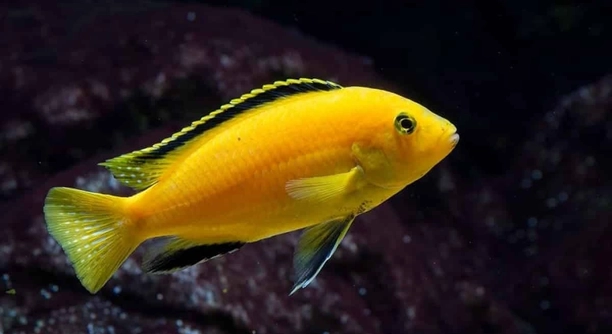
Electric Yellow Cichlids are popular aquarium fish known for their bright color and active behavior. Watching them swim is enjoyable, but they can fall sick easily if their water conditions or health needs are neglected.
Ich is a common parasitic infection in Electric Yellow Cichlids, characterized by white spots on the skin and fins. Early detection and proper treatment, including temperature adjustments and medication, are crucial to prevent serious harm or death.
Recognizing the signs early can save your fish from prolonged suffering. Understanding their behavior and physical changes will help maintain a healthy aquarium environment.
White Spots on Fins and Body
White spots appearing on the fins or body are one of the first signs of Ich in Electric Yellow Cichlids. These tiny, salt-like dots may start on the gills or the base of the fins, then spread across the fish. At first, they can be easy to miss if the fish is moving quickly or hiding among decorations. As the infection progresses, the spots become more numerous and pronounced. Noticing them early allows for quicker intervention, which improves the chances of recovery. Observing the fish daily, especially after water changes or introducing new fish, can help identify these spots before the infection worsens. The presence of spots often comes with subtle changes in behavior, such as reduced activity or frequent rubbing against objects. Paying close attention to both physical and behavioral signs ensures that treatment can start promptly, reducing stress and improving survival rates.
Early detection of white spots significantly improves treatment outcomes for infected Electric Yellow Cichlids.
Regular tank monitoring and gentle handling during inspections will help you catch infections before they become severe, keeping your fish healthier.
Clamped Fins and Lethargy
Clamped fins and unusual lethargy are common behavioral changes when Ich begins to affect a fish.
When a Cichlid keeps its fins tight against its body and moves less than usual, it is often trying to cope with irritation caused by parasites. This behavior can make swimming difficult and reduce the fish’s ability to compete for food. Lethargy may also appear as the fish spends more time hiding or resting near the bottom of the tank. Stress from poor water conditions can worsen these symptoms, making the fish more susceptible to secondary infections. It’s essential to check water quality and temperature, as stable conditions can support the immune system during treatment. Medications such as anti-parasitic solutions work best when the fish is not additionally stressed. Observing eating habits and responsiveness to the environment can provide further insight into the severity of the infection and help decide when to start treatment. Prompt attention to these signs is key for recovery and overall well-being.
Rubbing Against Objects
Fish often rub against decorations or the tank walls when infected with Ich.
This behavior, called flashing, happens because the parasite irritates their skin. The fish may scrape fins, body, or gills repeatedly, which can lead to minor injuries. Watching for sudden rubbing is a clear indicator of stress or infection.
Flashing can also be mistaken for normal exploration, so it’s important to observe frequency and intensity. If your Electric Yellow Cichlid starts rubbing more than usual, it likely signals irritation from parasites. This symptom often appears alongside other signs like white spots or clamped fins. Addressing it quickly can prevent secondary infections caused by skin damage.
Ich treatments, including raising water temperature or adding medication, are most effective when started as soon as flashing begins. Consistent monitoring of tank conditions and fish behavior supports recovery and helps prevent the infection from spreading.
Loss of Appetite
Loss of appetite is common during Ich infection.
Infected fish may show less interest in food, eating smaller portions, or ignoring meals entirely. Stress from parasites and irritation of the skin and gills can affect their feeding behavior. This symptom can lead to weight loss and weaker immunity, making recovery more difficult.
Maintaining a stable environment is crucial when appetite drops. Provide high-quality food and avoid sudden water changes. Observing eating habits daily helps track the severity of the infection. In some cases, medicated foods can encourage feeding while treating parasites. Prompt action when appetite decreases prevents prolonged malnutrition and supports overall recovery.
Gasping at the Surface
Electric Yellow Cichlids may gasp at the water surface when Ich affects their gills.
Parasites irritate the gill tissue, making it harder for fish to breathe. Frequent surface visits are a clear sign of stress and oxygen struggle.
Watching for gasping can help identify infections early. Prompt treatment can reduce gill damage and support recovery.
Rapid Breathing
Rapid breathing often accompanies gill irritation caused by Ich.
The fish’s body works harder to get enough oxygen, leading to fast, shallow breaths. This symptom signals serious stress and requires immediate attention to water quality and temperature adjustments.
Faded Color
Faded or dull coloration is noticeable during Ich infection.
Stress and illness can make Electric Yellow Cichlids lose their bright color. This visual change often occurs alongside other symptoms like clamped fins or white spots. Maintaining clean water and proper nutrition supports color restoration.
Erratic Swimming
Erratic or unusual swimming patterns are a symptom of Ich.
Infected fish may dart, spin, or struggle to maintain balance. This behavior is caused by irritation and stress from the parasite. Monitoring swimming patterns helps detect early infection and prevents further harm.
FAQ
How can I treat Ich in my Electric Yellow Cichlids at home?
Treating Ich requires quick action. Start by raising the tank temperature gradually to around 82–86°F, which speeds up the parasite’s life cycle. Add an anti-parasitic medication specifically labeled for Ich, following the dosage instructions carefully. Remove activated carbon from filters during treatment, as it can absorb the medication. Ensure good aeration because warmer water holds less oxygen. Monitor your fish closely for stress or adverse reactions. Perform regular water changes, about 20–30%, every few days, using dechlorinated water at the same temperature. Feeding high-quality, easily digestible food helps the fish maintain strength during treatment. Continue the medication for at least 7–10 days, even if the fish appear healed, to ensure the parasite is fully eradicated.
Can Ich go away on its own without treatment?
Ich rarely disappears without intervention. The parasite continues to reproduce, spreading to other fish. In mild cases, a strong immune system may slow its progression, but untreated infections often worsen and can be fatal. Prompt treatment is essential to protect all tank inhabitants and prevent long-term health issues.
How can I prevent Ich from infecting my tank again?
Prevention starts with quarantining new fish for 2–4 weeks in a separate tank. Maintain stable water conditions, including temperature, pH, and cleanliness. Avoid sudden changes in water parameters or overcrowding. Regularly clean decorations and equipment. Using a UV sterilizer can reduce free-swimming parasites. Proper nutrition strengthens the immune system, making fish less vulnerable.
Is it safe to treat multiple fish in the same tank at once?
Yes, treating the entire tank is recommended, as Ich spreads easily through water. Treat all fish simultaneously, even if only some show symptoms. Remove carbon from filters and maintain proper aeration. Observe every fish for stress, adjusting treatment if necessary. This approach ensures the parasite is fully eradicated.
How long does it take for Ich to disappear after treatment?
Treatment duration usually ranges from 7–14 days. White spots may persist for a few days even after the parasite is gone. Consistent medication, correct temperature, and water maintenance are key. Observe behavior, appetite, and breathing to confirm recovery.
Can stress trigger Ich in healthy fish?
Yes, stress weakens the immune system, making fish more susceptible. Factors like sudden temperature changes, overcrowding, poor water quality, and aggressive tank mates contribute. Maintaining stable conditions reduces the risk of Ich outbreaks.
Are there natural remedies for Ich?
Some hobbyists use aquarium salt or garlic supplements to support fish health, but these methods are not always fully effective against Ich. Medications specifically formulated for Ich remain the most reliable option. Combine natural support with treatment for better results.
Will my Electric Yellow Cichlid survive severe Ich infections?
Survival depends on early detection, water quality, and prompt treatment. Severe infections can cause lasting gill damage, stress, or secondary infections. Recovery is possible, but prevention and quick response are much more effective than waiting until symptoms are severe.
Can I reuse water from an infected tank for other fish?
No, Ich can survive in the water for short periods. Using water from an infected tank risks spreading the parasite. Always treat or discard water and sanitize equipment before introducing it to healthy fish.
Should I remove decorations during treatment?
Remove or clean porous decorations that might harbor parasites. Smooth decorations can stay but should be cleaned regularly. Removing surfaces that trap parasites reduces the chance of reinfection and improves treatment effectiveness.
Is it normal for fish to still hide after Ich treatment?
Yes, fish may remain cautious or hide due to stress from illness or treatment. Provide hiding spots and maintain stable water conditions. Gradually, their behavior usually returns to normal as they regain confidence and health.
Can Ich affect other types of fish in the same tank?
Yes, Ich is highly contagious. All fish in the tank, even species less prone to visible symptoms, are at risk. Treat the entire aquarium and monitor all inhabitants to prevent the parasite from spreading.
How often should I check my fish for signs of Ich?
Daily observation is best. Check for white spots, clamped fins, flashing, faded color, and changes in swimming or appetite. Early detection allows for faster treatment and higher survival rates.
Does Ich return after treatment?
Reinfection is possible if proper quarantine, water maintenance, and hygiene are not followed. Regular monitoring and preventive practices help reduce the risk of future outbreaks, ensuring fish stay healthy long-term.
Can I still feed my fish during Ich treatment?
Yes, but provide easily digestible food in small amounts. Avoid overfeeding, as leftover food can pollute the water. Maintaining nutrition helps support the immune system and overall recovery during treatment.
Are there specific medications that work best for Electric Yellow Cichlids?
Look for broad-spectrum Ich treatments labeled safe for cichlids. Follow dosage instructions carefully. Some medications may include copper or formalin, but these require careful monitoring. Always read product guidance and adjust treatment according to your tank size and fish number.
How do I know when my fish are fully recovered?
Full recovery is indicated by normal appetite, bright coloration, active swimming, and no visible white spots. Observe behavior and health over several days after treatment ends to ensure the parasite is gone and the fish have regained strength.
Electric Yellow Cichlids are beautiful and lively fish, but they are sensitive to parasites like Ich. This common infection can quickly affect the health of your fish if not addressed promptly. White spots, clamped fins, flashing, gasping at the surface, faded color, and unusual swimming are clear signs to watch for. Early detection makes a significant difference in how well your fish recover. Observing your fish regularly and paying attention to subtle changes in behavior or appearance can prevent a small problem from turning into a serious infection. Even small signs, like rubbing against objects or loss of appetite, should not be ignored. These behaviors indicate stress or irritation caused by the parasite.
Treatment is most effective when started as soon as you notice the first signs. Raising the water temperature slightly can speed up the parasite’s life cycle, while anti-parasitic medications help eliminate the infection. Removing activated carbon from filters and maintaining proper aeration ensures the medication works efficiently. Water changes during treatment help reduce waste and maintain stable conditions. Feeding high-quality, easily digestible food supports your fish’s immune system while they recover. Even after symptoms seem to disappear, it’s important to continue treatment for the recommended period to ensure the parasite is completely gone. Consistency in treatment, combined with careful monitoring, increases the chances of a full recovery.
Prevention is always better than cure. Quarantining new fish, maintaining clean water, avoiding overcrowding, and providing proper nutrition help reduce the risk of Ich outbreaks. Stress is a major factor in making fish vulnerable, so keeping stable water conditions and avoiding sudden changes can keep your Cichlids healthy. Regular observation and timely intervention are essential to protect your fish from recurring infections. While Ich can be a challenging problem, understanding the signs and responding quickly makes it manageable. With proper care, treatment, and preventive practices, Electric Yellow Cichlids can remain vibrant, active, and healthy in your aquarium for many years.

Hello,
If you enjoy the content that we create, please consider saying a "Thank You!" by leaving a tip.
Every little bit helps us continue crafting quality advice that supports the health, happiness, and well-being of pets around the world, for pets of all shapes, sizes, and species.
We really appreciate the kindness and support that you show us!