
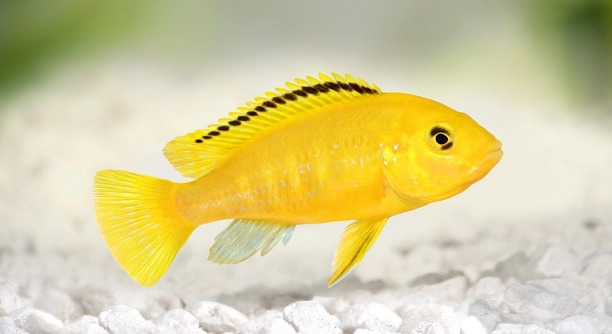
Electric Yellow Cichlids are vibrant and active fish that bring life to any aquarium. Observing their behavior can be fascinating, especially when they avoid certain areas despite ample space and resources. Their movements often reveal subtle environmental cues.
Electric Yellow Cichlids sometimes avoid specific areas due to stress, water quality differences, or territorial dynamics. Factors such as uneven temperature, strong currents, or overcrowding can create uncomfortable zones, prompting the fish to seek safer, more stable parts of the aquarium.
Recognizing these patterns helps ensure a healthier, more balanced habitat for your cichlids and enhances their overall well-being in the tank.
Common Stress Factors in Electric Yellow Cichlids
Electric Yellow Cichlids are sensitive to changes in their environment, and stress is a major reason they avoid certain areas. Sudden changes in water temperature can make them feel unsafe, as can variations in pH or hardness. Overcrowding in the tank also contributes to stress, since these fish are naturally territorial. Bright lighting or loud vibrations near the aquarium may further increase tension. Even small disturbances, like frequent movement around the tank, can cause them to retreat. It is important to monitor their behavior closely and make adjustments gradually. Observing where they spend most of their time can reveal which areas are causing discomfort. Providing sufficient hiding spots with rocks or plants can reduce stress and make the tank feel more secure. Regular water testing and gentle maintenance routines also help maintain a stable environment. A calm and consistent habitat encourages healthy, confident behavior among these cichlids.
Stress factors can be minimized by adjusting tank layout, reducing noise, and keeping water parameters steady.
Maintaining a stress-free environment for Electric Yellow Cichlids involves careful observation and proactive changes. Start by testing water parameters regularly to ensure temperature, pH, and hardness are within acceptable ranges. Introduce new tank mates slowly, giving each fish space to establish territory. Use natural decorations like rocks, caves, and plants to create hiding spots and safe zones. Avoid sudden movements around the tank, and reduce bright lighting if it seems to bother the fish. Consistent feeding schedules and gentle water changes further contribute to stability. Watching the cichlids’ preferred areas can provide insight into their comfort levels, allowing for small adjustments to encourage exploration. Over time, these steps help the fish feel secure and confident, leading to a more balanced and harmonious aquarium. A well-structured tank not only supports their physical health but also fosters natural behaviors that are enjoyable to observe.
Territorial Behavior and Area Avoidance
Territorial instincts often drive Electric Yellow Cichlids to avoid certain spaces in the tank.
These fish establish dominance over specific regions, and intrusions from other fish can trigger avoidance. Dominant cichlids claim favorite areas, leaving less desirable spots less frequented. Conflicts are more noticeable in smaller tanks where space is limited. Providing multiple hiding spaces and visual barriers can reduce tension. Grouping similar sizes and temperaments together helps maintain balance. Understanding their territorial patterns allows for more harmonious tank interactions. Fish may shift locations to maintain hierarchy, and temporary retreats can indicate negotiation or submission. Observing these behaviors informs tank adjustments to support natural interactions. Over time, consistent structure reduces stress and promotes exploration of all areas, resulting in healthier, more active fish. This awareness also helps in preventing injuries from aggressive encounters.
Territorial behavior is less intense when tanks are appropriately sized and structured, with enough hiding spots and visual breaks for each fish.
Managing territory requires careful planning of tank layout and fish selection. Start by arranging rocks, plants, and decorations to create multiple zones that mimic natural territories. Avoid overcrowding by limiting the number of cichlids in the tank, allowing each fish to claim a space without constant conflict. Observing daily interactions reveals which areas are most contested and where adjustments are needed. Sometimes, rearranging decorations or adding new hiding spots can redistribute activity and reduce tension. Pairing similarly sized fish together minimizes aggressive dominance displays, and introducing new fish gradually helps them integrate without triggering fights. Consistency in water conditions, feeding schedules, and lighting further supports stability. By respecting their territorial instincts, the tank becomes a safer environment, encouraging exploration and interaction. This approach allows Electric Yellow Cichlids to display natural behavior while minimizing avoidance of certain areas.
Water Quality and Area Preference
Poor water quality can cause Electric Yellow Cichlids to avoid specific areas in the tank. High levels of ammonia, nitrites, or nitrates, as well as uneven filtration, create uncomfortable zones. Clean, balanced water encourages movement and exploration throughout the aquarium.
Maintaining stable water conditions is crucial for the well-being of Electric Yellow Cichlids. Frequent testing for pH, ammonia, nitrites, and nitrates ensures levels remain within safe ranges. Uneven filtration can cause stagnant areas with lower oxygen, prompting the fish to seek fresher water zones. Regular partial water changes help keep the tank environment consistent. Using a reliable filtration system and cleaning the substrate prevents debris buildup. Proper water circulation reduces dead spots, ensuring all areas are equally hospitable. Monitoring these factors allows the fish to feel secure and reduces unnecessary avoidance behaviors. A well-maintained tank promotes natural activity and supports long-term health.
Water temperature and chemical balance also influence area preference. Slight temperature gradients or sudden shifts can make parts of the tank less appealing. Fish may avoid corners or areas near heaters or filters if they sense discomfort. Maintaining uniform temperature and consistent chemical levels encourages even distribution and confident movement. Gradual changes during water maintenance help prevent stress, while careful observation of their swimming patterns highlights zones that need attention. Providing aeration and gentle currents ensures proper oxygenation in all areas. Over time, these adjustments result in a more comfortable environment, reducing selective avoidance and supporting normal behaviors.
Lighting and Environmental Comfort
Bright or inconsistent lighting can make Electric Yellow Cichlids avoid certain parts of the tank. Intense light may stress the fish, while shadows or glare can create discomfort, influencing their preferred swimming zones.
Proper lighting supports natural behavior and reduces stress in cichlids. Using dimmable or adjustable lights allows gradual changes, mimicking natural day-night cycles. Harsh lighting can be softened with floating plants or shaded areas. Observation shows that fish will gravitate toward areas with moderate brightness and minimal glare. Even light distribution prevents the creation of uncomfortable spots that are too bright or too dark. This encourages balanced exploration and activity throughout the tank, rather than clustering in limited zones. Over time, consistent lighting enhances both visual appeal and the overall health of the cichlids.
Adjusting lighting and creating shaded areas improves comfort and encourages movement. Incorporating floating plants, rocks, or decorations breaks direct light and produces natural shadows. This makes the environment feel safer and reduces stress-related avoidance. Consistent light cycles reinforce their internal rhythms, supporting feeding, rest, and social behavior. Watching how fish respond to different lighting helps refine placement of decorations and lights. Even subtle adjustments can shift their preferred areas, encouraging more even tank usage. Properly managed lighting ensures cichlids explore all zones confidently while minimizing tension caused by overly bright or harsh illumination.
Tank Layout and Hiding Spots
Electric Yellow Cichlids often avoid areas without adequate hiding spots or visual barriers. Open spaces can feel unsafe, especially when other fish are nearby or territorial disputes occur. Providing rocks, plants, or caves encourages movement and reduces stress.
Arranging the tank thoughtfully creates multiple zones for comfort. Fish can claim territories or retreat when needed, which reduces conflict. Even small adjustments, like adding a rock pile or cluster of plants, can make underused areas more appealing. Well-distributed hiding spots allow the cichlids to explore freely without feeling threatened.
Feeding Areas
Placement of food influences where cichlids spend their time. Areas far from regular feeding spots may be avoided, as fish naturally associate activity with mealtime.
Social Dynamics
Electric Yellow Cichlids are social but hierarchical. Dominant fish can drive others away from certain areas, especially when space is limited or territories overlap. Consistent monitoring and tank adjustments help maintain balance and reduce stress.
Substrate and Floor Texture
The type of substrate can impact area preference. Rough, uneven, or uncomfortable substrates may discourage exploration, while smooth, clean surfaces promote movement and foraging.
FAQ
Why do Electric Yellow Cichlids suddenly avoid certain areas of the tank?
Electric Yellow Cichlids may avoid areas due to stress, territorial behavior, water quality, or environmental discomfort. Sudden changes in temperature, lighting, or water chemistry can make specific zones feel unsafe. Providing hiding spots, stable water conditions, and consistent routines encourages them to explore all areas confidently.
Can overcrowding affect their area preference?
Yes, overcrowding significantly influences their behavior. When the tank is too full, dominant fish may claim prime areas, forcing others to retreat. Each cichlid needs space to establish territory. Reducing the number of fish, using larger tanks, and arranging multiple hiding spots helps balance social dynamics.
How does water quality impact their movements?
Electric Yellow Cichlids are sensitive to ammonia, nitrites, nitrates, and pH fluctuations. Stagnant zones with poor oxygenation or high debris levels are often avoided. Regular water testing, partial water changes, and proper filtration ensure even water quality, making the entire tank comfortable for swimming.
Does lighting really make a difference in their behavior?
Lighting plays a major role. Overly bright areas or glare can stress the fish, while dimmer, evenly lit zones are preferred. Floating plants, decorations, and adjustable lighting create natural shadows and safe areas. A consistent day-night cycle also supports normal behavior and encourages exploration throughout the tank.
What role does tank layout play in area avoidance?
Tank layout is crucial. Open spaces with no hiding spots feel unsafe, especially for subordinate fish. Rocks, caves, and plants provide secure zones and allow fish to retreat if threatened. Rearranging decorations periodically can help reduce conflicts and encourage even use of the tank.
Can feeding schedules influence where cichlids spend time?
Feeding areas strongly affect their movement. Fish often gather around feeding spots and may avoid regions far from food. Consistent feeding times and strategic placement of food throughout the tank encourage balanced activity and reduce avoidance of certain areas.
Do social dynamics impact area preference?
Social hierarchy is a major factor. Dominant cichlids claim preferred zones, and submissive fish may avoid these areas to reduce conflict. Observing daily interactions and adjusting tank layout can minimize stress, provide fair access to resources, and ensure all fish feel secure.
How does substrate type affect area choice?
Substrate texture influences comfort and foraging behavior. Rough or sharp substrates can discourage fish from certain zones, while smooth gravel or sand promotes exploration. Regular cleaning prevents debris buildup, making all areas more inviting and safe for swimming and digging.
Are there signs that indicate specific areas are stressful?
Yes, signs include hiding, erratic swimming, or clustering in safer zones. Fish may avoid areas near heaters, filters, or open spaces with high traffic. Observing patterns over time allows adjustments, such as adding plants, rearranging rocks, or improving water circulation, to create more evenly used zones.
Can small environmental adjustments improve area usage?
Absolutely. Simple changes like adding hiding spots, adjusting lighting, moving decorations, or improving water flow can encourage fish to explore previously avoided areas. Gradual and consistent adjustments reduce stress and help cichlids feel comfortable, promoting natural behavior across the entire tank.
How long does it take for Electric Yellow Cichlids to adapt to changes?
Adaptation depends on the fish and the type of change. Gradual adjustments typically take a few days to weeks. Sudden changes may prolong stress and avoidance. Consistency in water parameters, layout, lighting, and feeding routines helps them regain confidence and explore all areas of the tank naturally.
What should I do if one area is consistently avoided?
Evaluate water quality, temperature, lighting, substrate, and tank layout. Identify stress points like strong currents, overly bright light, or dominant fish claiming territory. Making targeted adjustments, adding hiding spots, and monitoring interactions ensures the fish feel secure, gradually encouraging exploration of previously avoided areas.
Is it normal for Electric Yellow Cichlids to have favorite zones?
Yes, it’s normal. Fish often develop preferred spots based on safety, comfort, and food availability. Dominant fish may establish territories, while others choose calmer areas. Understanding these preferences allows you to create a balanced environment that accommodates social and environmental needs, reducing stress and encouraging healthy activity.
Can tank size influence area avoidance?
Tank size plays a critical role. Smaller tanks increase competition and stress, causing some fish to avoid certain zones. Larger tanks provide ample space for territories and reduce conflict. Ensuring the tank is appropriately sized for the number of fish helps promote even distribution and natural behaviors.
How do I know if avoidance is linked to stress or illness?
Avoidance due to stress is usually behavioral, like hiding, rapid swimming, or clustering. Signs of illness include lethargy, loss of appetite, discoloration, or abnormal swimming. Monitoring fish daily helps distinguish between environmental stress and health issues, allowing for timely interventions and adjustments.
Are temperature fluctuations a common cause of area avoidance?
Yes, temperature fluctuations can make certain areas uncomfortable. Electric Yellow Cichlids prefer stable water temperatures. Uneven heating or cold spots often cause avoidance. Using a reliable heater and thermometer, along with consistent water maintenance, ensures even temperature distribution throughout the tank, promoting confident exploration.
Does introducing new fish affect existing territory patterns?
Introducing new fish can disrupt established territories, prompting avoidance of certain areas. Gradual introductions and visual barriers allow fish to adjust. Providing additional hiding spots and monitoring interactions reduces conflict, helping all cichlids find secure zones and adapt to new social dynamics without excessive stress.
Can plants and decorations reduce area avoidance?
Yes, plants and decorations provide hiding spaces, reduce glare, break open areas, and create visual barriers. These elements make the tank feel safer, encourage exploration, and help subordinate fish avoid conflict while still moving freely. Thoughtful placement improves tank balance and reduces selective avoidance.
How often should water and tank conditions be checked?
Regular monitoring is essential. Water parameters like pH, ammonia, nitrites, and nitrates should be checked at least weekly. Observing fish behavior, substrate cleanliness, and filtration ensures consistent conditions. Maintaining stable parameters prevents stress, keeps cichlids comfortable, and encourages use of all tank areas.
Can behavior improve without major changes?
Minor adjustments often help. Adding small hiding spots, redistributing decorations, adjusting lighting, or improving water flow can increase confidence in previously avoided zones. Observing the fish and making gradual changes fosters a secure environment, allowing natural behavior to return without major interventions.
What long-term benefits come from reducing area avoidance?
Reducing avoidance improves overall health, reduces stress, and promotes natural behaviors. Fish distribute evenly, engage in social interactions, and explore more. A balanced environment leads to stronger immune systems, better feeding patterns, and a visually appealing tank that reflects confident, healthy Electric Yellow Cichlids.
How do I maintain a balanced tank environment long-term?
Consistent water quality checks, regular maintenance, careful tank layout, adequate hiding spots, proper lighting, and monitoring social dynamics are key. Gradual adjustments and observation help maintain comfort and encourage even area usage. This approach supports long-term health and natural behavior in Electric Yellow Cichlids.
Final Thoughts
Electric Yellow Cichlids are vibrant and engaging fish that can bring life to any aquarium, but their behavior can sometimes be puzzling. Avoiding certain areas is a natural response to environmental factors, social dynamics, or stress. Observing where they spend their time provides valuable insight into their comfort and safety within the tank. Each fish has its preferences, and these can change depending on water quality, tank layout, lighting, or interactions with other fish. Understanding their behavior allows for adjustments that support their well-being and encourage exploration throughout the aquarium. Regular observation is key to noticing patterns early and addressing potential problems before they escalate.
Creating a suitable environment involves balancing multiple factors at once. Water quality is the foundation for healthy behavior. Maintaining stable parameters for pH, temperature, and chemical levels ensures the fish feel secure in all areas of the tank. Proper filtration and circulation prevent stagnant zones and uneven oxygenation, which are often avoided by cichlids. Lighting also affects comfort. Bright or uneven lighting can make certain areas less appealing, while consistent, moderate light with shaded zones promotes natural movement. Decorations such as rocks, caves, and plants provide hiding spots, visual barriers, and sense of security. Strategic placement encourages confident exploration while reducing stress from territorial disputes or environmental discomfort. Small adjustments over time can have significant positive effects, allowing fish to gradually feel at ease in previously avoided areas.
Social dynamics and individual preferences play a role in shaping their behavior. Dominant fish can influence which areas are safe for others, and overcrowding can exacerbate avoidance. Providing enough space, multiple territories, and hiding places helps maintain balance and reduce tension. Feeding areas also affect movement, as fish tend to frequent zones associated with food. By observing their daily interactions and adjusting the tank layout thoughtfully, it is possible to reduce avoidance and promote more even distribution throughout the aquarium. Maintaining consistent routines for feeding, water changes, and lighting builds stability, which is reassuring for the fish. A balanced, carefully maintained tank not only supports their physical health but also allows Electric Yellow Cichlids to display natural behaviors confidently. Over time, these efforts result in a calmer, healthier, and more active aquarium environment where the fish feel secure in all areas.

Hello,
If you enjoy the content that we create, please consider saying a "Thank You!" by leaving a tip.
Every little bit helps us continue crafting quality advice that supports the health, happiness, and well-being of pets around the world, for pets of all shapes, sizes, and species.
We really appreciate the kindness and support that you show us!