
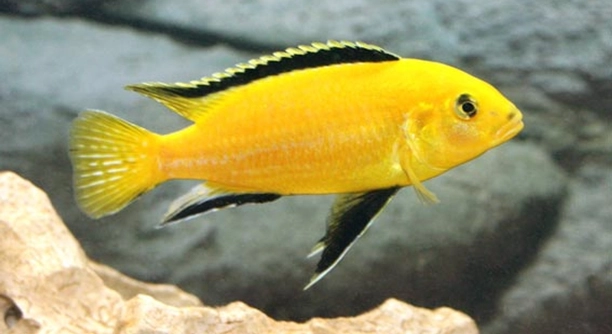
Have you ever wondered how your electric yellow cichlid behaves when its appetite shifts in unexpected ways, creating small worries in your aquarium routine and making you look for simple answers to keep running smoothly.
Loss of appetite in electric yellow cichlids often arises from stress, poor water quality, or underlying illness. Maintaining stable parameters, limiting disruptions, and conducting targeted health checks can usually restore feeding patterns and promote continued stability within the aquarium habitat.
By understanding these influences, you can move forward with confidence while uncovering simple steps that strengthen your cichlids comfort overall.
Common Reasons for Appetite Loss
Many electric yellow cichlids stop eating when something in their environment shifts, and it can feel a bit stressful when you are trying to figure out what changed. Stress from sudden lighting adjustments, tank mates becoming aggressive, or decorations being moved can make them withdraw from food. Poor water conditions, including rising ammonia or fluctuating temperature, also play a strong role. Illness, especially internal parasites or bacterial irritation, may reduce their energy, leading them to ignore pellets they normally enjoy. When I notice small changes in behavior, I try to look at every detail in the tank so I can understand what might be affecting my fish. Observing their swimming pattern, checking equipment, and looking closely at their color helps me decide what to fix first. Addressing these triggers early usually helps the cichlid settle back into a steady routine and makes feeding time feel easy again for sure now.
Small adjustments often make a real difference, especially when you focus on calm conditions and simple routines. By keeping the tank stable and gently reducing stress, your electric yellow cichlid can return to steady eating habits and show signs of comfort that you can clearly notice in your daily care.
When appetite loss appears, checking water parameters should be your first step, since electric yellow cichlids respond strongly to even small variations. Testing for ammonia, nitrite, nitrate, and temperature gives you a clear picture of what might be stressing your fish. After that, observe how the cichlid moves and reacts to tank mates, since behavior often reveals early discomfort. I like to watch them during feeding, because their response tells me if the issue is starting to improve. These simple observations help guide your next steps and keep the environment steady enough for your cichlid to regain normal feeding patterns.
Adjusting Feeding Methods
Feeding adjustments can support recovery once environmental issues are under control. Offering smaller portions, softening pellets, or introducing a mild variety can encourage interest without overwhelming your cichlid. Gentle consistency helps your fish regain trust in its routine and return to steady meals in a calm and stable setting daily.
Once your electric yellow cichlid begins to show slight interest in food again, you can gradually shift your feeding approach to support stronger habits. Start by offering high quality pellets that are easy to digest, since gentle foods reduce stress on the digestive system. If your cichlid still hesitates, try briefly soaking the pellets in tank water, which softens them and creates a texture many fish find easier to accept. Pay attention to how your fish approaches the food, because even small changes in movement can tell you whether the method is helping. I like to feed in a quiet corner of the tank to limit distractions, allowing the cichlid to focus fully on the meal. Avoid overfeeding, since leftover food can harm water quality and slow progress. Keep a simple schedule and observe your fish at the same times each day so you can detect improvements. If appetite continues to return, you can slowly reintroduce variety, including occasional vegetable based options, to keep nutrition balanced. Keeping the environment steady, the lighting soft, and the tank mates peaceful will support consistent feeding behavior. With patience and a steady routine, your cichlid can regain strong appetite patterns and return to normal.
Monitoring Tank Conditions
Stable conditions matter when your electric yellow cichlid stops eating, because even slight changes can throw off its routine. Keeping the temperature steady, maintaining gentle filtration, and avoiding sudden shifts in lighting or noise will help your fish feel secure enough to regain interest in food.
Regular water tests help you notice issues before they affect your cichlid. I like to check ammonia, nitrite, nitrate, pH, and temperature on a steady schedule, since small variations can affect appetite quickly. Watching how your fish reacts after each adjustment gives useful clues. If I see calmer swimming, improved color, or a bit of curiosity during feeding, I know the environment is supporting recovery. A clean and consistent setup usually helps the cichlid feel settled again, making the tank feel more predictable and reducing the stress that often leads to skipped meals.
Strong filtration keeps waste low, which is important when appetite changes appear. I clean filters gently to avoid removing too much beneficial bacteria. I also keep the substrate tidy, since leftover debris can affect water clarity and make the environment feel unstable. By keeping the tank simple and avoiding unnecessary changes, your cichlid can relax and slowly return to normal feeding behavior. These steady habits support a healthier rhythm overall and reduce setbacks during recovery.
Identifying Early Signs of Illness
Changes like slower swimming, staying near the bottom, or avoiding interactions can be early signals that something is wrong. I watch closely for fading color or clamped fins, since these shifts often appear before the fish completely stops eating or becomes visibly distressed.
Some illnesses develop quietly, so detailed observation helps you respond early. I look at breathing patterns, fin movement, and how the cichlid reacts when I approach the tank. If breathing becomes quick or the fish isolates itself, I take it seriously. Checking for small spots, swelling, or pale patches can also guide your decisions. When I see these signs, I test the water again and make small corrections to stabilize stress levels. If the symptoms continue, isolating the fish in a calm, clean space can prevent the issue from spreading. Keeping treatment simple and gentle gives your cichlid a better chance to recover and return to a healthy routine.
When to Adjust Your Maintenance Routine
Small changes in your routine can support a better feeding response. I keep water changes steady and gentle, since sudden shifts can unsettle my cichlid. Simple habits like wiping the glass and checking equipment help maintain a calm environment that encourages steady eating.
Feeding at the same time each day also supports recovery. I like to dim the room slightly and keep movement low around the tank, since a quiet space helps my cichlid focus on the food. These small adjustments often bring noticeable improvements in appetite.
Considering Professional Help
If your cichlid continues to avoid food despite stable water conditions and careful observation, it may be time to seek outside guidance. A professional can help identify subtle issues, including internal parasites or bacterial concerns, that may not be obvious at home. When I feel uncertain, reaching out gives me clarity, and it often speeds up recovery by pointing me toward precise treatment options. Professional support can prevent small problems from becoming more serious and keeps your care approach focused on the real cause of the appetite loss.
Creating a Calm Feeding Environment
A quiet space makes feeding easier when your cichlid feels stressed. I reduce noise, movement, and distractions around the tank so the fish can approach the food without feeling overwhelmed. This simple shift often encourages a more consistent feeding response.
FAQ
Why has my electric yellow cichlid stopped eating suddenly?
Sudden appetite loss usually points to stress or changes in the environment. I often notice it when water temperature fluctuates, tank mates become aggressive, or decorations are moved. Illness or parasites may also reduce interest in food, so careful observation is important to identify the cause early.
How long can a cichlid go without eating?
Healthy electric yellow cichlids can typically go a few days without food, but prolonged fasting can weaken them. I try to monitor my fish daily and watch for lethargy, pale color, or unusual swimming patterns, which indicate that intervention may be needed sooner.
What should I check in the tank first?
I start with water quality. Checking ammonia, nitrite, nitrate, pH, and temperature often reveals problems before they worsen. I also examine the filter, heater, and circulation, since even small disruptions can stress the cichlid and affect its appetite.
Can feeding different foods help?
Yes, introducing softer or more digestible foods can encourage interest. I sometimes soak pellets briefly in tank water or offer small portions of frozen or lightly cooked foods. Changing texture and variety often triggers the fish to start eating again without overwhelming its system.
Do tank mates affect feeding behavior?
Absolutely. Aggressive or overly active tank mates can intimidate a cichlid during feeding. I watch interactions closely and sometimes separate aggressive fish temporarily. A calm environment allows my electric yellow cichlid to feed without feeling threatened.
Is temperature important for appetite?
Yes, temperature directly impacts metabolism. I maintain a stable range around 75-82°F for electric yellow cichlids. Even slight drops or spikes can slow digestion and reduce food interest, so I monitor heaters and room temperature closely.
How often should I perform water changes?
Regular, small water changes work best. I usually replace 15-20% of the water weekly, making sure it matches tank temperature and parameters. Sudden or large changes can stress the fish, worsening appetite loss.
When should I consider medication?
If appetite loss continues despite stable water and calm conditions, medication may help treat parasites or bacterial infections. I consult an aquatic specialist or vet before starting treatments, because overusing medication can harm beneficial bacteria or worsen stress.
Can stress alone cause a cichlid to stop eating?
Yes. Stress from loud noise, frequent tank disturbances, or overcrowding can cause a cichlid to skip meals. I focus on minimizing stress by keeping routines consistent and providing hiding spots, which usually improves appetite over time.
How can I encourage a reluctant cichlid to eat?
I feed small, manageable portions and stay patient. Sometimes offering food in a quieter area of the tank or hand-feeding for a short period helps. Observing subtle signs of interest, like following the food or swimming closer, helps me know when my cichlid is ready to eat again.
Are there signs of illness I should watch for?
Yes, changes in swimming, color, breathing, or fin position often appear before appetite loss. I check daily for spots, swelling, or unusual behavior. Early detection lets me adjust care or seek professional advice before conditions worsen.
How long does it take for appetite to return?
Recovery varies, depending on cause and tank conditions. I have seen cichlids resume normal feeding within a few days when water is stable and stress is minimized. Persistent issues may take longer, requiring targeted interventions or professional guidance.
Can hiding places affect feeding?
Yes. Hiding spots provide security and reduce stress. I make sure my cichlid has access to caves or decorations where it can retreat if feeling threatened. Feeling safe often encourages it to explore and eat more willingly.
Should I change the lighting?
Lighting affects stress and feeding behavior. I use consistent, moderate lighting and avoid sudden shifts. Too bright or irregular light can make my cichlid hesitant during feeding, so keeping a gentle schedule usually helps restore appetite.
What is the most common reason for appetite loss?
In my experience, stress and poor water quality are the most frequent causes. Addressing these factors first usually produces the fastest improvement. Monitoring conditions carefully and adjusting small details can prevent prolonged feeding issues.
How do I know if my cichlid is recovering?
Signs include approaching food again, brighter color, normal swimming, and alertness. I track progress daily and maintain steady conditions, which often leads to a full return to regular feeding habits within a week or two.
Can overcrowding cause appetite loss?
Yes, too many fish can create stress and competition for food. I keep stocking levels appropriate and watch interactions carefully. Reducing crowding often leads to improved interest in feeding and calmer behavior overall.
Is fasting ever normal?
Short fasting can occur naturally during minor stress or temperature changes. I only intervene if the fast extends beyond a few days or is accompanied by lethargy, pale color, or abnormal swimming, which indicate the need for further care.
How important is observation in recovery?
Observation is critical. I spend time watching behavior, swimming patterns, and reactions to food. Noticing even small changes helps me identify issues early, adjust care, and support my cichlid’s return to normal feeding more effectively.
Can changes in water chemistry be subtle but impactful?
Yes. Even small shifts in pH, hardness, or nitrate levels can affect appetite. I test regularly and make gradual adjustments if needed. Maintaining consistent water chemistry is one of the most reliable ways I’ve found to prevent prolonged feeding issues.
Should I mix different types of food?
Occasionally mixing high-quality pellets with frozen or vegetable-based options can encourage feeding without causing digestive upset. I introduce new foods slowly and observe how my cichlid responds to ensure the approach works without adding stress.
How do I prevent future appetite problems?
Consistency is key. I maintain steady water quality, temperature, feeding routines, and tank conditions. Minimizing sudden changes and monitoring behavior regularly helps prevent issues before they develop and keeps my electric yellow cichlid healthy and feeding reliably.
What is the first step if my cichlid refuses food?
Start with water testing and observation. I check temperature, ammonia, nitrite, nitrate, and pH, then watch swimming, color, and fin behavior. Small adjustments and calm conditions usually bring back interest in food without requiring more drastic measures.
How do I track feeding improvements?
I keep a simple log of daily feeding behavior, noting portions eaten, reactions to food, and swimming patterns. Tracking progress helps me see small improvements and determine whether further changes are needed to restore appetite fully.
Can diet alone solve appetite loss?
Diet helps but rarely solves the problem alone. I focus on environment, stress reduction, and water quality first, then adjust feeding to encourage interest. A combined approach usually produces the best and most consistent results.
How do I introduce treatments safely?
If treatment is needed, I follow dosage instructions carefully and monitor my cichlid closely. I avoid overmedicating and ensure water conditions remain stable, which reduces stress and supports effective recovery during treatment.
What signs indicate serious illness?
Lethargy, rapid breathing, swollen abdomen, faded color, or clamped fins signal serious issues. I treat these signs seriously, adjust water conditions immediately, and contact a professional if they persist. Early attention prevents worsening problems and helps appetite return faster.
Is patience important?
Yes, patience is essential. I’ve found that even small, consistent adjustments require time to show results. Avoid rushing interventions, and focus on steady care, calm conditions, and careful observation to support my cichlid’s return to normal eating habits.
How can I tell if stress is the main issue?
Signs like hiding, skittish movements, and avoidance of food often point to stress. I look at environmental factors, tank mates, and daily routines, then make small adjustments. When behavior improves after these changes, I know stress was likely the main cause.
What daily habits help maintain appetite?
I maintain a calm routine, perform gentle water checks, feed at consistent times, and limit disturbances. Watching behavior, keeping water stable, and providing hiding spots help ensure my cichlid remains comfortable and willing to eat every day.
Can lighting schedules impact feeding?
Yes, consistent light cycles reduce stress and encourage regular feeding. I avoid sudden changes and maintain predictable periods of light and darkness. A steady schedule helps the cichlid feel secure and more likely to eat.
How long should I monitor after recovery?
I continue daily observation for at least two weeks after appetite returns to ensure no relapses occur. Maintaining stable conditions and consistent routines helps prevent new issues and keeps my cichlid healthy long-term.
Are there subtle signs before appetite loss appears?
Yes, early indicators include slower swimming, hiding, and less interaction with other fish. I watch for these signs to catch problems before they develop into complete refusal of food, which allows me to act promptly and effectively.
How can I avoid overfeeding during recovery?
I feed small portions and remove leftovers promptly. Even while encouraging appetite, I avoid excess food to prevent water quality issues. Careful portioning supports digestion and promotes steady improvement in feeding behavior.
Do hiding spots reduce stress effectively?
Yes, caves, rocks, or plants give my cichlid a place to retreat when feeling uneasy. Feeling secure encourages exploration and feeding, making recovery from appetite loss much smoother.
Should I keep a separate recovery tank?
A quarantine or recovery tank helps isolate sick or stressed fish and allows close observation. I use it when illness is suspected or when appetite loss is prolonged, which protects both the affected fish and the main tank environment.
Can temperature fluctuations hide signs of illness?
Yes, inconsistent temperature can mask subtle illness by reducing activity. I maintain stable warmth, watch behavior carefully, and only consider feeding issues or treatment once the environment is consistent and stress minimized.
How do I combine all these steps effectively?
I focus on stable water, calm feeding routines, careful observation, and minor diet adjustments first. If issues persist, I consider professional advice or treatment. A consistent, patient approach usually restores appetite and maintains long-term health for my electric yellow cichlid.
What are simple daily checks I can do?
I observe swimming, color, fin posture, breathing, and response to food. Testing water parameters weekly and keeping the tank tidy completes my daily checks, helping prevent problems and supporting steady appetite.
Is there a risk of repeated appetite loss?
Yes, repeated stress or poor conditions can trigger loss again. I maintain steady routines, monitor water quality, and minimize sudden changes to reduce the chance of relapse and ensure my cichlid continues eating normally.
How do I know the feeding issue is fully resolved?
Consistent daily eating, normal swimming, bright color, and relaxed behavior indicate full recovery. I continue monitoring to ensure the cichlid remains healthy and eating reliably, making small adjustments only if subtle changes appear.
What can I do if multiple fish stop eating?
I test water, check for stressors, and observe interactions carefully. If the issue affects more than one fish, it often points to environmental problems or illness. Quick adjustments and professional advice may be necessary to restore feeding for all affected cichlids.
How important is gentle handling?
Minimizing handling reduces stress and prevents appetite loss. I avoid unnecessary netting and disturbances, focusing on observation and controlled interventions only, which keeps the cichlid calm and more willing to eat.
Should I adjust feeding frequency during recovery?
I offer smaller meals more frequently to encourage appetite without overloading the system. This method allows the fish to rebuild energy gradually and resume normal feeding patterns safely and steadily.
Can visual cues help with monitoring appetite?
Yes, watching eye focus, fin movement, and approach toward food provides clear signs of willingness to eat. I track these cues daily to adjust care and ensure my cichlid returns to regular feeding behavior efficiently.
What is the safest way to test new food?
I introduce small amounts at first and watch reactions for a few minutes. Gradual introduction prevents stress or digestive upset while helping the cichlid regain interest in meals and maintain a balanced diet.
Do stress relievers like plants or decorations help consistently?
Yes, providing visual barriers and hiding spots reduces anxiety. I arrange the tank to give security without crowding space, which encourages exploration, normal swimming, and steady feeding habits over time.
How long does it take to fully stabilize feeding?
Recovery typically ranges from a few days to two weeks depending on cause. I maintain consistent water quality, calm environment, and gradual diet adjustments. Patience ensures my cichlid regains full appetite without relapses or setbacks.
Can interactions with other species affect recovery?
Yes, aggressive or territorial fish can slow appetite recovery. I watch behavior and separate or adjust tank mates if needed. A peaceful environment allows the cichlid to feed consistently and return to normal activity patterns.
Are there subtle environmental cues that impact feeding?
Yes, lighting, background noise, and vibrations affect comfort. I keep conditions predictable and quiet during feeding to encourage interest, reduce stress, and help maintain regular eating habits.
How do I balance water quality and diet simultaneously?
I perform gentle water changes, monitor chemistry, and provide small, digestible meals. This combination supports recovery while minimizing stress, allowing my cichlid to regain appetite safely and steadily.
What is the most important takeaway from these tips?
Consistency, observation, and gentle adjustments are key. By maintaining calm conditions, monitoring behavior, and addressing minor changes early, I ensure my electric yellow cichlid returns to regular feeding and stays healthy long-term.
How do I know when professional intervention is needed?
Persistent appetite loss, visible illness, or abnormal behavior despite stable conditions signals the need for expert advice. I contact a vet or aquatic specialist promptly to prevent complications and guide effective treatment.
Are there preventative habits for future feeding issues?
Yes, maintaining stable water, calm routines, proper diet, and observation reduces risk. I follow these habits daily, which keeps my cichlid healthy and minimizes the likelihood of repeated appetite problems.
Can diet alone restore appetite if the environment is unstable?
No, diet cannot fully compensate for stress or poor water conditions. I prioritize stabilizing the tank first, then adjust feeding methods to support recovery and long-term health.
How do I combine environmental, dietary, and behavioral strategies effectively?
I focus on stabilizing water, controlling stress, offering digestible meals, and observing behavior. This holistic approach ensures the cichlid regains appetite quickly and maintains a healthy routine without setbacks.
What is the most effective way to track long-term recovery?
Daily observation, routine water tests, consistent feeding logs, and monitoring behavior provide a clear picture. I track these indicators over weeks to ensure my cichlid stays healthy and eating reliably.
Are there common mistakes to avoid?
Overfeeding, sudden water changes, frequent disturbances, and ignoring early signs of stress are common pitfalls. I focus on gentle, consistent care and close observation to prevent prolonging appetite loss or causing relapses.
How do I know my interventions are working?
Indicators include approaching food, brighter color, calm swimming, and active response to tankmates. I watch daily and adjust only if these signs do not appear, which confirms progress and ensures steady recovery.
Can environmental enrichment aid recovery?
Yes, plants, caves, and gentle water flow provide stimulation without stress. I arrange the tank to balance security and activity, helping my cichlid regain interest in food and normal behavior.
Is it normal for appetite to fluctuate slightly?
Yes, minor daily variations are natural. I focus on consistent long-term feeding patterns rather than reacting to small fluctuations, which keeps care steady and reduces stress.
How do I prevent relapses after recovery?
Maintaining consistent water quality, calm routines, appropriate tank mates, and balanced diet helps prevent future appetite loss. I continue monitoring and adjust gently when necessary, ensuring my cichlid remains healthy.
What daily routines best support a healthy appetite?
Regular water checks, consistent feeding times, quiet environment, and observation of swimming and color are essential. I integrate these habits into daily care, which supports appetite and overall well-being for my electric yellow cichlid.
How important is gentle observation versus intervention?
Observation is often more important initially. I watch behavior, feeding response, and interactions before making changes. Gentle intervention only when necessary reduces stress and encourages natural recovery of appetite.
Can minor tank disturbances cause appetite loss?
Yes, sudden noises, movement, or rearranging decorations can stress the cichlid. I limit disturbances during sensitive periods, which helps maintain feeding behavior and supports long-term comfort in the tank.
What combination of strategies produces the best results?
Stable water, calm feeding routines, small dietary adjustments, hiding spots, consistent light, and careful observation together ensure appetite returns safely. I rely on this combination daily, which consistently restores feeding and promotes long-term health.
How do I know when feeding is fully normalized?
When my cichlid consistently eats all offered food, swims actively, shows normal color, and behaves calmly, I consider feeding normalized. Continued observation ensures no setbacks occur.
How long should monitoring continue after full recovery?
I maintain daily checks for at least two weeks, monitoring water quality, behavior, and appetite. This practice helps catch subtle issues early and prevents relapse, ensuring long-term stability and health.
What is the most reliable indicator of appetite recovery?
Consistent engagement with food and normal behavior patterns, including active swimming and color brightness, signal recovery. I track these indicators daily to confirm my cichlid has returned to stable feeding habits.
Can stress management alone restore appetite?
Sometimes, yes. Reducing environmental stress often triggers renewed interest in food. I combine stress reduction with stable water and gentle feeding to maximize recovery success.
How do I avoid overreacting to minor fluctuations?
I focus on long-term patterns rather than daily changes. Monitoring behavior and appetite over several days helps me respond appropriately, avoiding unnecessary interventions that could increase stress.
Are there signs that indicate partial recovery?
Yes, even small approaches to food, following pellets without eating immediately, or showing curiosity indicate partial recovery. I maintain consistent care while watching for steady improvement to full appetite.
How can I keep appetite stable long-term?
Consistent water quality, feeding schedule, calm environment, appropriate tank mates, and daily observation create long-term stability. I maintain these routines to prevent future appetite issues and support overall health.
Can multiple small adjustments be more effective than one large change?
Yes, gradual corrections in water, diet, and environment reduce stress. I prefer small, steady adjustments, as they encourage recovery without overwhelming the fish or causing additional appetite loss.
How do I know if appetite loss is environmental or medical?
Environmental causes usually respond to water stability and reduced stress. Medical causes often persist despite these adjustments. I monitor closely and seek professional guidance if appetite does not return after stabilizing conditions.
**What are the safest first steps
Final Thoughts
Watching an electric yellow cichlid stop eating can feel worrying, but most cases have manageable solutions. In my experience, consistent water quality, calm routines, and careful observation are the most important factors in helping the fish recover. Small environmental changes, such as stable temperature, quiet surroundings, and proper lighting, can make a noticeable difference. When I maintain these conditions, my cichlid usually starts showing interest in food again within a few days. Even if the fish has missed several meals, gentle care and patience often restore normal appetite without the need for drastic interventions.
Feeding habits can also improve with slight adjustments. Offering smaller portions, softening pellets, or introducing mild variations in diet can encourage the fish to start eating again. I have found that avoiding sudden changes in food type or quantity helps prevent additional stress. Observing the fish’s behavior during feeding is essential, as subtle cues like approaching the food or following pellets indicate recovery. Gradually, the cichlid returns to regular eating patterns, and consistent feeding schedules reinforce this progress. Providing hiding spots and arranging the tank for security can further reduce stress, which contributes to a steady appetite. These small steps, combined with attention to water quality and routine care, often solve the problem without complicated solutions.
Even when all environmental and dietary adjustments are in place, some situations require professional guidance. If the cichlid shows persistent refusal to eat, abnormal swimming, or signs of illness, consulting an aquatic specialist or veterinarian is important. Early intervention can prevent more serious health problems and help determine whether internal parasites, bacterial infection, or other conditions are present. Over time, maintaining steady routines, monitoring behavior daily, and addressing small issues promptly helps prevent future appetite loss. I have found that consistency, patience, and careful observation are the most reliable ways to keep an electric yellow cichlid healthy and feeding regularly. By focusing on these practices, the fish can recover from short-term appetite issues and continue to thrive in a calm, stable environment.

Hello,
If you enjoy the content that we create, please consider saying a "Thank You!" by leaving a tip.
Every little bit helps us continue crafting quality advice that supports the health, happiness, and well-being of pets around the world, for pets of all shapes, sizes, and species.
We really appreciate the kindness and support that you show us!