
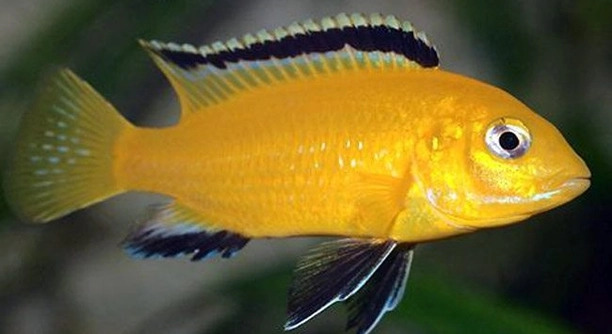
Do you ever find yourself wondering if your cichlids are getting the nutrition they truly need? Feeding these vibrant fish can seem simple, yet small mistakes may affect their health and growth without you noticing.
Cichlids require carefully balanced diets, and common feeding errors such as overfeeding, underfeeding, providing inappropriate foods, or inconsistent schedules can lead to health issues, stunted growth, and water quality problems. Avoiding these mistakes is crucial for maintaining optimal fish well-being.
Understanding these feeding pitfalls will help you improve your aquarium care routine and promote stronger, healthier cichlids in your tank environment.
Overfeeding Your Cichlids
Overfeeding is one of the most common mistakes when caring for cichlids. It is easy to assume that giving more food will make them healthier, but excess food can harm both the fish and the tank environment. Leftover food decomposes quickly, causing spikes in ammonia and nitrite levels, which are toxic to fish. Overfeeding can also lead to obesity and digestive problems in cichlids, making them more prone to disease. Observing their eating habits closely helps determine the correct amount. A good rule is to provide only what they can consume within a few minutes. Feeding smaller portions multiple times a day is often better than one large feeding. Different species may have varying nutritional needs, so research on specific cichlids is essential. Using high-quality, species-appropriate food ensures they get the right nutrients without adding excess waste to the tank. Proper feeding supports their vibrant colors, active behavior, and overall health.
Portion control prevents health issues and keeps water quality stable. Monitoring intake is crucial for long-term tank maintenance.
By avoiding overfeeding, you also reduce the risk of algae growth and maintain a cleaner, healthier environment. Cichlids will be more active, and their immune systems will stay strong. Consistency in feeding times helps establish routine behavior, making it easier to notice changes in appetite or health. Using a feeding schedule and measuring portions precisely ensures no excess remains in the tank. Observing their responses to different foods helps you adjust quantities and balance their diet. Additionally, proper feeding practices reduce stress, as overcrowded or uneaten food can lead to aggression among tankmates. Overall, mindful feeding improves both the longevity of your cichlids and the stability of your aquarium ecosystem.
Feeding Inappropriate Foods
Offering the wrong foods can quickly harm cichlids. Not all fish food is suitable, and some can lead to nutritional deficiencies or health issues.
Cichlids have varied dietary needs depending on species. Some require high-protein diets, while others need more plant matter. Feeding inappropriate foods can result in stunted growth, weakened immunity, or even death over time. Avoid giving them human snacks or foods high in fats and carbohydrates, as these are not digestible and upset water chemistry. Frozen or live foods should be handled carefully to avoid introducing pathogens. Even commercially available flake or pellet foods must match the species’ requirements. Researching each cichlid species ensures the diet aligns with their natural eating habits. Providing variety, including vegetables, proteins, and occasional treats, helps maintain optimal health. Avoiding unsuitable foods not only protects your cichlids but also preserves water quality and reduces stress in the tank.
Offering a carefully balanced diet tailored to each cichlid species ensures strong growth and vibrant health. It also prevents long-term nutritional problems that may be difficult to correct.
Irregular Feeding Schedule
Inconsistent feeding times confuse cichlids and can lead to stress. Regular schedules help maintain healthy metabolism and behavior. Sudden changes may reduce appetite and increase aggression among tankmates.
Maintaining a consistent feeding schedule ensures cichlids receive nutrition at predictable times. Irregular feeding can disrupt their digestive system, causing bloating, constipation, or even internal infections. Fish adapt to routines, and a stable schedule reduces stress and improves overall health. It also allows you to monitor their eating habits closely, making it easier to spot illness or appetite changes early. Planning feedings once or twice daily, at the same time, creates a stable environment for all fish in the tank.
A predictable feeding routine also supports water quality. Over time, cichlids will associate feeding with specific times, reducing frantic behavior during meals. Consistent schedules help prevent leftover food accumulation, which otherwise decomposes and releases harmful chemicals into the water. By observing your fish during these times, you can detect subtle health issues before they escalate. This structured approach benefits both the fish and the overall tank ecosystem, keeping the community calmer and more balanced.
Using Low-Quality Food
Low-quality food lacks essential nutrients and can harm cichlids over time. Poor ingredients reduce growth, immunity, and coloration, affecting their overall well-being.
Feeding low-quality or generic fish food often means cichlids miss important vitamins and proteins. Cheap flakes or pellets may contain fillers, artificial colors, and preservatives that are difficult to digest and offer minimal nutritional value. Over time, this can weaken their immune system, making them prone to disease and infections. High-quality foods formulated for specific cichlid species ensure they receive the nutrients needed for strong growth, bright colors, and active behavior. Including occasional live or frozen foods further enhances their diet.
Investing in quality food also supports tank hygiene. Better ingredients digest more efficiently, reducing waste accumulation and maintaining cleaner water. High-quality options often mimic natural diets, which is essential for carnivorous, herbivorous, or omnivorous cichlids. Balanced nutrition encourages proper growth rates, strengthens bones, and promotes vibrant coloration, helping fish thrive in captivity. Feeding with precision and care ensures that your aquarium remains a healthy environment where cichlids can display their natural behaviors and long-term vitality.
Overreliance on Flakes
Relying only on flake food limits nutritional variety. Cichlids require more than basic flakes to thrive.
A diet based solely on flakes can cause deficiencies in protein, vitamins, and minerals. Incorporating pellets, frozen, or live foods ensures they receive a balanced intake and supports growth, coloration, and overall health.
Feeding Directly From Hands
Feeding directly from hands can stress some cichlids. Not all fish respond well to this approach, and it may lead to aggressive behavior. Some species may nip or become territorial, making mealtime less calm and increasing the risk of injury.
Ignoring Species Differences
Each cichlid species has unique dietary needs. Omitting species-specific considerations can stunt growth or trigger health issues. Understanding what your specific cichlid requires ensures optimal nutrition, supports immune function, and promotes natural behavior, preventing common problems associated with generalized feeding.
Neglecting Supplements
Supplements are essential for certain cichlids. Vitamins and minerals support immunity, growth, and coloration, especially for species with specialized diets.
FAQ
How often should I feed my cichlids?
Cichlids generally do best with one to two feedings per day. Smaller, more frequent portions prevent overeating and reduce waste buildup in the tank. Adjust portion sizes based on their consumption, giving only what they can eat in a few minutes. Observing their appetite and activity can help fine-tune the schedule. Younger or more active species may need slightly more frequent feedings, while adult fish with slower metabolisms can thrive on fewer meals. Consistency is key to supporting digestion, growth, and overall health.
What types of food are best for cichlids?
High-quality pellets or flakes formulated for specific cichlid species provide balanced nutrition. Carnivorous cichlids benefit from protein-rich options, while herbivorous species need plant matter included in their diet. Frozen or live foods, such as brine shrimp or bloodworms, offer variety and essential nutrients. Including vegetables like peas or spinach can help herbivorous or omnivorous species. Avoid foods with excessive fillers, artificial colors, or preservatives. Rotating food types ensures a more complete diet, supports proper growth, and keeps the fish engaged. Always match food types to the species’ natural feeding habits.
Can I feed my cichlids human food?
Human food is generally not suitable for cichlids. Ingredients like bread, meat, or processed snacks can upset their digestive system and water chemistry. Some foods may contain harmful additives or too much fat and carbohydrates. Even small amounts can accumulate over time, leading to obesity, nutrient deficiencies, or illness. Stick to foods specifically formulated for fish and safe frozen or live options. Vegetables must be carefully prepared to avoid spoilage and contamination. Feeding human food occasionally is risky and not recommended for long-term health.
How much food is too much?
Feed only what cichlids can consume within two to three minutes. Uneaten food contributes to ammonia spikes, algae growth, and water quality issues. Overfeeding can also cause obesity, swim bladder problems, and digestive issues. Measuring portions or using a consistent feeding tool helps avoid excess. Observing their behavior and appetite during meals ensures proper amounts. Adjust feedings based on activity levels, species, and tank size. Even small variations in portions over time can have significant effects on fish health and the overall tank environment.
Do cichlids need supplements?
Supplements are beneficial, especially for species with specialized diets or limited access to natural foods. Vitamins and minerals support immunity, growth, and coloration. Common supplements include vitamin-enriched flakes, spirulina, or occasional frozen foods fortified with essential nutrients. Over-supplementing should be avoided, as excess nutrients can harm water quality and fish health. Regularly providing a balanced diet alongside occasional supplements helps prevent deficiencies and promotes longevity. Supplements are most useful for herbivorous or omnivorous species, or if feeding schedules or food variety is restricted.
Can I mix different types of food in one feeding?
Yes, combining pellets, flakes, and frozen or live foods can provide a more complete diet. Mixing foods ensures protein, vitamins, and minerals are adequately supplied. Be careful not to overfeed, and monitor consumption to prevent waste. Offer small portions of each type to see what your cichlids prefer and adjust future feedings accordingly. Rotating foods over the week rather than combining all at once can also help maintain water quality and keep the fish interested in their meals.
Is it okay to feed cichlids at irregular times?
Irregular feeding can stress cichlids and disrupt digestion. Fish adapt to consistent schedules, which support metabolism and reduce aggression. Sudden changes in feeding times may reduce appetite and lead to overconsumption when food is available. Sticking to predictable feeding times helps monitor their health, notice appetite changes, and maintain tank stability. Small variations are manageable, but overall consistency benefits both fish behavior and water quality.
What should I do if my cichlids refuse food?
Refusal to eat may indicate stress, illness, or water quality issues. Check tank parameters, temperature, and compatibility among fish. Offering a variety of foods or live options may encourage feeding. Reduce handling and avoid overfeeding during this period. Monitor closely for signs of disease or injury. Temporary fasting is usually safe for healthy adults but prolonged refusal should be addressed promptly. Adjusting the environment, diet, or social dynamics can often restore normal appetite.
Can overfeeding affect water quality?
Yes, excess food decomposes, raising ammonia and nitrite levels, which are toxic to cichlids. Overfeeding also promotes algae growth and reduces oxygen levels. Maintaining proper portions and consistent schedules minimizes waste and keeps water chemistry stable. Frequent water testing and partial water changes help prevent long-term issues. Proper feeding practices are essential to maintaining a healthy tank environment and supporting fish vitality.
Are there signs that cichlids are not getting enough food?
Underfed cichlids may appear thin, lethargic, or exhibit slow growth. They may compete aggressively during feeding or nibble at substrate and decorations. Reduced coloration and weakened immunity are also common indicators. Providing adequate portions and monitoring their behavior ensures they receive sufficient nutrition. Adjustments may be necessary based on species, size, and tank conditions to maintain health and vitality.
Caring for cichlids requires attention to detail, especially when it comes to feeding. These fish have specific dietary needs, and meeting them consistently is crucial for their health and growth. Overfeeding, underfeeding, or giving inappropriate foods can all lead to problems, from poor water quality to stunted growth and illness. Observing their behavior during feeding times helps identify potential issues early. Small changes, such as adjusting portion sizes or providing a variety of foods, can make a significant difference in their overall well-being. Consistency in diet, combined with high-quality, species-appropriate foods, supports their natural behaviors, vibrant colors, and long-term health. Even small mistakes in feeding can have long-term effects, so careful planning and routine are essential. Paying close attention to each species’ requirements ensures they thrive in the tank environment.
Proper feeding habits also play a key role in maintaining a stable and clean aquarium. Leftover food can quickly pollute the water, raising ammonia and nitrite levels, which are harmful to cichlids. Over time, this can lead to algae growth and a decline in water quality, affecting all inhabitants. Measuring food carefully and following a consistent schedule helps prevent these issues. Supplementing their diet when necessary ensures they receive essential vitamins and minerals that may not be fully present in prepared foods. Providing a balance of pellets, flakes, and occasional live or frozen foods keeps their diet varied and complete. Maintaining a clean environment alongside proper feeding practices creates a healthier, more vibrant tank where cichlids can display natural behaviors and remain active.
Ultimately, successful cichlid care depends on observing and understanding their needs. Each species has unique dietary preferences, and tailoring feeding routines accordingly promotes better growth, immunity, and overall vitality. Avoiding common feeding mistakes, such as overfeeding, relying on low-quality food, or feeding at irregular times, supports both fish health and tank stability. Regularly monitoring their appetite, behavior, and water parameters allows you to make timely adjustments and prevent problems before they escalate. By prioritizing proper nutrition and maintaining a consistent feeding schedule, cichlids can thrive, displaying strong colors, active behavior, and longevity. Thoughtful feeding practices benefit both the fish and the aquarium environment, ensuring a balanced, healthy ecosystem.

Hello,
If you enjoy the content that we create, please consider saying a "Thank You!" by leaving a tip.
Every little bit helps us continue crafting quality advice that supports the health, happiness, and well-being of pets around the world, for pets of all shapes, sizes, and species.
We really appreciate the kindness and support that you show us!