
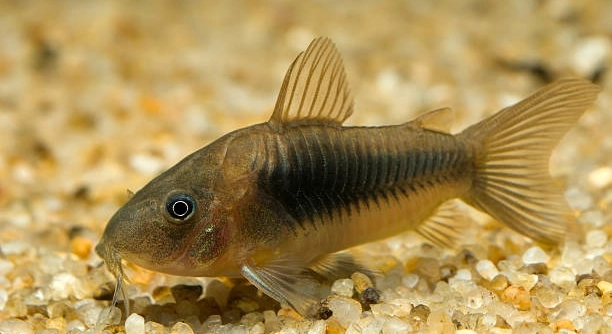
Do you ever find yourself watching your Corydoras catfish hug the bottom of the tank and wonder if it’s normal behavior?
The primary reason your Corydoras catfish stays near the bottom is due to its natural instincts. Corydoras are bottom-dwelling fish that forage along the substrate for food, making this behavior completely typical and healthy.
Still, several other factors could influence how much time they spend there, and knowing these can help you better care for your fish.
1. Corydoras Are Natural Bottom-Dwellers
Corydoras catfish are bottom-dwellers by nature. In the wild, they spend most of their time near the riverbed, searching for food and staying safe from predators. Their bodies are built for this lifestyle, with downward-facing mouths and barbels that help them sense food in the substrate. In your aquarium, this behavior continues. They graze along the bottom, sifting through the gravel or sand to find bits of uneaten food. This isn’t a sign of stress or illness—it’s just what they’re meant to do. Some owners worry when they don’t see their Corys swimming higher in the tank, but it’s important to remember that their comfort zone is near the bottom. As long as they’re active and eating, this behavior should be seen as normal and healthy.
Many fish swim throughout the tank, but Corydoras prefer the bottom because it feels secure and familiar to them.
Understanding this can ease your worries. It helps to watch for other signs of distress, but bottom swimming alone is not one.
2. Poor Water Conditions Can Be a Factor
If your tank isn’t clean, your Corydoras might stick to the bottom more often due to stress or discomfort.
Corydoras are sensitive to water quality. Ammonia, nitrite, and even high nitrate levels can make them feel unwell. When stressed, they may breathe heavily or stop moving as much. A tank that looks clean on the surface can still hide issues. Always use a test kit to check your water parameters, especially if your Corys seem less active or are staying too still. Keep the water clean with regular water changes, and avoid overfeeding. Uneaten food can break down and cause ammonia spikes, making the bottom of the tank an unpleasant place. If water quality is poor, your fish may hover close to the substrate but show signs like clamped fins or faded color. Fixing the water improves their behavior quickly, and you’ll notice them becoming more lively once conditions improve.
3. They’re Searching for Food
Corydoras use their barbels to find small bits of food along the bottom. It’s a natural and constant part of their behavior, especially right after feeding time when leftovers settle into the substrate.
Their whisker-like barbels are highly sensitive and help them detect food particles hidden in gravel or sand. You might notice your Corydoras sifting through the substrate, pausing occasionally when they find something to nibble on. This isn’t a sign of hunger or distress—it’s just how they prefer to eat. Even if you feed floating or mid-level food, some of it will sink, and they’ll happily clean it up. It’s a good idea to occasionally feed sinking pellets or wafers designed for bottom-feeders to make sure they get enough nutrition. Watching them forage is also a great way to check that they’re active and healthy.
If they stop searching for food or eat less, it may be a sign of illness. Active foraging is a good sign.
4. They Feel Safe Near the Substrate
Corydoras prefer calm, shaded areas, and the bottom of the tank offers that kind of comfort. When they feel threatened or uncertain, they tend to stay low where there’s more cover and less movement.
Tankmates and overall tank layout affect how safe your Corys feel. If there are aggressive or fast-swimming fish, Corydoras may avoid open water and stick to the bottom. Decorations like plants, caves, or driftwood can give them hiding places and help them feel more secure. A bare tank might leave them anxious, causing them to stay low and still for long periods. It’s important to provide an environment that makes them feel protected. If your Corydoras are hiding more than usual or staying pressed against the bottom without foraging, it could mean they’re scared or overwhelmed. Adding cover and reducing stress from other fish often encourages more normal behavior. A calm, comfortable setup supports their natural habits.
5. They’re Resting or Sleeping
Corydoras often rest near the bottom when they’re tired. It’s common for them to stay still, especially during the day or after feeding. As long as they’re breathing normally and not gasping, this is nothing to worry about.
Resting periods can look like inactivity, but it’s just part of their routine. They might tuck themselves near a plant or decor piece and stay still for a while. This helps them conserve energy and feel secure.
6. The Tank Is Too Bright
Strong lighting can stress Corydoras, pushing them to stay near shaded, lower areas. In tanks with bright lights and few hiding spots, they may avoid open water altogether and cling to the bottom for comfort.
Soft lighting or floating plants can help reduce the glare and make them feel safer.
7. Substrate Type Affects Behavior
Corydoras prefer soft sand over gravel. Sharp or rough substrates can irritate their barbels and discourage them from foraging freely. If the bottom feels uncomfortable, they may stick to certain areas or avoid moving much. Choosing the right substrate helps support healthy and natural behavior.
FAQ
Why do Corydoras stay at the bottom of the tank all the time?
Corydoras are natural bottom-dwellers. They are built to forage on the substrate, using their sensitive barbels to find food. This behavior is completely normal and reflects their instincts, not a sign of distress. If they appear active, swimming around, and foraging, they are simply doing what comes naturally. However, if they are staying at the bottom without moving much or showing other signs of illness, like faded colors or heavy breathing, that might be a sign to check their environment.
Can Corydoras swim higher in the tank?
While Corydoras are capable of swimming higher up in the tank, they tend to prefer staying at the bottom. Their anatomy is designed for life on the substrate, with their barbels and mouth adapted for sifting through gravel or sand. In an aquarium, you may see them explore different levels occasionally, but they will naturally return to the bottom. This is nothing to worry about, as it’s just part of their behavior.
How can I encourage my Corydoras to swim more?
If your Corydoras are always at the bottom and rarely swim higher, consider adding more structure to the tank. Providing decorations like plants, caves, or driftwood can make the environment feel safer and may encourage your Corydoras to explore. You can also reduce bright lighting, which can stress them and make them stay lower in the tank. Offering a varied diet and ensuring clean water are also important factors in keeping them healthy and active. Additionally, avoid having overly aggressive tank mates that might make your Corydoras feel threatened.
Are Corydoras more active at night?
Yes, Corydoras tend to be more active during dawn or dusk, which aligns with their natural behavior in the wild. They are not strictly nocturnal but do become more active in low light conditions. If your tank is brightly lit during the day, they may remain more stationary during those hours. If you want to observe them more during their active periods, try adjusting the lighting to mimic natural day-night cycles, with dimmer lights in the evening.
What is the best tank setup for Corydoras?
Corydoras thrive in tanks with soft, sandy substrate, as they can more easily forage without injuring their barbels. They also prefer clean, well-filtered water with stable temperature and pH levels. For tank mates, it’s best to choose peaceful fish that won’t stress them out. Corydoras do best in groups, so consider keeping at least three or more to encourage natural behavior. Adding plants and hiding spots like rocks or driftwood helps provide them with safe spaces. Maintaining a well-balanced ecosystem with regular water changes is crucial for their overall health.
Why are my Corydoras always hiding?
Corydoras are typically shy and prefer hiding when they feel threatened or stressed. If they’re constantly hiding, it could be due to aggressive tank mates, bright lighting, or poor water conditions. Make sure your tank environment feels secure by adding plants, caves, or other decorations where they can hide. If they seem stressed, test the water for ammonia, nitrites, and nitrates, as poor water quality can affect their behavior. Over time, once the environment becomes more stable and they feel safer, your Corydoras should feel comfortable exploring more.
Do Corydoras need a group?
Yes, Corydoras are social fish and do best in groups. Being part of a group helps them feel more secure and comfortable. They will often interact with each other, swimming together, and foraging in the same area. Keeping a group of at least three to five Corydoras is recommended to encourage natural behavior and reduce stress. Without company, they can become lonely and may exhibit signs of stress, such as hiding or being less active.
How often should I feed Corydoras?
Corydoras are opportunistic feeders and will happily eat whatever food you provide. It’s best to feed them once or twice a day, offering a variety of foods such as sinking pellets, algae wafers, and occasional live or frozen treats like bloodworms. Be careful not to overfeed, as uneaten food can degrade water quality quickly. Always monitor their eating habits to ensure they’re getting the right amount of food without leftovers sitting in the tank too long.
Why are my Corydoras staying at the surface of the water?
If your Corydoras are staying at the surface of the water, it may be a sign of poor water conditions, particularly low oxygen levels. Corydoras are bottom-dwellers, so they typically prefer the lower levels of the tank. If they are forced to swim at the surface or seem to be gasping for air, check the water for high ammonia, nitrites, or nitrates, as these can cause stress and harm your fish. Increasing water flow or adding an air stone can help improve oxygen levels. Ensure that the water is properly filtered and changed regularly to maintain a healthy environment.
Can Corydoras live with other fish?
Corydoras are peaceful fish that can live with a variety of other species. They do well with other calm, non-aggressive fish like tetras, rasboras, or gouramis. Avoid keeping them with fin-nipping fish or overly aggressive species that might cause stress. Corydoras are bottom-dwellers, so they are unlikely to compete with other fish for space, but it’s always a good idea to make sure everyone in the tank gets along. Keeping them with other peaceful bottom-feeders, such as shrimp or snails, can also work well.
Final Thoughts
Corydoras catfish are natural bottom-dwellers, and it’s completely normal for them to spend most of their time near the bottom of the tank. They are equipped with barbels that help them search for food on the substrate, which is their primary way of eating. This behavior is not a sign of illness or stress but simply reflects their natural instincts. As long as they are eating well, swimming occasionally, and seem healthy, there’s no need to worry. Understanding their behavior helps you create a better environment for them, so they can feel safe and thrive in your tank.
However, if your Corydoras are staying at the bottom without moving much, or if they are showing other signs of stress like faded colors or heavy breathing, it’s important to look at their environment. Poor water quality is often the culprit in these cases. Ammonia, nitrites, and high nitrates can cause discomfort and make them stay in one place. Checking and maintaining the water parameters regularly can go a long way in preventing these issues. Additionally, adjusting the lighting and ensuring there are hiding places can help them feel more secure and less stressed. A tank that mimics their natural habitat will keep them healthy and active.
Finally, Corydoras do best in groups, so adding more than one to your tank is highly recommended. They are social fish that enjoy interacting with each other, and being in a group reduces stress. Also, keep in mind that they are sensitive to their surroundings. Providing them with a soft substrate, clean water, and peaceful tank mates will ensure they lead a happy, healthy life. With a little attention to their needs, your Corydoras will continue to thrive, showing you the beauty of their natural, bottom-dwelling behavior.

Hello,
If you enjoy the content that we create, please consider saying a "Thank You!" by leaving a tip.
Every little bit helps us continue crafting quality advice that supports the health, happiness, and well-being of pets around the world, for pets of all shapes, sizes, and species.
We really appreciate the kindness and support that you show us!