
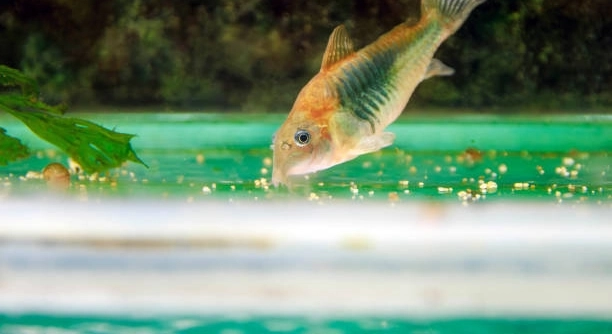
Does your Corydoras catfish keep scratching itself, and you’re unsure why? It can be worrying when your pet fish shows signs of discomfort, but understanding the causes is key to providing them with proper care and comfort.
Corydoras catfish scratching themselves may indicate various issues, such as skin irritation, parasites, poor water quality, or stress. Identifying the underlying cause is essential for addressing the problem and ensuring your fish’s health is restored.
Exploring the causes of scratching will help you identify the right solutions for your Corydoras, ensuring they remain happy and healthy in their environment.
Poor Water Quality
One of the most common reasons your Corydoras catfish may be scratching itself is poor water quality. Fish are very sensitive to changes in their environment, especially when it comes to water parameters like pH, ammonia, nitrites, and nitrates. High levels of these toxins can irritate their skin and cause them to rub against objects to relieve discomfort.
Maintaining clean water is essential for the health of your fish. Regular water changes and proper filtration are necessary to keep harmful substances in check. You should also test your tank’s water regularly to ensure it’s within the appropriate range for Corydoras. These fish prefer slightly acidic to neutral water and are sensitive to fluctuations in temperature, so stability is key.
If your water quality is poor, your Corydoras will not only experience skin irritation but may also become stressed, which can lead to more serious health issues. Keep your tank clean, perform routine water changes, and always monitor water parameters to maintain a healthy environment for your fish.
External Parasites
External parasites like ich or velvet can cause your Corydoras to scratch its body. These tiny organisms attach to the skin and fins of your fish, leading to irritation. The itching is a direct response to the presence of these parasites.
Treating external parasites requires quarantine and specific medications. If you notice spots or abnormal growths on your fish, consider isolating them in a separate tank to avoid spreading the parasites to your other fish. You can treat your Corydoras with anti-parasitic treatments available at pet stores or from your veterinarian.
Skin Irritation or Injury
Scratching can also occur if your Corydoras has skin irritation or an injury. Abrasions from sharp objects in the tank, rough surfaces, or even other fish can cause discomfort. These wounds may lead to excessive scratching as your catfish tries to relieve irritation.
Check for any visible signs of injury on your Corydoras. If you notice any cuts, abrasions, or red patches on their body, it’s important to remove sharp objects from the tank and monitor the fish closely. A clean and well-maintained environment will help prevent further injuries. Keep an eye out for signs of infection, such as swelling or unusual growths, and treat them promptly with the appropriate medication.
You should also ensure that your tank is free of any objects that could cause harm. Smooth decorations and properly maintained equipment will minimize the risk of injury. A careful inspection of your aquarium setup will ensure your Corydoras can move freely without unnecessary scratching.
Stress or Environmental Factors
Stress can cause your Corydoras to scratch itself, especially when environmental conditions are not ideal. Factors like loud noises, sudden changes in water temperature, or overcrowding can all lead to heightened stress levels. When a fish is stressed, it may scratch as a response to discomfort or anxiety.
Creating a peaceful environment is essential. Ensure that the tank is not overcrowded and that your Corydoras has plenty of space to swim and hide. Avoid placing the tank in high-traffic areas where noise and vibrations could disturb your fish. Consistent temperature and water quality are also important for reducing stress. Fish are sensitive to sudden changes, so stability is key. Adding plants or caves to the tank can provide hiding spots and help your fish feel secure. A less stressful environment means your Corydoras will be less likely to scratch.
Poor Diet or Malnutrition
A lack of proper nutrition can lead to skin issues, causing your Corydoras to scratch. If they’re not getting the right nutrients, it can weaken their immune system and make them more susceptible to irritation and disease.
Ensure your Corydoras is eating a balanced diet that meets its nutritional needs. High-quality pellets, frozen foods, and occasional live foods can all be part of a healthy feeding plan. Regularly offering a variety of foods helps keep your fish strong and healthy. A poor diet can be an overlooked cause of scratching.
Water Hardness Issues
Water hardness can also play a role in scratching behavior. If the water in your tank is too soft or too hard, it may cause irritation to your Corydoras’ skin. They need stable, appropriate water conditions to thrive.
Test your water regularly to ensure the hardness levels are within the ideal range for Corydoras. If necessary, adjust water parameters using buffers or conditioners designed for freshwater tanks. Keeping the water balanced will help avoid any discomfort caused by unsuitable water hardness levels.
What is the best way to maintain water quality for my Corydoras?
To keep water quality at its best for Corydoras, perform regular water changes of about 25-30% weekly. Use a reliable filtration system that matches the size of your tank and ensures proper circulation. Test your water regularly for ammonia, nitrites, nitrates, pH, and temperature, and make adjustments as needed. Corydoras thrive in clean, stable water, so maintaining consistent conditions is key. Adding live plants can also help absorb excess nutrients, further stabilizing the water quality and promoting a healthy environment for your fish.
How can I treat external parasites on my Corydoras?
Treating external parasites involves isolating the affected fish in a quarantine tank and using anti-parasitic treatments. Medications such as copper-based or formalin treatments can be effective for parasites like ich or velvet. Follow the instructions on the medication carefully to avoid over-treatment, which can harm the fish. Be sure to remove any remaining medication after the recommended treatment period to prevent further stress on your fish. Additionally, make sure to disinfect the quarantine tank after treatment to avoid reinfection.
What should I do if my Corydoras is injured?
If your Corydoras has a visible injury, first remove any sharp objects from the tank that could cause further harm. Clean the wound gently with aquarium-safe antiseptic or salt baths, ensuring no harsh chemicals are used. Keep the injured fish in a separate tank with clean, stable water to allow it to heal. Avoid stressing the fish with bright lighting or aggressive tankmates. If the wound appears infected or does not heal, consult an aquarium professional or veterinarian for advice on further treatment options.
Can stress really cause my Corydoras to scratch?
Yes, stress is a major factor that can lead to scratching in Corydoras. Fish can become stressed from many sources, such as overcrowding, poor water conditions, and changes in their environment. When a fish feels threatened or uncomfortable, it may begin scratching to alleviate anxiety or irritation. Reducing stress by creating a calm environment is crucial. Avoid placing the tank in high-traffic areas and ensure there’s enough space for your Corydoras to swim comfortably. Stable water conditions and the absence of aggressive tankmates can also help reduce stress.
How can I prevent my Corydoras from getting skin irritation?
Preventing skin irritation involves providing a safe and clean environment. Regular water changes, maintaining proper filtration, and monitoring water parameters are the first steps in preventing irritation. Ensure that any decorations or substrates in your tank are smooth, as sharp objects can scrape your fish. Providing hiding spots with plants or caves allows your Corydoras to feel secure. A proper diet that strengthens their immune system can also prevent skin issues by ensuring they’re healthy enough to resist infections and irritants.
Is it normal for my Corydoras to scratch occasionally?
Some occasional scratching is normal, as fish sometimes rub against objects to remove debris or itch. However, persistent or frequent scratching should be addressed. If your Corydoras is continuously scratching or rubbing its body, it’s a sign that something may be wrong, like poor water quality, parasites, or an injury. Observe your fish closely and check the tank conditions to identify any potential issues. If the behavior persists, consider consulting with an expert or treating for possible external parasites.
Can water temperature affect my Corydoras’ health?
Yes, water temperature plays a significant role in your Corydoras’ health. These fish prefer temperatures between 72-78°F (22-26°C). Temperatures that are too high or low can cause stress, lower their immune response, and make them more susceptible to diseases or parasites. Sudden temperature fluctuations can also lead to shock, causing your Corydoras to scratch and act stressed. Use a reliable aquarium heater and thermometer to maintain a stable temperature in the tank. Keeping the water temperature consistent is vital for the well-being of your fish.
What are some signs that my Corydoras is stressed?
Signs of stress in Corydoras include excessive scratching, hiding more than usual, loss of appetite, and erratic swimming behavior. You may also notice your fish swimming near the surface or staying at the bottom of the tank for extended periods. If your Corydoras is stressed, its immune system can weaken, making it more prone to illness. Addressing the source of stress—whether it’s poor water quality, overcrowding, or an aggressive tankmate—will help reduce these behaviors and improve their overall health.
How often should I feed my Corydoras?
Corydoras should be fed 2-3 times a day with small amounts of food they can consume in a few minutes. Overfeeding can lead to poor water quality, which can contribute to scratching and other health issues. A varied diet is important, including high-quality pellets, frozen foods, and occasional live foods to ensure they get all the necessary nutrients. Watch your Corydoras during feeding to make sure they’re eating properly and that the food isn’t sinking to the bottom uneaten, which can create waste and degrade water quality.
Can I keep my Corydoras with other fish?
Yes, Corydoras are generally peaceful and do well with other non-aggressive fish. They’re bottom dwellers and tend to keep to themselves, making them great companions for other fish species. However, avoid keeping them with fin-nipping species or aggressive fish that might stress them out. Ensure that the tank is large enough and that your Corydoras have enough space to move around freely. Tankmates like tetras, guppies, and other peaceful bottom dwellers make good companions.
Do Corydoras need a specific type of substrate?
Corydoras do best in tanks with a soft, smooth substrate, such as sand or fine gravel. They use their barbels to search for food at the bottom, and a rough substrate can cause damage to these sensitive sensory organs. Avoid large, sharp gravel or stones, as they can cause injury to your fish. A fine sand substrate mimics their natural habitat, allowing them to forage comfortably without risking abrasions. Additionally, having a suitable substrate helps maintain good water quality by preventing debris buildup.
What should I do if my Corydoras isn’t eating?
If your Corydoras isn’t eating, it may be stressed, sick, or have issues with water quality. Start by checking the water parameters and ensuring the environment is stable. If the conditions are good and your Corydoras still isn’t eating, try offering different types of food, such as live or frozen foods, to stimulate its appetite. If the fish refuses food for more than a few days, consider quarantining it and observing for signs of illness. If the problem persists, consult a veterinarian experienced with fish.
Can Corydoras live alone or do they need tank mates?
While Corydoras can technically live alone, they thrive best in groups. They are social fish and feel more secure when kept with others of their kind. A group of at least three to five Corydoras will allow them to display natural social behaviors and reduce stress. Keeping multiple Corydoras together also encourages foraging and activity, which benefits their overall well-being. If keeping a larger group isn’t possible due to tank size, make sure they have plenty of hiding spots and peaceful tankmates.
Final Thoughts
Corydoras catfish are fascinating, peaceful fish that make a great addition to many aquariums. However, like any pet, they require attention to ensure their health and well-being. If your Corydoras is scratching itself, it’s important to consider factors like water quality, stress, or potential parasites. By maintaining clean water, offering a balanced diet, and monitoring their environment, you can create a thriving habitat for these fish. Always remember that any sudden behavior changes, like excessive scratching, should be taken seriously, as they often signal an underlying issue.
Addressing the root causes of your Corydoras’ scratching can be a straightforward process if you take the right steps. Checking water conditions, ensuring they aren’t stressed, and providing appropriate tank mates will go a long way. If needed, treating for parasites or adjusting the tank setup can also help ease their discomfort. It’s crucial to respond quickly when problems arise, as neglecting them can lead to more serious health issues for your fish. Regular maintenance and observation are key to a successful and healthy tank.
Ultimately, understanding the needs of your Corydoras and responding promptly to any issues they may face will help keep them healthy and happy. While occasional scratching may not be a cause for alarm, ongoing issues should be addressed to avoid long-term harm. By creating a safe, stable environment, you give your Corydoras the best chance to thrive. With attention to detail and proper care, your Corydoras can live a long, fulfilling life in your aquarium.

Hello,
If you enjoy the content that we create, please consider saying a "Thank You!" by leaving a tip.
Every little bit helps us continue crafting quality advice that supports the health, happiness, and well-being of pets around the world, for pets of all shapes, sizes, and species.
We really appreciate the kindness and support that you show us!