
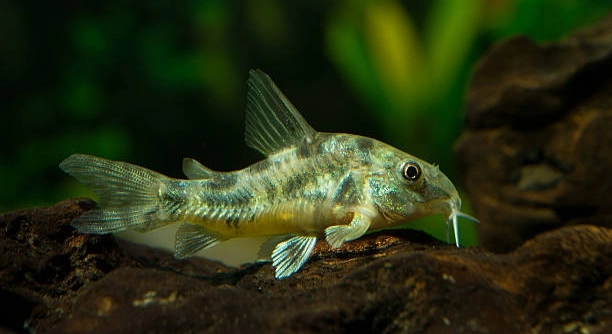
Corydoras catfish are fascinating creatures, and many aquarists wonder how to encourage their natural behaviors. These active and social fish can thrive when their environment meets their specific needs. Understanding what they require is key to their well-being.
To encourage natural behavior in Corydoras catfish, providing a clean, well-structured aquarium with proper water conditions is essential. These fish thrive in groups and benefit from hiding spots, substrate for burrowing, and access to varied food sources. Ensuring a balanced ecosystem helps promote healthy activity.
Creating a comfortable, enriching environment for Corydoras catfish ensures they stay active and healthy. This can help improve their behavior and overall well-being in your aquarium. Keep reading to learn how to support your fish’s natural instincts.
Provide a Natural Environment with Plenty of Space
Corydoras catfish are bottom dwellers that enjoy a spacious environment where they can freely swim and explore. A larger tank, ideally 20 gallons or more, gives them enough space to move around. The substrate should consist of soft, smooth gravel or sand to prevent injury to their delicate barbels while they forage. Adding live plants and rocks to create hiding spots will also make them feel secure. Corydoras are social fish, so it’s best to keep them in groups of at least four or five, which helps reduce stress and encourages natural social behaviors.
Providing space and hiding spots not only keeps your Corydoras happy but also gives them the opportunity to exhibit natural behaviors such as foraging and socializing. This makes the aquarium feel more like their natural habitat.
The combination of an appropriately sized tank, secure hiding spots, and the right substrate promotes a stress-free environment for Corydoras. By allowing them to explore and interact with their surroundings, you’ll notice a significant improvement in their activity levels.
Ensure Proper Water Conditions
Water quality plays a critical role in encouraging natural behavior in Corydoras catfish. These fish are sensitive to fluctuations in temperature and water parameters. Maintaining a stable temperature of 72-78°F (22-26°C) and a pH of 6.0-7.5 will keep them comfortable. Regular water changes are crucial to prevent the build-up of toxins. A filtration system should be used to maintain clean water, but avoid strong currents that might stress your fish.
When the water is well-maintained, Corydoras will be more active and less likely to hide. Clean water allows them to thrive, improving their overall health and behavior.
Proper water conditions mimic the natural environment of Corydoras catfish, allowing them to display their natural behaviors without stress. Stable water parameters also help prevent diseases and keep your fish content. By regularly testing your aquarium water and adjusting it as needed, you can create the perfect setting for your fish.
Provide Varied Diet for Mental and Physical Stimulation
A varied diet is essential to keep Corydoras catfish mentally stimulated and physically active. They are omnivores, so offering a mix of high-quality pellets, freeze-dried foods, and live or frozen treats like bloodworms and brine shrimp will encourage natural foraging behavior.
Feeding them different types of food mimics their natural diet, ensuring they receive a balanced range of nutrients. Variety keeps them interested and promotes healthy activity. This also helps them exercise their foraging skills, which is crucial for their mental stimulation.
By regularly offering a mix of foods, you will encourage your Corydoras catfish to explore and search for their meals, promoting a more natural, active lifestyle. Their ability to forage will also reduce stress, as they are busy engaging in natural behaviors, creating a healthier aquarium environment.
Maintain Tankmates That Don’t Cause Stress
Choosing the right tankmates is crucial for encouraging natural behavior in Corydoras catfish. Avoid aggressive or overly active fish that may stress them out. Corydoras are peaceful and thrive in calm communities with fish of similar size and temperament.
It’s important to pair them with species that won’t compete aggressively for food or space. Fish like tetras, rasboras, and small gouramis make good tankmates, allowing Corydoras to feel comfortable and free to exhibit natural behaviors. These peaceful companions help maintain a low-stress environment for your catfish.
A calm community allows Corydoras to interact naturally with other species, fostering their social nature. Avoid overcrowding the tank, as too many fish can create territorial issues and elevate stress levels. By carefully selecting compatible tankmates, you can ensure your Corydoras feel safe and secure enough to express their natural behaviors.
Offer Substrate for Burrowing
Corydoras catfish are natural burrowers, and providing a suitable substrate can encourage this behavior. Soft, fine-gravel or sand allows them to dig and sift through, which helps mimic their natural habitat. This activity promotes both physical and mental stimulation.
The act of burrowing also helps Corydoras feel secure, as they can retreat to the substrate when they need rest. A suitable substrate also prevents injury to their barbels while they forage, ensuring their well-being.
Keep the Aquarium Environment Consistently Stable
A stable environment is key to encouraging natural behaviors. Corydoras thrive in consistent water temperatures, lighting, and tank conditions. Avoid sudden changes in their environment that could lead to stress.
Consistency in the aquarium setup allows Corydoras to adjust to their surroundings, reducing anxiety. They feel more comfortable and will behave more naturally when they’re in a predictable, stable habitat.
Provide Opportunities for Exploration
Corydoras catfish are naturally curious and love to explore their surroundings. Adding structures like plants, rocks, and decorations allows them to investigate different areas of the tank. This enhances their activity levels and supports their instinctual behavior.
Providing exploration opportunities helps keep your Corydoras engaged and active. They enjoy investigating hiding spots and exploring new spaces, which also reduces stress by giving them things to focus on and interact with.
FAQ
What is the best tank size for Corydoras catfish?
Corydoras catfish do well in tanks that are at least 20 gallons. A larger tank provides enough space for them to swim, forage, and interact with each other. A 20-gallon tank is usually sufficient for a small group of Corydoras, but bigger tanks give them even more room to exhibit natural behaviors. It’s important to keep in mind that Corydoras prefer to live in groups, so always plan for a few to ensure they feel secure and social.
Can Corydoras catfish live with other fish?
Yes, Corydoras are peaceful fish and generally do well with other non-aggressive species. They are often kept with smaller fish like tetras, rasboras, or guppies. Avoid placing them with large or aggressive fish that might stress them out. Also, Corydoras thrive in groups, so keeping multiple Corydoras together is ideal for encouraging social behavior. Be sure that the other tankmates do not compete too aggressively for food or space.
How often should I feed Corydoras catfish?
Corydoras catfish should be fed once or twice a day, depending on their activity level and the size of your tank. Overfeeding can lead to poor water quality, so be mindful of the amount you feed. It’s best to provide a varied diet to encourage natural foraging behavior. Offer them high-quality pellets, frozen foods, and live treats such as bloodworms or brine shrimp. Ensure there is enough food to satisfy all of them without any leftovers that could pollute the water.
Do Corydoras catfish need special water conditions?
Corydoras prefer stable water conditions. They thrive in temperatures between 72-78°F (22-26°C) and a pH level of 6.0 to 7.5. They also need soft, clean water with low to moderate hardness. Regular water changes, usually around 25% every week, will help maintain water quality and ensure that your Corydoras are living in healthy conditions. Avoid using water conditioners that may harm their delicate gills, and always monitor ammonia and nitrite levels closely.
Why do Corydoras catfish bury themselves in the substrate?
Corydoras catfish are natural burrowers, and burying themselves in the substrate is a normal behavior. This allows them to forage for food and feel more secure. The soft substrate provides a safe space for them to hide and sift through as they search for small organisms. You can provide fine gravel or sand as a substrate, as these are gentle on their barbels and ideal for burrowing. Keeping a suitable substrate will encourage them to perform these natural behaviors, which contributes to their well-being.
Can Corydoras catfish live with shrimp?
Yes, Corydoras can live with shrimp, especially species like Amano or Cherry shrimp. However, you should be cautious with very small shrimp, as Corydoras might accidentally disturb or even eat them, particularly when they are foraging for food. A well-planted tank with plenty of hiding spaces for shrimp can help ensure their safety. Make sure there are no aggressive fish in the tank that could harm the shrimp, and always monitor the interactions to ensure everything is balanced.
Do Corydoras catfish need a filter?
Yes, Corydoras require a filtration system to keep the water clean and maintain good water quality. However, be careful not to use a filter with too strong of a current. Corydoras are sensitive to fast-moving water and can become stressed if the flow is too strong. A gentle filter that provides proper biological filtration will help maintain a stable environment without disrupting their natural behavior. Regular water changes and filter maintenance are also necessary to ensure the system remains effective.
Why do Corydoras catfish swim at the surface?
Corydoras typically swim at the bottom of the tank, but occasionally, you might see them at the surface. This could be due to several reasons, such as low oxygen levels or issues with water quality. Corydoras may also surface to gulp air, especially if the tank lacks sufficient oxygen. Ensure your tank has proper aeration, like an air stone or a gentle filter, to prevent oxygen depletion. If the behavior persists, it might be worth checking for any underlying water quality issues.
What kind of substrate is best for Corydoras catfish?
The best substrate for Corydoras catfish is soft, fine gravel or sand. Rough substrates can injure their delicate barbels, which are used for sensing food. Sand is particularly ideal because it allows Corydoras to sift through it while searching for food without damaging their barbels. Additionally, a smooth substrate mimics their natural environment, where they forage on the riverbed. Be sure to clean the substrate regularly to avoid the build-up of waste and ensure a healthy environment for your fish.
How long do Corydoras catfish live?
Corydoras catfish generally live for about 5 to 10 years, depending on their care and environmental conditions. Proper water quality, a balanced diet, and a stress-free environment are crucial for their longevity. If kept in optimal conditions, Corydoras can live longer and thrive, showing natural behaviors well into their later years. Regular monitoring of tank conditions and early detection of any health issues will contribute to a longer, healthier life for your fish.
Final Thoughts
Corydoras catfish are fascinating creatures that thrive in an environment that mimics their natural habitat. Providing a well-maintained tank with the right conditions, such as a suitable substrate, stable water parameters, and a peaceful atmosphere, is essential for encouraging their natural behaviors. Corydoras are peaceful and social fish, so keeping them in groups will also help them feel secure. By understanding their needs and offering the right care, you can create a space where they will feel comfortable and exhibit their true behavior.
Maintaining a clean and stable aquarium environment is critical for Corydoras’ health and well-being. Regular water changes, monitoring water parameters, and offering a balanced diet will ensure that they remain healthy and active. Corydoras’ natural behavior, such as burrowing, swimming at the bottom of the tank, and foraging, can be observed and encouraged through careful tank setup and attention to their environment. This not only benefits their physical health but also provides mental stimulation, making them happy and active in their aquarium.
Finally, Corydoras catfish are relatively easy to care for but require consistent attention to their habitat. Whether you’re new to fishkeeping or an experienced aquarist, these catfish are a great choice for anyone looking to add peaceful, active fish to their tank. By meeting their needs for space, cleanliness, and social interaction, you can enjoy watching their natural behaviors unfold. With the right care and a suitable environment, Corydoras catfish can thrive and become a rewarding addition to any aquarium.

Hello,
If you enjoy the content that we create, please consider saying a "Thank You!" by leaving a tip.
Every little bit helps us continue crafting quality advice that supports the health, happiness, and well-being of pets around the world, for pets of all shapes, sizes, and species.
We really appreciate the kindness and support that you show us!