
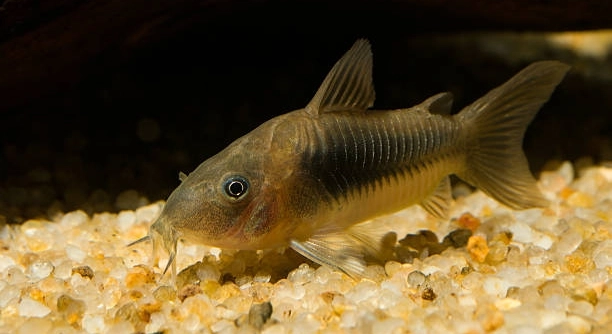
Corydoras catfish are popular for their peaceful nature and ability to thrive in various aquariums. Ensuring they have enough oxygen is essential for their health and well-being. There are key factors that can help maintain optimal oxygen levels in their environment.
Proper water conditions, including adequate filtration and aeration, are crucial for maintaining oxygen levels. Regular water changes, avoiding overstocking, and using aerators can prevent oxygen depletion, ensuring your Corydoras catfish thrive in a healthy environment.
Maintaining proper oxygen levels in your tank will support the overall health of your Corydoras catfish.
Choosing the Right Filter for Oxygenation
A quality filter is essential for maintaining the right balance of oxygen in your aquarium. It helps in circulating water efficiently, preventing areas of stagnant water that may lack oxygen. Look for a filter that can provide both mechanical and biological filtration. This ensures that debris and harmful substances are removed, promoting healthier water conditions. Proper filtration also supports the overall stability of your tank, minimizing stress on your Corydoras catfish.
Without a good filter, oxygen levels in your tank will likely drop, which can lead to health problems for your fish. A filter also helps remove toxins like ammonia, which can build up and harm your fish.
In addition to filtration, consider the water flow rate. Corydoras catfish are bottom dwellers and prefer calm waters. A filter with adjustable flow settings allows you to maintain a gentle current. It’s essential to position the filter where it won’t disturb your fish but still ensures proper circulation. Regularly clean the filter and monitor its performance. Over time, debris can clog it, reducing its efficiency. Keep track of the water quality and oxygen levels to ensure your Corydoras are getting what they need.
Using an Air Pump for Additional Oxygen
Air pumps are simple yet effective tools for boosting oxygen levels in your aquarium. They are especially helpful in tanks with high fish populations or low water movement.
Adding an air pump increases water movement and allows oxygen to mix with the water, ensuring a well-oxygenated environment. When placed correctly, air pumps enhance water surface agitation, promoting gas exchange. This is crucial in small tanks or those with less-than-ideal filtration systems.
While air pumps work well, it’s important not to overdo it. Too much aeration can create excessive movement, stressing your Corydoras. Consider adding an air stone or bubble wall for controlled aeration. These tools evenly distribute oxygen across the tank, providing a steady flow that supports the health of your fish.
Maintaining Water Temperature
Water temperature plays a significant role in oxygen levels. When the water is warmer, oxygen solubility decreases, making it harder for your Corydoras to get the oxygen they need. Ensure your aquarium stays within the ideal temperature range of 72-78°F (22-26°C) for optimal oxygen conditions.
To maintain a consistent temperature, use a reliable aquarium heater. It’s essential to monitor the water regularly to avoid sudden fluctuations that can stress your fish. Additionally, consider using a thermometer to double-check that the water temperature stays within the ideal range. Keeping your water stable supports the fish’s oxygen needs.
Make sure to place the heater in a location where the water circulates evenly. Uneven heating can create areas with less oxygen, impacting the overall health of your Corydoras. Regular water changes are also a good practice to maintain the right temperature and ensure oxygen levels remain steady. Avoid placing your tank in direct sunlight, as it can cause the water temperature to rise uncontrollably, reducing oxygen.
Water Changes and Aeration
Regular water changes are one of the best ways to maintain oxygen levels. As water sits in your aquarium, oxygen levels can drop, and toxins may build up. Changing 25-30% of the water every week helps reset the environment for your Corydoras catfish.
Use a gravel vacuum to remove debris and waste from the tank floor, ensuring better water quality. The removal of excess organics reduces the strain on your filtration system, allowing it to maintain oxygen levels effectively. It also prevents harmful chemicals from accumulating, ensuring a healthier environment.
When performing a water change, make sure the new water is properly conditioned and matches the temperature of the tank. This prevents shock and helps keep oxygen levels steady. Aerating the new water before adding it also improves oxygenation. Using a siphon or water pump during the process helps reduce disturbance to the fish while ensuring efficient water exchange.
Avoiding Overstocking
Overstocking your tank can drastically lower the available oxygen. More fish means more waste, which uses up oxygen and increases toxins in the water. Keep your fish load at an appropriate level to prevent oxygen depletion.
Corydoras catfish are peaceful, but they still need space to thrive. A tank with too many fish can become overcrowded, leading to poor water quality. It’s best to follow stocking guidelines and leave enough room for each fish to swim comfortably.
The oxygen levels in your tank can become inadequate with overstocking. When too many fish are present, the filtration and aeration systems may not be enough to support everyone. This can lead to unhealthy water conditions.
Aquarium Plants
Live plants can help boost oxygen levels by producing oxygen during the day through photosynthesis. They also absorb excess nutrients, keeping the water cleaner.
Make sure to choose plants that thrive in your aquarium’s conditions. Plants like Anubias, Java fern, and Hornwort are excellent choices. Having a variety of plants in your tank helps maintain a balance and supports the overall health of your Corydoras catfish.
Proper Tank Placement
The placement of your aquarium is crucial for maintaining oxygen levels. Avoid placing your tank in areas where the temperature fluctuates, such as near windows or heat sources.
A stable environment ensures that the water temperature stays within the ideal range, which in turn supports oxygenation. Keep the tank away from direct sunlight to prevent water temperature spikes that could reduce oxygen.
FAQ
How do I know if my Corydoras catfish is not getting enough oxygen?
Signs that your Corydoras catfish isn’t getting enough oxygen include rapid gill movement, frequent swimming near the surface, or lethargy. If the fish is struggling to breathe or hanging at the water’s surface, it’s an indication that oxygen levels may be low. Also, if the fish is hovering near the filter output or the air pump, it could be searching for oxygenated water.
Can Corydoras catfish live without a filter?
Corydoras catfish can survive without a filter, but it’s not ideal for long-term health. Filters help circulate the water, remove toxins, and maintain oxygen levels, which is crucial for their survival. Without a filter, regular water changes and an air pump become even more important to ensure they have enough oxygen and clean water.
What’s the best way to oxygenate a small tank for Corydoras catfish?
In a small tank, use an air pump or an air stone to increase water movement and oxygen exchange. Additionally, a sponge filter can provide filtration and aeration without disturbing your fish too much. Regular water changes are essential to maintain water quality and oxygen levels.
How often should I change the water in my Corydoras tank?
You should change 25-30% of the water in your Corydoras catfish tank every week. This helps to maintain healthy water conditions, remove waste, and ensure adequate oxygen levels. Make sure the new water matches the tank’s temperature and is dechlorinated before adding it to the aquarium.
Can I use live plants to improve oxygen levels for my Corydoras catfish?
Yes, live plants are an excellent addition to improve oxygen levels. During the day, plants release oxygen into the water, which helps your Corydoras catfish thrive. Plants like Anubias, Java fern, and Hornwort are great choices for oxygen production and water purification. Just ensure that the plants are suitable for your tank conditions.
Do Corydoras catfish need a lot of water flow?
Corydoras catfish prefer gentle water flow and are not suited for strong currents. In tanks with high flow, they may struggle to swim comfortably, especially if there are areas with too much water movement. Use a filter with adjustable flow or add a sponge filter to maintain a gentle current.
How do I check if my aquarium has enough oxygen?
One of the easiest ways to check oxygen levels in your aquarium is by observing your fish. If they are breathing rapidly or staying at the surface of the tank, oxygen levels may be too low. You can also use a dissolved oxygen test kit to measure the oxygen content in the water accurately. Regular water changes, proper filtration, and aeration are key factors in maintaining oxygen.
Can overfeeding my Corydoras catfish reduce oxygen levels?
Yes, overfeeding can contribute to low oxygen levels. Uneaten food decomposes in the tank, leading to an increase in waste and harmful substances, which deplete oxygen levels. Make sure to feed your Corydoras only what they can eat in a few minutes and remove any uneaten food promptly.
Is it necessary to use an air pump for Corydoras catfish?
An air pump is not strictly necessary, but it helps to maintain adequate oxygen levels, especially in smaller tanks or tanks with low water movement. Using an air pump or air stone ensures that oxygen is evenly distributed throughout the tank, which can be beneficial for your Corydoras catfish’s health.
What should the water temperature be for Corydoras catfish?
The ideal water temperature for Corydoras catfish is between 72-78°F (22-26°C). If the water is too warm, oxygen solubility decreases, which can stress your fish. A consistent temperature range will not only help maintain oxygen levels but also promote overall health and comfort for your Corydoras catfish.
How can I prevent my Corydoras from being stressed due to low oxygen?
To prevent stress due to low oxygen, ensure your tank is properly oxygenated by using a filter, air pump, or air stone. Regular water changes, avoiding overstocking, and keeping the temperature stable also reduce stress. Keep an eye on your fish and adjust the tank’s conditions as needed to maintain a healthy environment.
Can adding more fish to my tank affect oxygen levels?
Yes, adding more fish can decrease the oxygen levels in your tank. More fish produce more waste, which uses up oxygen and contributes to poor water quality. Always make sure to follow appropriate stocking guidelines for your tank size. Overstocking can lead to oxygen depletion and harm the health of all your fish.
What is the role of surface agitation in oxygenating the tank?
Surface agitation promotes gas exchange, allowing oxygen to dissolve into the water. A filter or air pump that creates gentle surface agitation helps improve oxygen levels. However, too much surface agitation can disrupt your Corydoras catfish, so aim for a balanced flow that doesn’t overwhelm the fish.
Can Corydoras catfish live in low-oxygen conditions for short periods?
Corydoras catfish can tolerate low-oxygen conditions for short periods, but it’s not healthy for them. If oxygen levels drop, their activity will be reduced, and they may become stressed. It’s essential to take corrective action quickly by improving water movement, adding an air pump, and performing water changes.
How can I tell if my filtration system is working properly?
A good filtration system should keep the water clear and the flow steady without causing excessive current. Check the filter regularly for clogs or debris. If the water becomes cloudy or stagnant, it could indicate the filter isn’t working efficiently. Clean or replace the filter media as needed to ensure optimal filtration and oxygenation.
Are there any specific types of filters that are better for Corydoras catfish?
Sponge filters are ideal for Corydoras catfish. They provide gentle filtration and aeration without creating a strong current. They also help maintain water quality by removing debris and excess nutrients. For larger tanks, a canister or hang-on-back filter with adjustable flow settings is also a good choice.
Final Thoughts
Maintaining proper oxygen levels is essential for the health and well-being of your Corydoras catfish. These fish thrive in well-oxygenated environments, and ensuring that your tank is properly aerated will help prevent stress and other health issues. Regular water changes, proper filtration, and using aeration tools like air stones or pumps can make a significant difference. In addition, avoiding overstocking and providing enough space for your fish can prevent overcrowding, which often leads to oxygen depletion.
Another key factor to keep in mind is the temperature of your aquarium. Warmer water holds less oxygen, so it is important to keep the temperature within the recommended range of 72-78°F (22-26°C). High water temperatures can not only affect oxygen levels but also increase the metabolism of your Corydoras catfish, leading to higher oxygen demand. Maintaining a stable and suitable environment will keep your fish comfortable and help prevent any oxygen-related issues. If you notice signs of low oxygen, such as rapid gill movement or fish staying near the surface, take immediate action to improve aeration and water quality.
Lastly, adding live plants to your tank can significantly improve oxygenation. Plants release oxygen during the day and help absorb excess nutrients, keeping the water cleaner and more oxygen-rich. A balanced approach with proper filtration, appropriate stocking, and the right tank conditions will create a healthy environment for your Corydoras catfish to thrive. By following these guidelines, you can ensure that your fish remain active, healthy, and stress-free.

Hello,
If you enjoy the content that we create, please consider saying a "Thank You!" by leaving a tip.
Every little bit helps us continue crafting quality advice that supports the health, happiness, and well-being of pets around the world, for pets of all shapes, sizes, and species.
We really appreciate the kindness and support that you show us!