
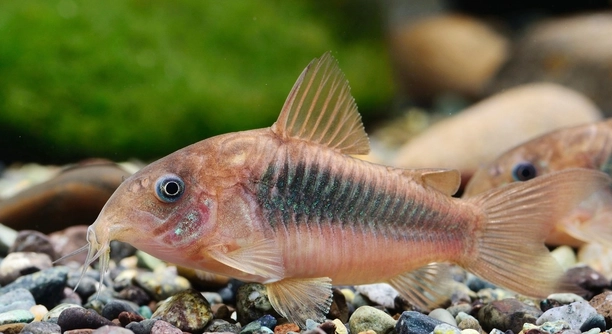
Corydoras catfish are fascinating creatures known for their playful behavior. If you notice one consistently following another fish, you might wonder what could be causing this behavior. Understanding their social needs can help answer this question.
The behavior of a Corydoras catfish following another fish is often linked to their social nature and instincts. They may be seeking companionship, mimicking behavior, or responding to environmental cues such as food availability or stress.
Exploring these factors can provide valuable insights into your fish’s behavior and help you create a more harmonious aquarium environment.
Social Nature of Corydoras Catfish
Corydoras catfish are known for their social behavior. They thrive in groups, which can explain why one might follow another fish around. These fish are not solitary creatures and feel more comfortable when surrounded by others of their kind. This is a natural instinct and helps them feel secure, especially in a tank where they may be seeking safety or companionship.
Sometimes, a Corydoras will follow a different species for the same reasons. They may simply feel more comfortable in the company of another fish. It’s important to understand that these fish often form bonds and prefer interacting with others, whether they are the same species or different.
In an aquarium, Corydoras might mimic other fish, following their movements or actions, such as swimming near the water’s surface or searching for food. This mimicry is a part of their instinctual behavior, offering them a sense of security. When there are no other Corydoras around, they might look for other fish to follow, creating a similar sense of community. This is an important aspect of their overall well-being and should be considered when designing an aquarium.
Feeding and Food Availability
Corydoras are bottom-dwelling fish that are always in search of food. If you notice one following another, it could be because the other fish has found something to eat. Corydoras are constantly foraging and are not always able to find food on their own.
Food availability plays a huge role in this behavior. Corydoras are opportunistic feeders and will follow other fish, hoping to find a meal. If one fish is feeding on leftover food or attracting attention near the substrate, the Corydoras may follow it in the hopes of benefiting from the food source. This is a common occurrence in aquariums where food distribution can be uneven, especially if there are other species that feed higher in the tank.
If this behavior becomes frequent, it could be an indicator that your Corydoras are not getting enough food. Ensuring that all your fish have access to food will help reduce the need for them to follow others. Offering food in various parts of the tank can also help minimize competition.
Environmental Stress
Corydoras catfish, like many fish, are sensitive to environmental stressors. They can become stressed by poor water conditions, temperature fluctuations, or overcrowding. When stressed, they may seek comfort by following other fish as a form of coping mechanism. The presence of another fish can provide a sense of security, especially if the other fish seems calm or unaffected by the stressors in the tank.
It’s crucial to maintain a stable environment for your fish. Corydoras are particularly sensitive to sudden changes in their surroundings. Water parameters such as pH, ammonia, nitrate levels, and water temperature should be carefully monitored to avoid stress. An environment that mimics their natural habitat will help reduce their stress levels and prevent them from relying on other fish for comfort.
In some cases, Corydoras may even follow fish that are more dominant in the tank. These dominant fish may seem more comfortable in the presence of the stressors, and the Corydoras may instinctively look to them for reassurance. Maintaining balance in your tank will help reduce this behavior and keep your fish happy.
Mimicking Fish Behavior
Corydoras may follow other fish due to their tendency to mimic behaviors. This is a form of social learning, where they copy the movements or actions of other fish, especially when they sense safety or food. Mimicking can also be a strategy for reducing stress in unfamiliar environments.
When a Corydoras follows another fish, it’s often trying to learn from its behavior. This can include swimming patterns, exploring new areas of the tank, or finding food sources. These actions offer reassurance in a situation that may feel uncertain. It’s important to provide ample space in the tank to prevent excessive mimicry, as overcrowding can increase stress.
This behavior might also occur if the other fish is actively swimming or investigating new parts of the tank. Corydoras are naturally curious, and by following other fish, they can explore without feeling vulnerable. As bottom-dwellers, they may feel more comfortable observing the actions of other fish before venturing out on their own.
Tank Size and Space Limitations
In smaller tanks, Corydoras can become more anxious, which may lead them to follow other fish as a coping mechanism. A lack of space forces these fish to be in closer proximity to others, leading them to form attachments for security. In such cases, it’s not uncommon for a Corydoras to follow the movements of another fish, hoping for reassurance.
Limited space can lead to frustration for Corydoras, who naturally prefer to explore larger areas. In a cramped tank, they may feel trapped and cling to the behavior of more confident or dominant fish. They might mimic the swimming patterns or feeding habits of the other fish to alleviate their anxiety. Ensuring enough room for each fish to swim and explore will help reduce this behavior.
Providing hiding spots and areas where Corydoras can retreat will also help. A larger tank with more territory encourages individual exploration and can minimize the need for constant following. Giving each fish its space is key to maintaining balance and promoting healthier behavior.
Pair Bonding and Companionship
Corydoras often form strong bonds with other fish, especially when kept in pairs. These bonds can lead one fish to follow the other as a natural part of their social behavior. Following can be a sign of affection or a desire to stay close to their companion for safety.
When a Corydoras bonds with another fish, they often stay together, swimming or feeding side by side. This type of social connection is not uncommon, particularly in species that thrive in groups. These fish find comfort in the presence of a bonded companion and will follow them closely. In a tank setting, these bonds can develop quickly, providing a sense of security and stability for the fish involved.
Companion bonds can be particularly strong when the fish are kept in appropriate groups. Corydoras are social creatures, and keeping them with others of their species or compatible fish can foster healthier relationships and reduce the need for them to follow a single fish. These bonds help reduce stress and encourage natural behaviors.
Water Conditions
Poor water conditions can cause stress in Corydoras, leading them to follow other fish as a form of comfort. If your water quality is not optimal, your Corydoras might feel vulnerable and seek companionship to ease their stress. Ensuring clean, stable water conditions is essential for healthy fish behavior.
Maintaining proper water conditions, including temperature, pH, and ammonia levels, helps ensure your Corydoras stay comfortable. When water quality drops, fish can become stressed, and social behavior may increase. Fish that are anxious or uncomfortable will often follow others in the tank. Keeping your tank properly maintained will minimize this type of behavior and support their overall well-being.
Aquarium Lighting
Lighting in an aquarium plays a significant role in Corydoras behavior. Poor lighting can make Corydoras feel insecure, leading them to follow other fish for reassurance. Adequate and consistent lighting helps them feel more comfortable and less reliant on other fish for support.
FAQ
Why does my Corydoras catfish follow my other fish?
Corydoras catfish often follow other fish due to their social nature. They are not solitary and thrive in groups, so they might follow another fish for comfort, companionship, or simply out of curiosity. This behavior can also be linked to their desire to find food or security. When there are no other Corydoras to interact with, they may seek out other species for similar bonding.
Is it normal for Corydoras to follow other fish around?
Yes, it’s completely normal. Corydoras are social creatures and often follow other fish as part of their natural behavior. They form bonds with other fish, whether of their species or different species, and might follow them to feel safe or secure. This is especially true when there’s a lack of other Corydoras in the tank.
How can I stop my Corydoras from following other fish?
To reduce this behavior, consider adding more Corydoras to your tank. These fish are happier and healthier when kept in groups. Ensuring there’s enough space in the tank can also help minimize the need for your Corydoras to follow other fish. If necessary, adding more hiding spots and plants can give them space to feel secure.
Can Corydoras follow a fish of a different species?
Yes, Corydoras may follow fish of different species, especially if they feel safe or secure in the presence of that fish. They are curious creatures and may mimic the movements of other fish or follow them to areas where they feel more comfortable. As long as the other fish is not aggressive, this behavior is harmless.
Does the tank size affect my Corydoras’ behavior?
Yes, tank size plays a crucial role in Corydoras behavior. If the tank is too small, Corydoras may feel crowded and stressed, which can lead to them following other fish more frequently. A larger tank allows them the space to explore and interact with others, reducing the need for constant following. Make sure your tank is spacious enough for them to swim comfortably.
How do water conditions affect Corydoras’ behavior?
Poor water conditions, such as high ammonia levels, fluctuating temperatures, or improper pH, can cause stress in Corydoras. When stressed, they may follow other fish for comfort or security. Keeping the water clean and at the right temperature will reduce stress and prevent such behavior. Regular water changes and maintaining good water quality are essential for their health and well-being.
Why is my Corydoras following just one fish in the tank?
If your Corydoras is following a particular fish, it could be because it has formed a bond with that specific fish. Corydoras may attach to a single fish that provides them with comfort or security. Alternatively, it could be because the other fish is more active or feeding more frequently, making it an attractive target for your Corydoras to follow.
Should I be worried if my Corydoras is constantly following another fish?
In most cases, there’s no need to worry if your Corydoras is following another fish. However, if the behavior is excessive or seems to be causing stress to the fish, it might be a sign of overcrowding or an issue with the tank environment. Make sure your tank is properly sized and the water conditions are optimal.
Can Corydoras follow a fish to find food?
Yes, Corydoras are bottom feeders and might follow other fish in hopes of finding food. If another fish is actively swimming or searching for food, Corydoras may mimic their actions or follow them to areas where food is present. Ensuring that food is distributed evenly throughout the tank can help minimize this behavior.
How can I make my Corydoras feel more secure?
To help your Corydoras feel more secure, provide plenty of hiding spots, plants, and a larger space to swim freely. Keeping the tank environment stable and clean is essential for reducing stress. Corydoras feel more comfortable when they have access to areas where they can retreat if needed. A well-maintained tank with stable water parameters will also help them feel more at ease.
Can Corydoras follow other fish because they are lonely?
Corydoras may follow other fish because they are seeking companionship. While they can get along with other species, they are social fish and thrive when kept in groups of their own kind. If you notice one Corydoras constantly following another, it may be a sign that it is lonely or doesn’t feel secure in its environment. Adding more Corydoras to the tank can help alleviate this.
Do Corydoras prefer to follow fish of the same species?
Corydoras typically prefer to follow fish of the same species, especially when kept in groups. However, if other species are more active or engaging, they may follow them as well. These fish feel more secure when they are with others of their kind, but they can form bonds with other species if the environment allows it.
Is it common for Corydoras to follow a more dominant fish?
Yes, it is common for Corydoras to follow a more dominant fish, especially if the dominant fish appears to be confident or unaffected by tank stressors. Corydoras may follow the dominant fish for reassurance, as it can offer a sense of safety. However, this behavior should not cause harm or aggression between the fish.
Can Corydoras follow a fish when stressed?
Yes, Corydoras may follow other fish when they are stressed. Stress can be caused by poor water conditions, overcrowding, or changes in the environment. In such cases, following other fish can serve as a coping mechanism, offering comfort and reassurance. Ensuring a calm and stable environment is key to reducing stress-related behaviors.
What should I do if my Corydoras is always following the same fish?
If your Corydoras is always following the same fish, try to evaluate the tank environment. Make sure the water conditions are stable and that there is enough space for all the fish. Consider adding more Corydoras to help them feel secure and reduce the behavior. If the behavior continues, check for signs of stress or overcrowding.
How do Corydoras behave when they are happy?
When Corydoras are happy and comfortable, they are active, swim freely, and engage in foraging. They enjoy interacting with others and exploring the tank. Happy Corydoras will not feel the need to follow other fish constantly, as they will be more focused on their own activities like finding food or exploring the substrate.
Final Thoughts
Understanding why your Corydoras catfish follows other fish can help you create a better environment for them. Corydoras are naturally social fish and may follow others to seek companionship, safety, or even food. This behavior is not necessarily a sign of a problem, but it can indicate that they feel more comfortable when they have another fish around. The most important thing is ensuring your Corydoras feel secure in their surroundings. With the right care and attention, these fish can thrive without feeling the need to follow others constantly.
If your Corydoras is following another fish, it’s helpful to consider the overall tank conditions. Make sure the water is clean, the temperature is stable, and the fish have enough space to swim and interact naturally. Corydoras are bottom dwellers, so they also need a well-structured tank with plenty of hiding spots and areas to explore. If your Corydoras feels crowded or stressed, they might seek out other fish for reassurance. Ensuring your tank has enough space and hiding areas can reduce this behavior and allow your Corydoras to be more independent.
In the long run, the best way to reduce or prevent constant following is by keeping Corydoras in groups. These fish are happiest when they have other Corydoras to interact with. By having a small group of them, they’ll be able to form bonds with one another, reducing their need to follow other species. A well-maintained tank with appropriate water conditions, plenty of hiding spots, and enough tank mates will provide the best environment for your Corydoras. With these factors in place, your Corydoras will feel secure and less likely to follow other fish as a result of stress or loneliness.

Hello,
If you enjoy the content that we create, please consider saying a "Thank You!" by leaving a tip.
Every little bit helps us continue crafting quality advice that supports the health, happiness, and well-being of pets around the world, for pets of all shapes, sizes, and species.
We really appreciate the kindness and support that you show us!