
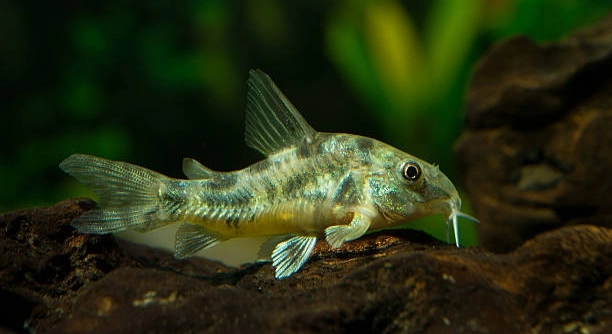
Transitioning Corydoras catfish into a new tank can sometimes be tricky. These little fish are sensitive to changes in their environment, and any disruptions may cause stress. Understanding how to ease this process will help ensure a smooth transition for them.
The key to making tank transitions easier for Corydoras catfish is to reduce stress factors. Start by maintaining stable water conditions, moving them gradually, and providing hiding spots. These strategies ensure they feel secure and adjust more easily to their new home.
By following these steps, you can set up a welcoming environment for your Corydoras catfish. Proper care during the transition will promote their health and happiness in their new tank.
Maintaining Stable Water Conditions
One of the most important factors when transitioning Corydoras catfish into a new tank is ensuring stable water conditions. These fish are sensitive to changes in water parameters like temperature, pH, and hardness. Sudden shifts can stress them out and lead to health issues. Before introducing them to their new home, make sure the water conditions match their ideal range. This may require adjusting the tank’s pH or temperature to match the previous tank or the natural environment of the fish.
Consistency is key. Keep an eye on the water conditions for a few days before and after the move to ensure nothing fluctuates too quickly. Using a reliable water test kit can help monitor things like ammonia, nitrate, and nitrite levels, which are critical for the health of your Corydoras. Once everything is stable, the fish will have a better chance of adjusting smoothly.
Providing clean, well-maintained water is essential to make the transition process less stressful for Corydoras catfish. By monitoring the water carefully and making adjustments as needed, you can ensure that the environment is perfect for their adjustment.
Gradual Introduction to the New Tank
Moving Corydoras into a new tank should be done slowly.
Rather than introducing them all at once, start by moving a few at a time. This gradual approach helps the fish get used to their new environment without overwhelming them. Corydoras can easily become stressed by drastic changes, so taking it slow ensures a smoother transition.
Additionally, it’s important to set up the tank with hiding spots and soft decorations like plants or caves. Corydoras catfish thrive when they feel secure and have places to retreat. Using soft, non-abrasive materials for substrate can prevent injuries as they explore. A little patience in these first days will help the fish feel more at home.
Keep Tank Lighting Low
When moving Corydoras catfish into a new tank, it’s essential to keep the lighting low at first. Bright lights can add stress and prevent them from adjusting properly. Use dim lighting or leave the tank lights off for the first few days. This gives them a sense of security.
Too much light can also make it harder for Corydoras to find their hiding spots. They feel more comfortable when the light is soft or indirect, which helps them adapt to their new surroundings without feeling exposed. Over time, you can slowly increase the lighting as they get used to the tank.
If the tank has bright, harsh lighting, Corydoras may spend more time hiding, which isn’t ideal for their transition. Try using a gentle light source, like an aquarium light with adjustable settings. This will help the fish feel more at ease and less likely to experience unnecessary stress.
Offer Hiding Spots and Shelter
Corydoras catfish are naturally shy and appreciate having places to hide. Adding plants, rocks, or caves will create a more comfortable environment during the transition. This reduces the stress they may feel when moved into a new tank.
These hiding spots also serve as a safe haven from any tankmates that might be too active or intimidating. Corydoras often enjoy burrowing into the substrate or resting in small crevices. Providing these options lets them explore at their own pace, promoting healthier behavior during the transition. It’s helpful to scatter several hiding spots across the tank for them to choose from.
Don’t overcrowd the tank with too many decorations, though, as Corydoras need plenty of swimming space. Aim for a balance between offering enough shelter and leaving room for movement. The right setup helps them feel secure while still encouraging normal activity in the new environment.
Maintain Consistent Tank Temperature
Corydoras catfish are sensitive to temperature changes. Maintaining a stable temperature is crucial for their transition. The ideal temperature range is between 72°F and 78°F (22°C to 26°C). Keep the water at a steady level to help them avoid stress or illness.
Using a reliable heater can help regulate the temperature in the new tank. Corydoras thrive in slightly warmer water, but any drastic change can shock their system. Ensure that the heater is functioning properly before introducing the fish to the tank to keep the environment comfortable and stable.
Monitor Water Quality
Water quality plays a huge role in how Corydoras adjust to their new tank. Test the water regularly to ensure it’s clean and free of harmful toxins. Ammonia, nitrites, and nitrates should be kept in check to prevent health issues.
It’s also a good idea to perform partial water changes during the first few days. This keeps the water fresh and helps them feel more comfortable. Proper filtration is also essential for maintaining good water quality, so make sure the filter is set up correctly. Fresh, clean water is key to a smooth transition.
Minimize Stressful Activities
Avoid loud noises, sudden movements, or tank disturbances while your Corydoras are adjusting to their new home. Stress can slow down the acclimation process and even cause health problems. Keeping a calm environment will allow them to feel more at ease.
When you move the fish, try to minimize the amount of time the tank is disturbed. Refrain from rearranging decorations or making any changes for at least a few days. This stability helps the Corydoras acclimate faster and reduces the chances of stress-related issues.
FAQ
How long should I wait before introducing Corydoras to a new tank?
It’s best to wait at least 24 to 48 hours before moving your Corydoras into a newly set-up tank. This gives the tank time to stabilize and ensures that all equipment, like the filter and heater, are functioning properly. Make sure the water parameters are ideal before introducing them.
Can Corydoras catfish live in a tank with strong current?
No, Corydoras do not do well in tanks with strong currents. These catfish are bottom dwellers and prefer calm water where they can easily scavenge for food. Strong currents can cause them stress and may prevent them from settling comfortably. It’s important to provide a low-flow environment for their well-being.
What type of substrate is best for Corydoras catfish?
Corydoras prefer a soft, fine substrate like sand or smooth gravel. Sharp or rough gravel can injure their delicate barbels as they forage. Sand is ideal because it allows them to dig and search for food naturally without causing harm. Avoid large or sharp gravel to ensure their safety.
Should I acclimate Corydoras to the new tank slowly?
Yes, gradual acclimation is key. This helps reduce shock and stress from the move. The best way to acclimate Corydoras is by floating the bag they came in on the water’s surface for 15-20 minutes. Gradually add small amounts of tank water to the bag over time to help them adjust.
Can Corydoras eat the same food as other fish in the tank?
Yes, Corydoras can eat the same food as other fish, but they need sinking pellets or wafers since they forage along the tank’s bottom. While they can eat flakes or granules meant for other fish, these won’t always reach the bottom where the Corydoras are most active. Providing food that sinks is crucial to ensuring they get enough nutrition.
How can I reduce stress during the transition for Corydoras?
The key to reducing stress is providing a stable environment. Keep the water temperature, pH, and hardness consistent. Avoid sudden changes in lighting or water quality. Providing hiding spots and a gentle tank flow also helps. Minimizing disturbances around the tank will allow them to acclimate more comfortably.
Can I keep Corydoras with other species in the same tank?
Yes, Corydoras are peaceful and social fish that do well in community tanks. They generally get along with most other peaceful fish. However, avoid keeping them with overly aggressive species that may stress them out. It’s important to choose tankmates that won’t outcompete them for food or space.
How do I know if my Corydoras are stressed?
Signs of stress in Corydoras include hiding more than usual, unusual swimming behavior like darting or lethargy, and refusal to eat. If the fish are constantly hovering near the surface or in a corner, this can indicate stress. Monitoring their behavior closely during the transition will help you spot any signs early.
What should I do if my Corydoras aren’t eating after the move?
If Corydoras aren’t eating after the move, ensure that water conditions are stable and appropriate for them. Sometimes they need a little time to adjust. You can try offering different types of food, such as sinking pellets, frozen foods, or live worms. If they still refuse food after several days, it might be an indication of stress or poor water quality.
How often should I clean the tank during the transition period?
During the transition period, it’s important to maintain good water quality. Perform partial water changes every few days, about 10-20% of the tank volume. Avoid over-cleaning the filter as it can disrupt the beneficial bacteria needed to keep the water safe for the fish. Monitoring the water parameters regularly ensures the environment remains safe and healthy.
Can I use a filter with Corydoras in the tank?
Yes, using a filter is essential for maintaining good water quality. However, be cautious about the water flow. Corydoras prefer low to moderate water movement, so choose a filter with adjustable flow or one designed for smaller fish. This will ensure the water remains clean while preventing the stress caused by strong currents.
Final Thoughts
Transitioning Corydoras catfish to a new tank requires patience and careful planning. These fish are sensitive to changes in their environment, so providing a stable, calm space is essential for their well-being. By paying attention to water quality, temperature, and the tank setup, you can help your Corydoras feel comfortable and secure during the move. It’s important to take your time and not rush the process to avoid stressing them out. Small steps like gradually introducing them to their new tank, keeping the lighting low, and ensuring they have hiding spots will go a long way in helping them settle in.
Another key factor in the successful transition is keeping the tank environment as stable as possible. Corydoras are bottom dwellers and thrive in calm conditions with soft, fine substrates. Avoid any sharp materials or rough surfaces that could harm their delicate barbels. A good rule of thumb is to keep the water quality clean and consistent, which can be easily achieved with proper filtration and regular water changes. Monitoring the water parameters closely during the first few days after the move will help ensure that the fish adjust properly without health concerns. Stress can result from sudden changes, so it’s crucial to maintain a gentle and steady approach.
Finally, it’s important to remember that Corydoras are peaceful and social fish. They do well in community tanks with other peaceful species. However, it’s still important to monitor their behavior during the transition period. Any signs of stress, such as hiding too much or refusing food, should be addressed immediately. By keeping the environment calm, ensuring they have plenty of space and food, and watching their behavior, you can help your Corydoras thrive in their new tank. In the end, a bit of care and attention will allow them to settle in comfortably and enjoy their new home.

Hello,
If you enjoy the content that we create, please consider saying a "Thank You!" by leaving a tip.
Every little bit helps us continue crafting quality advice that supports the health, happiness, and well-being of pets around the world, for pets of all shapes, sizes, and species.
We really appreciate the kindness and support that you show us!