
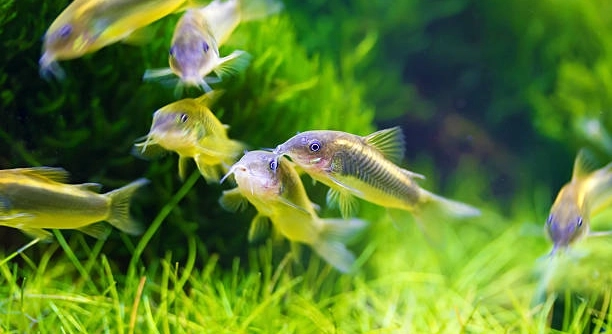
Overcrowding is a common issue for many Corydoras catfish owners, often leading to stress and health problems. Keeping these fish comfortable and safe requires a little care and attention to detail. The key lies in understanding their space needs.
The best way to prevent Corydoras from becoming overcrowded is to maintain proper stocking levels. Each fish requires enough space to swim freely, and overcrowding can lead to stress, poor water quality, and potential disease outbreaks.
Ensuring your fish have the right environment is crucial for their well-being. Proper tank size, regular water changes, and monitoring the fish population will help keep your Corydoras healthy and happy.
Understanding the Importance of Tank Size
When it comes to Corydoras catfish, tank size is one of the most important factors to consider. These fish thrive in spacious environments where they can move freely. A small tank can lead to overcrowding, which causes stress and can make it difficult for your fish to breathe properly. For every Corydoras you add to your tank, make sure the space allows for at least 10 gallons of water per fish. This ensures that your fish have enough room to swim, dig, and explore without feeling cramped. It’s important to keep in mind that a larger tank not only provides more space but also helps maintain a healthier water environment, reducing the chances of harmful bacteria or waste build-up.
A tank that is too small can quickly cause problems like poor water quality and aggression between the fish, especially if they feel territorial.
When choosing a tank, remember that the more space you provide, the more comfortable your Corydoras will be. The extra room encourages natural behaviors and improves overall water conditions, creating a healthier habitat.
Monitoring Fish Numbers
Overcrowding can happen quickly if you don’t keep track of your Corydoras population. Avoid adding too many fish at once to prevent problems with water quality.
One of the most effective ways to prevent overcrowding is by keeping track of the number of fish in your tank. Corydoras are social creatures, but their population should be balanced with the tank size. A common mistake is adding fish without considering how quickly they will grow and how much space they’ll require. Keeping your fish population at a healthy level is vital for their well-being. By carefully monitoring their numbers and providing enough room for each one to thrive, you can prevent overcrowding and ensure a happy, healthy tank environment.
Providing Proper Filtration
Filtration is a key element in preventing overcrowding-related issues. Proper filtration helps maintain clean water, which is essential for keeping your Corydoras healthy. It removes waste and toxins that build up in a crowded tank.
A good filtration system should be able to handle the tank’s water volume efficiently. It prevents pollutants from accumulating, keeping the water quality high. A well-maintained filter also helps in controlling ammonia levels, which can spike in overcrowded tanks. Be sure to clean your filter regularly to ensure it works effectively and maintains a healthy aquatic environment for your fish.
In addition to regular filter maintenance, adding a secondary filter or sponge filter can improve water circulation and oxygenation. Corydoras prefer tanks with well-circulated water, as it mimics their natural environment. With improved filtration, your tank will stay cleaner for longer, and the fish won’t feel stressed by poor water conditions, contributing to a happier, healthier aquarium.
Regular Water Changes
Water changes are essential in preventing overcrowding problems by ensuring that waste levels don’t build up too quickly. It’s necessary to change at least 25% of the water every week.
By regularly replacing the water, you can reduce harmful ammonia, nitrites, and nitrates. This is crucial for maintaining a stable environment, especially in a tank with multiple Corydoras. It also helps avoid cloudy water and ensures that your fish have a steady supply of oxygen. Make sure to use a water conditioner to treat tap water before adding it to your tank. This ensures the water’s pH and hardness are appropriate for your fish.
Frequent water changes also provide an opportunity to check water parameters, such as temperature and pH levels, keeping everything within the optimal range for Corydoras. Regular water changes are one of the simplest yet most effective ways to manage tank conditions and prevent overcrowding from becoming a bigger issue.
Avoid Overfeeding
Overfeeding can quickly contribute to overcrowding problems by increasing waste and deteriorating water quality. Make sure to feed your Corydoras only what they can consume in a few minutes to avoid excessive waste.
Leftover food can cause ammonia buildup, which is harmful to your fish. Always clean up uneaten food after feeding to prevent this from becoming a problem. By controlling the amount of food you give, you can keep water quality in check, even with a larger number of fish. This simple practice helps maintain a stable environment.
Adding Hiding Spots
Corydoras are naturally shy fish and appreciate having plenty of places to hide. Adding caves, plants, or decorations creates more territories and reduces stress. This is especially important when your tank has multiple fish.
By providing hiding spots, you give your Corydoras a chance to escape from potential aggression or overcrowding tension. This improves their comfort level, making them less likely to fight or become stressed. With the right tank setup, you’ll ensure your fish can thrive in their environment.
Monitor Water Temperature
Corydoras thrive in temperatures between 72°F and 78°F. If the water gets too warm, the fish may become stressed. Keep an eye on your tank’s temperature regularly.
FAQ
How many Corydoras catfish can be kept in a 20-gallon tank?
A 20-gallon tank can comfortably house around 4 to 6 Corydoras, depending on the size of the fish. It’s essential to give each fish at least 3 to 4 gallons of water space to reduce overcrowding. Keep in mind that the number of fish should always align with the tank size to avoid issues like poor water quality or aggression. If you plan to add more fish, a larger tank is recommended. Overcrowding can stress the fish and lead to unhealthy water conditions, which can be harmful to your Corydoras in the long run.
Can I keep Corydoras with other fish?
Yes, Corydoras are peaceful bottom dwellers and can generally be kept with most other non-aggressive species. They do well with species like tetras, guppies, and small livebearers. However, avoid keeping them with larger or aggressive fish that might intimidate or bully them. It’s important to research potential tank mates before adding them to ensure the compatibility of species. Corydoras are social and feel safer in schools of 4 or more, so always ensure that they have adequate space and a peaceful environment.
What water parameters are best for Corydoras?
Corydoras catfish prefer slightly acidic to neutral water, with a pH between 6.0 and 7.5. The water temperature should ideally be kept between 72°F and 78°F (22°C and 26°C). Ammonia and nitrite levels should always be at zero, and nitrate levels should be kept below 40 ppm. Regular water testing is crucial for keeping these parameters within the ideal range. Poor water quality can cause stress and health problems for your fish, so maintaining stable water parameters is essential to their overall well-being.
How often should I change the water in a tank with Corydoras?
For a tank with Corydoras, you should change 20% to 25% of the water every week. Regular water changes help prevent the buildup of waste and toxins, ensuring that the water stays clean and safe for your fish. In addition, water changes also help to maintain stable pH and nitrate levels, which are important for the health of Corydoras. Don’t forget to clean the substrate regularly, as uneaten food and waste can accumulate there, affecting water quality. Keep a consistent schedule to avoid any spikes in harmful substances.
Why are my Corydoras staying at the surface?
If your Corydoras are staying at the surface of the tank, it could be a sign of poor water quality or oxygen deficiency. Corydoras are bottom dwellers and prefer to stay near the substrate. If they are at the surface, check for elevated ammonia, nitrites, or a low oxygen level in the water. Ensure the filter is working properly and that the tank is well-oxygenated. If the issue persists, perform a water change and monitor the fish closely for signs of stress or illness. Poor water conditions can cause Corydoras to seek oxygen at the surface.
How can I reduce the risk of overcrowding with Corydoras?
To prevent overcrowding with Corydoras, it’s essential to plan your tank setup properly from the beginning. Follow the recommended stocking guidelines, which suggest 1 Corydoras per 3-4 gallons of water. Regularly monitor the size of your fish, and ensure that your tank is equipped with enough filtration and hiding spots. If you want to increase the number of Corydoras in your tank, make sure to upgrade your tank size accordingly. By maintaining a healthy population and monitoring water quality, overcrowding can be easily avoided.
Do Corydoras catfish need a substrate?
Yes, Corydoras catfish need a soft substrate to thrive. They are bottom dwellers that like to dig around and search for food in the substrate. Gravel with sharp edges can injure their barbels, so it’s best to use a fine, smooth sand or rounded gravel. A suitable substrate helps keep their sensitive barbels safe while allowing them to carry out their natural behaviors. Corydoras also enjoy rooting around in the substrate, so giving them an appropriate surface to explore helps keep them happy and healthy.
Can Corydoras survive without a filter?
While Corydoras can technically survive without a filter, it is not recommended. A filter helps maintain clean water by removing waste, uneaten food, and toxins, which are essential for the fish’s health. Without proper filtration, water quality can deteriorate quickly, leading to increased ammonia levels, harmful bacteria, and potential disease. If you choose to run a tank without a filter, you would need to perform frequent water changes and closely monitor water parameters. However, for the health of your Corydoras, it’s best to include an efficient filtration system in their tank.
How do I know if my Corydoras are stressed?
Corydoras catfish can show signs of stress in various ways. Some common signs include erratic swimming, staying at the surface for extended periods, or hiding more than usual. If your Corydoras are constantly breathing heavily or scratching against objects in the tank, it could indicate stress from poor water quality or disease. A stressed Corydoras might also lose its appetite or display a darker coloration. Always check water parameters first, as poor water quality is often the cause of stress. Regular observation will help you catch early signs of distress and address them promptly.
What are the signs of overcrowding in a Corydoras tank?
Signs of overcrowding in a Corydoras tank include constant aggression, poor water quality, and fish staying at the surface more often. Overcrowded tanks can also lead to rapid waste accumulation, which impacts water parameters. You may also notice your Corydoras becoming less active or having difficulty swimming freely. If you notice these signs, consider rehoming some fish or upgrading to a larger tank. Providing more space will help your Corydoras feel more secure and comfortable, improving their overall health and behavior.
Final Thoughts
Corydoras catfish are peaceful, bottom-dwelling fish that make great additions to many home aquariums. They are generally easy to care for but require attention to water quality and tank size to thrive. Maintaining proper water conditions, such as keeping the temperature between 72°F and 78°F and the pH level within the neutral to slightly acidic range, is essential. Corydoras are sensitive to water changes, so keeping ammonia and nitrites at zero and performing regular water changes will help prevent overcrowding problems and ensure their well-being.
Overcrowding is one of the most common issues that can arise when keeping Corydoras in an aquarium. It can lead to poor water quality, increased stress, and even aggression between fish. To avoid overcrowding, it’s important to follow proper stocking guidelines and provide enough space for each fish to feel comfortable. Each Corydoras catfish should have at least 3 to 4 gallons of water to itself. If you find that your tank is getting too crowded, it may be necessary to either upgrade to a larger tank or remove some of the fish to keep things balanced.
By making sure you keep your Corydoras in a well-maintained environment with plenty of hiding spots and adequate filtration, you’ll provide them with the best possible care. Regularly monitoring their behavior and water quality can help prevent issues from developing. Whether you’re a beginner or an experienced aquarium hobbyist, taking the time to follow these simple guidelines will help keep your Corydoras healthy, happy, and free from overcrowding concerns. With the right attention, these small but active fish will continue to add charm to your tank for years to come.

Hello,
If you enjoy the content that we create, please consider saying a "Thank You!" by leaving a tip.
Every little bit helps us continue crafting quality advice that supports the health, happiness, and well-being of pets around the world, for pets of all shapes, sizes, and species.
We really appreciate the kindness and support that you show us!