
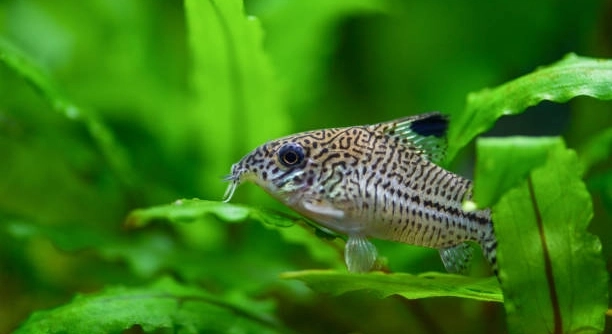
Corydoras catfish are popular aquarium pets, known for their active nature and distinctive behaviors. However, they sometimes exhibit a puzzling tendency to constantly change their favorite hiding spots. This article explores the reasons behind this curious behavior.
The main reason your Corydoras catfish keeps changing its hiding spot is due to its need for safety, comfort, and environmental factors. Stress, temperature fluctuations, tank mates, and even water quality may influence their choice of hiding place.
Understanding these factors can help ensure your Corydoras feels secure and comfortable in its environment. Let’s take a look at the possible causes of this shifting behavior and how to address them.
Stress and Anxiety in Corydoras Catfish
Stress can significantly affect Corydoras catfish, causing them to seek new hiding spots frequently. When a fish feels threatened or uneasy, it will instinctively look for a safe place to hide. This may be due to sudden changes in the tank environment or other disturbances, such as new tank mates or loud noises. Corydoras are sensitive creatures and can become stressed from any alteration in their surroundings. Even small changes, like rearranging plants or decorations, can upset them. When stressed, Corydoras will often move to different hiding spots until they find one that feels secure.
Sometimes, a stressed Corydoras will show other signs of anxiety, such as erratic swimming patterns or hiding more frequently. This is a clear indication that something in the environment is causing them distress. If this behavior continues, it’s essential to identify the source of stress and address it.
A change in the fish’s behavior could also indicate that the tank conditions, such as water temperature or filtration, are not optimal. It’s important to keep the tank environment consistent and peaceful for your Corydoras to feel safe and comfortable.
Water Quality and Tank Conditions
Water quality plays a significant role in the well-being of Corydoras catfish. Poor water conditions, such as fluctuating pH levels, high ammonia, or nitrate levels, can make fish feel unsafe. As a result, they might change hiding spots more often in an attempt to find a better environment. Regular water changes, proper filtration, and monitoring water parameters are vital in maintaining a healthy habitat for your Corydoras.
Fish are sensitive to water conditions, and even minor changes can impact their behavior. Corydoras may prefer to hide when the water isn’t clean, as it feels like a safer place to be. Regular checks on water parameters help ensure their environment remains stable, promoting overall well-being.
Tank Mates and Social Behavior
Corydoras catfish are social creatures and can sometimes be affected by the presence of tank mates. If they feel threatened by more aggressive fish, they may frequently change hiding spots to avoid conflict. The presence of other peaceful species, however, may provide a sense of security. Corydoras may hide more if they feel there’s not enough space to swim comfortably or if they’re being crowded.
When choosing tank mates for your Corydoras, consider their temperament and size. Large or overly aggressive fish can stress them out, causing them to constantly seek out new hiding spots. It’s important to ensure your tank mates are compatible with Corydoras in terms of both behavior and size. The presence of peaceful species will allow your Corydoras to feel more at ease and less likely to retreat into hiding.
Monitor how your Corydoras reacts to other fish. If they seem to avoid certain tank mates or display stress, it might be a sign that those fish are not the best companions. Choosing tank mates carefully can reduce stress and prevent excessive hiding.
Temperature Fluctuations
Temperature is another key factor that affects Corydoras catfish behavior. Corydoras prefer stable water temperatures, and significant fluctuations can cause them to seek out new hiding places. If the water temperature rises or falls too much, they will feel uncomfortable and retreat to cooler or warmer spots depending on their needs.
Inconsistent water temperatures may occur due to faulty heaters, poor room insulation, or even the time of day when the aquarium light is on. Corydoras may become more active in search of a comfortable spot or remain hidden, waiting for the water to stabilize. It’s important to regularly check the water temperature with a reliable thermometer to ensure it stays within the ideal range, typically between 72°F and 78°F.
Keeping the tank at a steady temperature helps your Corydoras feel secure and reduces the likelihood of frequent hiding. Avoid sudden temperature changes by using a quality heater and ensuring proper tank insulation.
Overcrowding in the Tank
Overcrowding can stress Corydoras catfish, leading them to change hiding spots frequently. When there are too many fish in the tank, it can reduce the space they need to feel comfortable. Corydoras might seek hiding spots to escape the crowded environment, looking for areas where they can relax and feel secure.
Maintaining the right number of fish is key to keeping your Corydoras happy. If overcrowding is a concern, consider removing some fish or upgrading to a larger tank. Ensuring that your Corydoras has enough room to swim freely will reduce their stress and limit excessive hiding behavior.
Lighting Conditions
Lighting affects Corydoras’ behavior and can impact their choice of hiding spots. Bright, harsh lights can make them feel exposed and insecure, prompting them to hide more often. Corydoras tend to prefer dimmer lighting or areas with shaded spots where they can feel more secure.
In an aquarium, consider using subdued lighting or providing hiding spots where your Corydoras can retreat. This will help them feel less stressed and reduce the tendency to move from one hiding spot to another. A more relaxed lighting setup creates a safer, more comfortable environment for them.
Diet and Feeding Patterns
If Corydoras are not eating enough or are given food they don’t enjoy, they might become more withdrawn and seek hiding spots. A poor diet can lead to stress and anxiety, causing them to hide more often in an attempt to avoid their surroundings. Ensure they receive a balanced diet suited to their needs.
Feeding your Corydoras regularly with high-quality food and avoiding overfeeding are both important for their health. A consistent feeding schedule, combined with appropriate food choices, can help alleviate stress and promote more confident behavior. Well-fed Corydoras are less likely to hide excessively.
FAQ
Why does my Corydoras catfish change its hiding spot frequently?
Corydoras catfish change their hiding spots for various reasons. Stress from sudden changes in the tank, the presence of aggressive tank mates, or poor water quality can all lead them to seek new hiding places. They might also move when they’re not feeling secure, such as during temperature fluctuations or overcrowding in the tank. Keeping their environment stable and peaceful will help reduce this behavior.
How can I tell if my Corydoras is stressed?
A stressed Corydoras may exhibit a few common signs. They might swim erratically, hide more frequently, or stay in one spot for longer than usual. A lack of appetite or increased skittishness when you approach the tank are also indicators. If your Corydoras is stressed, it’s important to assess its environment and make necessary changes, such as adjusting water conditions or tank mates.
What water temperature is best for Corydoras catfish?
Corydoras catfish thrive in water temperatures between 72°F and 78°F (22°C – 26°C). Sudden fluctuations in temperature can stress them out, causing them to hide more often. It’s essential to keep the tank’s temperature stable with a reliable heater and regularly check it with a thermometer. Avoid drastic changes in temperature.
Can my Corydoras catfish live with other fish?
Yes, Corydoras catfish are peaceful creatures and generally do well with other calm fish. However, aggressive or overly active fish can cause stress and may make them hide more frequently. Make sure the other tank mates are not too large or aggressive, as this can cause stress and trigger hiding behavior.
How do I know if my Corydoras is happy?
A happy Corydoras will swim actively, eat well, and explore the tank. It will usually interact with other peaceful fish and spend time out in the open instead of hiding. Healthy behavior includes exploring tank decorations and moving around regularly. If your Corydoras spends most of its time hiding or seems sluggish, there may be an issue with its environment.
Can water quality affect my Corydoras catfish’s behavior?
Yes, poor water quality can cause stress and discomfort, leading to behavior changes in Corydoras catfish. High levels of ammonia, nitrates, or nitrites can make the fish feel unsafe, causing them to seek shelter. Regular water changes, proper filtration, and monitoring water parameters are essential to maintaining good water quality and promoting healthy behavior.
Should I rearrange the tank if my Corydoras keeps hiding?
Rearranging the tank can sometimes stress Corydoras even more, as they may feel disoriented. It’s better to first try to identify the cause of their hiding behavior, such as poor water quality or tank mates. However, if the tank setup hasn’t been changed in a long time and the Corydoras continue hiding, a small rearrangement could help by providing new hiding spots or improving the tank’s layout.
What type of food do Corydoras catfish prefer?
Corydoras are omnivores and enjoy a varied diet. High-quality sinking pellets designed for bottom-feeding fish are ideal. They also like occasional treats like bloodworms, brine shrimp, or finely chopped vegetables. A balanced diet will help them stay healthy and reduce stress, making them less likely to hide.
How often should I feed my Corydoras catfish?
Corydoras catfish should be fed once or twice a day. It’s important not to overfeed them, as leftover food can lead to water quality issues. Feed small amounts of food that they can finish within a few minutes to avoid waste buildup in the tank. Keep feeding times consistent to maintain a healthy routine.
Can lighting affect my Corydoras catfish’s behavior?
Yes, bright or harsh lighting can stress Corydoras catfish, making them feel exposed. They generally prefer dimmer lighting or shaded areas where they can retreat and feel secure. If you notice your Corydoras hiding more often, consider reducing the light intensity or providing dark spots in the tank where they can relax.
How can I tell if my Corydoras is sick or just hiding?
If your Corydoras is hiding more than usual, it might be a sign of illness. Watch for other symptoms like a loss of appetite, clamped fins, or abnormal swimming behavior. Sick Corydoras may also have visible signs like lesions, discoloration, or difficulty breathing. If you notice these symptoms, it’s best to isolate the fish and treat it accordingly.
Final Thoughts
Corydoras catfish are typically peaceful and active fish that can become a bit elusive at times. When your Corydoras frequently changes its hiding spot, it is a sign that something in its environment might be bothering it. Stress, temperature changes, overcrowding, or poor water quality are some of the main reasons for this behavior. Paying close attention to their surroundings and making small adjustments can help your fish feel more secure and reduce the need for constant hiding.
It’s important to remember that Corydoras are bottom-dwellers and enjoy having a variety of hiding spots. Providing them with a safe environment, including plants, caves, and rocks, will allow them to choose the places where they feel most comfortable. However, too much hiding could also indicate that they are stressed or unhappy. Monitoring their behavior, along with regular water changes and proper tank maintenance, can go a long way in keeping them healthy and active.
By ensuring the water temperature remains stable, selecting the right tank mates, and offering them a balanced diet, you’ll be able to create a space where your Corydoras can thrive. If they feel safe and comfortable in their environment, they will likely spend less time hiding and more time exploring. Understanding the factors that affect their behavior will help you build a peaceful and healthy home for your Corydoras catfish.

Hello,
If you enjoy the content that we create, please consider saying a "Thank You!" by leaving a tip.
Every little bit helps us continue crafting quality advice that supports the health, happiness, and well-being of pets around the world, for pets of all shapes, sizes, and species.
We really appreciate the kindness and support that you show us!