
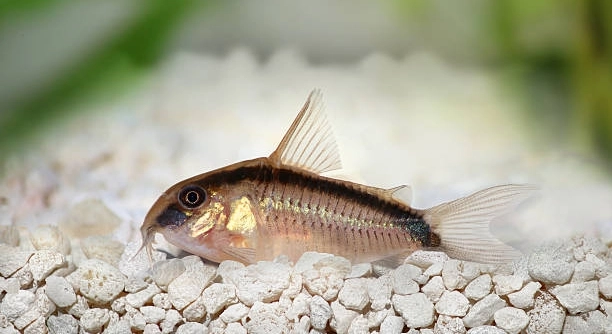
Corydoras catfish are popular aquarium fish known for their peaceful nature. However, just like other pets, they can experience pain. It’s important for fish owners to know how to recognize signs that their fish might be in discomfort.
If your Corydoras catfish is in pain, it may show physical symptoms or unusual behaviors. Common signs include abnormal swimming patterns, loss of appetite, and visible injuries. Monitoring these behaviors can help you identify when your fish needs attention.
Understanding these signs is vital to ensuring the well-being of your Corydoras catfish. By recognizing the early warning signals, you can provide the necessary care to improve its quality of life. Keep reading to learn more about how to spot pain in your fish.
1. Loss of Appetite or Reduced Eating
When your Corydoras catfish stops eating or eats much less than usual, it may be a sign of distress. Fish usually nibble on food throughout the day, so a sudden change in appetite is worth noting. It could indicate pain, an illness, or stress caused by water quality issues.
If your catfish is ignoring its food or only picking at it, you should inspect the tank for any changes in the environment. Changes in temperature, pH, or water levels can affect the fish’s appetite. Additionally, physical discomfort, such as an injury or internal issue, can cause it to lose interest in food.
Corydoras are scavengers, and they usually don’t hesitate to feed. If they avoid meals, it might also be linked to water conditions or aggression from other tankmates. Before jumping to conclusions, try adjusting the water and providing a calm environment. A reduction in eating is often one of the first signals of discomfort in these fish, and early intervention can prevent further health issues.
2. Abnormal Swimming Patterns
Corydoras are bottom dwellers, but if you notice your fish swimming erratically or constantly staying at the surface, something might be wrong. This abnormal movement could be a sign of physical pain or stress caused by poor water quality.
Changes in their swimming habits, like struggling to maintain balance or drifting sideways, may indicate discomfort. A fish in pain might also swim in circles or avoid certain areas of the tank, seeking comfort in a corner or near decorations.
Abnormal swimming often points to a deeper issue, such as an injury, infection, or stress from overcrowding. If your Corydoras is exhibiting strange swimming behavior, check if the water temperature, pH, and ammonia levels are balanced. Stress can weaken the immune system, leaving the fish more vulnerable to diseases. Additionally, fish with damaged fins or bodies may display slower or more cautious swimming patterns. By addressing the cause of the issue, you can help restore normal behavior in your catfish.
3. Visible Injury or External Damage
If you notice any visible injuries on your Corydoras, such as cuts, bruises, or missing scales, it’s likely that the fish is in pain. These injuries can occur from aggressive tankmates, sharp decorations, or even accidental bumps.
Even small injuries can cause significant discomfort. Corydoras are sensitive fish, and damage to their bodies can result in infections if not addressed promptly. If you notice an injury, make sure to clean the tank and check for any potential hazards that might have caused it. You should also monitor the fish closely for signs of worsening injury, such as swelling or bleeding.
Injury often leads to behavioral changes in fish, including hiding more frequently or avoiding certain areas of the tank. If left untreated, even minor injuries can lead to more serious infections or other complications. Using a quarantine tank or medicated treatment may be necessary to help your Corydoras heal. By keeping an eye on your fish and maintaining proper tank conditions, you can help prevent injuries from causing prolonged pain.
4. Rapid Gasping or Trouble Breathing
Rapid breathing or gasping at the water’s surface can be a serious indication that your Corydoras is struggling. This behavior is usually a sign of poor water conditions or internal stress, which can cause discomfort.
If your Corydoras seems to be gasping for air, first check the oxygen levels in the water. Poor oxygenation or high ammonia levels can stress the fish, leading it to struggle for air. In some cases, internal issues such as parasites or disease can make breathing difficult.
To help your fish recover, ensure the water quality is optimal. Perform a water change, check the filtration system, and adjust the temperature as needed. High water temperatures and poor circulation can exacerbate breathing problems. If the fish continues to gasp despite the improved water conditions, a visit to a veterinarian specializing in fish may be necessary to rule out infections or disease. It’s important to address respiratory issues quickly to avoid long-term damage to your Corydoras.
5. Lethargy or Unusual Hiding
If your Corydoras catfish is spending more time hiding or moving less than usual, it’s a sign that something is off. Healthy fish are usually active and curious, exploring their environment.
When in pain, Corydoras may retreat to quiet corners or stay in one place for extended periods. This behavior is often a defense mechanism. It allows the fish to rest and recover, but also signals something is wrong. Stress, illness, or injury can all cause a Corydoras to feel vulnerable and seek out hidden areas of the tank.
This change in behavior is particularly noticeable when the fish avoids feeding or socializing with other tankmates. If your Corydoras is typically sociable and suddenly becomes reclusive, it could be trying to protect itself from further stress. Keep an eye on the fish for other signs of illness, and make sure the tank environment is calm and comfortable.
6. Clamped Fins
Clamped fins are a common sign that your Corydoras is experiencing discomfort. When a fish clamps its fins close to its body, it is often an attempt to conserve energy or due to stress.
In normal conditions, Corydoras keep their fins spread out, allowing them to swim freely. Clamped fins indicate that something is wrong, often pointing to poor water quality or physical pain. If left unaddressed, clamped fins can lead to further health issues.
To help your fish recover, check the water parameters and make adjustments as needed. Poor water conditions often lead to fin clamping as a result of stress. Additionally, if the fish has any injuries or infections, the clamping might worsen. Adjusting tank conditions and providing treatment can help restore your fish’s health and prevent the issue from becoming chronic.
7. White Spots or Discoloration
White spots or any unusual discoloration on your Corydoras can indicate the presence of parasites or skin infections. These changes in appearance should not be ignored, as they often accompany other symptoms of pain.
Parasites such as Ich can cause white spots to appear, leading to itching and discomfort. Infections or poor water quality can also cause your fish’s skin to discolor or develop lesions. It’s crucial to closely monitor the condition of your Corydoras, as these visual signs can worsen quickly if not treated.
FAQ
How can I tell if my Corydoras catfish is in pain?
Look for signs such as abnormal swimming behavior, clamped fins, hiding more than usual, or changes in appetite. Corydoras may also exhibit visible injuries or skin discoloration. Changes in breathing patterns, like rapid gasping, can also indicate pain or distress. Monitoring these signs is essential to help you identify when your fish may be in pain.
What should I do if my Corydoras catfish is not eating?
If your Corydoras isn’t eating, first check the water conditions. Poor water quality, incorrect temperature, or high ammonia levels can stress fish and lead to a loss of appetite. Consider performing a water change and testing the water for imbalances. If the problem persists, ensure the tank is calm, and there’s no aggression from tankmates. In some cases, a visit to the vet may be necessary if the fish is sick.
Why is my Corydoras swimming erratically?
Erratic swimming may be caused by physical pain, stress, or poor water conditions. If the water quality isn’t optimal, your Corydoras might be struggling to breathe or move properly. Other causes could include injuries or internal problems like parasites or infections. Make sure your tank is well-maintained and the fish isn’t being stressed by overcrowding or aggressive tankmates.
Can Corydoras catfish recover from injury?
Yes, Corydoras can recover from minor injuries if the tank environment is properly managed. Clean water, low-stress conditions, and possibly using a quarantine tank can help prevent infections and allow the fish to heal. Severe injuries, however, may need veterinary attention, especially if they are not healing or show signs of infection.
What are the signs of illness in Corydoras catfish?
Signs of illness can include abnormal swimming behavior, clamped fins, rapid breathing, or a lack of appetite. Additionally, visible lesions, spots on the skin, or changes in coloration may signal an infection or disease. If you notice these signs, it’s important to assess water quality and, if necessary, consult with a veterinarian who specializes in fish care.
How often should I change the water in my Corydoras tank?
You should aim to change 25-30% of the water in your Corydoras tank every two weeks. More frequent changes might be necessary if you notice poor water conditions, such as high ammonia levels or cloudiness. Regular water changes help maintain good water quality, which is essential for the health of your fish.
Why does my Corydoras hide all the time?
Corydoras hiding can be a sign of stress, illness, or discomfort. These fish are naturally shy, but if they are hiding excessively, it could indicate that they are in pain, feeling vulnerable, or not adjusting well to tank conditions. Ensure the tank is not overcrowded and that water parameters are within safe ranges.
How can I tell if my Corydoras has parasites?
Signs of parasites in Corydoras include abnormal behavior, clamped fins, excessive scratching against objects, white spots on the skin, or rapid breathing. If you suspect parasites, consider isolating the affected fish in a quarantine tank and treating it with medicated water or anti-parasitic treatments.
What water conditions are best for Corydoras?
Corydoras thrive in water with a temperature of 72-78°F (22-26°C), a pH between 6.0 and 7.5, and soft to moderately hard water. Ammonia and nitrite levels should always be at 0 ppm, and nitrate levels should be below 20 ppm. Consistently maintaining these conditions ensures the well-being of your fish.
Can Corydoras get stressed?
Yes, Corydoras can experience stress from factors like poor water quality, overcrowding, aggressive tankmates, and changes in the environment. Stress can weaken their immune system and make them more susceptible to diseases and infections. Reducing stress factors in the tank will help keep your fish healthy and active.
Why does my Corydoras breathe fast?
Rapid breathing in Corydoras can be caused by poor water quality, high temperatures, or low oxygen levels. If your fish is gasping at the surface, it’s a sign that it’s struggling to get enough oxygen. Check the water conditions and improve filtration or aeration if needed. If the issue continues, consider isolating the fish in a separate tank for treatment.
What should I do if my Corydoras has white spots?
White spots on your Corydoras usually indicate an infection or a parasite like Ich. If you notice white spots, isolate the fish in a separate quarantine tank and treat it with an anti-parasitic medication. It’s also important to check the water temperature and ensure the tank is clean to prevent the spread of parasites.
Can Corydoras recover from rapid breathing?
Yes, Corydoras can recover from rapid breathing if the underlying cause is addressed. First, check water parameters such as ammonia, nitrites, and oxygen levels. If the water conditions are poor, perform a water change, increase aeration, and ensure proper filtration. If symptoms persist, it may indicate an infection or disease that requires medical treatment.
How do I help my Corydoras heal from injury?
To help your Corydoras recover from injury, keep the tank clean and ensure it’s free from stressors like aggressive tankmates. If the injury is significant, consider using a quarantine tank and medicated treatments. Monitor the fish for signs of infection, and make sure the water quality is optimal for healing.
Can stress cause my Corydoras to stop eating?
Yes, stress can lead to a lack of appetite in Corydoras. Stress factors include poor water quality, changes in tank conditions, or aggression from other fish. Reducing stress in the environment by improving water quality, adding hiding spots, and ensuring compatibility with other tankmates can encourage your Corydoras to start eating again.
Final Thoughts
Taking care of a Corydoras catfish requires more than just feeding and keeping the tank clean. As with any pet, it’s important to stay alert to signs that may indicate discomfort or pain. By closely observing their behavior and appearance, you can catch any issues early and address them before they become serious. Recognizing when your Corydoras catfish is in pain or under stress can help you create a healthier and happier environment for them. Monitoring things like appetite, swimming patterns, and overall activity level can give you key insights into your fish’s well-being.
Maintaining good water quality is one of the most important factors in ensuring your Corydoras stays healthy. Poor water conditions are often the root cause of many issues, including stress and disease. Regular water changes, checking for ammonia and nitrate levels, and keeping the tank temperature stable will go a long way in preventing problems. Furthermore, make sure the tank is not overcrowded, and there are no sharp objects or decorations that could injure your fish. A safe and comfortable environment is essential for the overall health of your Corydoras catfish.
If you do notice signs that your fish may be in pain, don’t ignore them. Early intervention is key to avoiding further complications. In some cases, a visit to a vet specializing in fish may be necessary, especially if the problem doesn’t improve after addressing water quality and environmental factors. With a little attention and care, your Corydoras can live a long, healthy life. By learning to spot the signs of pain or stress early, you’re better equipped to keep your catfish happy and thriving in your aquarium.

Hello,
If you enjoy the content that we create, please consider saying a "Thank You!" by leaving a tip.
Every little bit helps us continue crafting quality advice that supports the health, happiness, and well-being of pets around the world, for pets of all shapes, sizes, and species.
We really appreciate the kindness and support that you show us!