
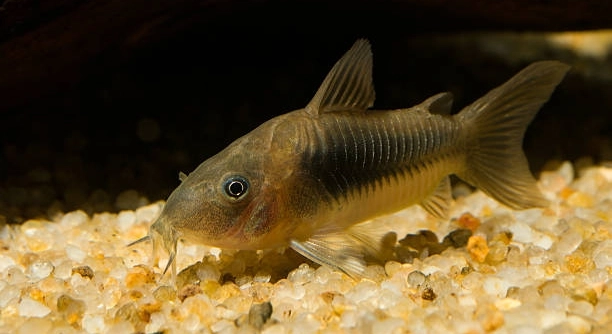
Are your Corydoras catfish acting skittish or hiding more often when there’s noise around your home or aquarium setup?
Loud noises can cause significant stress in Corydoras catfish, affecting their behavior, appetite, and overall health. Preventing stress involves creating a calm environment through tank placement, sound insulation, consistent routines, and limiting exposure to sudden or loud vibrations.
By making a few thoughtful adjustments, you can help your Corydoras feel safer and more relaxed in their underwater home.
Choose a Quiet Location for the Aquarium
Keeping your Corydoras away from noisy areas is one of the most effective ways to reduce stress. Place the aquarium in a space that doesn’t experience frequent foot traffic, loud TV noise, or constant door openings. Avoid rooms where people gather often, like living rooms or kitchens, especially if loud appliances are used nearby. Sudden vibrations or sound waves can startle these sensitive bottom-dwellers. A calm corner or a quiet home office is usually a better option. Think about what’s happening around the tank regularly and how that might be affecting the fish. Sound travels differently in water, and even noise we barely notice can feel overwhelming to them. Choosing a peaceful spot helps support a relaxed environment and promotes healthier behavior in your Corydoras.
Loud areas can lead to hiding, less movement, and changes in eating habits. A peaceful setting allows your Corydoras to stay active and feel secure.
Pay attention to activities in the chosen room—closing doors gently, turning down nearby speakers, and avoiding thuds or stomps can all make a difference. Once your Corydoras feel their home is safe and predictable, they’ll be more comfortable exploring and feeding. A little quiet can go a long way in keeping them calm.
Add Background Noise for Stability
A soft, consistent sound helps drown out jarring or random noise that might disturb your Corydoras.
Using low-volume background sounds, like an air filter hum or gentle bubbling from a sponge filter, can mask sharp noises from the environment. Corydoras are easily startled, especially by changes in volume and vibration. By offering a steady audio background, you create a sense of stability and security for them. This method doesn’t involve expensive gear—just focus on maintaining a balanced noise level in the tank area. Avoid blasting music or placing subwoofers near the aquarium. Instead, rely on calm, repetitive sounds already built into your tank setup. If needed, a small white noise machine set to low volume and placed a few feet from the tank can be helpful. These sounds act like a buffer, softening loud interruptions like dropped items or clapping. When your Corydoras feel less startled, they’re more likely to interact with their surroundings and stay healthy.
Use a Soft Substrate and Plenty of Hiding Spots
Rough or noisy gravel can startle Corydoras and increase stress. A soft sand substrate helps cushion their movements and reduces the sound of their activity. Combine this with several hiding spots using driftwood, plants, or caves to make them feel more secure.
Corydoras spend a lot of time foraging along the bottom, so having a soft substrate like fine sand gives them comfort and protection. Hard gravel can be noisy when moved and even damage their sensitive barbels. Quieting the environment at ground level matters just as much as above the tank. Add broad-leafed plants, tunnels, or ceramic tubes so they have options to hide when they feel overwhelmed. These hiding places also help them retreat when loud sounds occur nearby. Fish that feel safe are more likely to display natural behaviors, such as schooling and scavenging. It’s about letting them feel like they have control over their space.
A tank full of open space can leave Corydoras exposed, making them feel anxious during loud events. Hiding spots should be scattered but easy to access. You don’t need to overcrowd the tank—just make sure there are places to duck into from different areas. Rotate decor occasionally to keep things stimulating without raising stress levels.
Reduce Vibrations from Tank Equipment
Vibrations travel through both air and surfaces. Make sure all your tank equipment is running smoothly and quietly, especially air pumps and filters that can rattle against glass if not placed correctly.
If your tank sits on a surface that amplifies vibration—like a hollow stand or a desk—it can cause a constant hum or sudden jolts when devices kick on. Place a soft mat or foam padding under the tank base to help absorb these tremors. Also, check that all tubing and filter attachments are securely fastened to avoid knocking or shaking. Aquarium lids can sometimes vibrate as well; secure them firmly and line them if needed. Equipment like canister filters should be placed on a stable surface and cleaned regularly to prevent rattling sounds. Anything that runs too loudly or with a sharp rhythm can upset your Corydoras. Making these small adjustments helps protect them from stress caused by background vibrations.
Limit Sudden Loud Noises Nearby
Avoid slamming doors, dropping objects, or shouting near the tank. These noises can quickly startle Corydoras and make them hide or freeze. Try to keep your tank in a room where loud activity isn’t common or constant.
Children playing loudly or pets barking near the aquarium can create unexpected noise that stresses the fish. Remind others in the household to be mindful when they’re close to the tank, especially during feeding times or water changes.
Keep a Consistent Light and Sound Routine
Corydoras are sensitive to changes in their environment, including lighting and noise. Try to keep the room’s activity levels and lighting consistent every day. Sudden loud sounds followed by abrupt lighting changes can trigger stress and confusion. Using a timer for the aquarium light can help maintain a steady routine. Avoid turning the light on or off suddenly, especially when the surrounding room is dark. Gentle transitions reduce stress. Likewise, keep TV volume or music low and stable when near the tank. Predictability helps your Corydoras relax and adjust more easily to their surroundings.
Monitor Behavior for Early Signs
Watch for changes in swimming, feeding, or hiding patterns. If your Corydoras are staying still too often or not eating, they might be stressed. Noticing these small signs early helps prevent larger health problems later.
FAQ
How can I tell if my Corydoras is stressed?
Signs of stress in Corydoras include hiding more than usual, swimming erratically, or staying in one spot for long periods. They might also stop eating or become lethargic. If you notice these behaviors, it’s important to examine their environment and see if any changes have occurred, like increased noise or vibrations. A stressed Corydoras can also develop darker coloring or lose its usual social behavior.
Can loud noises cause permanent harm to Corydoras?
While loud noises themselves may not cause direct physical harm, they can lead to chronic stress, which impacts the fish’s health. Prolonged stress weakens their immune system, making them more susceptible to diseases. It can also cause behavior changes, affecting their ability to forage and interact with tank mates. Consistent exposure to stress can shorten their lifespan, so it’s best to reduce loud sounds to protect them.
How do I create a stress-free environment for my Corydoras?
To reduce stress, keep the tank in a quiet area with minimal noise. Adding soft substrates like sand, ensuring there are plenty of hiding spots, and using background noise from gentle filters or air pumps can help. Keep the environment stable with regular feeding times and a consistent light schedule. Avoid placing the tank near loud appliances or in high-traffic areas. Consistency in their surroundings gives them the feeling of security.
Is it safe to add a cover or lid to the tank to reduce noise?
Adding a lid to the aquarium can help reduce noise, but it must be secure and not create additional vibrations. Ensure the cover fits snugly without rattling when touched or moved. Lids can also help keep the water temperature stable and prevent contaminants from entering the tank. Just make sure the lid allows for proper air circulation so your Corydoras can breathe easily.
How often should I check my tank for signs of stress?
It’s best to monitor your Corydoras regularly for signs of stress. Check their behavior daily, especially after any changes in the environment, such as loud noises or equipment adjustments. Keep an eye on their eating habits, swimming patterns, and whether they seem to be interacting with the tank mates. A quick observation can help you catch early signs of stress before it becomes a bigger problem.
Can Corydoras get used to loud environments?
Corydoras are naturally sensitive to their surroundings, and while they may become accustomed to a consistent level of noise, sudden or loud sounds can always cause them stress. Over time, they may learn to tolerate some background noise, but it’s best to avoid exposing them to high decibel levels for long periods. A quieter environment is always more conducive to their well-being.
How do I reduce vibration from aquarium equipment?
Ensure that your aquarium equipment, like filters and air pumps, is placed on a stable surface. Use rubber mats or foam padding under equipment to absorb vibrations and reduce noise. Check that all hoses and pipes are secure to prevent any rattling. Cleaning equipment regularly also helps prevent unnecessary noise caused by buildup or malfunction.
What kind of tank decorations are best for reducing stress in Corydoras?
Tank decorations should include smooth rocks, plants, and tunnels that allow Corydoras to hide and explore safely. Avoid sharp or rough edges that could irritate their sensitive barbels. Placing plants or driftwood near the bottom also creates hiding spots where Corydoras can feel secure. It’s important to offer plenty of options for them to seek cover if they’re feeling threatened by noise.
Are there specific water conditions that help reduce stress in Corydoras?
Corydoras prefer clean, well-oxygenated water with a slightly acidic to neutral pH. Ensuring stable water conditions—temperature, hardness, and water flow—can help reduce stress. Fluctuations in these parameters can lead to distress. Regular water changes, proper filtration, and monitoring water quality are key to keeping your Corydoras healthy and stress-free.
How can I help my Corydoras relax after being startled by loud noise?
If your Corydoras is startled, give them some time to adjust and hide in their preferred spots. Avoid sudden movements around the tank and reduce external noise. You can dim the lights and allow the water filter to provide calming background noise. Avoid feeding them immediately after they’ve been startled, as they may not eat right away due to stress.
Is it necessary to remove my Corydoras from a noisy environment completely?
If the noise is constant and unmanageable, it’s best to move your Corydoras to a quieter location. Temporary exposure to loud sounds won’t cause long-term harm, but a consistent stressful environment can have a lasting impact. Consider relocating the aquarium to a quieter part of the home, away from high-traffic areas or loud appliances.
Final Thoughts
Corydoras catfish are sensitive creatures that can become easily stressed by loud noises and sudden changes in their environment. Maintaining a calm, quiet space around their aquarium is one of the best ways to ensure they stay healthy and comfortable. Small adjustments, like keeping the tank in a low-traffic area and reducing loud sounds, can go a long way in preventing unnecessary stress for your fish. Creating a peaceful environment not only helps your Corydoras feel secure but also promotes their overall well-being and longevity.
Along with noise control, it’s important to maintain stable water conditions and provide hiding spots within the tank. Corydoras naturally seek shelter when feeling threatened, and a well-planted tank with smooth surfaces can make them feel more secure. Regularly checking on your fish for signs of stress, such as changes in behavior or eating habits, is essential to catch any issues early. Consistency is key—whether it’s in water temperature, light, or noise levels. The more stable their environment, the less likely they are to become stressed.
Remember that while occasional noise is unavoidable, creating a stress-free environment for your Corydoras requires effort and attention. Their well-being depends on how well you can balance a quiet atmosphere with their natural instincts and needs. By paying attention to their behavior, reducing loud noises, and keeping their environment stable, you’ll help ensure that your Corydoras remain happy, healthy, and free from the negative effects of stress.

Hello,
If you enjoy the content that we create, please consider saying a "Thank You!" by leaving a tip.
Every little bit helps us continue crafting quality advice that supports the health, happiness, and well-being of pets around the world, for pets of all shapes, sizes, and species.
We really appreciate the kindness and support that you show us!