
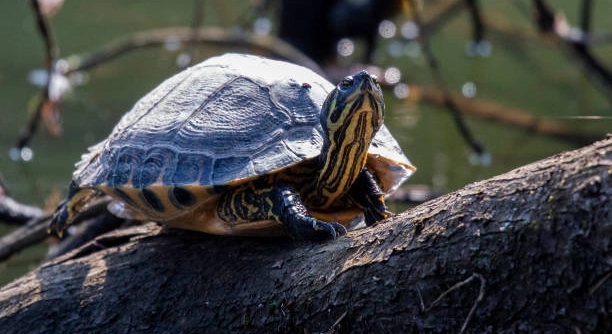
Have you ever noticed your yellow-bellied slider shaking its legs and found yourself wondering what it means?
Leg-shaking in yellow-bellied sliders is typically a form of communication or display. It may be associated with mating behavior, territoriality, or even excitement. Observing context can help identify the exact cause.
This intriguing behavior can reveal fascinating insights into your turtle’s world. Let’s explore what your slider might be trying to express and how to ensure its well-being.
Understanding Leg-Shaking in Yellow-Bellied Sliders
Yellow-bellied sliders often shake their legs for reasons tied to communication or instinctive behavior. Males commonly exhibit this during mating displays, fluttering their forelimbs to court females. This behavior can also signal territoriality when they interact with other turtles in their environment. Excitement or stimulation, such as the presence of food or attention from their owners, might also provoke leg-shaking. Observing when and how it happens can give you insight into your turtle’s needs. Pay attention to changes in behavior to rule out potential stress or health concerns.
If leg-shaking is frequent and accompanied by other unusual behaviors, it’s essential to monitor your turtle closely. Stress, illness, or environmental issues might play a role, and addressing these promptly ensures their health and comfort.
Understanding your turtle’s unique behaviors adds an extra layer of care. Observing patterns can help strengthen your connection with your slider.
Creating the Ideal Habitat
A well-maintained habitat significantly affects your turtle’s behavior and overall health. Ensure their tank mimics their natural environment with proper lighting, temperature, and clean water.
Yellow-bellied sliders thrive when their needs are met. Providing a basking area with UVB lighting supports their physical well-being, while consistent water quality prevents stress. Decorations like rocks or aquatic plants can enrich their space, making them feel secure. Diet is also key; offering a variety of appropriate foods, like leafy greens and protein sources, ensures proper nutrition.
With proper care, your turtle will remain happy and healthy. Meeting their habitat needs can reduce stress-related behaviors, including excessive leg-shaking.
Recognizing Stress in Your Turtle
Leg-shaking can sometimes indicate stress in turtles, especially if it occurs alongside other unusual behaviors. Stress factors include loud noises, frequent handling, or sudden changes in their environment. Reducing these triggers can help keep your turtle calm.
Environmental stress is often linked to improper tank conditions. Ensure the water temperature is between 75-80°F, with a basking area around 90°F. Poor water quality, lack of UVB lighting, or insufficient space can also create stress. Regular tank cleaning, proper filtration, and maintaining a comfortable habitat setup are essential for reducing stress-induced behaviors.
Behavioral signs, like loss of appetite, hiding, or lethargy, might accompany leg-shaking. If stress persists despite changes, it’s worth consulting a reptile veterinarian to rule out health concerns. Addressing stress early helps maintain your turtle’s overall well-being.
Monitoring Your Turtle’s Health
Frequent leg-shaking paired with other changes may suggest a health issue. Observe their appetite, movement, and shell condition for signs of illness. Catching problems early makes treatment more effective.
Common health issues in turtles include respiratory infections, shell rot, or vitamin deficiencies. Signs like swollen eyes, wheezing, or discoloration on the shell should not be ignored. Regular vet checkups and a well-balanced diet can help prevent these problems.
Taking time to monitor your turtle ensures any concerns are addressed promptly. Simple adjustments to their care or seeking professional advice when needed can make a big difference in their health and happiness.
Ensuring Proper Diet
A balanced diet is critical to your turtle’s health. Offer a mix of leafy greens, vegetables, and protein-rich foods like pellets or insects. Avoid overfeeding, as obesity can lead to health issues and behavioral changes.
Calcium is essential for their shell strength and overall growth. Adding calcium supplements or cuttlebone to their diet helps meet their needs. Always provide fresh food and avoid feeding items that are harmful, such as dairy or processed foods.
Observing Behavioral Patterns
Pay attention to when leg-shaking occurs and note any recurring patterns. This can help you identify triggers, whether it’s tied to feeding, interaction, or environmental changes.
Providing Enrichment
Adding safe toys, plants, or hiding spots to their tank encourages mental stimulation. A well-enriched environment reduces stress and keeps your turtle active.
FAQ
Why does my yellow-bellied slider shake its legs when it’s in the water?
Leg-shaking in the water is often linked to a display of excitement or territorial behavior. Male turtles may shake their legs to attract females or to assert dominance over other turtles in the tank. It’s also possible that they’re simply expressing themselves in response to their environment or stimulation. If it’s happening regularly, keep an eye on any changes in behavior or surroundings that might be contributing to the leg-shaking.
Could my turtle’s leg-shaking be a sign of illness?
While leg-shaking can sometimes indicate illness, it’s more often a sign of excitement or communication. However, if the leg-shaking is constant and accompanied by other signs like loss of appetite, lethargy, or abnormal breathing, it could be a health issue. Illnesses like respiratory infections or vitamin deficiencies could cause discomfort and unusual movements. Always monitor your turtle closely for any additional symptoms and consult a vet if necessary.
Is it normal for my turtle to shake its legs while basking?
Yes, leg-shaking while basking can be a normal behavior. It could be a way of stretching or adjusting itself as it enjoys the warmth. Turtles sometimes shake their legs to get more comfortable or in response to a feeling of security. If the shaking seems to be excessive, ensure the basking area is at the proper temperature and that your turtle isn’t stressed.
What should I do if my yellow-bellied slider shakes its legs too often?
If your turtle is shaking its legs more than usual, first observe any changes in its environment. Stress, such as loud noises, overcrowded tanks, or changes in water temperature, could lead to excessive leg-shaking. Ensure the habitat is comfortable, with clean water, proper UVB lighting, and an appropriate basking area. If the shaking persists, consider consulting a reptile vet to rule out any health concerns.
How can I tell if the leg-shaking is related to mating behavior?
Mating behavior is one of the most common reasons for leg-shaking in yellow-bellied sliders, especially in males. They may flutter their forelimbs and shake their legs as part of a courtship display. If the leg-shaking is accompanied by other mating behaviors, like approaching a female and performing specific movements, it’s likely linked to mating.
Can leg-shaking be a sign of stress in my turtle?
Yes, excessive leg-shaking can sometimes indicate stress. Environmental changes like water quality, temperature, or lack of space may cause your turtle to feel anxious, leading to shaking. Stress can also come from handling or the presence of other animals. Identifying and addressing the source of stress is important for your turtle’s well-being.
Is there a connection between leg-shaking and my turtle’s diet?
While diet is not directly linked to leg-shaking, poor nutrition can contribute to health problems that may affect behavior. A lack of proper nutrients, like calcium, can lead to weakness or discomfort, which might cause your turtle to move differently. Ensure your turtle has a balanced diet to support its overall health and avoid nutritional deficiencies that could lead to stress or illness.
Why does my turtle shake its legs when I approach its tank?
Your turtle might be shaking its legs as a form of excitement, anticipation, or curiosity when you approach. It could be associating you with food or interaction. Turtles are intelligent creatures that can form associations with their environment. If your turtle becomes excited when you’re near, it could be a positive response.
Could my turtle be shaking its legs due to pain or injury?
Pain or injury could cause a turtle to shake its legs, especially if the shaking is irregular or accompanied by other signs like limping, swelling, or changes in movement. If your turtle seems to be in pain or you notice any unusual behavior, it’s essential to have it examined by a vet. Early intervention can prevent further complications.
How can I prevent leg-shaking caused by stress?
To reduce stress-related leg-shaking, ensure your turtle’s habitat is well-maintained. Check water quality, temperature, and lighting. Avoid overcrowding in the tank, as turtles can become territorial. Regularly clean the tank and make sure there are hiding spots for your turtle to feel safe. Handling your turtle less frequently can also help reduce stress.
Is there a difference in leg-shaking behavior between male and female yellow-bellied sliders?
Yes, males tend to shake their legs more frequently, especially as part of their courtship behavior during the mating season. Female yellow-bellied sliders may shake their legs occasionally, but it’s typically not as common as in males. Males use this behavior to attract females and demonstrate their interest.
Can leg-shaking be related to temperature fluctuations in the tank?
Fluctuating temperatures can cause stress in turtles, leading to behaviors like leg-shaking. If the water or basking area is too cold or too hot, your turtle may react by shaking its legs as a sign of discomfort. Maintaining a stable, appropriate temperature will help prevent these stress-related behaviors.
Does leg-shaking always mean my turtle is happy?
Leg-shaking doesn’t always mean happiness, although it can be a sign of excitement or enjoyment in some situations. It can also be a way of communicating, mating, or displaying territorial behavior. Pay attention to the context and other accompanying behaviors to understand what your turtle is trying to express.
Final Thoughts
Leg-shaking in yellow-bellied sliders is a natural behavior that can stem from different causes. While it’s often linked to excitement, territoriality, or mating displays, it’s important to monitor the context in which it occurs. Whether your turtle is shaking its legs in the water, while basking, or in response to your presence, each instance can carry a different meaning. Understanding the specific situation will help you determine whether the behavior is normal or if something else might be causing it.
If you notice that the leg-shaking is excessive or accompanied by other concerning behaviors like lethargy, loss of appetite, or unusual movements, it could be a sign of stress or illness. Stress factors can include changes in the environment, overcrowding in the tank, or improper water conditions. Ensuring that your turtle has a comfortable, stable habitat with clean water, proper lighting, and enough space is essential for its well-being. A balanced diet and routine care can also help prevent stress-related behaviors.
Ultimately, understanding your turtle’s behavior comes down to observing its patterns and making adjustments when necessary. If leg-shaking continues to be a concern or if your turtle’s health seems affected, consulting with a reptile vet is a good idea. A veterinarian can help identify any potential health issues and guide you on the best way to care for your yellow-bellied slider. Providing the right environment and care will help ensure your turtle remains happy, healthy, and comfortable in its home.

Hello,
If you enjoy the content that we create, please consider saying a "Thank You!" by leaving a tip.
Every little bit helps us continue crafting quality advice that supports the health, happiness, and well-being of pets around the world, for pets of all shapes, sizes, and species.
We really appreciate the kindness and support that you show us!