
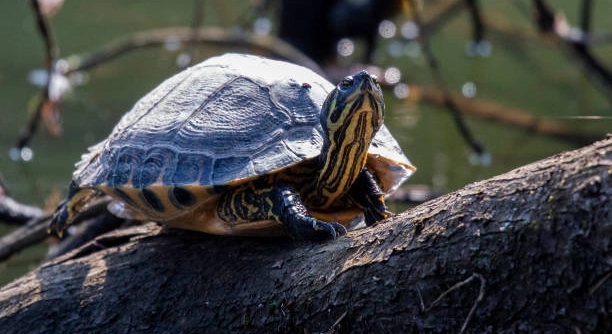
Keeping your yellow-bellied slider’s tank clean is key to maintaining a healthy environment. It’s important to ensure the habitat is well-maintained for their overall well-being. Here are seven simple ways to improve your tank hygiene and keep your turtle happy.
Maintaining proper tank hygiene is essential for the health of your yellow-bellied slider. Regular cleaning, water changes, and proper filtration can reduce bacteria and waste buildup, preventing health issues like shell rot or respiratory infections.
Making these changes will help your turtle thrive in a cleaner and safer environment. Keep reading to learn how to make simple adjustments that will have a lasting impact.
1. Clean Your Tank Regularly
Keeping the tank clean is one of the most important tasks when caring for a yellow-bellied slider. It’s easy to forget how much waste they can create. Regular tank cleaning should be done every one to two weeks, depending on the size of the tank. Start by removing any uneaten food, dead plants, or debris that may have accumulated. Use a soft sponge or cloth to scrub the sides of the tank and the bottom to prevent algae buildup.
After removing visible debris, it’s also crucial to change the water regularly. Replacing about 25% of the water weekly will help maintain clean and safe water for your turtle. Make sure the water is free of chlorine or other chemicals. A clean tank reduces stress on your turtle and keeps its habitat healthier.
Regular cleaning helps prevent harmful bacteria from building up, making it less likely for your turtle to get sick. When maintaining the tank, remember to disinfect your cleaning tools afterward to avoid spreading contaminants.
2. Invest in a Good Filtration System
A high-quality filtration system is essential for keeping the tank water clean. Invest in a filter designed for aquatic turtles, which will help remove excess waste, debris, and harmful bacteria.
Filters also help maintain the balance of the water and reduce the frequency of water changes. However, even with a filter, you’ll still need to clean the tank and change the water regularly. Make sure to clean the filter every few weeks to ensure it’s working efficiently.
The right filter will improve water quality and make maintenance easier. It prevents your turtle from being exposed to bacteria and harmful substances, contributing to its overall health. Take the time to choose a filter that suits your tank size and water volume for the best results.
3. Remove Uneaten Food
Leaving uneaten food in the tank is a common mistake that can lead to water contamination. It’s important to remove leftover food after feeding your turtle.
Turtles are often messy eaters, and uneaten food can quickly break down, causing water quality to decline. Remove leftover food within 30 minutes to an hour after feeding. Use a small net or a siphon to scoop up any pieces. This will prevent food from decaying and spreading bacteria in the tank. Keeping the water clean by removing excess food is an easy but essential part of tank hygiene.
In addition to keeping the water cleaner, removing uneaten food helps avoid attracting pests like flies or worms. When food sits too long, it can also alter the water’s pH, which can affect your turtle’s health. This simple step is a small effort with a big impact.
4. Maintain Proper Lighting
Proper lighting is important not just for your turtle’s well-being, but also for maintaining a clean tank environment. Without enough light, algae growth can become excessive.
Yellow-bellied sliders need UVB light to produce vitamin D3, which helps them absorb calcium. Without this, they can develop health problems, including shell deformities. At the same time, light plays a role in controlling algae growth. A good light source will help balance the tank’s environment by promoting healthy basking areas for your turtle and preventing algae from thriving in the tank.
Ensure the light is positioned properly over the basking area, but avoid excessive direct light, which can increase algae growth. Using a timer for consistency can help maintain a day-night cycle. Check the bulbs regularly to make sure they are still functioning as they should.
5. Use Substrate Wisely
Using substrate in the tank can make cleaning more challenging, especially if it’s not maintained properly. Choose a substrate that’s easy to clean and prevents waste buildup.
Gravel or sand can trap debris, making it harder to keep the tank clean. Consider using larger stones or leaving the bottom bare to make cleaning easier. If you do use substrate, vacuum it regularly to remove waste and leftover food. This small effort helps maintain water quality and ensures a cleaner environment for your turtle.
6. Avoid Overcrowding
Overcrowding your tank can lead to a quick build-up of waste and poor water quality. It’s important to know the proper tank size for your turtle.
Yellow-bellied sliders need space to swim, bask, and explore. Overcrowding increases the workload for the filtration system and makes regular cleaning more difficult. It also causes higher levels of waste, which can negatively affect the water’s health. Be mindful of how many turtles are in the tank and adjust if needed to ensure the space remains clean and healthy.
FAQ
How often should I clean my yellow-bellied slider’s tank?
A good rule of thumb is to clean the tank thoroughly every 1-2 weeks, depending on the size of your tank and the number of turtles. Smaller tanks with multiple turtles may need more frequent cleanings. In addition to deep cleanings, remove debris and uneaten food daily to maintain good water quality.
How do I prevent algae growth in the tank?
To reduce algae growth, ensure your tank has proper lighting, use UVB lights for your turtle’s health, and avoid leaving the lights on too long. Regularly scrub the tank walls and maintain good water filtration. Reducing overfeeding and removing excess food will also help.
Can I use a sponge to clean my tank?
Yes, using a soft sponge to clean the tank is a good idea. Avoid abrasive materials that can scratch the glass. Ensure the sponge is cleaned thoroughly after each use to prevent cross-contamination. A separate sponge for tank cleaning will help maintain hygiene.
What should I do if the water gets cloudy?
Cloudy water often results from a buildup of waste, uneaten food, or algae. Check the filtration system to ensure it’s working properly. Perform a partial water change, remove any debris, and clean the tank. Consider using a water clarifier if the cloudiness persists.
Is it necessary to remove the turtles during tank cleaning?
While it’s not absolutely necessary, removing your turtles during a deep cleaning is a good idea. It prevents stress and allows you to clean the tank thoroughly without disturbing them. If you decide to leave them in, ensure you clean the tank carefully, avoiding sharp objects or chemicals.
How do I clean the filter?
Cleaning the filter should be done every 3-4 weeks, or sooner if you notice the water quality decreasing. Turn off the filter, disassemble it, and rinse the filter media with tank water. Never use tap water, as it can kill beneficial bacteria. Ensure the filter is running smoothly after cleaning.
Should I use a substrate in my tank?
Using a substrate is optional, but many owners choose not to, as it’s harder to clean and can trap waste. If you decide to use it, choose large gravel or smooth stones that won’t be ingested. Make sure to vacuum it regularly to prevent waste buildup.
How often should I change the water?
You should change about 25% of the water weekly, especially if you have a smaller tank or more than one turtle. If the water looks dirty or smells bad, perform a larger water change. Regular changes help maintain water quality and prevent harmful bacteria from forming.
Can I use regular soap to clean the tank?
No, avoid using regular soap, as it can leave harmful residues that are toxic to your turtle. Instead, clean the tank with water and a turtle-safe cleaner or vinegar. Be sure to rinse everything thoroughly to remove any residue before refilling the tank.
What type of food is best for yellow-bellied sliders?
Yellow-bellied sliders are omnivores, and a balanced diet is key. Offer a variety of foods, including commercial turtle pellets, leafy greens, and occasional protein like insects or small fish. Be cautious with overfeeding, as uneaten food can quickly degrade the water quality.
How can I prevent my turtle from getting sick?
To prevent illness, maintain a clean tank with proper filtration and lighting. Ensure your turtle has a balanced diet, access to UVB light, and regular exercise. Avoid overcrowding and make sure the water temperature is appropriate for your turtle’s species. Regularly check for signs of illness and seek a vet’s advice if necessary.
Do I need to monitor the water temperature?
Yes, water temperature is important for your turtle’s health. Yellow-bellied sliders thrive in water that’s between 75°F and 80°F. You can use an aquarium heater to maintain the right temperature, but make sure it’s suited for the size of your tank. Keep a thermometer in the tank for accurate readings.
Can I use a tank cover to reduce cleaning?
Using a tank cover can help prevent debris from falling in and keep the water cleaner longer. However, ensure the cover allows proper airflow and doesn’t trap heat or humidity. A cover also helps reduce evaporation, which can make maintaining the water level easier.
How do I handle waste buildup in the tank?
Waste buildup can be controlled by maintaining a good filtration system and performing regular cleanings. Removing uneaten food daily and performing water changes will also reduce waste accumulation. Avoid overcrowding the tank to prevent excess waste, as this puts a strain on the filtration system.
How do I make my turtle’s basking area clean?
To keep the basking area clean, regularly scrub the surface to remove algae and debris. Consider using a non-toxic cleaner to disinfect the area occasionally. Providing a separate basking platform can also make it easier to keep the area dry and free from waste.
What kind of water conditioner should I use?
Use a water conditioner specifically made for aquariums to remove chlorine and chloramine from tap water. Look for one that is safe for turtles and ensures the water’s pH, hardness, and mineral levels are appropriate for their needs. Always follow the manufacturer’s instructions.
Final Thoughts
Maintaining a clean and healthy environment for your yellow-bellied slider is essential for their well-being. Regular cleaning of the tank, using a proper filtration system, and removing uneaten food are simple yet effective ways to keep the habitat safe. Each of these steps contributes to cleaner water, which in turn supports your turtle’s health. The goal is to create a balanced environment where your turtle feels comfortable and thrives.
It’s important to remember that proper tank hygiene is an ongoing process. It’s not just about cleaning the tank once and forgetting about it. Consistency matters. Regular maintenance like water changes, monitoring water quality, and ensuring the tank is free of excess food will go a long way in preventing potential health problems. Also, maintaining proper lighting, temperature, and a healthy diet are all interconnected parts of the process that help your turtle feel its best.
Taking these steps might feel like a lot at first, but over time, they will become routine. A clean tank will help prevent issues like shell rot, skin infections, or poor digestion. Plus, a healthy and well-maintained habitat makes for a happier and more active turtle. By staying on top of tank hygiene, you will not only improve your turtle’s life but also your own experience in caring for it. Keeping things simple and consistent will ensure your yellow-bellied slider enjoys a long, healthy life.

Hello,
If you enjoy the content that we create, please consider saying a "Thank You!" by leaving a tip.
Every little bit helps us continue crafting quality advice that supports the health, happiness, and well-being of pets around the world, for pets of all shapes, sizes, and species.
We really appreciate the kindness and support that you show us!