
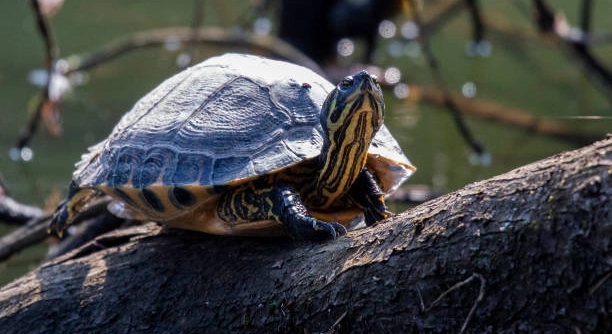
Do you have a yellow-bellied slider and wonder if mushrooms are a safe addition to their diet? These turtles have specific dietary needs, and introducing new foods requires careful consideration to ensure their health and happiness.
Yellow-bellied sliders should not eat mushrooms. Mushrooms can be toxic to turtles and may cause digestive upset or other health issues. Sticking to a balanced diet of leafy greens, vegetables, and turtle pellets is best.
Your slider’s health depends on the right nutrition. Learning what to feed them helps ensure they thrive in their environment.
Why Mushrooms Are Not Safe for Yellow-Bellied Sliders
Mushrooms might seem like a harmless snack, but they can be harmful to yellow-bellied sliders. Many types of mushrooms contain compounds that are toxic to reptiles, leading to digestive problems or even more severe health issues. Even small amounts can upset their delicate systems. Instead, focus on providing your turtle with food they are naturally adapted to eat. Leafy greens, aquatic plants, and high-quality turtle pellets are excellent options. Avoid offering foods that are not part of their natural diet, as these can cause imbalances in their health and nutrition over time.
Feeding your yellow-bellied slider a diet of mushrooms can risk their health. While it may be tempting to experiment with new foods, it’s better to stick to proven, turtle-safe options.
Prioritizing safe, nutritious foods not only supports their health but also keeps them active and happy.
Healthy Alternatives to Mushrooms
Yellow-bellied sliders thrive on a diet rich in greens, vegetables, and protein sources. Safe options include dandelion greens, kale, and collard greens.
A well-balanced diet should mimic what turtles eat in the wild. Vegetables like carrots and squash add variety, while occasional protein treats like mealworms or small fish provide enrichment. Avoid offering foods high in oxalates, like spinach, as these can interfere with calcium absorption. Always feed them a mix of options to ensure they get the nutrients they need. Consistency in their diet helps prevent health issues and encourages steady growth.
With a proper diet, your yellow-bellied slider will stay healthy and active for years. Providing the right food ensures their long-term well-being and happiness.
Risks of Feeding Mushrooms to Yellow-Bellied Sliders
Mushrooms can be harmful due to their potential toxicity. Many species contain substances that reptiles cannot process, leading to digestive issues, lethargy, or worse. Even edible mushrooms for humans can pose risks to your turtle’s health.
When turtles consume unsafe foods like mushrooms, their systems may struggle to handle the unfamiliar compounds. This can result in immediate symptoms such as vomiting, diarrhea, or a loss of appetite. Over time, it could lead to more severe conditions, including organ damage or toxicity that might require veterinary intervention. It’s best to avoid offering any mushrooms to ensure their well-being.
Keeping harmful foods out of your turtle’s diet is essential. Monitor their intake closely, ensuring that every meal provides beneficial nutrients. By doing so, you reduce the risk of accidental harm from foods like mushrooms.
Building a Balanced Turtle Diet
A balanced diet keeps your yellow-bellied slider healthy and thriving. Their meals should include a mix of plant-based foods and occasional protein to meet their nutritional needs.
Greens like romaine lettuce, collards, and dandelion leaves make excellent staples. Add vegetables like shredded carrots, squash, and zucchini to provide variety. Protein sources such as mealworms or freeze-dried shrimp should be occasional treats, as they mimic what turtles might consume in the wild. Avoid overfeeding or including too many high-fat or sugary foods.
Consistency in their diet is vital. Offering safe, nutritious options will ensure they grow well, stay active, and live a long life. A well-fed turtle is a happy turtle.
Symptoms of Mushroom Toxicity in Turtles
Turtles that consume mushrooms may show signs like vomiting, diarrhea, or lethargy. These symptoms can occur quickly after eating toxic foods. Always monitor your turtle closely if you suspect they have eaten something unsafe.
Long-term exposure to harmful foods like mushrooms may cause more severe health issues, such as organ damage. Prompt veterinary care is essential if symptoms appear, as early treatment can prevent complications.
Monitoring Your Turtle’s Eating Habits
Keep track of what your yellow-bellied slider eats. Offering a consistent and safe diet reduces the risk of accidental ingestion of harmful foods. If their appetite or energy levels change suddenly, investigate their diet and consult a vet.
Final Thoughts on Mushroom Safety
Avoid mushrooms entirely when feeding your yellow-bellied slider. Sticking to a safe diet ensures their long-term health and happiness.
FAQ
Can yellow-bellied sliders eat any type of mushroom safely?
No, yellow-bellied sliders should not eat any type of mushroom. Even mushrooms considered safe for human consumption may cause digestive issues or toxicity in turtles. Stick to turtle-safe foods like leafy greens and aquatic plants.
What happens if my turtle eats a mushroom by accident?
If your turtle eats a mushroom, observe them for signs of distress, such as vomiting, lethargy, or lack of appetite. Contact a veterinarian immediately if symptoms occur. Early treatment is crucial to prevent serious complications.
Are there specific vegetables that should also be avoided?
Yes, some vegetables like spinach, iceberg lettuce, and rhubarb should be avoided. Spinach contains oxalates that interfere with calcium absorption, while iceberg lettuce lacks nutritional value. Rhubarb is toxic to turtles and should never be offered.
How often should I feed my yellow-bellied slider?
Juvenile turtles should be fed daily, while adults can be fed every two to three days. Provide a balanced mix of greens, vegetables, and protein. Monitor portion sizes to avoid overfeeding, which can lead to obesity.
Can yellow-bellied sliders eat fruits?
Fruits can be offered occasionally as a treat, but they should not be a staple in their diet. Fruits like apples or berries are acceptable in small quantities. Avoid citrus fruits, as they can irritate the turtle’s digestive system.
What are some safe protein options for my turtle?
Good protein sources include mealworms, earthworms, and small amounts of cooked fish. These should be given in moderation, as too much protein can lead to shell deformities or other health problems.
Do yellow-bellied sliders need supplements?
Yes, calcium and vitamin supplements are important for their health. Use a reptile-safe calcium supplement, preferably with vitamin D3, to ensure strong shells and bones. Sprinkle it on their food a few times a week.
How do I make sure my turtle gets enough calcium?
In addition to calcium supplements, provide a cuttlebone in their tank. Turtles will nibble on it, which helps maintain their calcium levels and keeps their beak trimmed. A balanced diet also contributes to adequate calcium intake.
Can yellow-bellied sliders eat aquatic plants?
Yes, aquatic plants like duckweed, water lettuce, and anacharis are safe and nutritious for yellow-bellied sliders. They mimic the turtle’s natural diet and provide enrichment by allowing the turtle to forage.
What should I do if my turtle refuses to eat?
If your turtle refuses food, check the water temperature in their habitat, as turtles may stop eating if it’s too cold. Ensure their diet is varied and appealing. If the issue persists, consult a veterinarian to rule out illness.
Is it okay to feed store-bought turtle food exclusively?
Store-bought turtle pellets are a good base for their diet but should not be their only food source. Supplement pellets with fresh vegetables, greens, and occasional protein to ensure a well-rounded diet.
Can turtles eat human food like bread or pasta?
No, bread, pasta, and other processed human foods are not suitable for turtles. These foods lack the nutrients turtles need and may cause digestive problems or obesity. Stick to turtle-safe, natural foods.
How do I introduce new foods to my turtle?
Introduce new foods gradually by mixing small amounts with their regular diet. Observe how they react and ensure the new food does not cause any adverse effects. Variety helps keep their diet balanced and interesting.
Why is a varied diet important for turtles?
A varied diet ensures that your turtle gets all the necessary nutrients for growth and overall health. It also prevents boredom and keeps them engaged with their food. Rotate their greens, vegetables, and proteins regularly.
Final Thoughts
Yellow-bellied sliders have specific dietary needs that help them stay healthy and active. Feeding them foods like leafy greens, vegetables, and occasional protein is the best way to meet their nutritional requirements. Mushrooms, on the other hand, should be avoided entirely due to the risks they pose. Even if some foods seem harmless, it’s essential to stick to options that are known to be safe for turtles. A well-planned diet ensures your slider lives a long and happy life.
Providing the right environment is just as important as feeding them properly. Clean water, a basking area with proper UV lighting, and a temperature-controlled habitat all contribute to their well-being. Keeping these factors in check ensures they can digest their food efficiently and stay active. Regularly observing your turtle’s behavior can help you catch any potential problems early, such as changes in eating habits or energy levels.
By avoiding harmful foods like mushrooms and focusing on a balanced diet, you’re setting your turtle up for success. Their health depends on your care and attention, so taking the time to learn about their needs is vital. With proper feeding and care, your yellow-bellied slider can thrive for many years, bringing joy and companionship along the way.

Hello,
If you enjoy the content that we create, please consider saying a "Thank You!" by leaving a tip.
Every little bit helps us continue crafting quality advice that supports the health, happiness, and well-being of pets around the world, for pets of all shapes, sizes, and species.
We really appreciate the kindness and support that you show us!