
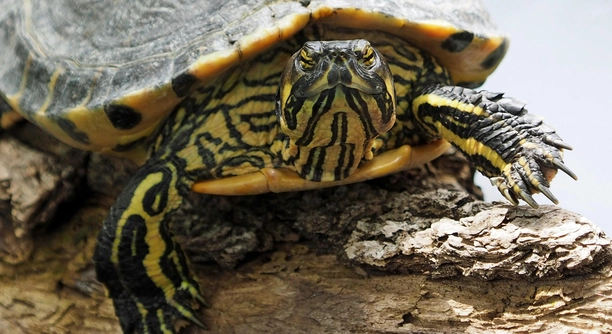
Do you notice your yellow-bellied slider persistently nudging other turtles in its tank? This behavior might seem odd but could indicate natural instincts, social tendencies, or environmental factors influencing its interactions with tank mates.
Yellow-bellied sliders nudge other turtles for various reasons, including establishing dominance, seeking social interaction, or as a sign of breeding behavior. Environmental conditions, such as overcrowding or resource competition, can also contribute to this behavior.
Understanding these behaviors can help you create a harmonious environment for your turtles while ensuring their well-being and comfort in the tank.
Understanding the Nudging Behavior
Yellow-bellied sliders often nudge their tank mates to assert dominance, especially when they share limited space. This behavior can also be a result of their natural social instincts. For example, a turtle might nudge another as part of a breeding display or simply as a way to interact. Environmental stressors like insufficient basking spots, cramped spaces, or lack of food can amplify this behavior. Observing the context in which the nudging occurs can help identify the specific cause, making it easier to address.
If the nudging occurs only occasionally, it may not require intervention. However, frequent or aggressive nudging should be monitored as it can lead to stress or injury among tank mates.
Ensuring adequate tank size, basking areas, and a balanced diet can reduce competitive behavior. Maintaining a clean environment and monitoring interactions are also essential for healthy social dynamics.
Addressing Tank Conditions
The size of the tank plays a critical role in turtle behavior. Overcrowded tanks can heighten stress and competition.
Providing a spacious tank with plenty of hiding spots and multiple basking areas helps minimize conflicts. Yellow-bellied sliders require about 10 gallons of water per inch of shell length. Adding vegetation and visual barriers can reduce direct interactions and provide spaces for retreat.
By carefully managing the tank’s setup and regularly monitoring your turtles, you can create an environment where they can coexist peacefully.
Recognizing Signs of Stress
Frequent nudging paired with aggressive behaviors like biting or chasing often indicates stress. Other signs include lethargy, lack of appetite, and excessive hiding. These behaviors can escalate if not addressed promptly, impacting the overall health of your turtles.
Stress in turtles is commonly caused by inadequate environmental conditions. Overcrowding, improper water temperature, or insufficient hiding spaces can overwhelm even the most social turtles. Ensuring your turtles have adequate resources such as basking spots, clean water, and appropriate food can mitigate these stressors. Additionally, maintaining consistent tank conditions helps create a sense of stability for your turtles.
If stress persists despite improving environmental factors, consider separating the turtles temporarily. This can give each turtle space to recover. Observing their behavior during separation can also help identify individual needs, enabling more targeted solutions.
Preventing Aggression Among Turtles
Creating a balanced environment is key to preventing aggression. Each turtle should have ample access to food, basking areas, and swimming space to avoid resource-related conflicts.
Regularly monitoring your turtles’ behavior allows you to address potential problems before they escalate. Introducing new turtles gradually and rearranging the tank layout can also prevent territorial disputes. Paying attention to compatibility between tank mates ensures a more harmonious setting.
Impact of Diet on Behavior
Turtles rely on a balanced diet for healthy growth and behavior. Poor nutrition can lead to irritability, aggression, or reduced social interactions.
Feeding your yellow-bellied slider a variety of appropriate foods, including leafy greens, protein, and occasional treats, helps maintain their health. A deficiency in any nutrient can cause stress and influence their behavior, making them more likely to nudge or display other social disturbances.
The Role of Temperature
Maintaining a consistent water temperature is crucial for a turtle’s well-being. Too cold or too warm water can lead to discomfort, causing turtles to act out.
Water temperature between 75°F and 80°F is ideal for yellow-bellied sliders. A thermometer and a quality water heater can help ensure stability. When the temperature fluctuates or falls out of this range, turtles may become more aggressive or restless.
FAQ
Why is my yellow-bellied slider nudging other turtles?
Nudging behavior can stem from several causes, such as establishing dominance, expressing breeding behaviors, or seeking social interaction. Turtles naturally exhibit this behavior as part of their social structure, especially in confined spaces. In some cases, nudging can also result from stress or overcrowding in the tank. Observing the context of the nudging can help identify whether it’s a sign of competition or a simple social behavior.
Can nudging turn into aggression?
Yes, nudging can sometimes escalate into aggression if the turtles feel stressed or threatened. If nudging becomes more forceful or is paired with other aggressive actions like biting or chasing, it’s essential to intervene. Increasing the tank’s space, adding more hiding spots, or adjusting resources like food and basking areas can help alleviate the aggression.
How can I stop my turtles from nudging each other?
To stop nudging, it’s important to reduce any stressors that might be contributing to the behavior. Ensure that your tank is spacious enough for all the turtles, with multiple basking spots, plenty of swimming space, and clean water. Avoid overcrowding, as this can lead to territorial issues. Adding visual barriers or rearranging the tank layout can also reduce direct contact and competition.
Is it normal for turtles to nudge each other while mating?
Yes, nudging during mating is common. Male turtles often nudge females to get their attention, particularly when they are ready to mate. This behavior is usually harmless and part of the natural courtship process. If you have multiple turtles of different sexes, it’s important to monitor the interaction to ensure that it doesn’t lead to excessive stress or injury.
How do I know if my turtles are stressed?
Signs of stress in turtles include excessive hiding, loss of appetite, unusual aggression, or lethargy. If nudging is accompanied by these signs, it may indicate that the turtles are not feeling comfortable in their environment. Additionally, stressed turtles may stop basking or become overly aggressive toward tank mates.
Can temperature affect the nudging behavior of turtles?
Yes, temperature plays a significant role in turtle behavior. If the water temperature is too high or too low, turtles may become stressed, which can result in increased aggression or nudging. Maintaining a water temperature of 75°F to 80°F ensures that your turtles are comfortable and less likely to display unwanted behaviors.
What should I do if my turtles are always fighting?
If your turtles are constantly fighting, the first step is to check the size and setup of the tank. Overcrowding or lack of space often leads to aggression. Adding more hiding spots, rearranging the tank, and ensuring a proper balance of food can reduce conflicts. If fighting persists, consider separating the turtles for a while to give them space to calm down.
Do yellow-bellied sliders get along with other turtle species?
Yellow-bellied sliders are known for being territorial, especially with other turtles. They may become aggressive toward different species, particularly if resources like basking spots or food are limited. If you plan to house different turtle species together, ensure that the tank is large enough and has multiple resources to reduce competition.
Can I stop my yellow-bellied slider from showing mating behaviors?
Mating behaviors, such as nudging and chasing, are natural and cannot be completely stopped. However, if the behavior becomes too disruptive, consider separating males and females, especially during breeding seasons. Alternatively, reducing the number of turtles in the tank can decrease the intensity of mating behavior.
How can I keep my turtles healthy to avoid nudging-related stress?
Providing your turtles with a balanced diet, clean water, and a properly set-up tank helps maintain their health and reduces the likelihood of stress-related nudging. Offer a variety of foods, including leafy greens, protein, and occasional treats. Ensure they have enough space to swim, bask, and hide. Regular water changes and checking water quality are also essential.
Final Thoughts
Understanding why your yellow-bellied slider nudges other turtles can help create a more peaceful environment in the tank. It’s a natural behavior, but when it turns into aggression or stress, it can impact the well-being of your turtles. Recognizing signs of discomfort early and adjusting the environment accordingly can prevent unnecessary tension. Providing ample space, multiple basking spots, and proper care is key to reducing the frequency of nudging and keeping your turtles healthy.
Sometimes, the solution to excessive nudging might be as simple as improving the tank setup. Ensuring the tank is large enough to accommodate the number of turtles and reducing overcrowding can help create a more balanced space. Also, paying attention to factors like water temperature, water quality, and diet can make a big difference. Stress and discomfort often result from an environment that is not ideal, so addressing these factors directly will go a long way in keeping your turtles content and minimizing aggressive behavior.
Lastly, while nudging is a part of a yellow-bellied slider’s natural social behavior, it’s important to observe the context in which it happens. If nudging turns into aggressive behavior or if one turtle is constantly targeted, it may indicate an underlying issue. With careful observation and adjustment, you can maintain a calm and healthy environment for your turtles, ensuring they live happily and interact with each other in a stress-free way.

Hello,
If you enjoy the content that we create, please consider saying a "Thank You!" by leaving a tip.
Every little bit helps us continue crafting quality advice that supports the health, happiness, and well-being of pets around the world, for pets of all shapes, sizes, and species.
We really appreciate the kindness and support that you show us!