
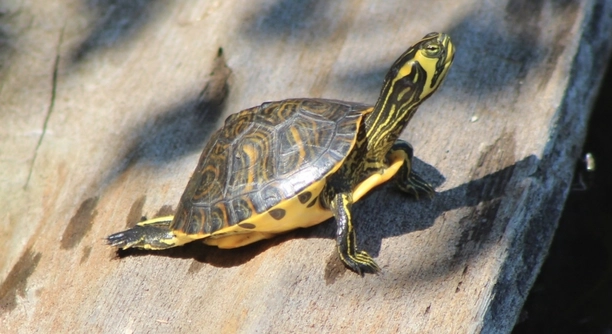
Maintaining a clear tank for your yellow-bellied slider is essential for their health and happiness. Cloudy water can affect their well-being, so understanding the basics of water maintenance is crucial for their long-term care.
To keep the water crystal clear, regular water changes, proper filtration, and avoiding overfeeding are key steps. Additionally, monitoring water parameters like pH, temperature, and ammonia levels can prevent cloudy water and harmful bacteria growth.
The following tricks will help you ensure your yellow-bellied slider’s tank remains clean, healthy, and inviting for your pet. With the right approach, you’ll be able to maintain a pristine aquatic environment.
1. Regular Water Changes Are Essential
Changing the water in your tank regularly is one of the easiest and most effective ways to keep it clear. Over time, waste, uneaten food, and algae can build up in the water, leading to cloudy conditions. When you perform water changes, it helps remove these impurities, keeping the water fresh and clear. A good rule of thumb is to change 25% of the water every week. This prevents the tank from becoming too dirty and reduces the likelihood of harmful bacteria growing.
It’s important to use dechlorinated water when replacing the old water. Chlorine can harm both the sliders and the beneficial bacteria in your filter, which play a key role in breaking down waste.
Having a consistent water change schedule not only improves clarity but also promotes a healthier environment. By keeping the water fresh, you can reduce stress on your turtle and prevent many common health problems caused by dirty water. You’ll soon notice the difference, and your turtle will appreciate it.
2. Invest in a Good Filtration System
Having an efficient filter is crucial for maintaining a clean tank.
A high-quality filter helps remove debris and toxins, ensuring the water remains clear and safe for your yellow-bellied slider. A filter with both mechanical and biological filtration capabilities will give the best results.
A good filter will trap floating particles while also breaking down waste through beneficial bacteria. It’s essential to choose a filter that can handle the size of your tank. A filter that’s too small won’t clean the water properly, and one that’s too large can cause unnecessary turbulence. Regularly cleaning and replacing filter media ensures its efficiency and keeps the water clear. A filter can handle much of the work on its own, but you still need to be diligent about water changes and monitoring the tank’s condition. This combination will create a stable, clean habitat for your slider to thrive in.
3. Avoid Overfeeding Your Slider
Overfeeding can quickly cloud the water in your tank. Leftover food decays, raising the nutrient levels and causing algae growth. Stick to feeding your yellow-bellied slider only as much as they can eat in 10 to 15 minutes.
Feed your turtle in a separate container if possible. This will help prevent food from sinking into the substrate, where it can decompose and affect water quality. It also allows you to monitor how much food they’re consuming. If you notice uneaten food after feeding, remove it promptly to avoid pollution.
Monitoring their eating habits and adjusting portion sizes can make a huge difference in keeping the water clean. Overfeeding can also lead to health problems for your turtle, so managing their diet carefully will benefit both their well-being and the clarity of the tank water. It’s a small change that pays off in keeping the tank healthier for longer.
4. Keep the Tank Well-Filtered and Aerated
Proper aeration is key to maintaining a healthy tank environment.
Oxygen-rich water is beneficial for both your slider and the beneficial bacteria that help break down waste. Without proper oxygen flow, harmful bacteria can thrive and cause murky water. An air pump can help ensure that the water is well-aerated.
Along with the filtration system, an air pump helps keep the water moving, preventing stagnant areas where algae and debris can accumulate. Using both a filter and an air pump provides your tank with adequate circulation, which reduces the chances of water contamination. Aeration also promotes overall water quality, which directly contributes to the health of your yellow-bellied slider. Keep the water moving and oxygenated, and your tank will stay in top condition.
5. Use a Substrate That Reduces Debris
Choosing the right substrate can help keep your tank clean. Gravel or smooth river rocks are ideal because they prevent small debris from settling and becoming trapped. Avoid sand, as it can create a breeding ground for waste.
Gravel is easier to clean and helps maintain better water circulation. It also gives your slider a more natural environment, which is beneficial for their overall well-being. Regular cleaning of the substrate is necessary, but having the right material will make this process easier and more effective.
6. Remove Algae Regularly
Algae buildup can make your tank look cloudy and unsightly.
Regularly scrub the tank’s glass and remove any visible algae from the decorations. Algae can grow quickly if excess light or nutrients are available, so keeping it in check will prevent it from taking over.
Using an algae scraper for the glass and a toothbrush for hard-to-reach areas can help you remove it without damaging the surfaces. For tanks with excessive algae growth, consider adding algae-eating species, such as certain snails, to naturally control it. Staying on top of algae removal ensures your slider’s tank stays visually appealing and clean.
FAQ
How often should I change the water in my yellow-bellied slider’s tank?
Water changes are crucial for maintaining water quality. It’s best to change 25% of the water every week. If the tank is heavily stocked or has a lot of waste, you may need to change the water more frequently. Keeping the water fresh is key to preventing the growth of harmful bacteria and algae.
What’s the best filter for a yellow-bellied slider tank?
A filter with both mechanical and biological filtration is ideal. It should be able to handle at least twice the volume of your tank per hour. For example, if you have a 50-gallon tank, look for a filter rated for at least 100 gallons per hour. This ensures proper filtration, keeping the water clear and healthy for your slider.
Can I use tap water for my slider’s tank?
Tap water can be used, but you must treat it first. Most tap water contains chlorine or chloramine, which can harm your turtle. You should use a water conditioner to remove these chemicals before adding the water to the tank. It’s also helpful to check the pH and temperature to ensure they are within the ideal range for your slider.
Is it okay to keep my yellow-bellied slider with other fish?
It depends. Yellow-bellied sliders are omnivores and may chase or even eat smaller fish. If you choose to add fish, make sure they are large enough to avoid becoming prey. Additionally, keep in mind that turtles often stir up the substrate, which could harm delicate fish. Regular monitoring is necessary to ensure the safety and well-being of both the turtle and any fish.
How do I prevent algae from growing in my tank?
Algae thrive in tanks with excess light and nutrients. To prevent it, reduce the amount of light your tank receives, ideally no more than 10 to 12 hours per day. You can also reduce algae growth by removing excess food and waste, as they provide nutrients for algae. Using an algae scraper to clean the walls and decorations regularly will help keep algae under control.
Can I put plants in my yellow-bellied slider’s tank?
Yes, live plants can be a great addition to your turtle’s tank. They provide hiding spots and help improve water quality by absorbing excess nutrients. However, your yellow-bellied slider might nibble on or uproot the plants, so choose sturdy, hardy plants. Popular options include Anubias, Java fern, and Amazon swords.
What is the ideal water temperature for a yellow-bellied slider tank?
Yellow-bellied sliders thrive in warm water. The ideal water temperature is between 75°F and 85°F (24°C to 29°C). If the water is too cold, it can slow down their digestion and immune system, while water that’s too hot can cause stress. A reliable aquarium heater will help maintain a stable temperature.
How do I maintain proper water pH for my slider’s tank?
The ideal pH for a yellow-bellied slider tank is between 6.5 and 7.5. You can test the pH regularly with a simple test kit available at most pet stores. If the pH is too low or too high, you can adjust it using pH-adjusting products. However, it’s important to make gradual changes to avoid stressing your turtle.
Should I use a tank cover for my yellow-bellied slider’s tank?
A tank cover is highly recommended for several reasons. It helps keep the water temperature stable by reducing evaporation and prevents your turtle from escaping. Yellow-bellied sliders are good climbers and may attempt to climb out of the tank if they feel the need. A secure cover will keep your turtle safe and prevent messes outside the tank.
How can I tell if the water quality is affecting my yellow-bellied slider?
If your turtle is frequently hiding, not eating, or showing signs of lethargy, the water quality may be an issue. Cloudy water, excessive algae, or a noticeable smell are also signs of poor water quality. Monitoring the water parameters such as ammonia, nitrite, and nitrate levels will give you a better idea of whether the water is suitable for your slider. Regular water testing and maintenance are key to preventing health problems.
How can I deal with cloudy water?
Cloudy water is often caused by excess waste or algae. Start by checking the filtration system to ensure it’s working properly. If necessary, clean or replace the filter media. Remove any visible debris from the tank and perform a partial water change. In some cases, using an aquarium water clarifier can help clear up cloudy water by binding particles together for easier filtration.
What kind of lighting does my yellow-bellied slider need?
Your slider needs both UVB and UVA lighting. UVB lighting is essential for proper calcium metabolism and shell health, while UVA provides a natural day-night cycle, which is important for their behavior. Aim for around 10-12 hours of light per day, and make sure the bulb is replaced every 6 months for optimal performance.
Final Thoughts
Keeping your yellow-bellied slider’s tank water clear and healthy requires regular maintenance and attention to detail. By implementing basic practices such as regular water changes, proper filtration, and controlling feeding habits, you can create an environment that supports both the health of your slider and the clarity of the water. The process may take some effort, but it’s well worth it for the well-being of your turtle and the beauty of its habitat.
It’s important to remember that no single trick will ensure a crystal-clear tank on its own. Instead, a combination of strategies works best. Ensure your filter is appropriate for the tank size, keep the substrate clean, and remove waste promptly. Regular monitoring of water parameters, such as temperature and pH, can help catch any issues before they become significant problems. With consistent care, you can prevent many common water quality issues.
Lastly, it’s essential to create a balanced, stress-free environment for your slider. Proper tank setup, including the right lighting, temperature, and water conditions, will support your turtle’s health and behavior. Keeping a watchful eye on the tank’s condition will help prevent problems and ensure your yellow-bellied slider thrives in its clean, healthy home. Maintaining clear water isn’t a quick fix, but with dedication and the right practices, you can achieve long-term success.

Hello,
If you enjoy the content that we create, please consider saying a "Thank You!" by leaving a tip.
Every little bit helps us continue crafting quality advice that supports the health, happiness, and well-being of pets around the world, for pets of all shapes, sizes, and species.
We really appreciate the kindness and support that you show us!