
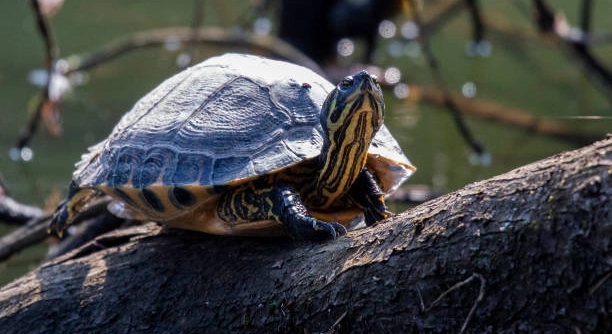
Yellow-Bellied Sliders are fascinating creatures with unique dietary needs. As owners, understanding what foods are safe for them is essential for their health. One food item you might wonder about is basil, commonly found in many kitchens.
Yellow-Bellied Sliders can eat basil in moderation. While basil is not toxic to them, it should only be offered occasionally as part of a balanced diet. Too much basil may cause digestive issues, so it is best to keep it limited.
Basil, when provided in small amounts, can be a healthy treat. It is important to ensure variety in their diet for proper nutrition.
Benefits of Basil for Yellow-Bellied Sliders
Basil contains various nutrients that can benefit Yellow-Bellied Sliders. It is rich in antioxidants, vitamins, and minerals like calcium, magnesium, and potassium. These nutrients support their overall health, especially for their immune system and bone development. The presence of antioxidants in basil can help combat free radicals, supporting their general well-being. Additionally, basil contains essential oils that may assist in digestion when offered in small quantities.
Despite the nutritional benefits, basil should only be used occasionally. Too much basil can lead to minor digestive upset or even cause kidney stress due to the high oxalate content. This can affect their health negatively in the long run. It’s important to balance basil with other foods like leafy greens and aquatic plants, ensuring a variety of nutrients. By offering basil in moderation, you can enhance their diet without causing any harm.
Basil may also act as a natural repellent to some pests. In the wild, it could help with certain parasites, though this is not a primary reason to feed it to your pet. When feeding your turtle basil, make sure it is fresh and thoroughly washed to remove pesticides or harmful chemicals. Never give your slider dried basil, as it lacks the moisture and nutrients found in fresh leaves.
How to Feed Basil to Your Yellow-Bellied Slider
While basil offers some health benefits, it is essential to feed it the right way. First, always offer basil fresh and in moderation. A few leaves every week are enough to provide nutrients without overloading their digestive system. Fresh basil can be cut into small pieces for easier consumption. Avoid offering basil as a primary food source and instead offer it alongside other leafy greens and water plants that make up the majority of their diet. Additionally, wash the basil thoroughly to ensure no pesticides are present.
Basil can be a fun treat that adds variety to their diet, but balance is key.
Possible Risks of Feeding Basil to Yellow-Bellied Sliders
Feeding too much basil to your Yellow-Bellied Slider can cause digestive issues. Basil contains oxalates, which can contribute to kidney problems if consumed excessively. When offered in large amounts, basil may also interfere with calcium absorption, which is critical for their bone health.
Although basil is not toxic, moderation is important. Offering it as an occasional treat rather than a staple helps prevent health complications. Overconsumption of high-oxalate foods can lead to the formation of kidney stones or urinary issues. Balance basil with other more suitable foods like dark leafy greens for better nutritional support.
It’s important to monitor your slider after feeding basil for the first time. Watch for any signs of discomfort, such as lethargy, bloating, or changes in their eating habits. If any of these symptoms appear, reduce or eliminate basil from their diet. Staying aware of how they react will help ensure their diet remains safe and beneficial.
Alternative Foods for Yellow-Bellied Sliders
There are plenty of other safe and nutritious foods that Yellow-Bellied Sliders enjoy. Leafy greens such as romaine lettuce, dandelion greens, and collard greens provide a healthy base for their diet. These greens are rich in vitamins and minerals essential for their health, especially calcium for shell development.
In addition to leafy greens, Yellow-Bellied Sliders can eat vegetables like carrots, squash, and bell peppers. These vegetables provide vital nutrients and fiber for proper digestion. They can also enjoy occasional fruits like strawberries or blueberries in small portions. While fruits should not be the main part of their diet, they offer a tasty treat now and then.
How to Introduce Basil to Your Yellow-Bellied Slider’s Diet
When introducing basil, start with small amounts. Offer one or two leaves at a time and observe their response. If they eat it without any issues, you can gradually increase the amount. Always ensure the basil is fresh and thoroughly washed to remove any pesticides.
Be mindful of how often you offer basil. Keep it as an occasional treat rather than a regular part of their diet. This helps avoid any potential negative effects on their health. If they seem to enjoy it, you can give it to them once a week or less.
Monitoring Your Slider’s Health After Feeding Basil
It’s important to keep an eye on your slider after offering basil, especially when trying it for the first time. Watch for any signs of digestive discomfort, such as bloating, changes in behavior, or lack of appetite. These could indicate that basil isn’t agreeing with them.
If there are no signs of discomfort, basil can be offered safely. Just remember that variety is key. Always ensure that their primary food source is well-balanced and that basil remains a minor part of their diet. This ensures they get the best nutrition possible.
FAQ
Can Yellow-Bellied Sliders eat basil every day?
No, Yellow-Bellied Sliders should not eat basil every day. Basil contains high levels of oxalates, which can interfere with calcium absorption and potentially lead to kidney problems. Offering basil in moderation, such as once a week, is best. Their diet should consist mostly of leafy greens, aquatic plants, and vegetables.
Is basil toxic to Yellow-Bellied Sliders?
Basil is not toxic to Yellow-Bellied Sliders. It is safe for them to eat in small amounts. However, feeding too much basil can cause digestive upset or kidney stress due to its oxalate content. Always provide it as an occasional treat rather than a main food source.
What are the best foods for Yellow-Bellied Sliders?
The best foods for Yellow-Bellied Sliders include a variety of leafy greens, such as romaine lettuce, dandelion greens, and collard greens. Vegetables like squash, carrots, and bell peppers are also good options. Additionally, they can eat occasional fruits like strawberries and blueberries, but these should be limited due to sugar content.
Can Yellow-Bellied Sliders eat basil with other greens?
Yes, Yellow-Bellied Sliders can eat basil with other greens. Combining basil with more nutritious greens, like kale or collard greens, is fine. This adds variety to their diet while keeping the basil in moderation. Avoid making basil the main part of their meals, as it doesn’t offer all the necessary nutrients.
Can Yellow-Bellied Sliders eat basil stems?
Yes, Yellow-Bellied Sliders can eat basil stems in small amounts. The stems are not toxic, but they are tougher than the leaves. If your slider eats them, make sure they are cut into small, manageable pieces to avoid any potential choking hazards or difficulty in digesting.
How much basil should I feed my Yellow-Bellied Slider?
Feed your Yellow-Bellied Slider only one or two basil leaves at a time. This ensures they get a small amount of nutrients without overloading their system with oxalates. Once a week is sufficient to provide some variety in their diet. It should not replace their primary food sources.
What happens if a Yellow-Bellied Slider eats too much basil?
If a Yellow-Bellied Slider eats too much basil, they may experience digestive discomfort, such as bloating or a loss of appetite. Long-term overconsumption of high-oxalate foods like basil can lead to kidney problems or difficulties in calcium absorption, which is essential for their shell health and overall development.
Can Yellow-Bellied Sliders eat other herbs?
Yellow-Bellied Sliders can eat other herbs in moderation, including cilantro, parsley, and mint. These herbs provide a bit of variety and some nutrients. However, like basil, they should only be offered occasionally and in small amounts. Some herbs, like oregano, should be avoided due to strong flavors and oils that may upset their stomachs.
How often should I change the food for my Yellow-Bellied Slider?
You should change the food for your Yellow-Bellied Slider every day to ensure freshness. If they don’t finish their food within a few hours, remove any uneaten portions to prevent contamination. This will also encourage them to eat a balanced diet and prevent any uneaten food from spoiling in the tank.
Can I feed my Yellow-Bellied Slider basil from my garden?
If you are growing basil in your garden, you can feed it to your Yellow-Bellied Slider as long as you ensure it’s free from pesticides and chemicals. Always wash the basil thoroughly before feeding it to avoid any harmful residues. Growing your own herbs is a great way to offer your slider fresh, safe food.
Final Thoughts
Feeding Yellow-Bellied Sliders basil can be a safe and enjoyable treat when given in moderation. While basil is not toxic, it contains oxalates, which can cause health issues if consumed in large amounts over time. This is why it’s important to offer basil occasionally and not as a daily staple in their diet. By providing a variety of other foods, like leafy greens and vegetables, you can ensure that your slider receives the best nutrition to maintain their health.
When adding new foods to your slider’s diet, always start with small portions and observe any changes in their behavior or digestion. Monitoring how your turtle reacts after eating basil or any new food is key to avoiding potential health problems. If your slider shows signs of discomfort, such as bloating or lethargy, reduce or eliminate that food from their diet. A balanced diet, with a mix of different greens and vegetables, will help your slider stay healthy and active.
Ultimately, the key is moderation. Basil can be a healthy addition to your Yellow-Bellied Slider’s diet if given occasionally, along with a variety of other foods. Keeping their meals diverse and nutritious ensures they get the essential vitamins and minerals they need for strong bones, a healthy shell, and overall well-being. By understanding what foods are safe and how much to offer, you can provide a balanced diet that supports their health for years to come.

Hello,
If you enjoy the content that we create, please consider saying a "Thank You!" by leaving a tip.
Every little bit helps us continue crafting quality advice that supports the health, happiness, and well-being of pets around the world, for pets of all shapes, sizes, and species.
We really appreciate the kindness and support that you show us!