
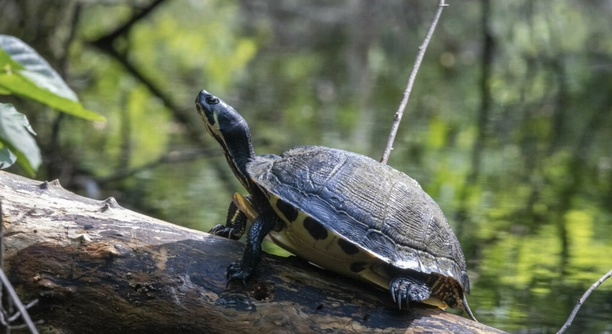
A yellow-bellied slider is a popular pet, known for its calm nature and swimming abilities. However, if your slider struggles in the water, it can be concerning. Understanding the possible causes is key to helping your turtle thrive.
The most common reason your yellow-bellied slider may have trouble swimming is an imbalance in buoyancy, which can stem from a variety of factors. These include health issues, water temperature, diet, or improper tank conditions that affect its ability to float or swim effectively.
The good news is that by addressing these factors, you can help your slider swim with ease. Understanding the root causes of swimming problems is important for the well-being of your turtle.
Possible Health Issues Affecting Swimming
Health problems are one of the most common reasons a yellow-bellied slider struggles to swim properly. If your turtle has difficulty staying afloat or swimming, it could be due to an infection, injury, or a more serious internal issue. Common health problems like shell rot or respiratory infections can affect buoyancy. Additionally, parasites or metabolic disorders might lead to an imbalance in body composition, making it harder for your turtle to swim.
If you notice any unusual behavior like lethargy or loss of appetite, it’s important to consult a vet. These signs could indicate a more serious underlying condition that needs treatment. Turtles are also susceptible to vitamin and mineral deficiencies, which can affect their overall health and ability to swim. For example, a lack of calcium can lead to soft shells and weakened bones, making swimming difficult.
A vet visit will help determine whether an infection, injury, or other health issue is affecting your turtle. Proper treatment and care are crucial for getting your slider back to its active self.
Water Temperature Matters
Temperature is essential for a turtle’s overall well-being. If the water is too cold or too hot, it can cause stress and impact swimming abilities. A stable, warm environment is necessary for your slider to remain healthy.
Inconsistent water temperatures can make your slider lethargic, and they may struggle to stay afloat if they become too cold. The ideal water temperature for a yellow-bellied slider is between 75°F and 80°F (24°C to 27°C). Providing a heat source like a water heater will help maintain the right conditions for swimming and digestion.
Diet and Nutrition
A balanced diet is essential for your yellow-bellied slider’s health. Poor nutrition can cause weak muscles, affecting their swimming abilities. An improper diet may also lead to an imbalance in buoyancy. Feeding your turtle a mix of commercial pellets, leafy greens, and protein sources like small fish can ensure they stay healthy and strong.
Inadequate calcium, for instance, can weaken bones, and an imbalance in vitamins can affect overall energy. If your slider isn’t getting the right nutrients, it may become sluggish or unable to swim well. It’s important to provide a varied diet that mirrors what they would eat in the wild, promoting muscle strength and better buoyancy.
Offering a variety of foods, along with proper calcium and vitamin D supplements, is crucial. In some cases, adding specific nutrients to their diet can help improve their swimming. Make sure to adjust your turtle’s diet based on age and activity level to support proper growth and swimming function.
Tank Conditions and Setup
The tank environment plays a key role in your slider’s swimming ability. If the tank is too small or lacks proper filtration, it can cause stress, making swimming more difficult. Your turtle needs a spacious tank with clean, filtered water to thrive.
A dirty tank can lead to bacterial growth, causing skin issues and discomfort for your slider. If your tank setup is inadequate, your turtle might not have the energy to swim properly. Regular water changes and proper filtration will ensure a healthy environment. Providing a basking area with a heat source is also important for their overall well-being.
Having a well-maintained tank setup also helps maintain proper water temperature and clarity, which are essential for comfortable swimming. Keep your slider’s tank clean and free of waste, ensuring the water remains inviting and balanced.
Overweight or Obesity
Obesity can lead to a yellow-bellied slider having difficulty swimming. Excess weight affects buoyancy, making it harder for your turtle to float and move through the water efficiently. This issue often arises from overfeeding or an improper diet.
If your slider is overweight, adjusting their diet and portion sizes can help. Ensure they are getting the right balance of protein and veggies to maintain a healthy weight. Overweight turtles may also need more physical activity to stay fit. Providing them with a larger swimming area can encourage natural movement and exercise.
Shell Problems
A damaged shell can significantly impact your slider’s ability to swim. A cracked or soft shell can affect their buoyancy, as they may have trouble keeping their body afloat. Shell health is vital for swimming.
Regularly checking your turtle’s shell for any signs of damage is important. A healthy, hard shell allows them to maintain proper buoyancy and swim without difficulty. If there are cracks or soft spots, it’s essential to treat them immediately, as untreated damage can lead to more serious health issues.
Inadequate Lighting
Turtles need adequate lighting for both their physical health and energy levels. Without proper UVB lighting, they may not absorb calcium effectively, which can lead to weakened bones and muscles. This affects their ability to swim.
Make sure your slider has access to a UVB light source, as well as a basking area where they can warm up. A lack of exposure to UVB light can also cause lethargy, making it harder for them to be active in the water. Ensure that your turtle gets the necessary exposure to keep their bones strong and swimming efficiently.
FAQ
Why is my yellow-bellied slider not swimming properly?
There could be multiple reasons why your yellow-bellied slider is struggling to swim. Common issues include health problems, improper diet, incorrect water temperature, or an inadequate tank setup. Health conditions like respiratory infections, shell rot, or parasites can affect buoyancy and swimming ability. Additionally, an improper diet that lacks calcium or vital nutrients may weaken muscles, making swimming difficult. If the water temperature is too cold or too hot, your turtle may become sluggish and have trouble moving. Finally, a small or dirty tank can cause stress, limiting your turtle’s ability to swim effectively.
How can I tell if my slider is overweight?
You can tell if your yellow-bellied slider is overweight by checking its body shape. If the shell appears rounded and the turtle’s limbs are short or thick, it could be a sign of excess weight. Overweight turtles may also have difficulty swimming, as the added weight makes it harder for them to stay afloat. You may also notice that your turtle is less active than usual or seems reluctant to swim. Reducing the amount of food and offering more varied and healthy options can help manage their weight.
What should I feed my yellow-bellied slider to keep it healthy?
A balanced diet for your yellow-bellied slider should include a mix of high-quality pellets, fresh vegetables, and protein. Leafy greens like kale, collard greens, and dandelion greens should make up a significant portion of their diet. Protein sources like crickets, worms, or small fish are also important, but should be given in moderation. It’s essential to provide a calcium supplement to maintain healthy bones and a strong shell. You should also avoid overfeeding them, as excess food can lead to obesity and other health issues.
How can I maintain proper water temperature for my turtle?
Maintaining the right water temperature is crucial for your yellow-bellied slider’s health and swimming ability. The ideal water temperature is between 75°F and 80°F (24°C to 27°C). To maintain this, use a reliable aquarium heater. Make sure to regularly check the water temperature with a thermometer, as it can fluctuate if the heater isn’t functioning properly. In addition, your slider should have access to a basking area with a heat lamp. This provides them with the right conditions to regulate their body temperature and stay active.
How do I know if my slider has a shell injury?
You should inspect your yellow-bellied slider’s shell regularly for signs of cracks, softness, or discoloration. A healthy shell is hard and smooth. If you notice any soft spots or cracks, it could be a sign of damage. Shell injuries may occur due to falls, rough handling, or improper tank conditions. If you notice any unusual bumps, cracks, or holes, it’s best to take your slider to the vet for treatment. A damaged shell can affect buoyancy and make swimming difficult, so prompt care is necessary.
Can I add more turtles to my tank if my slider is having trouble swimming?
Adding more turtles to a tank can cause stress, especially if the current environment is already not ideal for your slider. Overcrowding can lead to competition for food and space, increasing stress levels and reducing swimming opportunities. It’s best to ensure that the current tank setup is suitable for your slider before introducing another turtle. If your turtle is having trouble swimming, focus on improving the environment first, such as adjusting water temperature, diet, and tank size.
How often should I clean my slider’s tank?
You should clean your yellow-bellied slider’s tank at least once a week. However, the frequency may vary depending on the size of the tank, the number of turtles, and the quality of the filtration system. Remove any uneaten food, waste, and debris daily to prevent harmful bacteria from building up. A regular cleaning schedule ensures that the water remains clean and your turtle stays healthy. Be sure to also clean the filter regularly and change the water as needed to maintain a healthy environment.
Why does my slider bask all the time?
Basking is a natural behavior for yellow-bellied sliders, and it’s necessary for their health. Turtles bask to regulate their body temperature, dry out their shells, and absorb UVB light for vitamin D synthesis. If your slider is basking frequently, it might be adjusting its body temperature or soaking in UVB rays to support calcium absorption and overall health. However, if the basking behavior seems excessive or is accompanied by a lack of appetite or abnormal swimming, it could signal a health issue.
How can I improve my turtle’s swimming ability?
To improve your turtle’s swimming ability, ensure that the water temperature is in the ideal range, maintain a clean tank, and provide a varied and balanced diet. If your slider is overweight, reduce food portions and focus on providing healthy options to help with buoyancy. You can also create a larger swimming area for them to encourage movement. Additionally, make sure your turtle is not suffering from any health issues that could affect its swimming, such as shell damage or an infection. Regular vet visits can help address underlying health concerns.
Can poor lighting affect my slider’s swimming?
Yes, poor lighting can affect your yellow-bellied slider’s swimming. Without adequate UVB lighting, your slider may have trouble absorbing calcium, which is essential for strong bones and proper buoyancy. Weak bones and muscles can make swimming more difficult. Ensure that your turtle has access to both UVB lighting and a basking area to maintain proper health. If your turtle is not getting enough exposure to UVB rays, it may become lethargic and struggle with swimming. Regular exposure to the right type of lighting is crucial for maintaining your slider’s energy levels and swimming abilities.
Final Thoughts
Understanding why your yellow-bellied slider is having trouble swimming can help you address the issue quickly and effectively. There are various factors that can contribute to swimming difficulties, including obesity, shell problems, improper lighting, and poor water conditions. By closely monitoring your turtle’s health and environment, you can identify potential issues and take the necessary steps to improve their swimming ability. Whether it’s adjusting the water temperature, changing the diet, or providing better lighting, small changes can make a big difference in your turtle’s well-being.
Regular care and attention are key to preventing swimming issues in the future. Ensuring your slider has a proper diet, a clean and spacious tank, and access to a healthy basking area are all essential elements for maintaining good health. Consistent checkups on your turtle’s shell, weight, and overall behavior will help catch problems early on. If you notice any signs of illness or unusual behavior, seeking advice from a veterinarian can help address underlying health concerns before they become more serious.
While it can be concerning when your yellow-bellied slider struggles with swimming, it’s important to stay calm and act quickly. Many of the common causes can be fixed with simple adjustments to their environment or diet. By taking the right steps, you can help your turtle stay healthy, active, and happy in the water. Regular monitoring and care are the best ways to ensure your slider will be swimming with ease for years to come.

Hello,
If you enjoy the content that we create, please consider saying a "Thank You!" by leaving a tip.
Every little bit helps us continue crafting quality advice that supports the health, happiness, and well-being of pets around the world, for pets of all shapes, sizes, and species.
We really appreciate the kindness and support that you show us!