
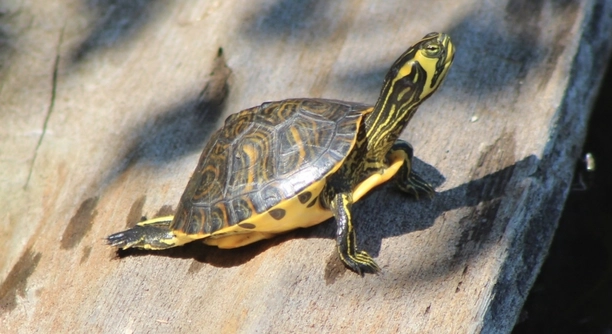
Yellow-bellied sliders are fascinating reptiles known for their vibrant colors and distinctive shells. However, shell cracking can be a concern, affecting their overall health and well-being. Proper care can prevent such issues, ensuring they thrive.
To prevent shell cracking in yellow-bellied sliders, maintaining proper humidity, temperature, and diet is crucial. A suitable habitat, along with the right calcium levels, helps strengthen the shell and prevent damage. Regular basking is essential for shell health.
Understanding these factors can help you protect your yellow-bellied slider from shell cracking and maintain a healthy environment for them.
Maintaining the Right Humidity and Temperature
Keeping your yellow-bellied slider’s environment stable is essential to their overall well-being. A consistent temperature range of 75-85°F is ideal for their habitat, with a basking area around 90-95°F. Without the right warmth, their bodies won’t function properly, leading to potential health issues, including shell cracking. A good rule of thumb is to avoid fluctuating temperatures that could stress your slider.
Humidity levels are equally important. These turtles need a relatively humid environment, with around 60-80% humidity. Insufficient humidity can lead to dehydration, which weakens their shells, making them more prone to cracking. Using a humidity gauge in their tank can help you maintain the right balance.
In addition to keeping the humidity and temperature in check, make sure your slider has access to both dry and wet areas in the tank. These spaces allow them to bask and soak, which is essential for their health. Regular monitoring can help prevent shell damage due to environmental stress.
Providing a Proper Diet
A healthy, well-rounded diet is vital for maintaining your yellow-bellied slider’s shell integrity. A balanced mix of leafy greens, vegetables, and occasional protein ensures they get the necessary vitamins and minerals to stay strong.
Ensure your turtle gets enough calcium in its diet. Without adequate calcium, their shells can become brittle and prone to cracking. Supplementing their food with calcium-rich items like collard greens, kale, and even calcium powder can help strengthen their shells over time.
Proper Lighting
Proper lighting is essential for your yellow-bellied slider’s overall health, including shell strength. UVB light is crucial for calcium metabolism and shell development. Ensure that your slider has access to direct UVB light for around 10-12 hours daily to promote proper calcium absorption.
UVB light helps prevent metabolic bone disease and keeps the shell from becoming soft and brittle. Without it, your slider may have difficulty absorbing calcium from their diet, weakening their shell. Additionally, it’s important to change the UVB bulb regularly, as its effectiveness diminishes over time, even if the light still appears bright.
To complement the UVB light, provide your slider with access to natural sunlight whenever possible. This helps mimic their natural environment and ensures they get the full benefits of UV exposure. Regular exposure to UVB light is a key component of shell health.
Avoiding Physical Trauma
Accidental bumps or falls can result in shell damage that may lead to cracks. Providing a safe and stable environment is critical to avoiding physical trauma. Remove any objects in their enclosure that could cause harm or stress.
Sometimes, handling your yellow-bellied slider can cause unintended injury. Be sure to handle them gently, supporting their body evenly. Avoid dropping them, as even a minor fall can create a fracture or crack. Additionally, when setting up their tank, avoid sharp or heavy objects that could cause harm if your slider bumps into them.
Keeping Their Shell Clean
Regularly cleaning your yellow-bellied slider’s shell helps prevent bacteria buildup, which can lead to infections or weaken the shell. Gently clean the shell with warm water and a soft brush to remove any dirt or algae.
Be cautious when cleaning the shell to avoid causing injury. Never scrub too hard, as this can damage the shell or cause stress. It’s important to keep the shell clean to support healthy growth and prevent unnecessary cracking.
Monitoring for Signs of Stress
Stress can contribute to poor shell health. Watch for signs like excessive hiding, lack of appetite, or abnormal behavior. These could be indications that something is wrong with their environment or health.
Constant stress can affect your slider’s immune system, weakening their ability to maintain a healthy shell. If you notice any concerning behaviors, address the potential cause of stress. A calm, stable environment promotes a strong, healthy shell.
FAQ
How can I tell if my yellow-bellied slider’s shell is cracking?
Cracks in the shell are often visible as small lines or breaks, usually on the top or sides. If you notice discoloration, soft spots, or flaking along with cracks, it’s a sign the shell may be compromised. Inspect your slider regularly for any physical damage.
What causes a yellow-bellied slider’s shell to crack?
Shell cracking can happen due to several factors, including poor diet, lack of proper UVB lighting, physical trauma, or environmental stress. Inadequate calcium levels, improper humidity, and temperature can also weaken the shell, making it more prone to cracking.
How can I prevent my slider’s shell from cracking?
Providing a balanced diet with adequate calcium, maintaining proper humidity and temperature, and ensuring they get enough UVB light are key to preventing shell damage. Regular cleaning and avoiding physical stress also help maintain a healthy shell.
Can a cracked shell heal on its own?
In most cases, a cracked shell will not heal on its own and may require medical intervention. Minor cracks may heal if caught early, but deeper cracks could cause infection and require veterinary care. Always seek advice from a reptile vet.
How do I maintain proper UVB lighting for my yellow-bellied slider?
Ensure your slider has access to UVB light for 10-12 hours a day, and position the light 6-12 inches above the basking area. Replace the UVB bulb every 6 months, as its effectiveness decreases over time, even if the light still works.
What can I do if my yellow-bellied slider is stressed?
Stress can result from improper tank conditions, handling, or environmental changes. Try adjusting the temperature, humidity, and lighting to make their environment more comfortable. Ensure your slider has a hiding spot and minimize excessive handling to reduce stress.
How often should I clean my slider’s shell?
It’s best to clean your slider’s shell once a week. Use warm water and a soft brush to gently remove dirt and algae buildup. Be careful not to scrub too hard, as this could damage their shell or cause stress.
How can I improve my slider’s diet to prevent shell damage?
Feed your yellow-bellied slider a varied diet of leafy greens, vegetables, and occasional protein. Calcium-rich foods, such as kale, collard greens, and calcium supplements, are crucial for maintaining a strong shell. Avoid feeding them too much protein, as it can lead to imbalance.
What are signs that my slider has metabolic bone disease?
Symptoms of metabolic bone disease include a soft, deformed shell, difficulty moving, and lethargy. If your slider shows these signs, it may be lacking in calcium or UVB light, and you should consult a vet immediately for treatment options.
Can physical trauma cause long-term shell damage?
Yes, physical trauma such as falls or sharp objects in their environment can cause long-term damage to the shell. Even minor injuries may result in infections or permanent deformations. Always ensure your slider’s tank is free of hazardous objects.
How do I provide the right humidity for my yellow-bellied slider?
Maintain humidity levels between 60-80% in their tank. You can achieve this by misting the tank daily, using a humidifier, or placing a shallow water dish for your slider to soak in. A humidity gauge can help you monitor the levels.
What type of substrate is best for my slider’s tank?
Use a substrate like river rocks, large gravel, or a non-abrasive material. Avoid sand or small gravel, as they can be ingested and cause digestive issues. Keep the substrate clean to prevent bacteria buildup.
Can I use a regular light bulb for UVB light?
No, a regular light bulb does not provide UVB rays. Invest in a proper UVB bulb, which is specifically designed to emit the necessary light wavelengths for calcium absorption. This is essential for maintaining a healthy shell and overall health.
Is it normal for a yellow-bellied slider’s shell to change color?
Yes, shell color can change due to age, diet, or environmental factors. However, drastic color changes, such as yellowing or darkening, could indicate health issues. If you notice unusual changes, consult a vet for advice.
How do I prevent shell rot in my yellow-bellied slider?
Shell rot is often caused by bacteria or fungi entering the shell through cracks or injuries. Keep your slider’s shell clean, dry, and free of infections by ensuring proper habitat conditions and handling with care. Regularly check for any damage or infections.
Can overfeeding cause shell problems in yellow-bellied sliders?
Yes, overfeeding can lead to obesity and health issues, which can affect the shell. A poor diet or overeating may also cause calcium imbalances that weaken the shell. Stick to recommended feeding guidelines for healthy growth and shell maintenance.
Is it safe to let my yellow-bellied slider swim in deep water?
Yellow-bellied sliders enjoy swimming and can tolerate deep water, but they need a spot to rest and bask. Ensure their tank has a shallow area where they can easily climb out and bask to maintain their health.
What is the best tank size for a yellow-bellied slider?
A tank size of at least 40 gallons is recommended for one adult yellow-bellied slider. Larger tanks provide more space for swimming, basking, and maintaining clean water, which is vital for their overall well-being and shell health.
Final Thoughts
Taking care of a yellow-bellied slider involves paying attention to both their physical health and environment. A balanced diet, proper lighting, and the right tank conditions are essential to prevent shell cracking and other health issues. When their needs are met, these turtles can live a long and healthy life. Shell health is directly tied to their overall well-being, so keeping an eye on their diet, habitat, and any signs of stress will ensure they stay strong and active.
While most shell issues can be prevented with proper care, it’s important to understand the potential risks and signs of problems. Regular check-ups, cleaning, and monitoring their environment are key to spotting any early signs of shell damage or infection. If you notice any cracks, soft spots, or discoloration, addressing the problem quickly can help prevent further complications. Consulting a vet when needed is always the best option to ensure your slider’s health is properly managed.
In conclusion, preventing yellow-bellied slider shell cracking is about creating a safe, comfortable, and healthy environment for them to thrive in. Keeping their tank clean, their diet balanced, and their stress levels low are all essential to maintaining a strong shell. With regular care and attention, your slider will be able to enjoy a long, healthy life with minimal shell issues.

Hello,
If you enjoy the content that we create, please consider saying a "Thank You!" by leaving a tip.
Every little bit helps us continue crafting quality advice that supports the health, happiness, and well-being of pets around the world, for pets of all shapes, sizes, and species.
We really appreciate the kindness and support that you show us!