
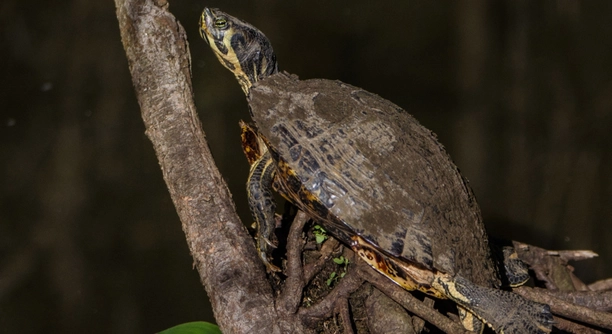
Yellow-bellied sliders are a popular pet turtle species that thrive in aquatic environments. They enjoy a variety of foods, but it’s important to know what is safe for them to eat. Mint leaves are among the many greens they might encounter.
Mint leaves are non-toxic to yellow-bellied sliders and can be safely consumed in moderation. They offer a refreshing taste, but should not be a staple of their diet. Too much mint can cause digestive issues or other health problems.
Offering mint in small amounts alongside their regular diet can be a good treat. Knowing how to balance their food intake will ensure your yellow-bellied slider stays healthy and happy.
The Role of Mint in a Yellow-Bellied Slider’s Diet
Mint leaves are a safe, occasional treat for your yellow-bellied slider. They add variety to the diet but shouldn’t make up a large part of their meals. While mint is non-toxic, too much could affect their digestive system. In the wild, turtles eat a variety of plants, which helps maintain their health. However, this variety also means that they need a balanced diet when kept as pets. The main diet of a yellow-bellied slider should include a combination of vegetables, aquatic plants, and protein. Treats like mint can offer enrichment, but always make sure they’re balanced with other nutrients.
Mint, however, should never replace their primary diet. If given too often, it may lead to unwanted health concerns. Always provide a mix of leafy greens and aquatic plants for better digestion. Rotating treats is also beneficial for your turtle’s overall well-being. Moderation is key.
Offering mint as a treat can be a fun way to add variety to their diet. However, remember that they thrive on a balanced diet. Keeping their meals varied ensures they receive the proper nutrients, so mint can remain a small part of their healthy feeding plan.
Digestive Considerations for Yellow-Bellied Sliders
When it comes to feeding yellow-bellied sliders mint, digestion plays a significant role. Mint, being aromatic and slightly tangy, could cause slight stomach upset if overfed. Turtles have sensitive digestive systems, and introducing new foods too frequently may cause discomfort or gastrointestinal issues. Over time, these digestive problems could affect their appetite or cause other health complications.
To maintain a healthy gut, it’s important to focus on their main food sources. A diet rich in leafy greens, such as dandelion greens, collard greens, or water plants, will help keep your slider’s digestive tract in balance. Protein from insects or fish should also be included for optimal health. Incorporating these elements will provide a full range of nutrients and keep your slider’s digestive system functioning properly.
Introducing mint in small, controlled amounts ensures that your turtle can enjoy the herb without any digestive distress. Keep in mind that variety is important, so be sure to focus on providing a range of safe foods. If you notice any changes in their digestion, it may be worth adjusting the quantity of mint you offer. Always monitor your turtle’s health and consult a vet if you have concerns.
Potential Risks of Overfeeding Mint Leaves
Too much mint in your slider’s diet could cause mild digestive upset, leading to bloating or discomfort. Turtles’ digestive systems aren’t built to handle excessive amounts of aromatic herbs. It’s best to give mint sparingly, as it can disrupt their regular food intake.
Feeding too many mint leaves could also interfere with their appetite for more essential foods. A balanced diet of aquatic plants, vegetables, and protein is necessary for their growth and well-being. Mint should always be seen as a treat, not a main ingredient in their meals. Overfeeding mint leaves might encourage them to ignore more nutritious options, which could lead to nutritional imbalances.
It’s also important to ensure that any mint leaves are thoroughly washed. Pesticides or chemicals on plants could harm your turtle. Keep this in mind when offering mint or any other type of greenery. Stick to organic options when possible to minimize potential health risks.
How to Incorporate Mint into Their Diet
When offering mint, make sure it’s cut into small, manageable pieces. This ensures your turtle can easily eat it without choking or swallowing too much at once. You can mix the mint leaves with other vegetables or greens to make it more enticing without overwhelming them with the flavor.
Variety is crucial in your turtle’s diet, so try offering mint alongside their usual leafy greens or other aquatic plants. Mint leaves can act as a refreshing addition, but they should never replace more important food sources. For example, you could mix a few mint leaves with dandelion greens or kale. Just remember that moderation is essential.
Offering mint occasionally as part of a larger, balanced diet keeps things interesting for your slider while ensuring they get the necessary nutrients from their main food sources. Make sure to observe their response to mint and adjust accordingly. If they seem disinterested or have digestive issues, it’s best to reduce the amount or frequency.
Mint as a Treat vs. Regular Food
Mint should be considered an occasional treat rather than a regular part of their diet. While it’s safe in small amounts, it shouldn’t replace more nutritious foods. Always ensure their main meals focus on balanced greens and proteins for their long-term health.
Mint’s role in a yellow-bellied slider’s diet is to provide variety and enrichment, not to act as a staple food. Using it as an occasional snack keeps things interesting while ensuring they get the essential nutrients they need. Overfeeding mint can lead to an imbalanced diet, affecting their overall well-being.
Alternative Greens for Your Slider
There are many other safe, nutritious greens you can offer your yellow-bellied slider. Dandelion greens, collard greens, and kale are excellent choices. These provide a range of vitamins and minerals vital for their health and should make up the bulk of their plant-based diet.
If you want to offer variety, try mixing in some water plants like duckweed or anacharis. These plants provide essential hydration and nutrients. Avoid relying too heavily on one type of green, as it may lead to nutrient deficiencies or other imbalances. Keep their diet diverse for optimal health.
Fresh Water is Essential
Fresh water is crucial for your slider’s overall health. Make sure to change their water regularly to prevent bacteria growth. A clean water source helps with digestion, hydration, and general well-being. Always monitor their water quality to avoid health issues.
FAQ
Can yellow-bellied sliders eat mint leaves every day?
No, mint leaves should not be given to your yellow-bellied slider every day. They are best offered as an occasional treat. Regularly feeding mint can lead to digestive problems and may cause your turtle to lose interest in their essential food. A balanced diet, including a variety of leafy greens, is much more important for their health.
Are there any types of mint that are harmful to turtles?
Most common types of mint, like peppermint and spearmint, are safe for yellow-bellied sliders in small amounts. However, you should always ensure that the mint is free from pesticides and chemicals. Organic mint is a better option to avoid harmful residues. Never feed your turtle mint leaves that have been treated with any kind of pesticide or herbicide.
How much mint can I feed my yellow-bellied slider?
A few leaves of mint are more than enough as a treat. Aim for no more than one or two small sprigs once or twice a week. This allows you to add variety to their diet without overdoing it. Any more than that could lead to digestive upset, so it’s best to use mint sparingly.
What other treats are safe for yellow-bellied sliders?
In addition to mint, yellow-bellied sliders enjoy other safe treats like dandelion greens, kale, water lettuce, and small pieces of fruits like strawberries or apples. You can also feed them occasional protein treats like crickets or mealworms. Just remember that treats should make up a small part of their diet, with their main meals consisting of nutritious greens and aquatic plants.
Can mint leaves be harmful to my turtle if they eat too much?
Yes, too much mint can cause digestive issues like bloating or diarrhea. Mint contains oils that could upset their stomach if consumed in large quantities. Always offer mint in moderation, and monitor your turtle’s health for any signs of discomfort after eating it. If they experience digestive issues, cut back on the mint and consult with a vet if necessary.
Should I wash mint leaves before giving them to my turtle?
Yes, always wash mint leaves thoroughly before feeding them to your turtle. Even organic mint can have dirt or chemicals on it, so it’s important to clean it to ensure it’s safe for your pet. Washing removes any possible contaminants, ensuring your turtle doesn’t ingest harmful substances.
Can mint leaves provide any nutritional value for yellow-bellied sliders?
While mint leaves contain some vitamins and minerals, they do not offer significant nutritional value compared to other vegetables and greens. The main benefit of mint is as a flavorful treat and enrichment for your turtle. It should not be relied upon as a primary food source but can be used occasionally to add variety to their diet.
Is it safe to feed mint leaves to baby yellow-bellied sliders?
It is best to avoid feeding mint to baby yellow-bellied sliders. Their digestive systems are still developing, and it’s important to focus on nutrient-dense foods like protein, dark leafy greens, and aquatic plants. Offering mint as a treat could be too much for them at this stage. Stick to safer, more appropriate foods for babies.
Can I grow mint for my yellow-bellied slider?
Yes, growing mint at home can be a great way to provide fresh, pesticide-free leaves for your slider. Just make sure to avoid using any chemicals or fertilizers that could harm your turtle. Growing mint in your garden or in pots can be an easy way to offer this treat in moderation.
What should I do if my yellow-bellied slider doesn’t seem interested in mint?
If your slider doesn’t show interest in mint, that’s perfectly fine. Every turtle has different tastes, and not all of them will enjoy the same treats. Try offering other leafy greens or aquatic plants, and if they remain uninterested in mint, you can remove it from their diet entirely. It’s important to ensure that they have a variety of other safe foods to choose from.
How can I tell if my yellow-bellied slider is overfed on mint leaves?
Signs that your slider may be overfed on mint include a loss of appetite, digestive upset (like diarrhea or bloating), or general lethargy. If you notice any of these signs, reduce the amount of mint you’re offering and make sure they have a balanced diet. Overfeeding mint or other treats can cause them to lose interest in their regular food, which could lead to nutritional imbalances.
Can mint leaves be fed to adult and juvenile yellow-bellied sliders?
Mint leaves can be safely fed to both adult and juvenile yellow-bellied sliders, but the frequency and amount should still be limited. For juveniles, it’s better to stick with their main diet of protein and leafy greens to ensure they get the right nutrients for growth. For adults, mint can be a fun addition, as long as it’s in moderation.
Are there any other herbs I can safely feed to yellow-bellied sliders?
Yes, there are several herbs that are safe for yellow-bellied sliders in small amounts. Some good options include basil, parsley, and oregano. Just like mint, these should be treated as occasional treats rather than regular food. Avoid giving your slider any herbs with strong oils, such as thyme or rosemary, as these could irritate their digestive system.
What can I do if my yellow-bellied slider becomes sick after eating mint?
If your slider shows signs of illness after eating mint, such as vomiting, diarrhea, or lack of appetite, stop offering mint immediately. Make sure they have access to clean water and observe their behavior. If the symptoms persist or worsen, contact a veterinarian who specializes in reptiles. Always keep track of their diet and consult a vet if you’re unsure about any food items.
Final Thoughts
When it comes to feeding your yellow-bellied slider mint leaves, moderation is key. Mint can be a fun, flavorful treat to add some variety to their diet, but it should not be given every day. Offering mint in small amounts once or twice a week is sufficient, ensuring that your turtle is still receiving the main nutrients they need from other foods. By giving your turtle occasional mint leaves, you can add some excitement to their diet without risking their health. Keep in mind that their primary nutrition should come from a balance of leafy greens, protein, and aquatic plants.
While mint leaves offer some flavor and variety, they don’t provide much nutritional value compared to other vegetables and aquatic plants. Mint should never replace the more essential foods that yellow-bellied sliders need to thrive. Overfeeding mint can lead to digestive issues and loss of appetite. It’s important to focus on a balanced diet that includes a variety of greens, fruits, and occasional protein sources like mealworms or crickets. Variety is crucial to avoid nutritional deficiencies and to keep your slider happy and healthy. Treat mint as an occasional treat and stick to the more nutrient-dense foods for the majority of their diet.
Always remember that every turtle is different. Some may enjoy mint more than others, and some may not show interest at all. It’s important to observe your turtle’s preferences and adjust their diet accordingly. Also, make sure that any mint you offer is free from pesticides and chemicals. If you ever have concerns about your turtle’s health after feeding them mint or any other food, it’s a good idea to consult a veterinarian. By maintaining a balanced diet and using mint as a treat in moderation, you’ll help your yellow-bellied slider live a long, healthy life.

Hello,
If you enjoy the content that we create, please consider saying a "Thank You!" by leaving a tip.
Every little bit helps us continue crafting quality advice that supports the health, happiness, and well-being of pets around the world, for pets of all shapes, sizes, and species.
We really appreciate the kindness and support that you show us!