
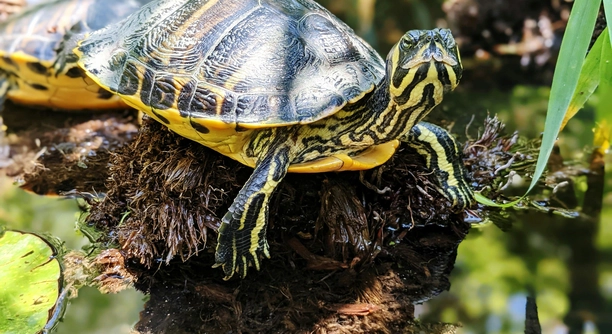
A yellow-bellied slider is a popular pet, known for its peaceful nature and vibrant colors. However, owners may sometimes notice their slider avoiding the heat lamp, which can be concerning. Understanding the reasons behind this behavior is important.
The most common reason a yellow-bellied slider avoids its heat lamp is due to either excessive heat or incorrect positioning. These turtles prefer a basking spot with temperatures between 85-90°F. If the heat lamp is too hot or too far, they may avoid it.
There are several factors at play when your slider avoids the heat source. Ensuring proper temperature and positioning is key to helping your pet maintain its health and comfort.
Why the Heat Lamp Might Be Too Hot for Your Yellow-Bellied Slider
Yellow-bellied sliders need a basking area that’s neither too hot nor too cold. If your heat lamp is set too high, it can make the environment uncomfortable for your turtle. They are cold-blooded animals, which means they depend on external sources to regulate their body temperature. However, they don’t thrive in excessive heat. A heat lamp placed too close to their basking spot can lead to overheating, making your slider retreat to cooler areas of its enclosure. This behavior might be mistaken for an avoidance of the lamp, but it’s really a way to avoid discomfort.
When positioning the heat lamp, aim to create a temperature gradient in the enclosure, with the basking area reaching 85-90°F. By providing a cool area and a warm area, your slider can choose where it feels most comfortable.
If the lamp is too hot, adjust its height or wattage. This small change can make a significant difference in how your turtle uses the basking area.
Incorrect Placement of the Heat Lamp
Another factor to consider is the placement of the heat lamp. If it’s too far from the basking area, it won’t provide enough heat. On the other hand, placing the lamp directly over the water or in a way that causes uneven heating may create an imbalance.
Proper placement helps maintain the right balance between warmth and space for your slider. Ensuring the heat lamp is positioned above the basking area, at a proper distance, can make all the difference. A slight adjustment can encourage your turtle to bask in the right spots, which is vital for its overall health.
Making sure your slider is comfortable will improve its behavior and health.
Health Issues Affecting Your Slider’s Behavior
If your yellow-bellied slider is avoiding the heat lamp, it may be experiencing health issues. One common concern is a shell infection or other physical discomfort. If your turtle feels unwell, it may seek to stay away from heat sources as part of its instinctive behavior. Illness can make your slider feel less inclined to bask and can lead to a decline in overall activity.
A visit to the vet is the best course of action if you suspect health problems. Ensuring your slider’s well-being is important for both its happiness and comfort. Proper care and attention to their diet, water quality, and environment can prevent these issues.
Keep an eye on your turtle for other signs of illness, such as lethargy, loss of appetite, or abnormal swimming behavior. These could indicate the need for a vet’s attention. Regular check-ups will help catch problems early.
Environmental Stress Factors
Excessive noise, sudden temperature changes, or unfamiliar scents can also cause your slider to avoid the heat lamp. Stress can make your turtle feel insecure, leading it to avoid basking. Over time, environmental stress can have a negative impact on your turtle’s overall health.
It’s important to keep their habitat quiet and calm, with consistent lighting and temperature. Using a timer for the heat lamp ensures the basking area remains stable without abrupt changes. Creating a stress-free environment allows your slider to feel more secure and likely to bask as needed.
Minimizing disruptions in their habitat ensures that your turtle stays comfortable. Keep their enclosure in a peaceful spot away from loud noises and sudden movements. This environment will encourage your turtle to use the heat lamp more regularly.
Adjusting Light Cycles
A yellow-bellied slider’s behavior can be affected by inconsistent lighting schedules. Turtles depend on natural light cycles to regulate their sleep and activity patterns. If the heat lamp is left on too long or turned off abruptly, it may disrupt their internal clock, causing them to avoid the basking area.
To avoid this, use a timer to ensure the light stays on for about 10-12 hours during the day, mimicking natural sunlight. This will help create a stable routine for your slider, improving its overall behavior and comfort.
Water Temperature and Quality
Water temperature and quality play a big role in your slider’s comfort. If the water is too cold, your turtle might feel the need to stay in cooler areas, avoiding the heat lamp entirely. Cold water can also make it more difficult for them to digest food properly.
Keeping the water temperature within the range of 75-80°F can encourage your slider to bask under the lamp. Maintaining clean water is equally important, as dirty water can cause stress and discomfort, making your slider more reluctant to approach the heat source.
Offering a Variety of Basking Areas
Your turtle might avoid the heat lamp because it prefers a different basking spot. If multiple areas are available, your slider can choose a location where it feels most comfortable. Offering different basking spots can encourage your turtle to explore its environment and spend more time under the lamp.
FAQ
Why is my yellow-bellied slider not basking under its heat lamp?
If your slider is avoiding the heat lamp, the most common reason is discomfort from excessive heat or improper placement. Turtles need a basking spot of around 85-90°F, and if the heat lamp is too close or too far, it can cause them to retreat. You can fix this by adjusting the lamp’s position or wattage. Another possible reason is health issues; illness can cause your turtle to avoid basking. Ensuring their environment is calm and consistent will also help them feel comfortable.
How can I tell if the heat lamp is too hot for my slider?
Use a thermometer to check the basking area’s temperature. It should be within the 85-90°F range. If it’s much higher, your slider will likely avoid the lamp to prevent overheating. Additionally, if the lamp is placed too close to the basking spot, it can create hotspots that your turtle will avoid. To fix this, raise the lamp or reduce its wattage to maintain a comfortable temperature.
Should I leave the heat lamp on all the time?
No, it’s not necessary to leave the heat lamp on all day and night. Turtles rely on a consistent day-night cycle to regulate their activity and sleep patterns. It’s best to use a timer to ensure the lamp stays on for about 10-12 hours during the day and off at night. This mimics natural sunlight, promoting healthy sleep and activity levels.
Can water temperature affect my slider’s behavior with the heat lamp?
Yes, water temperature can play a significant role in your turtle’s behavior. If the water is too cold, your slider may avoid basking and stay in the cooler water instead. Maintaining a water temperature between 75-80°F ensures your slider feels comfortable enough to bask under the heat lamp. Regular water changes are also important to maintain proper conditions.
How far should the heat lamp be from my slider’s basking area?
The distance depends on the wattage of the lamp and the size of your tank. Generally, the heat lamp should be about 6-12 inches above the basking area. For a more accurate setup, use a thermometer to check the temperature of the basking spot. If it’s too high or low, adjust the lamp accordingly.
Can my slider bask in other areas of the tank besides the heat lamp?
Yes, your slider can bask in other areas as long as they provide a similar temperature. However, it’s ideal to have the heat lamp over a designated basking spot. Providing a variety of basking areas allows your turtle to choose where it feels most comfortable, which can encourage it to bask more regularly.
What should I do if my slider is avoiding the heat lamp for a long time?
If your slider consistently avoids the heat lamp, check for environmental stress, improper temperature, or health issues. Make sure the lamp is at the correct distance and providing the right temperature. If your turtle continues to avoid basking, it may be time for a vet visit to rule out any underlying health concerns.
Can stress cause my slider to avoid basking?
Yes, stress can make your turtle avoid basking. Stressors like loud noises, sudden temperature changes, or unfamiliar scents can cause your slider to feel unsafe, leading it to avoid the basking area. Create a calm and stable environment for your turtle, and avoid frequent disturbances to reduce stress.
How often should I clean the tank to keep my slider comfortable?
Regular tank maintenance is essential for your slider’s health and comfort. Clean the tank at least once a week, removing debris and checking water quality. Replace the water as needed to maintain a clean, healthy environment. A clean tank reduces the risk of health issues and encourages your turtle to bask regularly.
Can my slider’s heat lamp placement affect its behavior?
Yes, improper heat lamp placement can impact your slider’s basking habits. If the lamp is too far from the basking area, the temperature may not reach the ideal range. On the other hand, if the lamp is too close, it can create uncomfortable heat. Ensure the lamp is placed properly for optimal basking conditions.
Why is my slider not eating and avoiding the heat lamp?
A lack of appetite, combined with avoiding the heat lamp, could indicate a health issue. Illness or stress can cause your turtle to lose interest in eating and avoid basking. Monitor your turtle’s behavior for other signs of illness, such as lethargy or abnormal swimming patterns. If these symptoms persist, a vet visit is recommended.
Final Thoughts
When it comes to your yellow-bellied slider’s heat lamp habits, understanding the balance between temperature, environment, and health is essential. These turtles rely on proper lighting and warmth to regulate their activity and health. If your slider is avoiding its heat lamp, it could be a sign of discomfort, stress, or even illness. Adjusting the lamp’s position, checking water quality, and maintaining a consistent environment are all crucial steps in encouraging your turtle to bask regularly. A few simple changes can make a big difference in your turtle’s behavior and well-being.
Regular monitoring of both water and basking temperatures will help ensure that your turtle’s habitat is as comfortable as possible. The water should remain between 75-80°F, while the basking spot should be slightly warmer, in the range of 85-90°F. If these temperatures are not maintained, your turtle may avoid basking altogether or show signs of stress. Using a thermometer to keep track of these conditions is an easy way to make sure everything is in balance. By maintaining proper conditions, your slider will feel more secure and willing to spend time under the heat lamp.
Remember that turtles are creatures of habit, and they thrive in stable environments. A consistent lighting schedule mimicking natural daylight helps regulate their internal clock. Avoid sudden temperature changes and ensure that there are no disruptions in their habitat. If your slider continues to avoid its heat lamp or shows signs of illness, seeking veterinary advice is always a good option. Overall, paying attention to their needs and making small adjustments can help your turtle lead a happy and healthy life.

Hello,
If you enjoy the content that we create, please consider saying a "Thank You!" by leaving a tip.
Every little bit helps us continue crafting quality advice that supports the health, happiness, and well-being of pets around the world, for pets of all shapes, sizes, and species.
We really appreciate the kindness and support that you show us!