
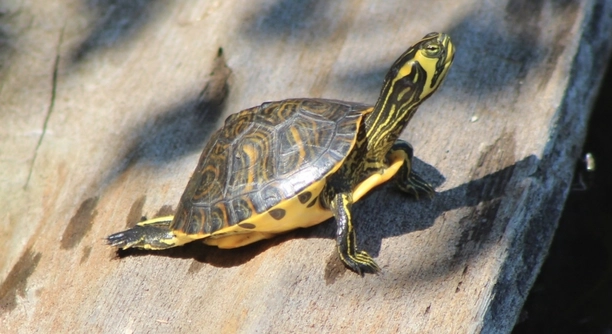
Setting up a tank for yellow-bellied sliders can seem overwhelming, especially for beginners. These aquatic turtles require a suitable environment to thrive, combining the right equipment, water conditions, and basking areas to support their needs.
The best way to set up a beginner-friendly tank for yellow-bellied sliders is by focusing on seven essential steps: tank size, filtration, water temperature, lighting, basking setup, substrate, and proper decorations to ensure comfort and health.
Following these steps will make caring for your yellow-bellied sliders a rewarding experience and provide them with a safe, comfortable home.
Choosing the Right Tank Size and Setup
A yellow-bellied slider’s habitat begins with selecting an appropriately sized tank. Start with at least a 20-gallon tank for young turtles, but upgrade to 75–100 gallons as they grow. This ensures they have ample swimming space. Include a sturdy basking platform and areas for hiding to mimic their natural environment. Consider a tank with a secure lid to prevent escapes while maintaining proper airflow. Avoid overcrowding the tank with decorations to give your slider room to move freely.
Investing in the correct tank size not only promotes your turtle’s health but also prevents unnecessary stress. Proper space leads to happier, more active sliders.
As your turtle grows, monitoring their needs ensures their habitat stays appropriate. Larger tanks may require more maintenance, but this is a vital part of providing a healthy environment for these beautiful reptiles.
Water Filtration and Temperature
Maintaining clean water is essential for a slider’s health. Use a strong filtration system designed for aquatic turtles to keep the water free of debris and harmful bacteria.
Filters reduce the frequency of full tank cleanings, saving time while maintaining ideal water conditions. Choose one rated for double the tank’s size for the best results. Pair this with a heater to maintain water temperatures between 75–80°F, ensuring your slider’s comfort.
Consistently monitor water quality using test kits for pH, ammonia, and nitrate levels. Clean water prevents infections and keeps your turtle active. Proper filtration, paired with temperature control, helps you create a habitat where your yellow-bellied slider can thrive effortlessly.
Lighting and UVB Requirements
Yellow-bellied sliders need UVB lighting to synthesize vitamin D3 and maintain strong shells. Use a UVB bulb designed for reptiles, positioning it 10–12 inches above their basking area. Replace the bulb every 6–12 months to ensure effectiveness.
Provide 12 hours of light daily, mimicking their natural day-night cycle. Combine UVB lighting with a heat lamp to create a basking temperature of 85–90°F. This encourages proper digestion and thermoregulation. Ensure there’s a shaded area in the tank for cooling down.
Monitor your lighting setup regularly to avoid overheating or insufficient exposure. Adjustments might be necessary as seasons change. By combining UVB with proper heat, you create a balanced environment that supports your slider’s long-term health and vitality.
Substrate and Decorations
Turtles do best with bare-bottom tanks or smooth river rocks to prevent accidental ingestion. Substrates like sand or gravel can pose risks if swallowed.
Stick to simple, functional decorations. Include driftwood, artificial plants, or turtle-safe rocks to mimic natural habitats. Ensure all items are smooth and free of sharp edges to avoid injuries. Secure decorations so they don’t shift or trap your turtle.
Avoid overcrowding the tank with unnecessary items. A well-planned layout encourages swimming and basking while reducing maintenance effort. Safe and minimal decorations create an inviting space your yellow-bellied slider will enjoy exploring.
Basking Area Essentials
A basking platform is vital for your slider’s health, offering a dry spot to rest and regulate body temperature. Choose a non-slippery platform large enough to accommodate your turtle comfortably. Secure it firmly to prevent tipping.
Keep the basking area accessible with ramps or gradual slopes. Position it directly under the heat and UVB lamps for optimal effectiveness. Regularly inspect for wear to ensure safety.
Feeding and Nutrition
Yellow-bellied sliders thrive on a varied diet of commercial turtle pellets, fresh greens like collard or dandelion, and occasional protein sources such as insects or cooked fish. Feed young turtles daily and adults every other day, adjusting portions to avoid overfeeding. Balanced nutrition supports their growth and energy needs.
Tank Maintenance
Regular tank cleaning prevents buildup of harmful bacteria. Partial water changes every week and a full cleaning every month are essential for maintaining a healthy environment.
FAQ
How often should I clean my yellow-bellied slider’s tank?
Cleaning your slider’s tank is essential for maintaining water quality. Perform partial water changes once a week to remove debris and waste. A full cleaning, including replacing the substrate and cleaning filters, should be done every month. This keeps harmful bacteria at bay and ensures a healthier environment for your turtle.
What temperature should the water be in the tank?
Maintain the water temperature between 75–80°F (24–27°C) for optimal health. Use a reliable aquarium heater and thermometer to monitor and adjust the water temperature as needed. Proper temperature ensures your slider remains active, promotes digestion, and helps maintain overall well-being.
Can I use tap water for my slider’s tank?
While tap water is generally safe, it may contain chlorine or other chemicals harmful to your slider. Always use a water conditioner to remove chlorine and chloramine, or allow the water to sit for 24 hours before adding it to the tank. This makes the water safe for your turtle.
How do I know if my slider is sick?
Signs of illness in yellow-bellied sliders include lethargy, loss of appetite, swollen eyes, or unusual shell discoloration. If you notice these symptoms, it’s crucial to consult a reptile vet promptly. Early diagnosis and treatment can prevent more severe health issues down the line.
What kind of lighting do yellow-bellied sliders need?
Yellow-bellied sliders require UVB lighting to maintain their health. Place a UVB bulb over the basking area to allow your slider to absorb the light. This helps them synthesize vitamin D3 and keep their shells strong. Replace the bulb every 6–12 months, even if it still seems to work, as its effectiveness declines over time.
Do I need to provide UVB lighting at night?
No, UVB lighting is not necessary during the night. Sliders need a regular day-night cycle to stay healthy. The UVB bulb should be on for 10–12 hours during the day, simulating natural sunlight, and turned off at night to allow your turtle to rest.
What should I feed my yellow-bellied slider?
A balanced diet for your slider should include commercial turtle pellets, fresh leafy greens like collard or kale, and occasional protein sources such as crickets, mealworms, or cooked chicken. Offer a variety of foods to ensure they receive proper nutrition. Avoid overfeeding, especially with protein, to prevent obesity.
Can yellow-bellied sliders live with other turtles or fish?
Yellow-bellied sliders can live with other turtles if the tank is large enough to provide separate areas for each. However, they might be territorial, so ensure there’s enough space for all turtles. When it comes to fish, it’s best to avoid placing small fish in the tank, as sliders may eat them.
How big should my slider’s tank be?
A yellow-bellied slider needs a spacious tank to thrive. For young turtles, a 20-gallon tank is adequate, but they will require a 75–100-gallon tank as adults. The more space, the better. Ensure there’s room for swimming, basking, and hiding.
What is the best substrate for my slider’s tank?
For yellow-bellied sliders, a bare-bottom tank or smooth river rocks are the safest choices. Avoid using sand or gravel, as these can be ingested and cause health problems. Smooth, large stones and artificial plants are good decorative options that won’t harm your turtle.
How often should I feed my yellow-bellied slider?
Young yellow-bellied sliders need to be fed daily, while adult turtles can be fed every other day. Be mindful of portion sizes to avoid overfeeding, which can lead to obesity. A good rule of thumb is to feed them as much as they can eat in 10–15 minutes.
Can I use aquarium plants in my slider’s tank?
Live aquatic plants are fine, but yellow-bellied sliders may chew on them. Some hardy plants, like Anubias or Java Fern, are better suited for turtle tanks. If you prefer, you can use artificial plants, but make sure they’re made of non-toxic materials.
Is it necessary to have a filter in my slider’s tank?
Yes, a filter is a must for any turtle tank. Turtles are messy eaters and produce a lot of waste, so a strong filtration system is necessary to keep the water clean and clear. Choose a filter rated for a tank twice the size of yours for best results.
Can I place my yellow-bellied slider outside in a pond?
Yes, yellow-bellied sliders can live in outdoor ponds, but only if the climate is suitable. Ensure the pond has areas for basking, ample space for swimming, and proper protection from predators. You’ll also need to monitor water temperature and quality to make sure it’s safe year-round.
How can I make sure my slider is comfortable in the tank?
Ensure your slider has access to both a warm basking area and cool water for swimming. The tank should mimic their natural environment, with clean water, proper lighting, and a few hiding spots. A turtle’s comfort also comes from having space to move freely and explore.
Final Thoughts
Setting up a tank for a yellow-bellied slider may seem like a lot at first, but it’s worth the effort. A properly set up tank helps ensure your turtle stays healthy and comfortable. The right balance of water quality, temperature, lighting, and space will create an environment where your slider can thrive. The steps you take now will pay off in the long run, allowing your pet to live a long, happy life.
It’s important to remember that yellow-bellied sliders require more than just basic tank maintenance. They need regular feeding, water changes, and access to UVB lighting for their health. Your slider also needs a proper basking area to regulate its body temperature. Keeping the water clean and free of harmful chemicals is essential for avoiding sickness. By staying on top of these responsibilities, you create a space where your turtle feels safe and supported.
The process of setting up a beginner-friendly tank doesn’t have to be overwhelming. With the right resources and a little patience, you’ll quickly get the hang of things. Your yellow-bellied slider will reward you with its lively presence, whether it’s swimming around or basking under its heat lamp. By following the guidelines in this article, you’re on your way to providing the best care for your turtle. Keep up with the basic needs, and your slider will enjoy a healthy, happy life in its new home.

Hello,
If you enjoy the content that we create, please consider saying a "Thank You!" by leaving a tip.
Every little bit helps us continue crafting quality advice that supports the health, happiness, and well-being of pets around the world, for pets of all shapes, sizes, and species.
We really appreciate the kindness and support that you show us!