
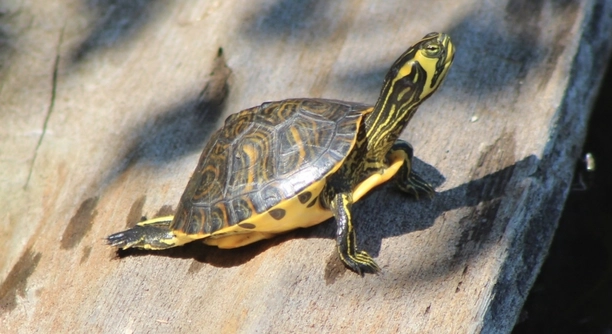
Yellow-bellied sliders are a common species of freshwater turtle. These turtles are known for their ability to thrive in various environments, including ponds and lakes, where algae is abundant. Algae often becomes a natural part of their diet.
Yellow-bellied sliders do eat algae as part of their diet. They are omnivores and can feed on aquatic plants, including algae, as well as small animals like insects and fish. Algae provides essential nutrients for their health.
Algae plays an important role in their diet, but there are other factors to consider for their overall nutrition and care.
What Makes Algae a Good Food Choice for Yellow-Bellied Sliders?
Algae can be a beneficial part of a yellow-bellied slider’s diet. These turtles are known for their omnivorous nature, meaning they consume both plant and animal matter. In the wild, algae naturally grows in their aquatic habitat, offering a convenient and easily accessible food source. In addition to algae, they will eat other aquatic plants and small creatures. The nutritional value of algae is rich in vitamins and minerals, including calcium, which helps support strong shell growth. While algae is not their sole source of food, it contributes to their balanced diet.
Algae is an easy way to ensure that these turtles get enough nutrients from their environment. However, it should be supplemented with other foods to maintain proper nutrition.
Offering algae as part of a diet can help provide the necessary nutrients for a healthy yellow-bellied slider. Be sure to mix it with other foods like vegetables, pellets, and protein sources to create a varied diet.
Potential Risks of Algae for Yellow-Bellied Sliders
In some cases, algae growth can pose problems for yellow-bellied sliders. While algae is generally safe for them to eat, excess algae in their environment can lead to water quality issues. Algae blooms, especially in stagnant water, can deplete oxygen levels, which may harm your turtle. Additionally, certain types of algae, like blue-green algae, produce toxins that can be harmful if consumed in large amounts. It is essential to monitor water quality and algae growth to prevent any health risks.
Maintaining a clean and healthy habitat is crucial for your turtle’s well-being. Regular water changes and filtration can help keep algae growth in check and ensure a safe living space.
In conclusion, algae can be a healthy addition to a yellow-bellied slider’s diet when carefully managed. It should not be the only food they rely on, but when offered in moderation, it can provide a natural and nutritious supplement to their diet.
The Role of Algae in a Balanced Diet for Yellow-Bellied Sliders
Algae can be a healthy addition to a yellow-bellied slider’s diet, offering essential nutrients like calcium and vitamins. However, it should be just one part of their varied diet, not the main component. This variety ensures they receive all the nutrients necessary for their health and longevity.
In their natural environment, yellow-bellied sliders will consume algae, but they also rely on other food sources like aquatic plants, insects, and small fish. It’s important to ensure they have access to a balanced diet that includes not only algae but also protein-rich foods, leafy greens, and vitamin supplements if needed. A healthy mix keeps their digestive system functioning properly and helps with shell development.
To maintain proper nutrition, feed your turtle a variety of foods, including algae, but also consider high-quality commercial turtle pellets, vegetables like kale or dandelion greens, and occasional protein sources like crickets or earthworms. This combination will promote overall health and prevent nutritional deficiencies.
How to Safely Feed Algae to Yellow-Bellied Sliders
When offering algae to yellow-bellied sliders, it’s important to ensure it is clean and free of harmful chemicals. Algae from polluted water or water with harmful chemicals can be toxic to turtles. It’s best to harvest algae from clean, uncontaminated sources.
To feed your slider algae, you can either collect it from a clean pond or purchase it from pet stores, where it is often sold in various forms like pellets or freeze-dried. If you gather algae yourself, ensure it has not been exposed to pesticides or fertilizers that could be harmful. Washing the algae thoroughly before offering it to your turtle is also a good practice. This step reduces the risk of contamination and ensures the algae is safe for consumption. When feeding algae, moderation is key, as overfeeding may lead to digestive issues or imbalances in your turtle’s diet.
Algae can be offered alongside other foods your turtle enjoys. Consider rotating their diet to prevent monotony and ensure they get all the nutrients they need. Always monitor their health and adjust their diet as necessary, keeping an eye on any changes in behavior or shell condition.
How Often Should Yellow-Bellied Sliders Eat Algae?
Algae can be a regular part of your turtle’s diet, but it should not be their main food source. Offering algae once or twice a week is sufficient, with a varied diet to complement it. This helps maintain a balanced nutritional intake.
It’s important to remember that yellow-bellied sliders need a range of nutrients to thrive. Overfeeding algae can lead to imbalances in their diet. Ensure they have access to protein sources, leafy greens, and other vegetables regularly to support their overall health. With careful portioning, algae will enhance their diet without overwhelming it.
Potential Alternatives to Algae for Yellow-Bellied Sliders
If algae is not readily available or you want to offer variety, there are other plant-based foods that yellow-bellied sliders can eat. Water lettuce, duckweed, and leafy greens like kale and collard greens are excellent alternatives. These provide the necessary nutrients without overwhelming the diet.
Additionally, you can add protein-rich foods like crickets or earthworms, making sure they have access to all essential nutrients. Variety is key to keeping your turtle healthy and happy. Offering different food options ensures that your yellow-bellied slider gets a well-rounded diet.
Monitoring Your Turtle’s Health
It’s important to keep an eye on your turtle’s health, especially after introducing new foods like algae. Watch for signs of digestive issues, like lethargy or shell problems, which may indicate that their diet needs adjustment. Regularly check their weight and activity levels.
Monitoring your turtle’s behavior will help you catch any potential health issues early. If your turtle shows signs of overfeeding or underfeeding, make the necessary adjustments to their diet. Regular visits to the vet can also help ensure your yellow-bellied slider is in optimal health.
FAQ
Can yellow-bellied sliders eat algae every day?
While yellow-bellied sliders can eat algae, it’s best not to offer it every day. Algae should be just one part of a balanced diet, and too much can lead to nutritional imbalances. Offer algae once or twice a week to complement their other food sources, like leafy greens and protein-rich foods.
Is algae the main food for yellow-bellied sliders?
No, algae should not be the main food for yellow-bellied sliders. While they will naturally eat algae in the wild, a well-rounded diet is essential for their health. Along with algae, they need protein from insects or fish, leafy greens like kale, and commercial pellets to get all necessary nutrients.
Can yellow-bellied sliders eat dried algae?
Yes, yellow-bellied sliders can eat dried algae. Dried algae, commonly available in pet stores, is a convenient option for supplementing their diet. However, it’s important to ensure it’s free from any additives or preservatives that may be harmful to your turtle. Always check the packaging and offer it in moderation.
What types of algae are safe for yellow-bellied sliders?
Not all algae are safe for yellow-bellied sliders. Algae from clean, uncontaminated water sources or purchased algae specifically designed for turtles are the best options. Avoid algae from polluted or chemically-treated water, as it can contain harmful toxins. Always ensure the algae is free from pesticides or fertilizers.
How can I grow algae for my yellow-bellied slider?
If you prefer to provide fresh algae, you can grow it yourself. Simply create a small aquarium or pond with proper lighting and water conditions that promote algae growth. Make sure the water is clean, and avoid chemicals or contaminants that could harm your turtle. Harvest the algae when it grows in abundance.
What if my yellow-bellied slider refuses to eat algae?
If your yellow-bellied slider refuses to eat algae, don’t worry. Some turtles can be picky eaters, especially when it comes to new foods. Try offering it in different forms, like fresh, dried, or mixed with their regular food. If they still refuse, focus on providing other nutritious foods to maintain a balanced diet.
Can algae help with shell growth in yellow-bellied sliders?
Yes, algae can contribute to a yellow-bellied slider’s shell growth. Algae is rich in calcium, which is essential for strong shell development. However, it should be offered alongside other calcium-rich foods, such as cuttlebone or calcium supplements, to ensure your turtle receives enough of this vital nutrient.
Are there any risks to feeding algae to yellow-bellied sliders?
Feeding algae in excess can lead to some risks, such as digestive issues or an imbalance in nutrients. Algae should only be a part of a varied diet. Additionally, algae blooms in stagnant water can create low oxygen levels, which can harm your turtle. Be cautious about the source of algae to avoid toxins.
How do I know if my turtle is getting enough nutrients?
Keep an eye on your yellow-bellied slider’s behavior, shell condition, and overall activity levels. A healthy turtle should have a smooth, firm shell and be active. If you notice lethargy, shell deformities, or weight loss, it may indicate a nutritional deficiency, and you may need to adjust their diet.
Can yellow-bellied sliders eat algae with other foods?
Yes, yellow-bellied sliders can eat algae along with other foods. Combining algae with a mix of leafy greens, protein sources, and commercial turtle pellets will provide a balanced diet. Just be mindful of portions and avoid overfeeding any single type of food to ensure a well-rounded intake of nutrients.
How do I clean algae from my yellow-bellied slider’s tank?
Regular tank cleaning is essential for maintaining water quality and preventing harmful algae growth. Use a water filter to keep the water clean and change it regularly. If algae starts to build up in the tank, use a soft brush or algae scraper to remove it. Be careful not to stress your turtle during cleaning.
What should I do if my turtle is eating too much algae?
If you think your yellow-bellied slider is eating too much algae, try adjusting their diet to focus more on other food sources. Offer fewer algae-based foods and increase the amount of leafy greens, protein sources, and pellets. This will ensure they get the right balance of nutrients and prevent over-reliance on algae.
Can algae help prevent disease in yellow-bellied sliders?
While algae provides important nutrients, it’s not a cure for diseases. A well-balanced diet, proper habitat conditions, and regular care are key to preventing disease in yellow-bellied sliders. Algae can help support their immune system, but it should be part of an overall health plan, including proper water quality and regular vet checkups.
Is algae safe for baby yellow-bellied sliders?
Algae can be safe for baby yellow-bellied sliders in moderation. However, young turtles have different dietary needs, so it’s essential to focus on foods that meet their specific nutritional requirements. Offer algae occasionally, but make sure they are also getting protein-rich foods and a variety of other nutrients for healthy growth.
Can algae affect the water quality in my turtle’s tank?
Yes, algae can affect water quality if it grows excessively. Algae blooms can deplete oxygen levels and lead to poor water conditions. Regular water changes, filtration, and proper tank maintenance can help manage algae growth. Avoid overcrowding the tank, as this can contribute to algae problems and poor water quality.
What other foods can I feed my yellow-bellied slider?
In addition to algae, yellow-bellied sliders enjoy a variety of foods, including leafy greens (like kale, dandelion greens, and water lettuce), vegetables (such as carrots or zucchini), and protein sources like crickets, mealworms, and small fish. Offering a variety of foods helps keep their diet balanced and supports their overall health.
Final Thoughts
Yellow-bellied sliders can safely eat algae, but it should be offered in moderation. Algae can provide important nutrients, such as calcium, which helps maintain strong shells. However, it’s not a complete food source on its own. For optimal health, a varied diet that includes leafy greens, protein sources, and commercial turtle pellets is essential. By giving your turtle a balanced diet, you will help ensure they get the nutrients they need to thrive.
When feeding algae to your yellow-bellied slider, it’s crucial to consider the source. Algae from clean, uncontaminated water or commercial options designed for turtles is the safest. Avoid algae from polluted or chemically treated water, as it may contain harmful toxins. If you want to grow algae at home, create a clean environment with proper lighting and water conditions, making sure it remains free of chemicals that could harm your turtle.
In conclusion, algae can be a healthy treat for yellow-bellied sliders when included as part of a well-rounded diet. Don’t rely on it as their main food source, and always be mindful of the amount you provide. With proper care, including balanced nutrition and a clean tank environment, your yellow-bellied slider will lead a long and healthy life.

Hello,
If you enjoy the content that we create, please consider saying a "Thank You!" by leaving a tip.
Every little bit helps us continue crafting quality advice that supports the health, happiness, and well-being of pets around the world, for pets of all shapes, sizes, and species.
We really appreciate the kindness and support that you show us!