
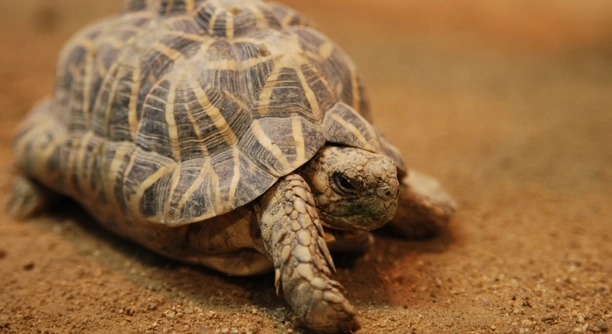
Turtles can be curious creatures, and when one keeps trying to climb on your hand, it may leave you wondering what’s behind the behavior. Understanding why your turtle acts this way can help you build a stronger bond with your pet.
Turtles often climb on your hand as a sign of curiosity, affection, or a desire for attention. They may also be exploring their surroundings or seeking comfort. This behavior is typical, especially when they feel safe around you.
The reasons behind your turtle’s actions might surprise you. Understanding these behaviors can strengthen your connection and ensure your turtle’s well-being.
Why Turtles Climb on Your Hand: Natural Instincts
Turtles are naturally curious and often explore their surroundings by climbing. When they climb on your hand, it’s a way for them to investigate what’s in front of them. Their instinct to explore might be a reaction to something in their environment, whether it’s a change in the tank or your movements. They may view your hand as a safe, secure platform to climb. Since they often associate you with food or comfort, your hand can also become a place of interest, especially when they’re in need of attention or stimulation. It’s also possible that they’re seeking a better vantage point to survey their surroundings, using you as their personal climbing spot.
While it might seem odd, turtles are social animals to a certain extent. They can recognize patterns in their interactions with humans. If they’ve had positive experiences with you before, like feeding or petting, they might approach you with the expectation of similar care. Turtles also seek warmth and security, which they may associate with your hand.
Is It Something to Worry About?
It’s important to understand that this behavior isn’t harmful to your turtle or to you.
Turtles that climb on your hand are not usually stressed or ill. They’re simply exploring their environment in their own way. This behavior can even indicate that they feel safe with you. If your turtle continues to show this interest in climbing on your hand, it could be a sign they enjoy your company.
Exploring the Behavior: Curiosity and Interaction
Turtles are naturally curious animals. They may climb on your hand simply to explore their surroundings. Your hand offers a chance to investigate a new area, especially if it’s in their path. It’s a way for them to engage with their environment.
If your turtle keeps climbing on your hand, it could be trying to learn more about its space. Turtles rely on their instincts to explore. They use all their senses, including touch, to gather information. Your hand might feel like a stable place to climb, giving them the chance to feel safe while exploring. Sometimes, they may even be checking if you have food or something interesting nearby.
The behavior could also be related to the turtle’s social side. Some turtles learn to associate people with positive experiences, like feeding. This makes them more likely to approach and interact with you. It’s important to notice if the climbing happens in certain situations, as it could reveal more about their habits and comfort levels.
Seeking Attention or Comfort
Turtles are not usually demanding pets, but they do seek comfort. When they climb on your hand, they might be looking for warmth or reassurance. If your turtle feels secure with you, it may approach your hand for physical contact.
Your hand can provide a sense of safety and stability, making it a place your turtle feels comfortable. It’s common for turtles to seek out warmth, especially if they’re cold. When a turtle climbs on your hand, it could be an attempt to get closer to you or a warmer surface. The warmth of your hand offers a feeling of security that they can’t find anywhere else. By doing this, they might be signaling that they feel safe and content in your presence.
Turtles and Social Bonding
Turtles can form bonds with their owners. If your turtle climbs on your hand, it might be showing affection or trust. They recognize you as a source of safety, and this behavior is their way of connecting with you.
The more time you spend with your turtle, the more likely they are to associate you with comfort. Turtles can become familiar with their owners’ routines, and climbing on your hand might simply be a sign of recognition and bond building.
The Impact of Environment
The environment plays a big role in your turtle’s behavior. If their habitat is too small or lacks stimulation, they might climb more often to find new things. A bigger, enriched environment can help reduce unnecessary climbing.
Providing your turtle with different textures, objects, and space to explore can encourage them to focus more on their surroundings. An enriched habitat can keep them active and happy. If they feel confined or bored, they might turn to you for stimulation, seeking comfort or excitement.
FAQ
Why does my turtle climb on my hand?
Turtles climb on your hand mainly because they are curious or looking for attention. Your hand might provide them with a stable and warm surface, making it a perfect spot to explore. Turtles are naturally inquisitive, and they may see your hand as a safe platform. They might also associate you with food or positive interactions, which makes them more likely to climb toward you.
Is this behavior normal for a turtle?
Yes, it is perfectly normal for turtles to climb on their owners. It’s part of their natural behavior, as they often explore their environment by climbing and using various surfaces. Turtles may also climb as a way to feel secure, especially if they have had positive experiences with you in the past.
How can I tell if my turtle is climbing for attention or because it’s stressed?
If your turtle climbs on your hand consistently, it is likely looking for attention or interaction. A stressed turtle may exhibit other signs like hiding, pacing, or avoiding contact. If your turtle is climbing but not showing signs of distress, it’s probably seeking your attention or warmth. Pay attention to your turtle’s overall behavior to understand its needs.
What should I do if my turtle keeps climbing on my hand?
If your turtle enjoys climbing on your hand, there’s no need to worry. You can let it explore and build trust by allowing this behavior. If the climbing becomes excessive, you might want to ensure your turtle has plenty of space and stimulation in its environment to avoid boredom. Providing a well-rounded habitat with toys, climbing surfaces, and areas for hiding can help.
Can my turtle hurt itself while climbing on my hand?
It’s unlikely that your turtle will hurt itself by climbing on your hand. Turtles have a strong instinct to move carefully, but always be mindful of where your turtle is when it climbs. If you have a hard or slippery surface, be cautious, as they may fall off. You can also gently guide them if needed.
Does it mean my turtle is sick if it’s climbing a lot?
Climbing behavior does not usually indicate that your turtle is sick. However, if you notice other unusual behaviors like lethargy, loss of appetite, or changes in its shell, it might be a sign of illness. Excessive climbing alone is typically harmless, but always monitor for any signs of distress.
How can I make my turtle stop climbing on me?
If you want to discourage climbing on your hand, try offering alternative climbing surfaces in its habitat, like rocks or logs. Make sure your turtle’s enclosure is big enough for it to explore and engage with different textures and objects. You can also try gently redirecting your turtle back to its tank if it climbs onto you.
Should I let my turtle climb on me?
Allowing your turtle to climb on you is generally fine, as long as it’s not causing you or the turtle any distress. It’s a form of bonding and trust. Just ensure that you handle your turtle gently and provide a safe environment to avoid accidental injuries.
Why does my turtle only climb on my hand and not other parts of my body?
Turtles may choose to climb on your hand because it feels stable and offers the comfort or warmth they seek. Your hand is more accessible, and they likely associate it with positive experiences. If you’ve spent a lot of time holding or interacting with your turtle, it may see your hand as a safe, familiar spot.
How do I know if my turtle is feeling comfortable or stressed while climbing?
A comfortable turtle will show relaxed body language, such as moving slowly or remaining calm. If your turtle’s movements seem erratic, it might be stressed. Watch for signs like rapid, erratic movements, hiding, or breathing heavily, as these may indicate discomfort. A relaxed turtle will seem content and may continue climbing or exploring.
Can climbing on my hand harm my turtle’s shell?
Climbing on your hand is unlikely to harm your turtle’s shell. The shell is designed to protect them from damage, and climbing doesn’t generally put stress on it. However, make sure your hands are clean and free from chemicals or dirt that could affect your turtle’s health.
How long should I let my turtle climb on my hand?
There’s no set time for how long a turtle should climb on your hand. If your turtle enjoys the interaction, you can let it climb for as long as it likes. Just make sure to keep an eye on the situation to avoid accidental falls or stress. Always monitor your turtle’s behavior and ensure it is comfortable during these interactions.
Do all turtles climb on their owners?
Not all turtles will climb on their owners. Some may prefer to stay in their tanks or hide, especially if they’re more independent. Each turtle has its own personality, and some may show less interest in climbing or interacting. If your turtle does climb on you, it’s a good sign that it’s comfortable and trusts you.
Is climbing on my hand a sign of affection?
Climbing on your hand can be a sign of affection, but it’s also an instinctual behavior. Turtles that feel safe and secure around you may climb as a way to engage with you. While it’s not necessarily a direct sign of affection like in some other pets, it’s a positive sign of comfort and trust.
What are some other ways to bond with my turtle?
Besides allowing your turtle to climb on your hand, you can bond by feeding it, petting it gently, or simply spending time near its enclosure. Providing treats, new objects to explore, and a varied habitat can also help improve your turtle’s overall happiness and strengthen your bond.
Can turtles get bored if they climb too much?
Turtles may climb more if they’re bored or feel confined. It’s important to provide enrichment in their environment, such as climbing surfaces, hiding spots, and water areas to swim. This will help reduce repetitive behaviors like excessive climbing. A stimulating environment can keep your turtle active and engaged without relying on you as a source of entertainment.
Final Thoughts
Turtles are fascinating creatures with unique behaviors, and climbing on your hand is a common and natural action. It’s often a sign that your turtle is exploring, seeking warmth, or simply looking for attention. While this behavior might seem strange, it’s a normal part of their curiosity and interaction with their environment. As long as your turtle is not showing signs of distress or excessive stress, there’s no need to worry. Climbing is just one of the many ways they interact with their surroundings, and it’s generally a positive sign that they feel safe with you.
It’s important to pay attention to your turtle’s overall well-being. If the climbing behavior becomes excessive or if your turtle starts acting differently in other ways, it could be a sign that something else is going on, such as boredom or discomfort in their environment. To keep your turtle happy and healthy, make sure it has a spacious and enriched habitat. Providing various textures, climbing surfaces, and hiding spots can help reduce unnecessary climbing and make your turtle feel more secure. A well-designed habitat can keep your turtle engaged and prevent it from seeking constant interaction.
Overall, understanding your turtle’s behavior can help you provide better care and strengthen the bond you share with your pet. Climbing on your hand is just one small way they show curiosity and affection, and it’s part of how they navigate the world around them. By observing their actions and ensuring their environment is comfortable, you can ensure that your turtle is happy and healthy, while also enjoying the companionship that comes with having such a unique pet.

Hello,
If you enjoy the content that we create, please consider saying a "Thank You!" by leaving a tip.
Every little bit helps us continue crafting quality advice that supports the health, happiness, and well-being of pets around the world, for pets of all shapes, sizes, and species.
We really appreciate the kindness and support that you show us!