
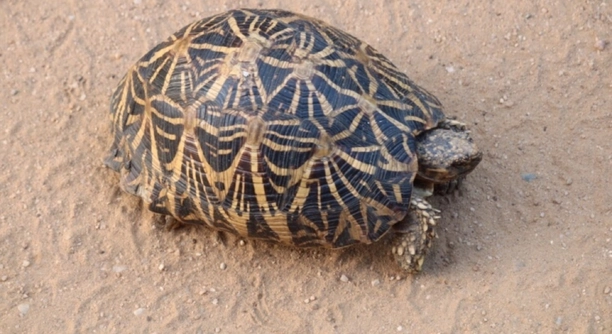
Turtles require proper lighting to stay healthy, and UVB bulbs play a crucial role in meeting their needs. Without the right UVB light, your turtle may suffer from serious health issues, including shell deformities and weakened bones.
The best UVB bulbs for turtles provide essential UVB rays, promoting calcium absorption and supporting overall health. Choosing a high-quality bulb ensures your turtle gets the right amount of light for proper growth and well-being.
By selecting the right UVB bulb, you can support your turtle’s health and ensure they thrive in their habitat. Understanding which options work best will make all the difference in their long-term care.
Why UVB Lighting is Important for Turtles
UVB lighting plays a key role in your turtle’s health. Without it, they cannot properly process calcium, which is essential for strong bones and a healthy shell. In the wild, turtles get their UVB exposure from the sun. In captivity, it’s up to us to provide it.
Inadequate UVB lighting can lead to metabolic bone disease (MBD) and other serious health issues. MBD causes deformities and weakness in bones, which can shorten a turtle’s life. The right UVB bulb is critical to prevent these problems.
Turtles need UVB light to produce vitamin D3, which helps them absorb calcium. Without enough calcium, their shells can become soft, and they may develop other health conditions like weakness or lethargy. You should aim for a UVB bulb that offers 10-12% UVB output to mimic natural sunlight. When choosing a UVB light, consider factors like the bulb’s lifespan, intensity, and the distance between the bulb and your turtle. It’s also important to change the bulb regularly, as its UVB output decreases over time.
Types of UVB Bulbs Available
There are several types of UVB bulbs available. Choosing the right one depends on your turtle’s needs and the type of enclosure you have.
Mercury vapor bulbs, fluorescent tubes, and compact fluorescent bulbs are the most common options. Mercury vapor bulbs provide both UVB and heat, making them a great all-in-one solution for larger tanks. Fluorescent tubes, on the other hand, are affordable and work well for smaller enclosures. Compact fluorescent bulbs are similar to fluorescent tubes but are smaller and more energy-efficient.
When selecting a UVB bulb, consider how much light your turtle needs. Larger tanks may require stronger bulbs. Additionally, some bulbs have a higher UVB output, while others are designed for specific types of reptiles. Make sure to read the product description carefully to select the one that fits your turtle’s environment.
Best UVB Bulbs for Small Turtles
For smaller turtles, you want a UVB bulb that provides moderate UVB output without overpowering the tank. Fluorescent bulbs are a great choice for small enclosures.
These bulbs are typically compact and easy to install. They are designed to offer just the right amount of UVB light for smaller turtles, ensuring they receive enough UVB to process calcium and maintain a healthy shell. The light should cover most of the turtle’s basking area while not being too intense. Make sure the bulb is within the recommended distance from your turtle’s basking spot for optimal benefits.
You can choose between full-spectrum UVB fluorescent tubes or compact fluorescent bulbs. These types provide essential UVB rays, and their lifespan can last up to a year. Make sure you replace the bulb regularly to ensure your turtle stays healthy. Small turtles require UVB lighting for 10-12 hours a day to maintain their calcium absorption and overall health.
UVB Bulbs for Large Turtles
Larger turtles need more intense UVB exposure due to their size. You may need a stronger bulb, such as a mercury vapor bulb, to meet their needs.
Mercury vapor bulbs are ideal for bigger enclosures and larger turtles because they provide both UVB and heat in one unit. This helps create a more natural environment for your turtle, with a heat source combined with UVB light. These bulbs tend to last longer, reducing the frequency of replacements. When using mercury vapor bulbs, it’s important to position them at a safe distance from your turtle, typically around 12-18 inches, to prevent overheating.
Because large turtles require more UVB for proper bone development, the higher output of mercury vapor bulbs ensures they get enough exposure. Be sure to monitor the temperature and adjust accordingly to prevent the tank from becoming too hot for your turtle. The right balance of heat and UVB light will help your turtle stay strong and healthy.
UVB Bulbs for Turtles in Aquariums
For turtles kept in aquariums, you’ll need a UVB bulb that can cover both the water and basking area. This ensures your turtle gets the light it needs while remaining comfortable in its environment.
Aquarium UVB bulbs come in both fluorescent and mercury vapor options. Fluorescent bulbs are ideal for smaller tanks and provide adequate UVB light without overheating the water. Mercury vapor bulbs, on the other hand, are better for larger aquariums, as they provide both heat and UVB. In either case, it’s important to place the bulb in a spot where your turtle can easily bask under it for proper exposure. Regular maintenance and bulb replacement are necessary for long-term health.
Best UVB Bulbs for Turtle Basking Areas
The basking area is crucial for your turtle’s overall health, and the UVB light should cover it adequately. Consider bulb placement and intensity.
For basking areas, a UVB bulb should provide enough intensity to reach the spot your turtle uses for sunbathing. The recommended UVB output is usually between 5-12%. Ensure the bulb is placed at a proper height to avoid overheating and provide a natural light cycle. It’s also important to use a reflector with the bulb to direct the light toward the basking area.
UVB Bulbs with Heat for Turtles
Turtles need both UVB light and heat to maintain their health. Bulbs that combine both can simplify the setup.
Mercury vapor bulbs are often the best option if you want both UVB and heat in one bulb. These bulbs provide a heat source as well as the UVB needed for vitamin D3 production. Be sure to monitor the temperature in the basking area carefully, as the combined heat can raise it quickly.
FAQ
How often should I replace my UVB bulb for my turtle?
UVB bulbs lose their effectiveness over time. Even if the bulb still appears to work, the UVB output significantly diminishes after around 6-12 months. It’s important to replace UVB bulbs regularly, even if they still produce visible light. Generally, fluorescent UVB bulbs need to be replaced every 6 months, while mercury vapor bulbs last about 12 months. To maintain your turtle’s health, keep track of the age of your bulb and replace it as recommended.
What is the best UVB bulb for a small turtle?
For small turtles, a fluorescent UVB bulb is a good option. These bulbs are efficient, affordable, and provide adequate UVB light for smaller enclosures. Look for bulbs with a UVB output of 5-10%, depending on the size of your turtle’s tank. A UVB bulb placed correctly above the basking area will help your turtle thrive without overwhelming the space. Fluorescent bulbs are also easy to maintain, making them a practical choice for small tanks.
Can I use a regular light bulb for my turtle’s UVB needs?
Regular light bulbs do not provide the UVB rays necessary for your turtle’s health. While they may offer visible light, they don’t emit UVB radiation that turtles need to process calcium. Using a regular light bulb can result in health problems such as metabolic bone disease. It’s essential to use a bulb specifically designed for reptiles, which provides both UVB and, in some cases, heat. Always choose a reptile-specific UVB bulb for your turtle.
Should I use a UVB bulb if my turtle has access to natural sunlight?
While natural sunlight is beneficial for your turtle, relying solely on it may not be enough. UVB light from the sun can vary based on time of day, weather, and location. In indoor setups, natural sunlight is not consistent enough to meet your turtle’s needs. That’s why a UVB bulb is recommended to ensure your turtle gets a consistent and controlled source of UVB light. If your turtle gets direct sunlight regularly, a UVB bulb can still supplement it and provide more reliable exposure.
What is the difference between UVB and UVA light for turtles?
UVB light helps turtles produce vitamin D3, which is necessary for calcium absorption and strong bones. UVA light, on the other hand, influences your turtle’s behavior, including feeding and breeding. While both UVB and UVA are important, UVB is essential for health, and UVA helps in maintaining natural activity levels. Most UVB bulbs also emit a small amount of UVA, which is beneficial for your turtle’s behavior and overall well-being.
Can I use a UVB bulb and heat lamp at the same time?
Yes, using both a UVB bulb and a heat lamp is common in turtle setups. The UVB bulb provides the necessary light for vitamin D3 production, while the heat lamp offers warmth to your turtle’s basking area. It’s important to keep the temperature regulated to prevent overheating. Using separate bulbs for heat and UVB gives you control over both light and temperature, ensuring the ideal environment for your turtle.
How close should the UVB bulb be to my turtle?
The distance between your turtle and the UVB bulb depends on the type of bulb you are using. For fluorescent UVB bulbs, the ideal distance is usually 6-12 inches from the basking spot. For mercury vapor bulbs, the distance is typically 12-18 inches. Always check the manufacturer’s recommendations for specific distances. If the bulb is too far away, your turtle might not get enough UVB exposure. If it’s too close, there is a risk of overheating or burning your turtle.
Can UVB bulbs harm my turtle if they are too strong?
UVB bulbs are generally safe when used correctly, but if they are too strong or placed too close to your turtle, they can cause harm. Intense UVB rays can lead to skin burns or excessive heat, which may stress your turtle. Always follow the manufacturer’s guidelines on distance and wattage. If you’re unsure about the bulb’s intensity, gradually adjust the distance between the bulb and your turtle’s basking spot until you find the right level of UVB exposure.
Do UVB bulbs work well for all types of turtles?
Most UVB bulbs are suitable for a variety of turtle species, but some turtles may require slightly different setups based on their natural environment. Aquatic turtles typically need strong UVB lighting, especially if they are kept indoors and don’t have access to direct sunlight. Terrestrial or semi-terrestrial turtles may need less intense UVB light but still require exposure to maintain proper calcium absorption. It’s always good to research the specific needs of your turtle species to determine the ideal UVB bulb for their health.
How long should my turtle be exposed to UVB light each day?
Turtles should be exposed to UVB light for about 10-12 hours a day. This simulates natural daylight and ensures your turtle gets the necessary amount of UVB rays. If possible, mimic the natural light cycle by turning the UVB light on in the morning and off in the evening. Some people use timers to ensure the lighting is consistent, which helps maintain your turtle’s internal rhythm. Regular exposure to UVB light, combined with a proper diet, will keep your turtle healthy.
Is it necessary to have both UVB and UVA light for my turtle?
While UVB is the most important light for your turtle’s health, having both UVB and UVA light in the enclosure can enhance its well-being. UVB light helps your turtle absorb calcium, while UVA light supports natural behaviors like feeding and basking. Many UVB bulbs already emit some UVA light, so you may not need a separate UVA bulb. If your turtle seems lethargic or has trouble eating, ensuring it gets both types of light can improve its overall health and activity.
Final Thoughts
Choosing the right UVB bulb for your turtle is essential for their health and well-being. UVB light helps turtles process calcium, which is crucial for strong bones and a healthy shell. Without the proper UVB exposure, turtles can develop serious health issues like metabolic bone disease, which can lead to deformities and weakened bones. Whether your turtle is small or large, aquatic or semi-terrestrial, selecting the right UVB bulb for their needs is vital. Regularly replacing the bulb ensures your turtle continues to get the right amount of UVB exposure.
When selecting a UVB bulb, it’s important to consider factors like the size of your turtle’s enclosure and the type of turtle you have. Smaller turtles typically do well with fluorescent UVB bulbs, which are efficient and affordable. Larger turtles, especially those housed in bigger enclosures, may benefit from mercury vapor bulbs that offer both UVB and heat. Keep in mind that UVB bulbs lose their effectiveness over time, even if they still emit visible light. Make sure to replace them according to the manufacturer’s recommendations, typically every 6 to 12 months, to ensure consistent UVB output.
Finally, creating the ideal environment for your turtle includes not only proper lighting but also monitoring their basking area and overall habitat conditions. The distance between the UVB bulb and your turtle should be appropriate to prevent overheating while ensuring they receive enough exposure. Using both UVB and heat bulbs is often necessary for maintaining the right temperature and light cycle. By understanding your turtle’s specific needs and adjusting accordingly, you can help them thrive and lead a long, healthy life.

Hello,
If you enjoy the content that we create, please consider saying a "Thank You!" by leaving a tip.
Every little bit helps us continue crafting quality advice that supports the health, happiness, and well-being of pets around the world, for pets of all shapes, sizes, and species.
We really appreciate the kindness and support that you show us!