
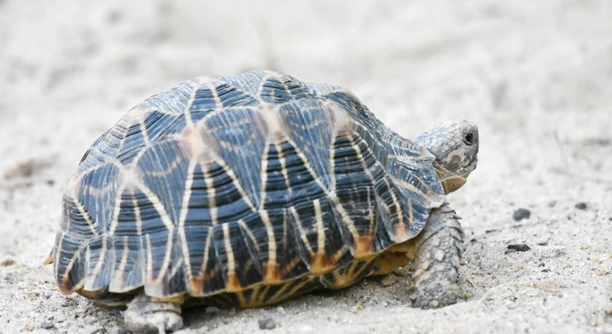
Turtles are fascinating creatures, and just like any living being, they age over time. Recognizing the signs of an aging turtle can help you care for them better. In this article, we’ll explore how to spot those signs.
As turtles grow older, their physical appearance, behavior, and overall health can change. The most noticeable signs include changes in shell condition, slower movement, and potential shifts in appetite. Monitoring these factors will help identify when a turtle is aging.
These signs are just the beginning of understanding your turtle’s needs as it ages. Proper care and attention will ensure that they live comfortably in their later years.
1. Physical Signs of an Aging Turtle
As turtles age, their physical features can begin to change. The most noticeable sign is the condition of their shell. You may notice the shell becoming thinner, rougher, or more brittle over time. This could be a result of a lack of proper nutrition or calcium deficiency. Additionally, an older turtle might have a more wrinkled or droopy appearance. Their skin may lose some of its elasticity, making them look older.
An aging turtle may also experience slower movement. Younger turtles are usually more active and agile, but with age, they tend to move less frequently and with more effort. This could be due to joint stiffness or general fatigue.
These physical signs are important to recognize because they can directly impact how well a turtle is doing. It’s essential to monitor these changes carefully to ensure the turtle’s comfort and health.
2. Behavioral Changes in Older Turtles
As turtles age, their behavior can shift, and they may become less social. While younger turtles might be more interactive or curious, older turtles tend to be more reserved. They may spend more time resting or hiding rather than exploring their environment.
Older turtles can also show changes in their feeding habits. They may eat less frequently or be pickier with the food they consume. This could be due to dental problems or simply a reduced appetite from aging. It’s important to keep an eye on their eating habits to ensure they are still getting the necessary nutrition.
If your turtle becomes unusually reclusive or refuses to eat, it might be a sign of aging. However, it’s also important to rule out other health concerns. Consulting a veterinarian for guidance can be a helpful step.
3. Shell Deterioration
An aging turtle’s shell may begin to show signs of wear. You might notice cracks, dullness, or uneven growth patterns. These changes could be caused by a lack of proper care or a sign of underlying health issues.
A turtle’s shell is its armor, and maintaining its health is crucial for their overall well-being. As turtles get older, their shell might become thinner, less flexible, and more prone to damage. Keeping the turtle in a clean, safe environment with adequate UVB lighting and a proper diet will help slow down the deterioration process.
It’s important to monitor the condition of the shell regularly. If cracks or unusual marks appear, it’s a good idea to seek advice from a vet who specializes in reptiles. Proper care will help prevent further damage and ensure your turtle’s comfort.
4. Changes in Mobility and Activity Levels
Aging turtles tend to move less than when they were younger. You may notice that your turtle no longer explores as actively or spends more time resting. This decline in energy is a natural sign of aging.
Over time, arthritis and joint issues can develop in older turtles, making them less mobile. They might find it harder to climb or swim like they used to. This can be especially evident if your turtle begins to favor one side or seems stiff. It’s crucial to provide them with a comfortable space to move around without obstacles that may cause injury.
As your turtle ages, consider providing them with a gentle swimming area to help maintain muscle strength and flexibility. If mobility issues worsen, a vet visit is necessary to rule out other causes or provide treatment options.
5. Decreased Appetite
As turtles age, their appetite may decrease. They may eat less than they used to, or become more selective about the food they consume. This can be due to a slower metabolism or changes in their sense of taste.
You might notice that your turtle turns away from food or doesn’t finish meals. If this continues for extended periods, it’s essential to evaluate their diet. Older turtles may require different nutrients or adjustments in their food. Keep track of how much they’re eating and make sure they’re still getting a balanced diet to maintain their health.
6. Slower Growth Rate
Older turtles tend to grow at a much slower rate than younger ones. Their bodies reach a point where they no longer grow as rapidly or consistently. This is a natural part of the aging process.
It’s common for a turtle’s growth to significantly slow down once they reach adulthood. Even though they stop growing in size, it’s important to monitor their shell and overall health. Slower growth may also indicate changes in their environment or diet. Regular health checks ensure their well-being despite the slower growth rate.
7. Vision Decline
Older turtles can experience a decline in their vision. They might seem less aware of their surroundings or appear to move slowly when responding to visual stimuli. This could be related to aging or an eye condition.
Turtles may also have trouble finding food or responding to changes in their environment. This decline in vision can make them less active and more reclusive. If you notice these signs, consider consulting a vet who can assess the turtle’s eyesight and provide potential treatments to improve their quality of life.
FAQ
How do I know if my turtle is aging?
Turtles show signs of aging through physical and behavioral changes. As they age, their shell may become more brittle, with visible cracks or thinning. They may move slower, spend more time resting, and become less interactive with their environment. Additionally, older turtles may eat less or develop a less active routine. These changes are natural signs of aging, though it’s always good to check in with a vet for a thorough assessment.
What can I do to help my aging turtle?
To support an aging turtle, provide a suitable environment that promotes comfort. This includes maintaining a proper habitat with appropriate lighting, temperature, and humidity. Their diet should also be adjusted to include more calcium and vitamins, as older turtles may have a harder time absorbing nutrients. Regular health checkups with a vet can help detect any issues early, ensuring they remain healthy as they age.
Are there specific foods I should give my aging turtle?
Older turtles may need a diet that is richer in calcium and fiber. You can offer leafy greens, like kale and dandelion, as well as high-quality pellets made for older turtles. It’s important to avoid overfeeding, as obesity can be a concern for aging turtles. Providing variety is key to ensuring they get all the nutrients they need. Always make sure the food is appropriate for their species and age.
What should I do if my turtle stops eating?
If your turtle isn’t eating, it could be a sign of stress, illness, or a problem with their environment. First, check if the habitat is comfortable and suitable for their needs. If the environment is fine, you might try offering different types of food to see if they have a preference. If they continue to refuse food for more than a couple of days, it’s time to consult a vet. Lack of appetite can sometimes indicate a health issue, like a respiratory infection or digestive problem.
Can aging affect a turtle’s behavior?
Yes, aging can lead to changes in behavior. Older turtles often become less active and may retreat to their hiding spots more frequently. They may also seem less social or curious. This behavior is normal and reflects their natural slowing down with age. However, if you notice any sudden or extreme behavioral changes, it’s worth seeking professional advice to rule out any health concerns.
How can I tell if my turtle is in pain?
Turtles don’t always show clear signs of pain, but there are a few indicators to watch for. They might be less active than usual, eat less, or display signs of distress when handled. Look for physical changes such as swelling or limping. If your turtle is behaving unusually or seems to be struggling to move, it’s important to consult a vet for an evaluation. Pain can sometimes be related to shell injuries, arthritis, or other health conditions that need professional attention.
Is it normal for an aging turtle to lose vision?
Yes, like many animals, older turtles can experience vision loss as they age. They may not respond to visual stimuli as quickly or may have trouble finding food. This is typically a gradual process. If you notice that your turtle seems disoriented or unresponsive to things they used to recognize, their vision may be declining. A vet can help diagnose the issue and suggest ways to make their environment more comfortable.
What are the common health problems in aging turtles?
Aging turtles can face several health problems, including shell rot, arthritis, and respiratory infections. Shell rot occurs when the turtle’s shell becomes damaged or infected, leading to decay. Arthritis can cause stiffness, making it harder for the turtle to move freely. Respiratory infections are more common in older turtles whose immune systems may be weaker. Regular checkups with a reptile vet are crucial for spotting and treating these conditions early.
Can my turtle live longer with proper care?
Yes, proper care can help your turtle live a longer, healthier life. Providing the right environment, including proper temperature, humidity, and UVB lighting, is essential for their well-being. A balanced diet, regular vet visits, and attention to changes in behavior or health will help support a long, happy life. Keep in mind that turtles can live for many decades, so the more care and attention you give them, the longer they will thrive.
What is the best way to manage an aging turtle’s environment?
For aging turtles, maintaining an environment that supports their health is essential. Ensure that their habitat has the right temperature, humidity, and clean water. As they may move slower, remove any obstacles that could cause injury. Providing shallow areas for them to swim and rest will reduce strain. Consider adding soft substrates for easier movement and more comfortable resting spots. A safe and enriching environment helps your aging turtle stay comfortable and active.
Final Thoughts
Caring for an aging turtle requires attention and patience. As turtles grow older, their needs change, and recognizing the signs of aging can help you provide better care. Their slower movements, changes in eating habits, and physical signs like shell deterioration are all natural parts of the aging process. While some changes are expected, others may signal the need for adjustments in their care routine. Understanding these signs early allows you to make the necessary changes to support their health.
As your turtle ages, creating a comfortable environment becomes even more important. Make sure their habitat is clean, with the right temperature and humidity levels. Turtles need proper lighting to absorb essential vitamins, and a balanced diet will help keep them strong. You may need to adjust their diet, offering foods that are easier to digest or higher in calcium. Additionally, consider their mobility and whether they need a more accessible space to move around. With thoughtful care, you can help ensure your turtle stays as healthy and comfortable as possible during their senior years.
Though caring for an aging turtle may come with challenges, it can also be very rewarding. As you monitor their health and adjust their environment, you strengthen the bond you share with your pet. Regular vet checkups are key to spotting potential health issues early. Keeping a close eye on their behavior and appearance will allow you to catch problems before they become serious. By staying proactive, you can give your turtle a long, happy life, ensuring they are cared for through every stage of their aging process.

Hello,
If you enjoy the content that we create, please consider saying a "Thank You!" by leaving a tip.
Every little bit helps us continue crafting quality advice that supports the health, happiness, and well-being of pets around the world, for pets of all shapes, sizes, and species.
We really appreciate the kindness and support that you show us!