
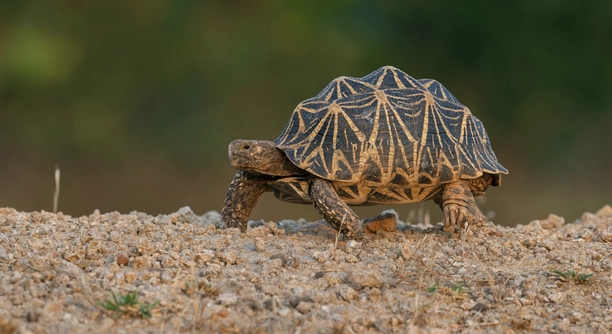
Turtles are fascinating pets, but sometimes their behavior can be puzzling. If your turtle is trying to bite you, you might wonder what’s behind this behavior. Understanding the cause is key to managing it properly.
Turtles may try to bite for several reasons, including feeling threatened, hungry, or simply because of natural territorial instincts. It’s important to assess their environment and interactions to identify the cause of the biting behavior.
By identifying the underlying issue, you can improve your relationship with your turtle and create a more peaceful environment for both of you. Let’s explore the possible reasons for this behavior and how to handle it.
The Role of Feeding Habits
Turtles are often motivated by hunger, and their biting behavior may stem from wanting food. When they associate you with feeding time, they may bite in excitement or expectation. This behavior can be especially common if the turtle is still getting used to its new environment or if it hasn’t eaten recently. Turtles have sharp beaks, and they can mistake fingers or hands for food, leading to an instinctive bite. If your turtle constantly tries to bite, it may be time to review its feeding schedule and ensure that it’s getting the right amount of food at the right times.
Inadequate feeding may cause some frustration for your turtle, which can lead to unwanted behavior like biting. If the turtle is hungry and associates your presence with meals, it may take a more aggressive approach.
To reduce this behavior, try to establish a regular feeding routine. Feed your turtle at specific times each day and avoid handling it right before or after meals. Consistency will help your turtle understand when it’s feeding time and when it’s not.
Handling Stress and Fear
A stressed turtle might bite out of fear. Many turtles are naturally cautious creatures, especially when placed in new or unfamiliar environments. If you’ve recently introduced your turtle to a new tank, it could be adjusting to the changes and may feel vulnerable. Turtles that are not yet comfortable with their owners may react defensively by trying to bite when approached. If this is the case, providing your turtle with a safe and quiet space to acclimate can help reduce anxiety.
Creating a calm environment is key to helping your turtle feel secure. Avoid sudden movements or loud noises near the tank, as these can trigger stress. It’s also a good idea to give the turtle some time to explore its new habitat without interference. Once it feels more at ease, it will likely be less inclined to bite out of fear. Patience and gentle handling are essential when working with a stressed turtle.
Territorial Behavior
Turtles are naturally territorial animals. If your turtle feels that its space is being invaded, it might try to bite as a way to defend its area. This is particularly true for adult turtles, as they are more likely to protect their space. Even if you’re just trying to clean the tank or offer food, the turtle may react aggressively.
Territorial turtles can be more sensitive to changes in their environment. If another turtle is introduced, or if you make adjustments to their habitat, it can trigger defensive behavior. In these cases, it’s important to observe the turtle’s body language and respect its space. Let your turtle explore and adjust to new environments at its own pace.
One way to prevent territorial biting is by providing enough space for your turtle. If possible, avoid crowding its habitat with decorations or other pets. Also, try to minimize handling during feeding times or cleaning, as these activities might increase your turtle’s defensiveness. Respecting its personal space will help reduce the chances of biting.
Handling and Interaction
Your turtle might bite because it’s not yet used to being handled. Turtles can take time to get comfortable with human interaction, and an unfamiliar hand might be perceived as a threat. If you’ve recently adopted your turtle, give it some time to adjust before attempting to handle it. Avoid sudden movements, and be gentle when you try to interact.
Regular handling is important to help your turtle get used to human contact, but it should be done carefully. Start with short sessions, and always approach your turtle from the side rather than from above, as sudden movements from above might scare it. Avoid grabbing the turtle quickly, as this can cause it to feel trapped and defensive. Slowly building trust through calm and consistent interaction will help your turtle feel more comfortable with you.
It’s also a good idea to avoid handling your turtle immediately after feeding. At this time, it might be more focused on its food or could feel threatened. Giving your turtle some time to digest and settle will make interactions smoother and reduce the likelihood of biting when you approach.
Illness or Injury
If your turtle is in pain, it might bite out of frustration or distress. Turtles can become more aggressive when they are sick or injured. If there’s a change in their behavior, such as increased biting or hiding, it might indicate a health problem.
Pay attention to any signs of injury or discomfort. Red or swollen areas, unusual behavior, or changes in appetite are clues that something is wrong. If your turtle is suddenly more aggressive, consider taking it to a vet to rule out health issues.
Improper Habitat
An unsuitable habitat can cause stress, leading to biting. Turtles need proper water temperature, lighting, and enough space to feel secure. If the environment isn’t right, they may become agitated and defensive. Make sure your turtle’s habitat meets its needs.
Check the water quality regularly and ensure that there are no sharp objects or overcrowding. Poor habitat conditions can lead to health issues, making your turtle more likely to exhibit aggressive behavior.
Mating Behavior
Male turtles can sometimes become aggressive during mating season. This behavior is driven by hormonal changes that make males more territorial and defensive. If your turtle is a male and is showing increased biting behavior during certain times of the year, it may be related to mating instincts.
Mating behavior in turtles often involves territorial displays, and they may become more protective of their environment. If this behavior persists, consider whether your turtle is entering a mating period, and take note of any changes in its actions. These behaviors can be temporary.
FAQ
Why does my turtle bite when I try to pick it up?
Turtles often bite when they feel threatened or scared. If your turtle is not used to being handled, it might see your hand as a threat. This is especially common in newly adopted turtles or ones that have not been socialized much. Start by approaching your turtle slowly and gently, and give it time to get used to your presence before attempting to pick it up. Always handle your turtle calmly and avoid sudden movements that could startle it.
How can I stop my turtle from biting me?
To prevent biting, it’s important to understand what’s triggering your turtle’s aggression. First, check if the turtle is hungry and establish a regular feeding schedule. Over time, your turtle will begin to associate you with food in a positive way. If the biting is due to stress or fear, try to minimize handling, provide a secure environment, and allow your turtle time to settle in. Additionally, avoid picking up your turtle right after meals or during its resting periods.
Is my turtle biting because it’s hungry?
Yes, hunger can lead to biting. Turtles may associate humans with food and might bite if they think you’re bringing them something to eat. If your turtle constantly tries to bite when you’re around, it might be signaling hunger. Ensure that you’re feeding it the right amount of food, and try to keep a consistent feeding schedule. You might also try feeding it in a separate area to reduce the chance of biting when you are near.
Can I handle my turtle safely without it biting me?
Handling your turtle safely is possible, but it’s important to be gentle and slow. Begin by giving your turtle time to adjust to your presence. When you do handle it, always approach from the side, not above, as this can be intimidating. Support its body properly, using both hands, and avoid squeezing or holding it too tightly. The key is to make your turtle feel safe and secure during interactions.
Is biting a sign of aggression or something else?
Biting can sometimes be a sign of aggression, but it can also be a reaction to fear, stress, or discomfort. It’s important to consider the context and the turtle’s environment. If your turtle is placed in a new habitat or is adjusting to a new owner, biting may be a defensive reaction. On the other hand, if your turtle has been living in a stable environment but starts biting, it could indicate stress, hunger, or a territorial issue.
Why does my turtle bite when it’s not feeding time?
Turtles may bite for reasons other than hunger. Stress, fear, territorial instincts, or even mating behavior can cause your turtle to bite. If it feels threatened or insecure, your turtle might bite in self-defense. Look for signs like hiding, a defensive posture, or aggressive behavior when you approach its tank. Also, assess whether any changes in the environment might be causing stress.
How do I know if my turtle is sick or just acting aggressively?
Aggressive behavior like biting can sometimes mask underlying health problems. If your turtle is suddenly more aggressive or irritable, look for other symptoms such as lethargy, a lack of appetite, abnormal swimming, or physical signs like swollen limbs or shell damage. If you notice these signs, it’s a good idea to take your turtle to the vet for a check-up. Healthy turtles are generally more relaxed and less likely to bite unless provoked.
Is there a way to stop territorial biting in turtles?
Territorial behavior is common in adult turtles, especially when they feel their space is being invaded. To reduce territorial biting, it’s important to provide your turtle with a proper, spacious tank. Avoid introducing other pets or objects that may cause your turtle to feel threatened. If territorial behavior continues, consider giving your turtle more private space, such as a separate tank, or adjusting the environment to reduce stress. Patience and consistency will help minimize aggressive tendencies.
Can my turtle stop biting once it becomes familiar with me?
Yes, over time, your turtle can stop biting as it becomes familiar with you and feels more comfortable. It’s important to build trust slowly. Gradually handle your turtle, reward calm behavior with treats, and avoid sudden or aggressive actions. As it gets used to your presence and learns that you aren’t a threat, the likelihood of biting will decrease.
Why does my turtle bite when I clean its tank?
Tank cleaning can be a stressful experience for turtles, especially if they’re not used to it. Biting in this situation could be a defensive response to feeling their space is being invaded. When cleaning your turtle’s tank, try to do it during a time when it’s less active or when it’s in a separate area. Use a gentle approach and avoid sudden movements. The more your turtle gets used to these activities, the less likely it will bite.
Final Thoughts
Turtles are fascinating creatures, and understanding their behavior is key to building a positive relationship with them. While biting can be alarming, it’s important to remember that it’s often a natural response to various triggers. Whether your turtle is hungry, stressed, or feeling threatened, there are ways to reduce this behavior. By observing your turtle’s actions and adjusting its environment or routine, you can often prevent biting and create a more peaceful setting for both of you.
Handling turtles requires patience and a gentle approach. If your turtle is biting, try to evaluate the situation carefully. Is it hungry, stressed, or simply trying to protect its space? Identifying the cause of the behavior is the first step in resolving it. Providing a stable, well-maintained habitat with enough space and proper care can make a huge difference in reducing aggression. Additionally, giving your turtle time to adjust to its environment and handling can help build trust over time. The more comfortable your turtle feels, the less likely it will react aggressively.
In conclusion, while biting can be an unpleasant part of owning a turtle, it’s usually manageable once you understand the root causes. By taking steps to address its needs—such as adjusting feeding schedules, offering a stress-free habitat, and handling it with care—you can reduce the chances of biting. With patience, consistency, and the right environment, your turtle can thrive, and you can enjoy a more peaceful relationship with your pet.

Hello,
If you enjoy the content that we create, please consider saying a "Thank You!" by leaving a tip.
Every little bit helps us continue crafting quality advice that supports the health, happiness, and well-being of pets around the world, for pets of all shapes, sizes, and species.
We really appreciate the kindness and support that you show us!