
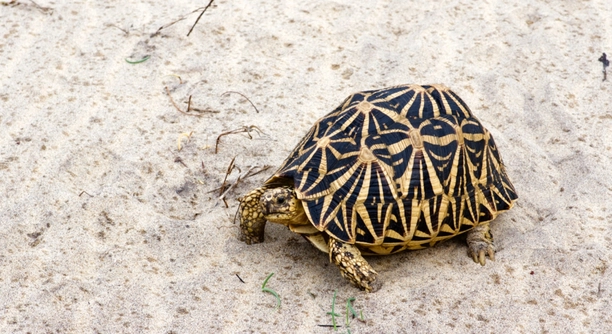
Turtles need a proper diet to thrive, and vegetables play an essential role in keeping them healthy. Offering a variety of veggies ensures they get the necessary nutrients to support their growth and energy.
Feeding your turtle a balanced diet of vegetables promotes better digestion, strong immunity, and a healthy shell. The best vegetables for turtles include leafy greens, carrots, bell peppers, and squash, as they offer essential vitamins and minerals.
By incorporating these vegetables into your turtle’s meals, you’ll be supporting its overall health. Keep reading to discover the best veggies for a balanced diet.
Leafy Greens: The Best Choice for Your Turtle
Leafy greens are a must-have in your turtle’s diet. Vegetables like kale, collard greens, and mustard greens are packed with vitamins and minerals that support your turtle’s overall health. These greens are rich in calcium, which is crucial for shell strength and bone development. They also contain fiber, which aids in digestion. However, be mindful of offering a variety of greens to avoid nutrient imbalance. Overfeeding one type of leafy green may lead to excess oxalates, which can prevent calcium absorption. A mix of greens ensures your turtle receives a well-rounded diet.
Leafy greens should be given to your turtle every day. Mixing them with other veggies like bell peppers or carrots creates a diverse and healthy meal.
To prepare leafy greens, wash them thoroughly to remove any pesticides or dirt. Tear the leaves into small, manageable pieces, as this will make it easier for your turtle to consume. Make sure to rotate the greens frequently to keep things interesting and prevent boredom. Your turtle will benefit greatly from this staple in its diet.
Carrots: Packed with Vitamin A
Carrots are a great source of Vitamin A, which is important for your turtle’s vision and immune system.
Carrots are not only nutritious but also easy to prepare. Simply slice or grate them into bite-sized pieces for your turtle. Just remember to offer them in moderation since they contain natural sugars.
Bell Peppers: A Colorful and Nutrient-Rich Treat
Bell peppers are a fantastic addition to your turtle’s diet. They are high in Vitamin C, which helps maintain a healthy immune system. Turtles that eat bell peppers can also benefit from the antioxidants found in these colorful vegetables. Choose peppers in different colors—red, yellow, and orange—to give your turtle a range of nutrients.
When preparing bell peppers for your turtle, remove the seeds and cut the pepper into small, manageable pieces. Be sure to wash them thoroughly before feeding. You can feed them raw or lightly steamed, depending on your turtle’s preferences.
Bell peppers are also low in calories, so they make a healthy, guilt-free treat. Offering them regularly will keep your turtle happy and satisfied, while providing a variety of vitamins. Just be cautious of offering them in excess, as too many bell peppers could cause an upset stomach due to the high water content.
Squash: A Sweet and Healthy Option
Squash is a great vegetable to add to your turtle’s meals. It contains vitamins A and C, both of which are beneficial for your turtle’s skin, shell, and overall health.
Squash is also rich in fiber, which helps with digestion. This vegetable is high in water content, keeping your turtle hydrated, especially in warmer months. The natural sweetness of squash will appeal to many turtles, making it an enjoyable treat. It can be fed raw or lightly cooked, but make sure to remove the skin for easier digestion.
Squash comes in many varieties, such as zucchini and pumpkin, all of which offer different benefits. Zucchini, for example, is lower in sugar and great for balancing the turtle’s diet. Offering a mix of different squash types will keep your turtle’s meals diverse, and it will enjoy the variety.
Cucumber: A Hydrating Vegetable
Cucumbers are a great way to keep your turtle hydrated. They have a high water content, making them a refreshing treat. This helps your turtle stay cool, especially during warmer months.
While cucumbers are mostly water, they still provide some essential vitamins and minerals, including Vitamin K. They’re low in calories, which makes them a good option for turtles who need to watch their weight.
When feeding cucumbers, be sure to remove the skin if your turtle has trouble digesting it. Slice the cucumber into small pieces so your turtle can easily nibble on it.
Sweet Potatoes: A Nutrient-Packed Powerhouse
Sweet potatoes are an excellent source of fiber, vitamins A and C, and potassium. This makes them a healthy choice for boosting your turtle’s immune system and promoting healthy skin.
These root vegetables can be served boiled or steamed to soften them, making them easier for your turtle to eat. Ensure they are cut into small, manageable pieces. Sweet potatoes should be given in moderation, as their high carbohydrate content can lead to weight gain if overfed.
Sweet potatoes are especially beneficial when fed to juvenile turtles because they support proper growth. They also provide energy, making them a good addition to an active turtle’s diet.
Broccoli: A Nutrient-Rich Green Vegetable
Broccoli is another great green vegetable to add to your turtle’s meals. It’s full of Vitamin C and calcium, which helps with bone and shell health.
Broccoli can be fed raw or lightly steamed, but be sure to chop it into small pieces to make it easier for your turtle to consume. Avoid offering the tough stem too often, as it may be harder to digest.
FAQ
Can I feed my turtle vegetables every day?
Yes, vegetables should be a daily part of your turtle’s diet. They provide essential nutrients and fiber that help with digestion and overall health. However, not all vegetables should be given in large amounts daily. For example, leafy greens can be offered daily, while sweeter veggies like carrots or bell peppers should be given in moderation to avoid overfeeding sugar. The key is variety and balance, ensuring that your turtle receives a mix of different nutrients each day. Rotate vegetables regularly to keep the diet interesting and healthy.
What are the best vegetables for a baby turtle?
For baby turtles, it’s important to provide soft, easy-to-digest vegetables. Leafy greens such as kale, collard greens, and dandelion greens are great options. You can also offer finely chopped carrots, squash, and zucchini. Avoid feeding hard vegetables like broccoli or those high in oxalates like spinach. Baby turtles are still developing their digestion, so soft veggies are essential. Make sure to chop everything into smaller pieces to make it easier for them to eat.
Can I feed my turtle fruit instead of vegetables?
Fruits can be a nice treat for your turtle, but they shouldn’t replace vegetables. Fruits tend to be higher in sugar, which can lead to weight gain and other health issues if offered too often. It’s best to stick to vegetables as the core part of your turtle’s diet and offer fruits sparingly as a treat. Some fruits like strawberries, melon, or papaya can be offered occasionally, but they should not make up more than 10-15% of your turtle’s diet.
How should I prepare vegetables for my turtle?
Vegetables should be washed thoroughly to remove any pesticides or chemicals. For most vegetables, it’s best to chop or tear them into small, bite-sized pieces to make eating easier for your turtle. Some vegetables can be served raw, while others, like sweet potatoes or carrots, may need to be lightly steamed or boiled to soften them. Avoid adding any seasoning or oils to the vegetables, as these can harm your turtle’s health. Serve the veggies fresh and remove any uneaten portions to prevent them from spoiling.
Are there any vegetables I should avoid feeding my turtle?
Yes, there are some vegetables that should be avoided. Avoid feeding your turtle vegetables high in oxalates, like spinach, as they can interfere with calcium absorption. Similarly, too much lettuce, especially iceberg lettuce, offers little nutritional value and can lead to digestive problems. You should also avoid feeding your turtle potatoes or eggplant, as they can be toxic to them. Always research a vegetable before offering it to your turtle to ensure it’s safe and beneficial.
How often should I feed my turtle vegetables?
For adult turtles, vegetables should be offered daily as a main part of their diet. Juvenile turtles, on the other hand, may need more frequent feedings due to their growth rate, with vegetables being provided multiple times a day. Ensure that vegetables make up a significant portion of their diet, but remember to balance them with protein and other essential nutrients. Your turtle’s size and species will also influence how much and how often they need to be fed.
Can I feed my turtle vegetables that I grow in my garden?
Yes, vegetables from your garden can be a great option for your turtle, as long as they haven’t been treated with pesticides or harmful chemicals. It’s important to ensure that everything is thoroughly washed before feeding it to your turtle. Growing your own vegetables ensures that they are fresh, organic, and free of harmful substances. However, always make sure to research the safety of specific vegetables before offering them to your turtle, as not all plants are safe for them.
What’s the best way to store leftover vegetables for my turtle?
Leftover vegetables can be stored in the refrigerator, but they should be used within a day or two to maintain freshness. Keep them in an airtight container or sealed plastic bag to prevent wilting and spoilage. Avoid leaving vegetables out for too long at room temperature, as they can quickly deteriorate. When storing, try to keep different types of vegetables separated so they maintain their texture and nutrients. Fresh vegetables should always be offered to your turtle, so it’s best to prepare only what you expect them to eat.
How do I know if I’m feeding my turtle enough vegetables?
The amount of vegetables your turtle needs depends on their size, age, and species. Generally, adult turtles should have vegetables making up about 80% of their diet, with protein and other foods like fruits making up the remaining 20%. If your turtle is consistently leaving food behind, you may be offering too much. Conversely, if they are eagerly finishing their meal but seem hungry soon after, you may need to offer more. Keep an eye on your turtle’s weight and health to adjust portions accordingly.
Can I feed my turtle the same vegetables every day?
While it’s okay to offer the same type of vegetables each day, it’s important to provide variety. Just like humans, turtles benefit from a varied diet. Rotating different types of greens, squash, and other vegetables will ensure that your turtle gets a broader range of nutrients. A diverse diet prevents nutrient deficiencies and helps keep your turtle engaged during feeding time. Try to offer a mix of colors, textures, and types of veggies to keep things interesting and healthy for your pet.
Final Thoughts
Feeding your turtle a balanced diet is essential to ensure it stays healthy and active. Vegetables are a major part of that, providing necessary vitamins, minerals, and fiber that help maintain good digestion, a strong immune system, and a healthy shell. While it’s important to provide a variety of vegetables, each type of vegetable offers its own unique benefits. Leafy greens like kale and collard greens, for example, are rich in calcium, which supports shell strength, while carrots offer Vitamin A for good vision. Rotating vegetables keeps your turtle’s meals interesting and nutritious.
It’s also important to remember that moderation is key. Offering vegetables like carrots or sweet potatoes in excess may lead to too much sugar or carbs, which could affect your turtle’s health in the long run. Always aim to balance your turtle’s diet by mixing different vegetables and limiting treats like fruits. Keep in mind that not all vegetables are suitable for turtles. Some, like spinach, should be avoided due to high oxalate levels that prevent calcium absorption. Researching and ensuring that each vegetable is safe for your turtle is important for their well-being.
Lastly, always pay attention to your turtle’s needs. Every turtle is different, and their dietary needs can vary depending on their species, size, and age. Younger turtles may need more frequent feedings, while adults can be fed once a day or every other day. Watch your turtle’s behavior and health, and adjust their meals if necessary. Regularly offering fresh vegetables and making sure they have access to clean water will go a long way in supporting your turtle’s health. With the right balance and variety, your turtle can live a long, healthy, and happy life.

Hello,
If you enjoy the content that we create, please consider saying a "Thank You!" by leaving a tip.
Every little bit helps us continue crafting quality advice that supports the health, happiness, and well-being of pets around the world, for pets of all shapes, sizes, and species.
We really appreciate the kindness and support that you show us!